Hebrews 10
Ãcõrẽ Bed̶ea · Tap a verse to see its cross-references.
1Ãcõrẽba Moisea diad̶a leyba jũma ne bia Critod̶eba zeid̶ebemada jarijaria unubi b̶ʌa. Maʌ̃ ne biara leyba diacaa. Maʌ̃ bẽrã poaza Ãcõrẽa animarã babue diad̶e wãbadara leyba poya jipa b̶ʌcaa. 2Leyba ãdjirãra wãrãda jipa b̶ʌd̶abara, waa animarãra babue diad̶e wãnaẽ́ bacasia. Animarã babue dia panʌneba wãrãda cadjirua neẽ́ panenabara, waa crĩchad̶aẽ́ bacasia idji quĩrãpita bed̶ead̶e panʌda. 3Baribʌrʌ paca dji umaquĩrã oaba, chiwatu oa bid̶a cadjiruara poya ãyã b̶ʌca bẽrã, poaza animarã babue dia panʌneba quĩrãnebabi b̶ʌa ãdjia cadjirua obadada. 5Maʌ̃ carea Crito naʌ̃ ẽjũãnaa zesid̶e idjia Ãcõrẽa nãwã jarasia:
Bʌa animarãra bʌ́a babue diad̶ida quĩrĩãẽ́ b̶ʌa. Ne diad̶i sid̶a quĩrĩãẽ́ b̶ʌa. Bʌa mʌ̃́a cacua diad̶adrʌ quĩrĩã b̶ʌa.
6Ãdji cadjirua carea animarã babue diabʌdad̶e, ne diabʌdad̶e bid̶a bʌra b̶ʌsrid̶a b̶acaa.
7Maʌ̃ bẽrã mʌ̃a jarasia: Ãcõrẽ, mʌ̃ra nama b̶ʌa bʌa quĩrĩã b̶ʌda oi carea.
Bʌ Bed̶ead̶e mʌ̃nebemada mãwã b̶ʌ́ b̶ʌa.
8Critoba naãrã jarasia Ãcõrẽba quĩrĩãẽ́ b̶ʌda ẽberãrãba ãdji cadjirua carea animarãda idjía babue diad̶ida idjab̶a ne diad̶ida. Ãcõrẽba Moisea diad̶a leyba mãwã obi b̶ʌmĩna, maʌ̃neba Ãcõrẽra b̶ʌsrid̶a b̶acaad̶a asia. 9Maʌ̃be Critoba Ãcõrẽa nãwã jarasia: “Mʌ̃ra nama b̶ʌa bʌa quĩrĩã b̶ʌda oi carea.” Maʌ̃ba cawabi b̶ʌa naãrã Ãcõrẽba animarã babue diabi b̶ad̶ara Critoba ãyã b̶ʌsida. Maʌ̃ cacuabari ara idjida idu beabid̶a bẽrã idjidrʌ b̶esia. 10Ãcõrẽba quĩrĩã b̶ʌra Jesucritoba jũma osia. Ara idjida idu beabisia. B̸arima ab̶a mãwã od̶aba dadjirãra ewariza Ãcõrẽ itea bia b̶ʌsia.
11Sacerdoterãba ewariza Ãcõrẽ itea ne obadaa idjab̶a animarãra babue diabadaa. Mãwãmĩna maʌ̃gʌba cadjiruara ãyã b̶ʌcaa. 12Baribʌrʌ Jesucritoba cadjirua carea ara idjida idu beabisia. B̸arima ab̶a mãwã od̶aba jũma cadjiruara ãyã b̶ʌsia. Maʌ̃be Ãcõrẽ jʌwa araare chũmesia. 13Mama jʌ̃ã b̶ʌa ab̶a Ãcõrẽba jũma idji ume dji quĩrũra idji jʌwaed̶a b̶ʌbʌrʌd̶aa. 14Critoba ara idjida idu beabisia. Mãwã b̶arima ab̶a od̶aba jũma Ãcõrẽ itea b̶eara jipa b̶ʌsia. Maʌ̃ jipa b̶ʌd̶ara ewariza b̶aya. 15Ãcõrẽ Jaure bid̶a ab̶arida dadjirãa cawabi b̶ʌa. Naãrã jarasia:
16Jũmarã Boro Ãcõrẽba nãwã jara b̶ʌa: “Nocoarebema ewarid̶e mʌ̃a bed̶ea djiwid̶ida israelerã ume nãwã b̶ʌya: mʌ̃ leyra ãdjirã crĩchad̶e, ãdjirã sod̶e bid̶a b̶ʌya.”
17Maʌ̃are nãwã jarasia:
Ãdjirãba biẽ́ oped̶ad̶ara mʌ̃a jũma quĩrãdoaya. Ãdjirãba cadjirua oped̶ad̶ara mʌ̃a waa crĩcha b̶aẽ́a.
18Critod̶eba Ãcõrẽba dadjirã cadjiruara jũma quĩrãdoad̶a bẽrã, waa dadjirã cadjirua carea idjía ne diad̶iẽ́ panʌa.
Jesucritod̶eba dadjirãra Ãcõrẽ caita poya wãnia
19Maʌ̃ bẽrã djabarã, Ãcõrẽ itea biara b̶ʌ dejãne ed̶a wãbʌda quĩrãca naʌ̃ ewarid̶e Jesucrito oad̶eba dadjirãra Ãcõrẽ caita ne wayaa neẽ́ wãnida panʌa. 20Maʌ̃ dejãne wua eatʌ jira b̶ʌ cõãbʌrʌ quĩrãca Jesucritoba idji beud̶ad̶eba o djiwid̶ida jarisia dadjirã Ãcõrẽ caita poya wãnamãrẽã. Maʌ̃ od̶e wãbʌrʌra ewariza Ãcõrẽ ume zocai b̶aya. 21Dadjirãba Sacerdote dji Dromada bajãne eropanʌa. Idjia Ãcõrẽ ẽberãrãra jũma carebabaria. 22Maʌ̃ bẽrã Ãcõrẽ caita wãnadrʌ. Critoba dadjirã crĩcha cadjirua b̶ad̶ada jipa b̶ʌsia dadjirã so idji oaba jĩãpobʌrʌ quĩrãca. Ãcõrẽ quĩrãpita bia b̶ʌsia dadjirã cacuara baido pãpãrã quiruba sʌgʌd̶a quĩrãca. Maʌ̃ bẽrã crĩcha ab̶a panʌneba idjab̶a wãrãda ĩjã panʌneba Ãcõrẽ caita wãnida panʌa. 23Ãcõrẽra bed̶ea ab̶a b̶ʌ bẽrã dadjirãba jʌ̃ã panʌra idjab̶a maʌ̃nebema jũmarãa jara panʌ sid̶a ni maãrĩ bid̶a quenab̶arid̶iẽ́ panʌa. 24Jʌrʌd̶ida panʌa sãwã dji carebad̶ida biara dji quĩrĩãni carea idjab̶a ne biada od̶i carea. 25Ãbaa dji jʌrebadara idu b̶ʌd̶iẽ́ panʌa ʌ̃cʌrʌba idu b̶ʌbada quĩrãca. Ãtebʌrʌ dji carebad̶ida panʌa biara ĩjãni carea. Dadjirã Boro Ãcõrẽba cawa oi ewarira dãrãẽ́ne zeida cawa panʌ bẽrã biara mãwã od̶ida panʌa. Hebreo 6:19-20; 9:3; 10:20; Mateo 27:51|src="CN01843B.tif" size="span" ref="Hebrews 10:20"
26Wãrã bed̶ea cawaped̶ad̶acarea ara dadjiareba cadjiruada o pananibʌrʌ, waa neẽ́a Ãcõrẽa diad̶i carea maʌ̃ cadjiruara quĩrãdoamãrẽã. 27Mãwã o b̶ʌba ab̶abe ne wayaad̶eba jʌ̃ãida b̶ʌa Ãcõrẽba cawa omãrẽã. Maʌ̃ ewarid̶e Ãcõrẽba jũma idji ume dji quĩrũra tʌbʌ uruga nũmʌne b̶atabueya ewariza bá nũmamãrẽã. 28Naẽna ab̶aʌba Ãcõrẽba Moisea diad̶a leyda igarasira, maʌ̃ne ẽberã uméba wa ũbeaba jarasid̶ara wãrãda mãwã b̶ʌda, idjira ab̶ed̶a quĩrã djuburia neẽ́ beabadjid̶aa. 29Maʌ̃ba ¿sãwã crĩcha panʌ? ¿Ãcõrẽba idji Warra igarabadara wetara cawa oẽ́ca? Ãcõrẽba idji Warra oad̶eba bed̶ea djiwid̶ida b̶ʌsia dadjirãra idji itea bia b̶ʌi carea. Mãwãra Ãcõrẽ Warra oa erozoad̶a siriẽ́ b̶ʌda crĩchabadara ¿idjia wetara cawa oẽ́ca? Maʌ̃ awara Ãcõrẽ Jaureba idji biad̶eba dadjirãra careba b̶ʌa. Mãwãra Ãcõrẽ Jaure biẽ́ jarabadara ¿idjia wetara cawa oẽ́ca? 30Dadjirãba cawa panʌa Ãcõrẽba nãwã jarasida: “Mʌ̃abʌrʌ cawa oya. Jũmarãa diaya ãdjirãba oped̶ad̶a quĩrãca.” Idjab̶a nãwã jarasia: “Jũmarã Boro Ãcõrẽba idji ẽberãrãra cawa oya.” 31Ãcõrẽ zocai b̶ʌba dadjida cawa oibʌrʌ wãrãda bio minijĩchia b̶ʌa.
32Quĩrãnebad̶adua bãrãba naãrã wãrã bed̶ea cawasid̶ad̶e sãwã panasid̶ada. Maʌ̃ ewarid̶e bãrã bia mĩgaped̶ad̶ara jũma droasid̶aa. 33Ed̶aud̶e jũmarã quĩrãpita Crito carea biẽ́ jarasid̶aa idjab̶a biẽ́ osid̶aa. Ed̶aud̶e djabarã Crito carea bia mĩga panʌ ume bia mĩgasid̶aa. 34Crito carea preso b̶ʌped̶ad̶ara bãrãba quĩrã djuburiasid̶aa. Idjab̶a bãrãba ne erob̶ead̶ara b̶ʌsrid̶a idu jãrĩbisid̶aa, cawa panʌ bẽrã maʌ̃ cãyãbara ne biara b̶ʌ jõcada bajãne eropanʌda. 35Maʌ̃ bẽrã bãrãba Ãcõrẽ ĩjã panʌra igararãnadua. Ĩjã pananibʌrʌ, Ãcõrẽba bajãne ne biada waib̶ʌa diaya. 36Bãrãba jũma droad̶ida panʌa. Mãwã Ãcõrẽba quĩrĩã b̶ʌda od̶aped̶a idjia diai jarad̶ara jũma edad̶ia. 37Ãcõrẽ Bed̶ead̶e nãwã b̶ʌ́ b̶ʌa:
Dji zeida b̶ʌra dãrãẽ́ne zeya. Idjira wãrãda dãrãẽ́a.
38Ẽberã jipa b̶ʌra mʌ̃ ĩjã b̶ʌd̶eba zocai b̶aya. Baribʌrʌ idjia ĩjã b̶ʌda igaraibʌrʌ, mʌ̃a idjira bia unuẽ́a.
39Ʌ̃cʌrʌba Ãcõrẽ ĩjã panʌra igarad̶aped̶a aduad̶ia. Baribʌrʌ dadjirãra maʌ̃ ẽberãrã quĩrãca panʌẽ́a, ãtebʌrʌ Ãcõrẽ ĩjã panʌneba ewariza zocai panania.
Did you know?
A Sacrifice Offered Once for All
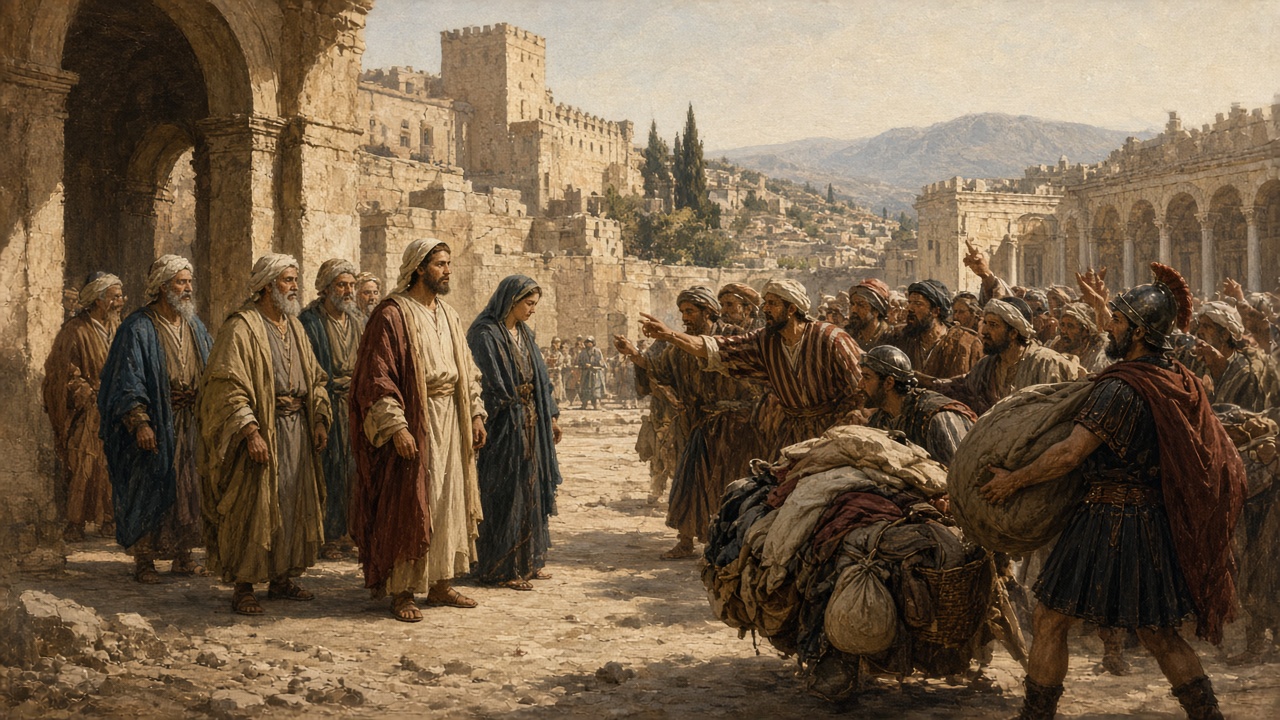
- The law is called only a shadow of the good things to come. Sacrifices repeated year after year, and the blood of bulls and goats, are said to remind worshipers of sins rather than take those sins away; by contrast, the sacrifice of the body of Jesus Christ is presented as sanctifying people once for all.Sources: the Bible text itself
- Every priest is pictured standing day after day to offer the same sacrifices, which can never take away sins. After one sacrifice for sins, this Priest is said to have sat down at the right hand of God, and the chapter speaks of a new and living way into the Most Holy Place through the curtain of his body.Sources: the Bible text itself
- Rejecting the law of Moses, the chapter says, brought death without mercy on the testimony of two or three witnesses. It then recalls an earlier time when the readers endured public ridicule and persecution, stood with those so treated, sympathized with people in prison, and joyfully accepted the confiscation of their property.Sources: the Bible text itself
Notes written with AI assistance from open sources (Theographic Bible Metadata, CC BY-SA 4.0; Easton’s Bible Dictionary, public domain) and reviewed before publishing.
Places in this chapter
Only places identified with high confidence are shown (90% or more according to the scholarly sources compiled by OpenBible). Period map: DARE (Digital Atlas of the Roman Empire), CC BY 4.0; modern map: © OpenStreetMap contributors; places: OpenBible.info (CC BY 4.0).
Credits and license for this translation
Ãcõrẽ Bed̶ea
New Testament in Emberá, Northern (PM:emp:Emberá, Northern)
copyright © 2011 Wycliffe Bible Translators, Inc.
Language: Emberá, Northern
Translation by: Wycliffe Bible Translators, Inc.
Copyright Information
© 2011, Wycliffe Bible Translators, Inc. All rights reserved.
This translation text is made available to you under the
terms of the Creative Commons License: Attribution-Noncommercial-No Derivative Works.
( http://creativecommons.org/licenses/by-nc-nd/3.0/ )
In addition, you have permission to port the text to different file formats, as long as you
do not change any of the text or punctuation of the Bible.
You may share, copy, distribute, transmit, and extract portions
or quotations from this work, provided that you include the above copyright
information:
You must give Attribution to the work.
You do not sell this work for a profit.
You do not make any derivative works that change any of the actual words or punctuation of the Scriptures.
Permissions beyond the scope of this license may be
available if you contact
us with your request.
The New Testament
in Emberá, Northern
© 2011, Wycliffe Bible Translators, Inc. All rights reserved.
This translation is made available to you under the terms of the
Creative Commons Attribution-Noncommercial-No Derivatives license 4.0.
You may share and redistribute this Bible translation or extracts from it in any format, provided that:
You include the above copyright and source information.
You do not sell this work for a profit.
You do not change any of the words or punctuation of the Scriptures.
Pictures included with Scriptures and other documents on this site are licensed just for use with those Scriptures and documents.
For other uses, please contact the respective copyright owners.
2014-04-24
Source: http://ebible.org/empNTpo/ · eBible.org