Genesis 48
Ãcõrẽ Bed̶ea · Tap a verse to see its cross-references.
Jacoboba Jose warrarã bia jara b̶ʌd̶a
1Mãwãnacarea Jose ẽberãrãba idjía jarasid̶aa idji zezara cacua biẽ́ b̶ʌda. Maʌ̃ carea Joseba idji warrarã Manase, Epraiʌ̃ sid̶a idji zeza acʌd̶e edesia. 2Maʌ̃ne Jacoboa jarasid̶aa Josera zesida. Maʌ̃ carea Jacobo Israel abadara ʌb̶ʌaẽ́ b̶ʌmĩna idji cʌd̶ad̶e ʌ̃ta chũmesia. 3Maʌ̃ne Josea jarasia:
–Canaaʌ̃ druad̶e mʌ̃ Luz purud̶e b̶asid̶e ne jũma poya b̶ʌ Ãcõrẽra mʌ̃ma odjaped̶a mʌ̃ra nãwã bia jara b̶ʌsia: 4“Mʌ̃a bʌd̶eba ẽberãrã zocãrã yõbiya. Idjab̶a bʌd̶eba puruda zocãrã yõbiya. Maʌ̃ awara mʌ̃a bʌ ẽberãrãa naʌ̃ Canaaʌ̃ druara diaya ewariza ãdjid̶e bamãrẽã.”
5Mʌ̃ bʌmaa zei naẽna bʌ warrarã Epraiʌ̃ra, Manase sid̶a naʌ̃ Egiptod̶e tosid̶aa. Ãdjira Rubeʌ̃ quĩrãca idjab̶a Simeoʌ̃ quĩrãca mʌ̃ warrarã araad̶a aya. 6Baribʌrʌ bʌa dewara warrarãda unuibʌrʌ, ãdjirãra mʌ̃ warrarã araad̶a aẽ́a. Maʌ̃ bẽrã Canaaʌ̃ druad̶e mʌ̃ warrarã araba ẽjũã edabʌda quĩrãca ãdjirãba edad̶aẽ́a. Ãtebʌrʌ Epraiʌ̃ba, Manase bid̶a edabʌda ẽjũãnebemada ãdjia edad̶ida panʌa. 7Mʌ̃ Padan-Araʌ̃ druad̶eba zebʌrʌd̶e bʌ papa Raquelera Canaaʌ̃ druad̶e jaid̶asia Eprata Beleʌ̃ abada caita. Mama mʌ̃a idjira tʌb̶arisia. Mʌ̃ra idji carea bio sopua b̶asia. Maʌ̃ carea mʌ̃a bʌ warra umébemarã mʌ̃reana abʌrʌa.–
8Jacobo Israel abadaba Jose warrarãra unuped̶a iwid̶isia:
–Za panʌra ¿cai?–
9Joseba idji zezaa panusia:
–Mʌ̃ warrarãa, Ãcõrẽba mʌ̃́a naʌ̃ Egiptod̶e diad̶aa.–
Israelba jarasia:
–Mʌ̃ djuburia mʌ̃ caita zebidua ãdjira bia jara b̶ʌi carea.–
10Israelera drõãda quiru bẽrã dau towa b̶asia. Maʌ̃ne Joseba idji warrarãra idji zeza caitaara edasia. Israelba ãdjira bʌrʌ edaped̶a isõsia. 11Israelba Josea jarasia:
–Mʌ̃a crĩcha b̶asia bʌ quĩrãra waa unuẽ́da, baribʌrʌ ¡Ãcõrẽba mʌ̃́a bʌra bʌ warrarã sid̶a unubisia!–
12Maʌ̃be Joseba idji warrarã idji zeza b̶acarad̶e chũpanʌda ãyã b̶ʌsia. Ãyã b̶ʌped̶a idji zeza quĩrãpita chĩrãborod̶e b̶arru cob̶esia.
13Joseba idji warrarãra wayacusa idji zeza quĩrãpita caita b̶ʌsia. Epraiʌ̃ra idji jʌwa araare b̶ʌsia idji zeza jʌwa acʌare b̶emãrẽã. Manasera idji jʌwa acʌare b̶ʌsia idji zeza jʌwa araare b̶emãrẽã. 14Baribʌrʌ Israelba idji jʌwara carusia. Epraiʌ̃ra dji tẽãbemamĩna Israelba idji jʌwa arada Epraiʌ̃ boro ʌ̃rʌ̃ b̶ʌsia. Manasera dji iwinamĩna Israelba idji jʌwa acʌda Manase boro ʌ̃rʌ̃ b̶ʌsia. 15Maʌ̃ne Israelba Josera nãwã bia jara b̶ʌsia:
Mʌ̃ zezadrõã Abrahaʌ̃ba idjab̶a mʌ̃ zeza Isa bid̶a Ãcõrẽda ĩjã panasid̶aa. Mʌ̃ tosid̶a ewarid̶eba ʌ̃taa ara maʌ̃ Ãcõrẽba mʌ̃ra waga b̶abaria.
16Idjia jũma mʌ̃ bia mĩga b̶ʌd̶ebemada ẽdrʌ edabaria. Maʌ̃gʌ Ãcõrẽba naʌ̃ warrarãra carebaya.
Mʌ̃a quĩrĩã b̶ʌa ãdjid̶eba naʌ̃ ẽjũãne zocãrã yõnida. Mãwã naʌ̃ warrarãneba mʌ̃ trʌ̃ra, mʌ̃ zezadrõã Abrahaʌ̃ trʌ̃ra, mʌ̃ zeza Isa trʌ̃ sid̶a jũmarãba quĩrãneba panania.
17Joseba unusia idji zeza jʌwa arara dji tẽãbema Epraiʌ̃ boro ʌ̃rʌ̃ b̶ʌda. Maʌ̃ra Joseba biẽ́ unusia. Maʌ̃ carea idji zezaa jarasia:
–Zeza, jãwãẽ́a. Za b̶ʌdrʌ mʌ̃ warra iwinaa. Idji boro ʌ̃rʌ̃bʌrʌ bʌ jʌwa arara b̶ʌdua.–
Mãwã jarabʌrʌd̶e idji zeza jʌwara Epraiʌ̃ borod̶e b̶ʌda jidaped̶a Manase boro ʌ̃rʌ̃ b̶ʌ quĩrĩã b̶asia. 19Baribʌrʌ idji zezaba mãwã o quĩrĩãẽ́ basía. Ãtebʌrʌ jarasia:
–Warra, mʌ̃a cawa b̶ʌa mʌ̃ jʌwara cai ʌ̃rʌ̃ b̶ʌsida. Bʌ warra iwinaneba ẽberãrãda zocãrã yõnia. Idjira dji dromada b̶aya. Baribʌrʌ dji djaba tẽãbemara idji cãyãbara dji dromaara b̶aya. Dji tẽãbema warrarãneba puruda zocãrã yõnia.–
20Maʌ̃ ewarid̶e Israelba Jose warra tẽãbema Epraiʌ̃ra dji nabema Manase cãyãbara dji dromaara b̶ʌsia. Maʌ̃ne ãdjira nãwã bia jara b̶ʌsia:
–Nocoarebema ewarid̶e israelerãba bãrã trʌ̃neba nãwã dewaraa bia jarad̶ia: “Ãcõrẽba Epraiʌ̃, Manase sid̶a bia od̶a quĩrãca bʌ sid̶a bia oya.”–
21Mãwãped̶a Israelba Josea jarasia:
–Dãrãẽ́ne mʌ̃ra beuya. Baribʌrʌ Ãcõrẽra bãrã ume b̶aya. Idjia bãrãra bãdji drõãenabemarã druad̶aa jẽda edeya. 22Mʌ̃a bʌ́a ẽjũãra aud̶uara diabʌrʌa bʌ djabarã cãyãbara. Mʌ̃a bʌ́a Siqueʌ̃ eyada diabʌrʌa. Maʌ̃ ẽjũãra mʌ̃a jãrĩsia necoba cha bid̶a amorreorã ume djõ b̶ʌd̶eba.–
Did you know?
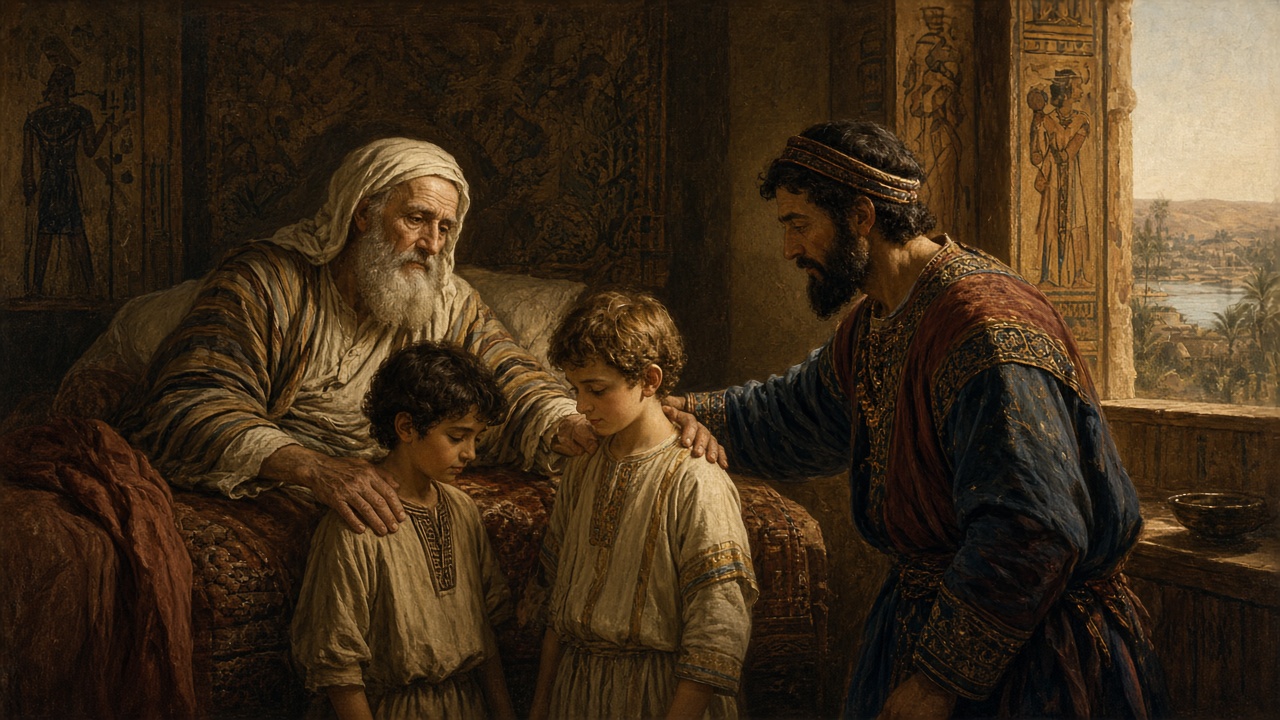
Adoption and Blessing of Ephraim and Manasseh
- Jacob reckons Joseph’s two sons, born to him in Egypt, as his own, on a level with Reuben and Simeon, Leah’s sons. Children born to Joseph after them were to remain Joseph’s, and were to be called by their brothers’ names in the territory they inherited.Sources: the Bible text itself · Manasseh (son of Joseph) · Reuben · Simeon
- Manasseh was the elder son and Ephraim the younger, born in Egypt. The name Ephraim means double fruitfulness, because God had made him fruitful in the land of his affliction. Though Israel could hardly see for age, he crossed his hands, laid his right hand on Ephraim, and insisted that the younger brother would be greater.Sources: the Bible text itself · Ephraim · Manasseh (son of Joseph)
- Jacob recalls that God Almighty appeared to him at Luz in the land of Canaan and blessed him there. Luz was the ancient name of a royal Canaanite city near Bethel, where Jacob halted and received a prophetic vision. He also remembers Rachel, Joseph’s mother, who died to his sorrow on the way back from Paddan—a name found only in this verse, for Padan-aram—and whom he buried beside the road to Ephrath, that is, Bethlehem.Sources: the Bible text itself · Luz · Paddan · Rachel
Notes written with AI assistance from open sources (Theographic Bible Metadata, CC BY-SA 4.0; Easton’s Bible Dictionary, public domain) and reviewed before publishing.
Places in this chapter
- Canaan · 32.767, 35.333 · verses 3, 4, 7, 21
- Luz · Today: Beitin · 31.923, 35.241 · verse 3
- Egypt · 30.129, 31.308 · verses 5, 9
- Bethlehem · 31.704, 35.208 · verse 7
- Ephrath · Today: Bethlehem · 31.704, 35.208 · verse 7
Only places identified with high confidence are shown (90% or more according to the scholarly sources compiled by OpenBible). Period map: DARE (Digital Atlas of the Roman Empire), CC BY 4.0; modern map: © OpenStreetMap contributors; places: OpenBible.info (CC BY 4.0).
Credits and license for this translation
Ãcõrẽ Bed̶ea
New Testament in Emberá, Northern (PM:emp:Emberá, Northern)
copyright © 2011 Wycliffe Bible Translators, Inc.
Language: Emberá, Northern
Translation by: Wycliffe Bible Translators, Inc.
Copyright Information
© 2011, Wycliffe Bible Translators, Inc. All rights reserved.
This translation text is made available to you under the
terms of the Creative Commons License: Attribution-Noncommercial-No Derivative Works.
( http://creativecommons.org/licenses/by-nc-nd/3.0/ )
In addition, you have permission to port the text to different file formats, as long as you
do not change any of the text or punctuation of the Bible.
You may share, copy, distribute, transmit, and extract portions
or quotations from this work, provided that you include the above copyright
information:
You must give Attribution to the work.
You do not sell this work for a profit.
You do not make any derivative works that change any of the actual words or punctuation of the Scriptures.
Permissions beyond the scope of this license may be
available if you contact
us with your request.
The New Testament
in Emberá, Northern
© 2011, Wycliffe Bible Translators, Inc. All rights reserved.
This translation is made available to you under the terms of the
Creative Commons Attribution-Noncommercial-No Derivatives license 4.0.
You may share and redistribute this Bible translation or extracts from it in any format, provided that:
You include the above copyright and source information.
You do not sell this work for a profit.
You do not change any of the words or punctuation of the Scriptures.
Pictures included with Scriptures and other documents on this site are licensed just for use with those Scriptures and documents.
For other uses, please contact the respective copyright owners.
2014-04-24
Source: http://ebible.org/empNTpo/ · eBible.org