Genesis 34
Ãcõrẽ Bed̶ea · Tap a verse to see its cross-references.
Jacobo warrarãba Siqueʌ̃nebemarã cũrũgaped̶ad̶a
1Jacoboba Lea ume cauda ab̶a eropanasid̶aa Dina abadada. Ewari ab̶a Dinara maʌ̃ druad̶ebema awẽrãrãmaa pʌrrʌad̶e wãsia. 2Maʌ̃ druad̶ebema borora Hamo abadjid̶aa. Idjira heveo basía. Hamoba warrada erob̶asia Siqueʌ̃ abadada. Maʌ̃ Siqueʌ̃ba Dina unubʌrʌd̶e awuasia. Maʌ̃ bẽrã jidaped̶a idji ume cãĩsia. Mãwã Dinara biẽ́ osia. 3Baribʌrʌ idji sod̶e Siqueʌ̃ba Lea cau Dinara wãrãda quĩrĩã b̶ʌ bẽrã ijara o b̶abadjia. 4Maʌ̃ ewarid̶e Siqueʌ̃ba idji zeza Hamoa jarasia:
–Zeza, jãʌ̃ wẽrãra mʌ̃ itea iwid̶id̶e wãdua.–
5Ara maʌ̃da Siqueʌ̃ zeza Hamora Jacobo ume bed̶ead̶e wãsia. Idji jũẽi naẽna Jacoboba ũrĩsia Siqueʌ̃ba Dinara biẽ́ osida. Baribʌrʌ idji warrarãba idji animarãra acʌd̶e wã panʌ bẽrã Jacobora chupea b̶esia ab̶a ãdji zebʌdad̶aa. 7Jũẽsid̶ad̶e ũrĩsid̶aa Siqueʌ̃ba ãdji djabawẽrãra biẽ́ osida. Maʌ̃ carea sopuasid̶aa. Bio quĩrũsid̶aa Siqueʌ̃ba mãwã israelerãda bio cadjirua od̶a bẽrã. Israelerãba maʌ̃ra ab̶ed̶a quĩrĩãnacaa.
8Siqueʌ̃ zeza Hamo jũẽsid̶e ãdjía nãwã jarasia:
–Mʌ̃ warra Siqueʌ̃ba bãrã djabawẽrãda bio quĩrĩã b̶ʌa. Mʌ̃ quĩrã djuburia, idjira mʌ̃ warraa diad̶adua. 9Mãwã bãrãra dai ẽberãrã baya. Dairã caurã ume poya dji edad̶ia, dairã sid̶a bãrã caurã ume poya dji edad̶ia. 10Nama dairã ume pananadua. Naʌ̃ druara bãrã itea b̶ʌa. Naʌ̃ ẽjũãne bãdjia awuabʌdama pananadua. Ne nẽdod̶ida panʌa idjab̶a nẽdobued̶ida panʌa. Ẽjũã sid̶a nẽdod̶ida panʌa.–
11Maʌ̃ne Siqueʌ̃ba Dina zezaa, idji djabarãa bid̶a jarasia:
–Mʌ̃ quĩrã djuburia, jãʌ̃ wẽrãda mʌ̃́a diad̶adua. Bãrãba iwid̶ibʌdada mʌ̃a diaya. 12Bãrãba idji carea waib̶ʌa iwid̶id̶ibʌrʌ, mʌ̃a diaya. Baribʌrʌ mʌ̃ quĩrã djuburia jãʌ̃ wẽrãra mʌ̃́a diad̶adua.–
13Siqueʌ̃ba Dinara biẽ́ od̶a bẽrã Jacobo warrarãba Siqueʌ̃ zezaa, Siqueʌ̃a bid̶a sewad̶eba nãwã jarasid̶aa:
–Dai djabawẽrãra umaquĩrã cacua wẽãgoẽ́ b̶ʌ́a poya diad̶aẽ́a. Mãwã diad̶ibʌrʌ, daimaarã cadjiruada o panʌa. 15Baribʌrʌ jũma bãrã umaquĩrãrãda dai quĩrãca cacua wẽãgod̶ibʌrʌ, dairãba idjira diad̶ia. 16Mãwãbʌrʌ bãrãra dai caurã ume poya dji edad̶ia idjab̶a dairã sid̶a bãrã caurã ume poya dji edad̶ia. Mãwã dairãra bãrã tãẽna panania. Dadjirãra puru ab̶abe b̶eya. 17Baribʌrʌ daiba jara panʌ quĩrãca bãrãda cacua wẽãgod̶aẽ́bʌrʌ, daiba dai djabawẽrãra namabemada ãyã eded̶ia.–
18Maʌ̃ra Hamoba, idji warra Siqueʌ̃ bid̶a bia ũrĩsid̶aa. 19Ara maʌ̃da Siqueʌ̃ra cacua wẽãgosia Jacobo caura quĩrĩã b̶ʌ bẽrã.
Hamo ẽberãrã tãẽna jũmarãba Siqueʌ̃ra biara waya panasid̶aa. 20Maʌ̃ bẽrã idjira dji zeza Hamo ume purud̶e ed̶a wãbadamaa wãnaped̶a purud̶ebemarãa nãwã jarasid̶aa:
21–Jacobora, idji warrarã sid̶a ẽberã biarãa. Ẽjũãra baraa ãdjirã pananamãrẽã. Maʌ̃ bẽrã ãdjirãra dadjirã druad̶e idu b̶ebid̶ia. Idu ne nẽdobid̶ia idjab̶a nẽdobuebid̶ia. Dadjirãra ãdjirã caurã ume poya dji edad̶ia. Ãdjirã sid̶a dadjirã caurã ume poya dji edad̶ia. 22Baribʌrʌ dadjirãra ãdjirã ume puru ab̶a b̶ei carea ãdjirãba jara panʌa jũma dadjirã umaquĩrã cacuara wẽãgod̶ida panʌda ãdjia obada quĩrãca. 23Mãwã od̶ibʌrʌ ãdjid̶era, ãdji animarã erob̶ea sid̶a jũma dadjirãne baya. Dadjirãba ab̶abe maʌ̃ obi panʌda ĩjã od̶ida panʌa. Mãwãra ãdjirãra dadjirã ume panenia.–
24Hamoba, Siqueʌ̃ bid̶a jaraped̶ad̶ara jũma maʌ̃ purud̶e ed̶a wãbadama panʌba ĩjãsid̶aa. Ara maʌ̃da jũmarãda cacua wẽãgosid̶aa.
25Ewari ũbea babʌrʌd̶e ãdjirã cacuara wad̶i bio pua panasid̶aa. Maʌ̃ne Dina djabarã Simeoʌ̃ba, Levi bid̶a ãdji djõbada necora edad̶aped̶a Siqueʌ̃ purud̶aa wãsid̶aa. Ãdji quenane zebʌdara puruba adua b̶asia. Ara maʌ̃da Jacobo warrarã Simeoʌ̃ba, Levi bid̶a jũma dji umaquĩrãrãra quenasid̶aa. 26Hamora dji warra Siqueʌ̃ sid̶a necoba beasid̶aa. Maʌ̃be Dinara Siqueʌ̃ ded̶e b̶ad̶ada edad̶aped̶a wãsid̶aa.
27Maʌ̃be Jacobo warrarã waabemarã sid̶a ãdji djabarãba beaped̶ad̶a ẽberãrãmaa zed̶aped̶a deza ed̶aa wãsid̶aa. Mama ne jũma pesid̶aa. Mãwã osid̶aa Siqueʌ̃ba ãdji djabawẽrã biẽ́ od̶a carea. 28Siqueʌ̃nebema ovejada, pacada, burro sid̶a pesid̶aa. Ne jũma purud̶e b̶eara, ãdji ẽjũãne b̶ea sid̶a jũma pesid̶aa. 29Ãdji nebiada jũma pesid̶aa. Ãdjia diguid̶a erob̶ead̶a sid̶a jũma ped̶aped̶a ãdji warrarãda, wẽrãrã sid̶a jũma jida edesid̶aa. 30Mãwãnacarea Jacoboba Simeoʌ̃a, Levia bid̶a jarasia:
–Bãrãba biẽ́ oped̶ad̶a bẽrã mʌ̃ra nẽbʌrad̶e b̶ʌsid̶aa. Naʌ̃ druad̶ebema cananeorãba, perezeorã bid̶a mʌ̃ra quĩrãma panesid̶aa. Ãdjirãda bed̶ea aud̶aped̶a mʌ̃ ume djõne zed̶ibʌrʌ, dadjira zocãrãẽ́be panʌ bẽrã mʌ̃ra jũma mʌ̃ ẽberãrã sid̶a bead̶ia.–
31Maʌ̃ne ãdjia panusid̶aa:
–¿Mãwãra idjia dai djabawẽrãra wẽrã aud̶ua quĩrãca oida b̶asica?–
Did you know?
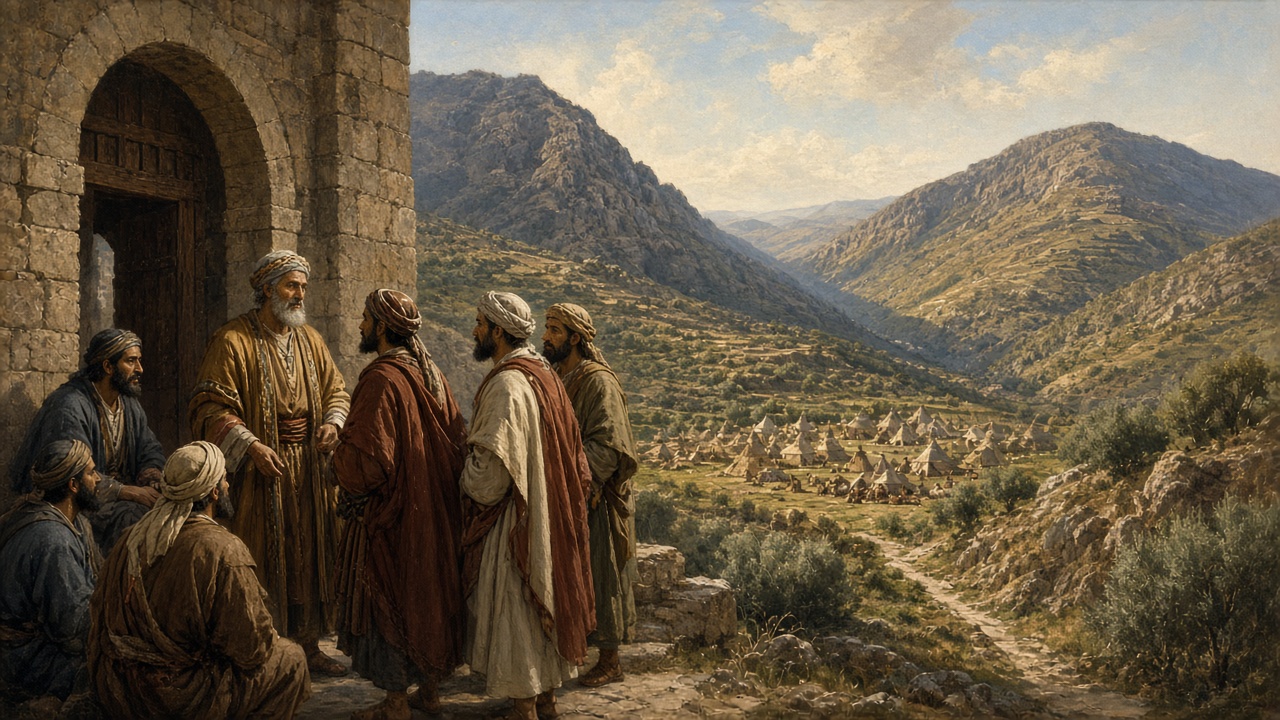
Dinah and the city of Shechem
- Dinah, daughter of Jacob and Leah and sister of Simeon and Levi, was taken by force by Shechem, son of Hamor the Hivite. Simeon and Levi then killed Hamor, Shechem, and the men of the city; Jacob said they had made him a stench to the Canaanites and Perizzites, and, when dying, he pronounced a malediction against Simeon.Sources: Dinah · Simeon · the Bible text itself
- The city of Shechem lay in a narrow, sheltered valley between Mount Ebal on the north and Mount Gerizim on the south, only some five hundred yards apart at their base. After returning from Mesopotamia, Jacob bought a parcel of a field there from the children of Hamor. Hamor's name is explained as meaning 'he-ass,' and Acts 7:16 calls him Emmor.Sources: Shechem · Hamor
- The Hivites were one of the peoples scattered from Hermon to Gibeon in the south; the name is interpreted as 'midlanders' or 'villagers,' and they were probably a branch of the Hittites. Hamor the Hivite is described as prince of the land at the time of Jacob's return, and the narrative calls his son Shechem the most respected of all his father's household.Sources: Hivite · the Bible text itself
Notes written with AI assistance from open sources (Theographic Bible Metadata, CC BY-SA 4.0; Easton’s Bible Dictionary, public domain) and reviewed before publishing.
Credits and license for this translation
Ãcõrẽ Bed̶ea
New Testament in Emberá, Northern (PM:emp:Emberá, Northern)
copyright © 2011 Wycliffe Bible Translators, Inc.
Language: Emberá, Northern
Translation by: Wycliffe Bible Translators, Inc.
Copyright Information
© 2011, Wycliffe Bible Translators, Inc. All rights reserved.
This translation text is made available to you under the
terms of the Creative Commons License: Attribution-Noncommercial-No Derivative Works.
( http://creativecommons.org/licenses/by-nc-nd/3.0/ )
In addition, you have permission to port the text to different file formats, as long as you
do not change any of the text or punctuation of the Bible.
You may share, copy, distribute, transmit, and extract portions
or quotations from this work, provided that you include the above copyright
information:
You must give Attribution to the work.
You do not sell this work for a profit.
You do not make any derivative works that change any of the actual words or punctuation of the Scriptures.
Permissions beyond the scope of this license may be
available if you contact
us with your request.
The New Testament
in Emberá, Northern
© 2011, Wycliffe Bible Translators, Inc. All rights reserved.
This translation is made available to you under the terms of the
Creative Commons Attribution-Noncommercial-No Derivatives license 4.0.
You may share and redistribute this Bible translation or extracts from it in any format, provided that:
You include the above copyright and source information.
You do not sell this work for a profit.
You do not change any of the words or punctuation of the Scriptures.
Pictures included with Scriptures and other documents on this site are licensed just for use with those Scriptures and documents.
For other uses, please contact the respective copyright owners.
2014-04-24
Source: http://ebible.org/empNTpo/ · eBible.org