Genesis 26
Ãcõrẽ Bed̶ea · Tap a verse to see its cross-references.
Isara Guerard̶e b̶ad̶a
1Maʌ̃ ewarid̶e Isa druad̶e jarrabada zesia Abrahaʌ̃ ewarid̶e zed̶a quĩrãca. Maʌ̃ carea Isara Guerar purud̶aa wãsia pilisteorã boro Abimelemaa. 2Isa mama b̶ʌd̶e Ãcõrẽra idjimaa zeped̶a jarasia:
–Egipto druad̶aa wãrãdua, ãtebʌrʌ mʌ̃a jarabʌrʌ druad̶e b̶edua. 3Bʌra drua ãĩbemamĩna nama b̶edua. Mʌ̃ra bʌ ume b̶aya. Mʌ̃a bʌra carebaya: mʌ̃a bʌ́a, bʌ warrarãa bid̶a naʌ̃ druara diaya. Mãwã mʌ̃a bʌ zeza Abrahaʌ̃a wãrãneba jarad̶ara oya. 4Mʌ̃a bʌ warrarãra zocãrã yõbiya bajãne chĩdau zocãrã panʌ quĩrãca. Mʌ̃a jũma naʌ̃ druara bʌd̶eba yõbʌdarãa diaya idjab̶a mʌ̃a bʌd̶eba yõbʌrʌd̶eba naʌ̃ ẽjũãne b̶ea purura jũma carebaya. 5Mʌ̃a mãwã oya Abrahaʌ̃ba mʌ̃ bed̶eara jũma ĩjã od̶a bẽrã; mʌ̃a obid̶ada, mʌ̃a jara b̶ʌd̶ada, mʌ̃a jaradiad̶ada, mʌ̃ ley sid̶a idjia jũma ĩjã osia.–
6Maʌ̃ bẽrã Isara Guerar purud̶e b̶esia. 7Maʌ̃ne Guerard̶ebemarãba Isaa dji quima Rebecad̶ebemada iwid̶isid̶aa, idjira quĩrãwãrẽã b̶ʌ bẽrã. Maʌ̃ carea Isara ne wayasia. Idub̶a crĩcha b̶esia mʌ̃ quimaana aibʌrʌ, mʌ̃ra bead̶isicada edad̶i carea. Maʌ̃ carea ãdjia iwid̶ibʌdad̶e panubadjia: “Idjira mʌ̃ djabawẽrãa.”
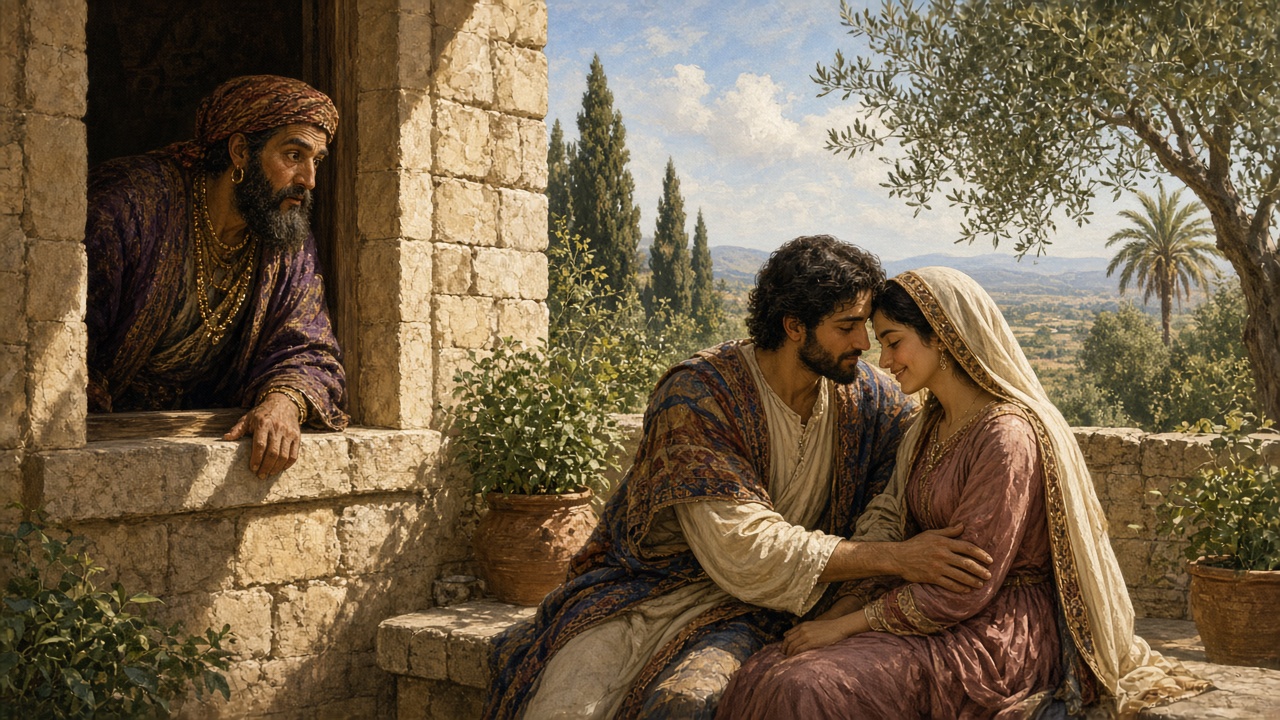
8Isa mama dãrã b̶ʌd̶e pilisteorã boro Abimeleba dajadaa acʌbadad̶eba unusia Isaba idji quima Rebecara yãga nũmʌda. 9Maʌ̃ bẽrã Abimeleba Isara trʌ̃biped̶a jarasia:
–Jãʌ̃ wẽrãra wãrãda bʌ quimaa. ¿Cãrẽ cãrẽã bʌa jarasi bʌ djabawẽrãda?–
Isaba panusia:
–Mʌ̃a crĩchasia bãrãba mʌ̃ra bead̶ida mʌ̃ quima edad̶i carea.–
10Abimeleba jarasia:
–¿Cãrẽ cãrẽã jãwã osi? Mʌ̃ purud̶ebemarã ab̶aʌda bʌ quima ume cãĩnabara, bʌabʌrʌ daia maʌ̃ cadjiruara obicasia.–
11Maʌ̃ bẽrã Abimeleba idji ẽberãrãa jarasia:
–Bariduaba Isada mĩã sẽibʌrʌ wa dji quimada mĩã sẽibʌrʌ, maʌ̃ ẽberãra beuida b̶ʌa.–
12Maʌ̃ druad̶e Isara ne úsia. Ab̶ari poad̶e idjia waib̶ʌa ewasia, Ãcõrẽba idjira ne jũmane careba b̶ad̶a bẽrã. 13Mãwã idjira bio bara b̶esia. 14Ovejada, pacada, nezocarã sid̶a zocãrã erob̶esia. Maʌ̃ carea pilisteorãra idji ume biẽ́ panesid̶aa. 15Idji zeza Abrahaʌ̃ zocai b̶asid̶e Abrahaʌ̃ nezocarãba baido juebada uriada corocuasid̶aa. Baribʌrʌ pilisteorãra Isa ume biẽ́ panʌ bẽrã maʌ̃ baido juebada uriara jũma egoroba ãnãcuasid̶aa. 16Maʌ̃be dji boro Abimeleba Isaa jarasia:
–Dai tãẽnabemada ãyã wãdua, bʌra dairã cãyãbara dji dromaara b̶ebʌrʌ bẽrã.–
17Ara maʌ̃da Isara Guerar purud̶e b̶ad̶ada ãyã wãsia. Guerar jewed̶ad̶e jũẽped̶a idji wua dera oped̶a mama b̶esia. 18Abrahaʌ̃ wad̶i zocai b̶asid̶e idjia baido juebada uriada mama corobicuasia. Idji beud̶acarea pilisteorãba maʌ̃ baido juebada uriara egoroba jũma ãnãcuasid̶aa. Baribʌrʌ Isa mama b̶ad̶e zesid̶e waya corobicuaped̶a ab̶ari trʌ̃da b̶ʌcuasia dji zezaba naẽna b̶ʌd̶ada.
19Ewari ab̶a Isa nezocarãba dji jewed̶ad̶e coro panasid̶aa. Coro panʌne baido ʌ̃taa bogadrʌ b̶ʌda unusid̶aa. 20Baribʌrʌ maʌ̃ baido carea Guerard̶ebema oveja wagabadada Isa oveja wagabada ume ijarasid̶aa. Guerard̶ebemarãba jarasid̶aa:
–Naʌ̃ baidora dairãnea.–
Maʌ̃ carea ijaraped̶ad̶a bẽrã Isaba baido juebada uriara trʌ̃ b̶ʌsia Esec. 21Mãwãnacarea Isa nezocarãba dewara baido juebada uriada corosid̶aa. Baribʌrʌ maʌ̃ carea bid̶a ijarasid̶aa. Maʌ̃ baido juebada uriara trʌ̃ b̶ʌsia Sitna.
22Maʌ̃be Isara mamabemada ãyã b̶ad̶e wãsia. Mama dewara baido juebada uriada corosia. Maʌ̃ baido carea ijarad̶aẽ́ basía. Maʌ̃ne Isaba jarasia:
–Ʌ̃rãbʌrʌ Ãcõrẽba dadjirãra bia b̶ʌsia naʌ̃gʌ ẽjũãne ne bara paneni carea.–
Mãwã dji baido juebada uriara trʌ̃ b̶ʌsia Rehobo.
23Mamaʌba Beersebád̶aa wãsia. 24Maʌ̃ diamasi Ãcõrẽra Isama odjaped̶a nãwã jarasia:
Mʌ̃ra bʌ zeza Abrahaʌ̃ba ĩjã b̶ad̶a Ãcõrẽa. Ne wayarãdua. Mʌ̃ra bʌ ume b̶ʌa.
Mʌ̃a bʌra nãwã careba b̶aya: bʌ warrarãra mʌ̃a zocãrã yõbiya mʌ̃ nezoca Abrahaʌ̃ra carebayad̶a ad̶a bẽrã.
25Ãcõrẽda mama odjad̶a bẽrã Isaba mõgarada ʌ̃tʌ pã bueped̶a idjía ewari iwid̶isia. Maʌ̃be idji wua dera osia mama dãrã b̶ai carea. Idjab̶a idji nezocarãba mama baido juebada uriada corosid̶aa.
Isaba Abimele ume bed̶ea b̶ʌd̶a
26Ewari ab̶a Guerar purud̶ebema boro Abimelera Isamaa zesia. Abimelera zesia idji crĩcha diabari Ahuzat ume, idji djõbadarã boro Picol ume bid̶a. 27Maʌ̃ne Isaba Abimelea jarasia:
–Bãrãba mʌ̃ra unu ama panana bẽrã, bãrã tãẽnabemada ãyã jʌretasid̶aa. Maʌ̃da ¿cãrẽ cãrẽã mʌ̃maa ze panʌ?–
28Maʌ̃ne ãdjia panusid̶aa:
–Daiba unu panʌa Ãcõrẽra bʌ ume b̶ʌda. Maʌ̃ carea daiba crĩcha panʌa bʌ ume necai panani carea bed̶eada b̶ʌd̶ida. Daiba bʌra necai wãbisid̶aa idjab̶a bʌ ume ab̶abe biada osid̶aa. Maʌ̃ bẽrã wãrãneba nãwã bed̶ea b̶ʌd̶ia: daiba bʌ mĩã sẽnaẽ́ panʌ quĩrãca bʌa bid̶a daira mĩã sẽẽ́da. Wãrãda Ãcõrẽba bʌra bio careba b̶ʌa.–
30Maʌ̃ carea Isaba b̶ʌsrid̶a ne cobada waib̶ʌada oped̶a ãdjirãra ne codruasid̶aa. 31Nurẽma pirab̶arid̶aped̶a wãrãneba bed̶ea b̶ʌsid̶aa necai panani carea. Maʌ̃be Isaba ãdjía bia wãnaduad̶a asia. Ãdjirã bid̶a bia b̶eduad̶a ad̶aped̶a wãsid̶aa.
32Maʌ̃misa Isa nezocarãba egoro coro panʌne baidoda unusid̶aa. Ununaped̶a Isamaa jarad̶e zesid̶aa. Idjia maʌ̃gʌ ewarid̶e bed̶ea b̶ʌd̶a carea maʌ̃ baido juebada uriara trʌ̃ b̶ʌsia Sebá. Maʌ̃ carea mamabema purura wad̶ibid̶a Beersebá abadaa.
34Isa warra Esaú cuarenta poa b̶asid̶e Beerí cau Judida edasia. Maʌ̃ awara edasia Eloʌ̃ cau Basemá sid̶a. Maʌ̃ Judira, Basemá sid̶a hitita wẽrãrã basía. 35Maʌ̃ne ãdji umena Isa ume Rebeca ume bid̶a bia pananaca basía.
Did you know?
Isaac in Gerar
- During a famine, Isaac sought refuge with Abimelech, king of Gerar, an ancient town and district on the southern border of Palestine. Easton's Bible Dictionary (1897) notes that Isaac acted toward his wife Rebekah much as his father Abraham had acted toward Sarah there: he said she was his sister. Abimelech later rebuked him when the deception was discovered.Sources: Abimelech (King of Gerar) · Gerar · the Bible text itself
- The names of wells in the Valley of Gerar recall the disputes over them. Esek means “quarrel,” because the herdsmen of Gerar claimed the water, and Sitnah means “strife.” Isaac also reopened wells that his father Abraham’s servants had dug and that the Philistines had stopped up, and he gave them the same names his father had given them.Sources: Esek · Sitnah · the Bible text itself
- Beersheba means “well of the oath” or “well of seven.” According to Easton's Bible Dictionary (1897), Abraham dug a well there and named it after a compact with Abimelech, and Isaac gave it the same name when he reopened it. The dictionary also identifies Phicol—“great”—as chief captain of Abimelech’s army, and says he took part in Abraham’s alliance over that well.Sources: Beersheba · Phichol · the Bible text itself
Notes written with AI assistance from open sources (Theographic Bible Metadata, CC BY-SA 4.0; Easton’s Bible Dictionary, public domain) and reviewed before publishing.
Places in this chapter
- Egypt · 30.129, 31.308 · verse 2
- Valley of Gerar · Today: about 3 km around Tel Haror · 31.382, 34.606 · verses 17, 19
Only places identified with high confidence are shown (90% or more according to the scholarly sources compiled by OpenBible). Period map: DARE (Digital Atlas of the Roman Empire), CC BY 4.0; modern map: © OpenStreetMap contributors; places: OpenBible.info (CC BY 4.0).
Credits and license for this translation
Ãcõrẽ Bed̶ea
New Testament in Emberá, Northern (PM:emp:Emberá, Northern)
copyright © 2011 Wycliffe Bible Translators, Inc.
Language: Emberá, Northern
Translation by: Wycliffe Bible Translators, Inc.
Copyright Information
© 2011, Wycliffe Bible Translators, Inc. All rights reserved.
This translation text is made available to you under the
terms of the Creative Commons License: Attribution-Noncommercial-No Derivative Works.
( http://creativecommons.org/licenses/by-nc-nd/3.0/ )
In addition, you have permission to port the text to different file formats, as long as you
do not change any of the text or punctuation of the Bible.
You may share, copy, distribute, transmit, and extract portions
or quotations from this work, provided that you include the above copyright
information:
You must give Attribution to the work.
You do not sell this work for a profit.
You do not make any derivative works that change any of the actual words or punctuation of the Scriptures.
Permissions beyond the scope of this license may be
available if you contact
us with your request.
The New Testament
in Emberá, Northern
© 2011, Wycliffe Bible Translators, Inc. All rights reserved.
This translation is made available to you under the terms of the
Creative Commons Attribution-Noncommercial-No Derivatives license 4.0.
You may share and redistribute this Bible translation or extracts from it in any format, provided that:
You include the above copyright and source information.
You do not sell this work for a profit.
You do not change any of the words or punctuation of the Scriptures.
Pictures included with Scriptures and other documents on this site are licensed just for use with those Scriptures and documents.
For other uses, please contact the respective copyright owners.
2014-04-24
Source: http://ebible.org/empNTpo/ · eBible.org