Genesis 21
Ãcõrẽ Bed̶ea · Tap a verse to see its cross-references.
Isa tod̶a
1Mãwãnacarea Ãcõrẽba Sarara carebasia idjia wãrãneba jarad̶a quĩrãca. 2Abrahaʌ̃ra bio drõãda b̶ʌmĩna Sarara b̶iogoa b̶eped̶a Ãcõrẽba jarad̶a ewarid̶e warrada tosia. 3Saraba warra tod̶ara Abrahaʌ̃ba trʌ̃ b̶ʌsia Isa. 4Idji warra Isa ocho ewari b̶ʌd̶e Abrahaʌ̃ba Isa cacuara wẽãgosia Ãcõrẽba jara b̶ʌd̶a quĩrãca. 5Abrahaʌ̃ra cien poa b̶asia idji warra Isa tosid̶ad̶e. 6Maʌ̃ne Saraba crĩchasia: “Ãcõrẽba mʌ̃ra ipid̶abi b̶ʌa. Bariduaba mʌ̃ warra tod̶ad̶ebemada ũrĩnibʌrʌ mʌ̃ carea b̶ʌsrid̶aba ipid̶ad̶ia.” 7Idjab̶a jarasia: “Ni ab̶aʌba crĩchad̶aca basía mʌ̃ra warra toida. Abrahaʌ̃ra drõãda b̶ʌmĩna mʌ̃a idjía warrada to diasia.”
Abrahaʌ̃ba Ismael, Agara sid̶a wãbid̶a
8Ãdji warra Isara warisia. Ju amasid̶e Abrahaʌ̃ba b̶ʌsrid̶a ewari waib̶ʌada osia. 9Mama b̶asia Ismael, Egiptod̶ebema nezocawẽrã Agara warrada. Mãwã b̶ʌd̶e Saraba unusia Ismaelba idji warra Isara biẽ́ ipid̶a jara b̶ʌda. 10Maʌ̃ carea Saraba Abrahaʌ̃a jarasia:
–Jãʌ̃ nezocawẽrãra, idji warra sid̶a jʌretadua. Bʌ beud̶acarea bʌa erob̶ʌd̶ebemara jãʌ̃ Ismaelba mʌ̃ warra ume edaiẽ́ b̶ʌa.–
11Maʌ̃ bed̶ea ũrĩbʌrʌd̶e Abrahaʌ̃ra bio sopua b̶esia Ismael sid̶a idji warra bẽrã. 12Maʌ̃ carea Ãcõrẽba Abrahaʌ̃a jarasia:
–Bʌ warra Ismael carea, bʌ nezocawẽrã carea bid̶a sopuarãdua. Saraba jara b̶ʌra jũma odua, mʌ̃a warrarã diai jarad̶ara Isad̶ebabʌrʌ zed̶i bẽrã. 13Baribʌrʌ bʌ nezocawẽrã warrad̶eba mʌ̃a puru dromada yõbiya, idjira bʌ warra bẽrã.–
14Nurẽma diaped̶ed̶a Abrahaʌ̃ra pirab̶arisia. Maʌ̃be baidoda animarã e od̶ad̶e tʌped̶a maʌ̃ baidora paʌ̃ sid̶a Agaraa diasia. Agara equiad̶e b̶ʌped̶a dji warra Ismael sid̶a diasia. Maʌ̃bebʌrʌ ãdjira wãbisia. Maʌ̃ wãbʌdad̶e baridua nĩbasid̶aa Beersebá ẽjũã ewaraga b̶ʌd̶e. 15Mãwã nĩnane ãdji baidora jõsia. Maʌ̃ carea Agaraba idji warrara bacuru zaque edrecare b̶eesia. 16Nãwã crĩchasia: “Mʌ̃a unu quĩrĩãẽ́ b̶ʌa mʌ̃ warrara beubʌrʌda.” Maʌ̃ bẽrã tʌmʌa arid̶e chũmane wãsia. Mama chũmʌne idji warrara jĩgua jĩã nũmesia.
17Mãwã b̶ʌd̶e Ãcõrẽba dji warrara jĩã b̶ʌda ũrĩsia. Maʌ̃ne bajãneba Ãcõrẽ nezocaba Agarada trʌ̃ jarasia:
–Agara, ¿sãwãsi? Wayarãdua. Ãcõrẽba bʌ warra jĩã b̶ʌda ũrĩ b̶ʌa. 18Piradrʌdua. Bʌ warrara piradrʌ edaped̶a sobiabidua. Mʌ̃a idjid̶eba puru dromada yõbiya.–
19Maʌ̃be Ãcõrẽba Agaraa unubisia egorod̶eba baidoda ʌ̃taa bogadrʌ nũmʌda. Ara maʌ̃da wãped̶a animarã e od̶ara bira tʌ edasia. Maʌ̃be Ismaelea dawasia.
20Ãcõrẽba Ismaelera carebabadjia. Maʌ̃ba Ismaelera wariped̶a bio cha drʌ cawa b̶esia idjab̶a ẽjũã põãsa ewaraga b̶ʌd̶e b̶abadjia. 21Maʌ̃ ẽjũãra Paraʌ̃ abadjid̶aa. Mãwã b̶ʌd̶e dji papaba Egiptod̶ebema wẽrãda diasia idji quima bamãrẽã.
Abrahaʌ̃ba Abimele ume bed̶ea b̶ʌd̶a
22Maʌ̃ ewarid̶e Abimelera idji djõbadarã boro Picol ume wãsia Abrahaʌ̃ ume bed̶ead̶e. Abimeleba Abrahaʌ̃a jarasia:
–Bʌa ne jũma obʌrʌza Ãcõrẽba bʌra carebabaria. 23Maʌ̃ carea mʌ̃a quĩrĩã b̶ʌa bʌa Ãcõrẽ quĩrãpita wãrãneba jaraida bʌa mʌ̃ra, mʌ̃ warrarãra, ãdjirãneba yõbʌdarã sid̶a cũrũgaẽ́da. Bʌra drua ãĩbemamĩna mʌ̃a bʌra bia o b̶ʌa. Maʌ̃ bẽrã wãrãneba jaradua bʌa bid̶a mʌ̃ra idjab̶a mʌ̃ druad̶ebemarã sid̶a bia o b̶aida.–
24Abrahaʌ̃ba panusia:
–Mʌ̃a wãrãneba jaraya bãrãra bia o b̶aida.–
25Maʌ̃ ewarid̶e Abrahaʌ̃ba baido juebada uriada coro erob̶asia. Baribʌrʌ maʌ̃gʌra Abimele nezocarãba jãrĩsid̶aa. Maʌ̃nebemada Abrahaʌ̃ba Abimelea jarasia. 26Maʌ̃ne Abimeleba panusia:
–Mʌ̃a adua b̶ʌa caiba mãwã osida. Id̶ibe mʌ̃a maʌ̃nebemada ũrĩbʌrʌa, bʌa mʌ̃́a jaraẽ́ b̶ad̶a bẽrã.–
27Maʌ̃ ewarid̶e ãdji umérãba bed̶ea b̶ʌsid̶aa. Maʌ̃ne Abrahaʌ̃ba ovejada, paca sid̶a zocãrã eneped̶a Abimelea diasia. 28Maʌ̃be oveja wẽrãda siete awara b̶ʌsia. 29Maʌ̃ carea Abimeleba Abrahaʌ̃a iwid̶isia:
–¿Cãrẽ cãrẽã za panʌ oveja wẽrãra siete awara b̶ʌsi?–
30Abrahaʌ̃ba panusia:
–Naʌ̃ siete oveja mʌ̃a diabʌrʌda bʌa edaibʌrʌ, cawabiya mʌ̃abʌrʌ maʌ̃ baido juebada uriara corosida.–
31Umérãba bed̶ea b̶ʌped̶ad̶a bẽrã maʌ̃ baido juebada uria trʌ̃ra Beersebá b̶esia.
32Beersebád̶e bed̶ea b̶ʌped̶ad̶acarea Abimelera idji djõbadarã boro Picol ume jẽda wãsid̶aa ãdji panabadamaa pilisteorã druad̶e. 33Maʌ̃be Beersebád̶e Abrahaʌ̃ba tamarisco bacuruda u b̶ʌsia. Mama Ãcõrẽ beucaa ewari iwid̶isia. 34Abrahaʌ̃ra pilisteorã druad̶e dãrã b̶esia.
Did you know?
Isaac’s birth, Hagar’s departure, and Beersheba
- Abraham was a hundred years old when Sarah bore him Isaac, their only son together, and he circumcised the child at eight days old, as God had commanded. Sarah said that God had made her laugh, and that everyone who heard of this would laugh with her. Easton's Bible Dictionary (1897) notes that a great feast was held when Isaac was weaned, probably when he was about two years old.Sources: the Bible text itself · Isaac
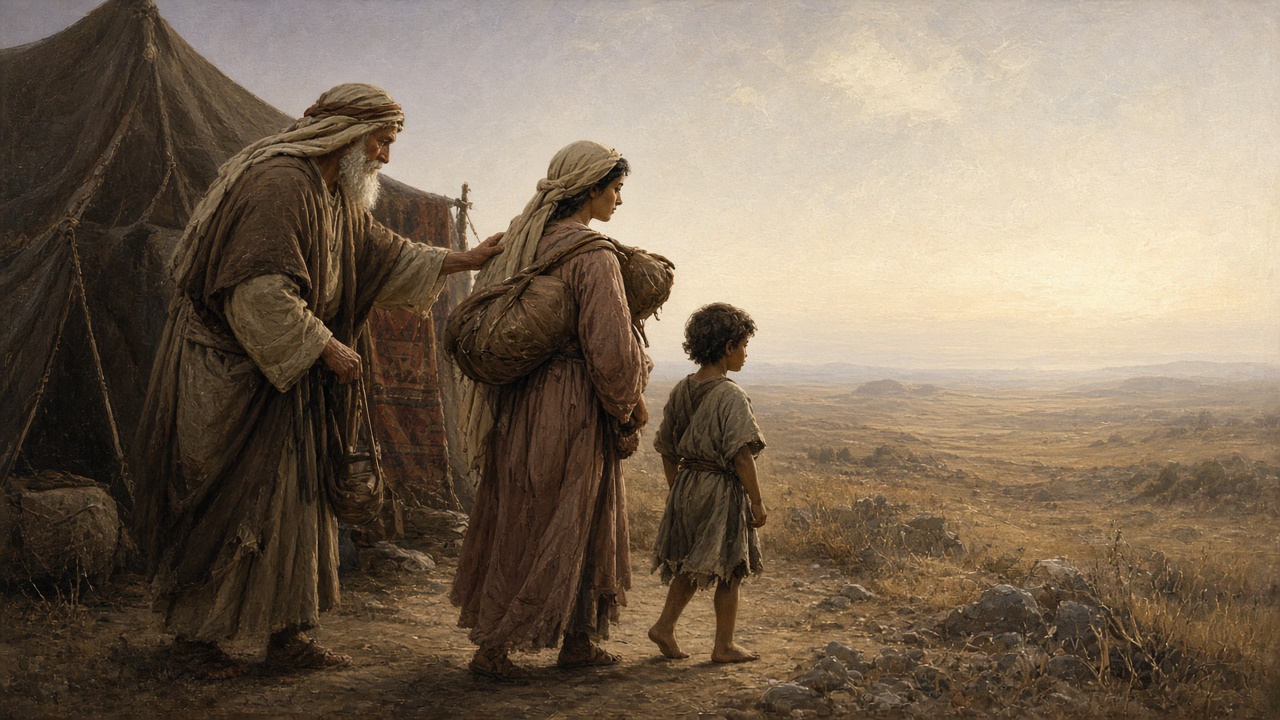
- Hagar, whose name is explained as “flight” or, according to others, “stranger,” was an Egyptian and Sarah’s handmaid, whom Sarah gave to Abraham as a secondary wife. After Isaac’s birth, Abraham sent Hagar and their son Ishmael into the Wilderness of Beersheba with bread and a skin of water. Ishmael later settled in the Wilderness of Paran, a desert tract in the northeastern Sinai Peninsula between the Arabah on the east and the wilderness of Shur on the west, became a great archer, and his mother got him a wife from Egypt.Sources: the Bible text itself · Hagar · Paran
- Beersheba, “well of the oath” or “well of seven,” was named when Abraham and Abimelech swore an oath there over a well that Abraham said he had dug; he set apart seven ewe lambs as a witness, and the two made a covenant. Phicol, chief captain of the army of Abimelech, the Philistine king of Gerar, entered that alliance with Abraham. Abraham then planted a tamarisk at Beersheba and lived for a long time in the land of the Philistines.Sources: the Bible text itself · Beersheba · Phichol
Notes written with AI assistance from open sources (Theographic Bible Metadata, CC BY-SA 4.0; Easton’s Bible Dictionary, public domain) and reviewed before publishing.
Places in this chapter
Only places identified with high confidence are shown (90% or more according to the scholarly sources compiled by OpenBible). Period map: DARE (Digital Atlas of the Roman Empire), CC BY 4.0; modern map: © OpenStreetMap contributors; places: OpenBible.info (CC BY 4.0).
Credits and license for this translation
Ãcõrẽ Bed̶ea
New Testament in Emberá, Northern (PM:emp:Emberá, Northern)
copyright © 2011 Wycliffe Bible Translators, Inc.
Language: Emberá, Northern
Translation by: Wycliffe Bible Translators, Inc.
Copyright Information
© 2011, Wycliffe Bible Translators, Inc. All rights reserved.
This translation text is made available to you under the
terms of the Creative Commons License: Attribution-Noncommercial-No Derivative Works.
( http://creativecommons.org/licenses/by-nc-nd/3.0/ )
In addition, you have permission to port the text to different file formats, as long as you
do not change any of the text or punctuation of the Bible.
You may share, copy, distribute, transmit, and extract portions
or quotations from this work, provided that you include the above copyright
information:
You must give Attribution to the work.
You do not sell this work for a profit.
You do not make any derivative works that change any of the actual words or punctuation of the Scriptures.
Permissions beyond the scope of this license may be
available if you contact
us with your request.
The New Testament
in Emberá, Northern
© 2011, Wycliffe Bible Translators, Inc. All rights reserved.
This translation is made available to you under the terms of the
Creative Commons Attribution-Noncommercial-No Derivatives license 4.0.
You may share and redistribute this Bible translation or extracts from it in any format, provided that:
You include the above copyright and source information.
You do not sell this work for a profit.
You do not change any of the words or punctuation of the Scriptures.
Pictures included with Scriptures and other documents on this site are licensed just for use with those Scriptures and documents.
For other uses, please contact the respective copyright owners.
2014-04-24
Source: http://ebible.org/empNTpo/ · eBible.org