Genesis 17
Ãcõrẽ Bed̶ea · Tap a verse to see its cross-references.
Ãcõrẽba Abraʌ̃ra cacua wẽãgobid̶a
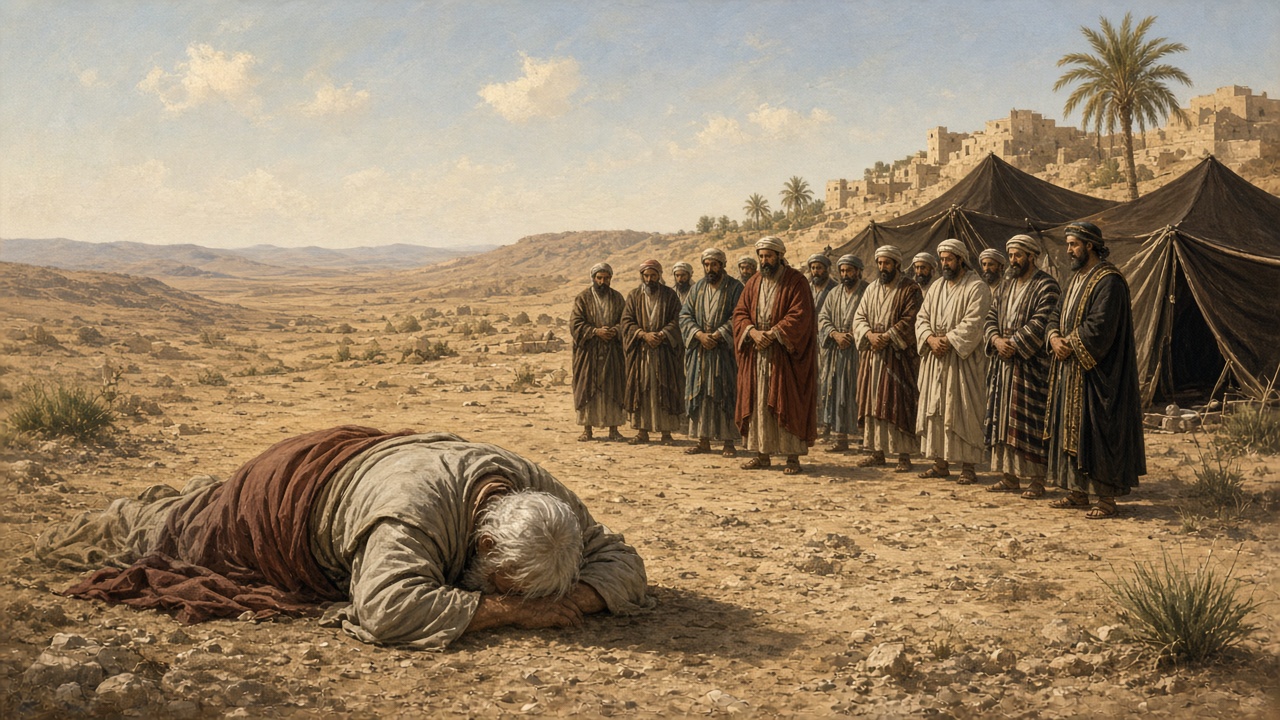
1Abraʌ̃ 99 poa b̶asid̶e Ãcõrẽra idjima odjaped̶a nãwã jarasia:
–Mʌ̃ra ne jũma poya obari Ãcõrẽa. Bʌra mʌ̃ quĩrãpita jipa nĩbadua. 2Mʌ̃a bʌ ume bed̶ea b̶ʌd̶ara wãrãda oya. Mãwã bʌd̶eba zocãrã yõbiya.–
3Ara maʌ̃da Abraʌ̃ba Ãcõrẽra bio waya b̶ʌ bẽrã chĩrãborod̶e cob̶eped̶a idji dratura egorod̶aa b̶arru tẽũ cob̶esia. Maʌ̃ne Ãcõrẽba jarasia:
4–Mʌ̃a bʌ ume bed̶ea b̶ʌd̶ara naʌ̃gʌa: bʌra zocãrã puru zeza baya. 5Maʌ̃ bẽrã bʌra waa Abraʌ̃ ad̶aẽ́a. Id̶iba ʌ̃taa bʌ trʌ̃ra Abrahaʌ̃ ad̶ia, mʌ̃a bʌra zocãrã puru zezada b̶ʌbʌrʌ bẽrã. 6Mʌ̃a bʌd̶eba zocãrã yõbiya; bʌd̶eba mʌ̃a puruda zocãrã ocuaya. Idjab̶a bʌd̶eba ẽberãrã bororãda odjad̶ia. 7Mʌ̃a bʌ ume, bʌd̶eba yõbʌda ume bid̶a bed̶ea b̶ʌd̶ara naʌ̃gʌa: mʌ̃ra ewariza bʌ Ãcõrẽa idjab̶a ãdjirã Ãcõrẽ baya. Mʌ̃a bãrãra waga b̶aya idjab̶a bãrãba mʌ̃ra ẽpẽ panania. 8Idjab̶a bʌ b̶abari ẽjũãra bʌ́a, bʌd̶eba yõbʌdarãa bid̶a mʌ̃a diaya. Mʌ̃a bãrãa jũma Canaaʌ̃ druara diaya ewariza bãrãne bamãrẽã. Maʌ̃ne mʌ̃drʌ bãrã Ãcõrẽ baya.–
9Idjab̶a Ãcõrẽba Abrahaʌ̃a jarasia:
–Mʌ̃a bʌ ume bed̶ea b̶ʌd̶a bẽrã, bʌa ne oida b̶ʌa. Idjab̶a id̶iba ʌ̃taa bʌ warrarãba, ãdjid̶eba yõbʌdarã bid̶a ab̶arica od̶ida panʌa. Bãrãba nãwã od̶ida panʌa: bãrã tãẽnabema umaquĩrãrã jũmarãba ãdji cacuara wẽãgod̶ida panʌa. 11Bãrã umaquĩrã cacua wẽãgod̶ara mʌ̃a bãrã ume bed̶ea b̶ʌd̶a sẽyã baya. 12Id̶iba ʌ̃taa umaquĩrã warrada tod̶ibʌrʌ, ocho ewari b̶ʌd̶e idji cacuara wẽãgod̶ida panʌa. Maʌ̃ awara nezoca warrarã bãrã ded̶e tobʌdarãda idjab̶a ãĩbema nẽdod̶a nezocarã sid̶a cacua wẽãgod̶ida panʌa. Mãwã mʌ̃a bãrã ume bed̶ea b̶ʌd̶a sẽyãra ara bãdji cacuad̶e erob̶ead̶ia. Mʌ̃a bed̶ea b̶ʌd̶ara ewariza mãwã b̶aya. 14Maʌ̃ carea baridua umaquĩrãba idji cacuada wẽãgoẽ́bʌrʌ, maʌ̃ ẽberãra bãrãnebemada ãyã b̶ʌd̶ida panʌa, mʌ̃a bãrã ume bed̶ea b̶ʌd̶ara igara b̶ʌ bẽrã.–
15Maʌ̃ awara Ãcõrẽba Abrahaʌ̃a jarasia:
–Mʌ̃a bʌ quima Saraira nãwã bia b̶ʌya: idjid̶eba mʌ̃a bʌ́a warrada wãrãda diaya. Maʌ̃ awara idjid̶eba puruda zocãrã yõnia idjab̶a idjid̶eba ẽberãrã bororãda odjad̶ia. Maʌ̃ carea bʌ quimara waa Sarai arãdua, ãtebʌrʌ idji trʌ̃ra Sara adua.–
17Maʌ̃be Abrahaʌ̃ba Ãcõrẽra waya b̶ʌ bẽrã chĩrãborod̶e cob̶eped̶a idji dratura egorod̶e b̶arru tẽũ cob̶esia. Baribʌrʌ ipid̶asia. Idji sod̶e crĩchasia: “Ẽberã cien poa b̶ʌba ¿sãwã warrada oi? Sara noventa poa b̶ʌda ¿sãwã mãwã b̶iogoa b̶ei?”
18Maʌ̃ne Abrahaʌ̃ba Ismaeld̶ebemada crĩchasia. Maʌ̃ bẽrã Abrahaʌ̃ba Ãcõrẽa jarasia:
–¡Ismaelda bʌ quĩrãpita bia b̶ʌbara bia b̶acasia!–
19Maʌ̃ne Ãcõrẽba panusia:
–Mãwãẽ́a. Bʌ quima Sarabʌrʌ umaquĩrã warrada bʌ́a to diaya. Bʌa idji trʌ̃ra b̶ʌdua Isa. Mʌ̃a bʌ ume bed̶ea b̶ʌd̶ara jõca baya. Maʌ̃ bẽrã maʌ̃ bed̶eara idjab̶a Isa itea b̶aya, idjid̶eba yõbʌdarã itea bid̶a. 20Idjab̶a bʌ warra Ismaeld̶ebema jarad̶ara mʌ̃a ũrĩsia. Mʌ̃a idji sid̶a bia b̶ʌya. Maʌ̃ bẽrã warra zocãrã unubiya. Mãwã idjid̶eba ẽberãrã zocãrã yõnia. Idjia doce warra dji dromarãda unuya. Mãwã mʌ̃a idjid̶eba puru waib̶ʌada oya. 21Baribʌrʌ mʌ̃a bʌ ume bed̶ea b̶ʌd̶ara Isa itea b̶aya. Id̶iba poa ab̶a babʌrʌd̶e Isara Saraba bʌ́a to diaya.–
22Ãcõrẽra Abrahaʌ̃ ume bed̶ea b̶aped̶a wãsia. 23Ara maʌ̃ ewarid̶e Abrahaʌ̃ba idji warra Ismaelda, nezocarã idji ded̶e toped̶ad̶arãda, idjia nẽdod̶a nezocarã sid̶a trʌ̃cuaped̶a Ãcõrẽba jarad̶a quĩrãca jũmarãda cacua wẽãgocuasia. 24Abrahaʌ̃ra 99 poa b̶asia idji cacua wẽãgosid̶e. 25Dji warra Ismaelera trece poa b̶asia idji cacua wẽãgosid̶e. 26Abrahaʌ̃ cacua wẽãgosid̶e ab̶ari ewarid̶e dji warra Ismael sid̶a cacua wẽãgosia. 27Jũma umaquĩrãrã idji ded̶e panabadada, nezocarã idji ded̶e toped̶ad̶ada, ãĩbemarã nẽdod̶arã sid̶a ab̶ari ewarid̶e cacua wẽãgosid̶aa.
Did you know?
Covenant, New Names, and Circumcision
- At ninety-nine, Abram received the name Abraham. Easton's Bible Dictionary (1897) explains Abraham as “Father of a multitude,” matching the promise that he would be the father of many nations. Sarai was renamed Sarah, “Princess,” when it was announced that she would be the mother of the promised child.Sources: the Bible text itself · Abraham · Sarah
- That same day Abraham and Ishmael were circumcised, at ninety-nine and thirteen, along with every male born in the household or bought from a foreigner. Ishmael, Abraham’s son by Hagar, had been born at Mamre when Abraham was eighty-six. The sign was required for every male at eight days old, and Isaac, promised to Sarah for the next year, was later circumcised at that age.Sources: the Bible text itself · Ishmael (Son of Hagar) · Isaac
- In this chapter the land of Canaan, where Abraham was living, is promised to him and his descendants as an eternal possession. The country took its name from Canaan, a son of Ham. Easton's Bible Dictionary (1897) says Phoenician use first limited the name to the coastal plain where Sidon stood, while in the time of Moses and Joshua it meant the whole land west of the Jordan and the Dead Sea; the name signifies “the lowlands,” unlike Gilead, the hill country east of the Jordan.Sources: the Bible text itself · Canaan · Canaan
Notes written with AI assistance from open sources (Theographic Bible Metadata, CC BY-SA 4.0; Easton’s Bible Dictionary, public domain) and reviewed before publishing.
Places in this chapter
- Canaan · 32.767, 35.333 · verse 8
Only places identified with high confidence are shown (90% or more according to the scholarly sources compiled by OpenBible). Period map: DARE (Digital Atlas of the Roman Empire), CC BY 4.0; modern map: © OpenStreetMap contributors; places: OpenBible.info (CC BY 4.0).
Credits and license for this translation
Ãcõrẽ Bed̶ea
New Testament in Emberá, Northern (PM:emp:Emberá, Northern)
copyright © 2011 Wycliffe Bible Translators, Inc.
Language: Emberá, Northern
Translation by: Wycliffe Bible Translators, Inc.
Copyright Information
© 2011, Wycliffe Bible Translators, Inc. All rights reserved.
This translation text is made available to you under the
terms of the Creative Commons License: Attribution-Noncommercial-No Derivative Works.
( http://creativecommons.org/licenses/by-nc-nd/3.0/ )
In addition, you have permission to port the text to different file formats, as long as you
do not change any of the text or punctuation of the Bible.
You may share, copy, distribute, transmit, and extract portions
or quotations from this work, provided that you include the above copyright
information:
You must give Attribution to the work.
You do not sell this work for a profit.
You do not make any derivative works that change any of the actual words or punctuation of the Scriptures.
Permissions beyond the scope of this license may be
available if you contact
us with your request.
The New Testament
in Emberá, Northern
© 2011, Wycliffe Bible Translators, Inc. All rights reserved.
This translation is made available to you under the terms of the
Creative Commons Attribution-Noncommercial-No Derivatives license 4.0.
You may share and redistribute this Bible translation or extracts from it in any format, provided that:
You include the above copyright and source information.
You do not sell this work for a profit.
You do not change any of the words or punctuation of the Scriptures.
Pictures included with Scriptures and other documents on this site are licensed just for use with those Scriptures and documents.
For other uses, please contact the respective copyright owners.
2014-04-24
Source: http://ebible.org/empNTpo/ · eBible.org