Exodus 29
Ãcõrẽ Bed̶ea · Tap a verse to see its cross-references.
Sacerdoterã b̶ʌmãrẽã Ãcõrẽba obi jarad̶a
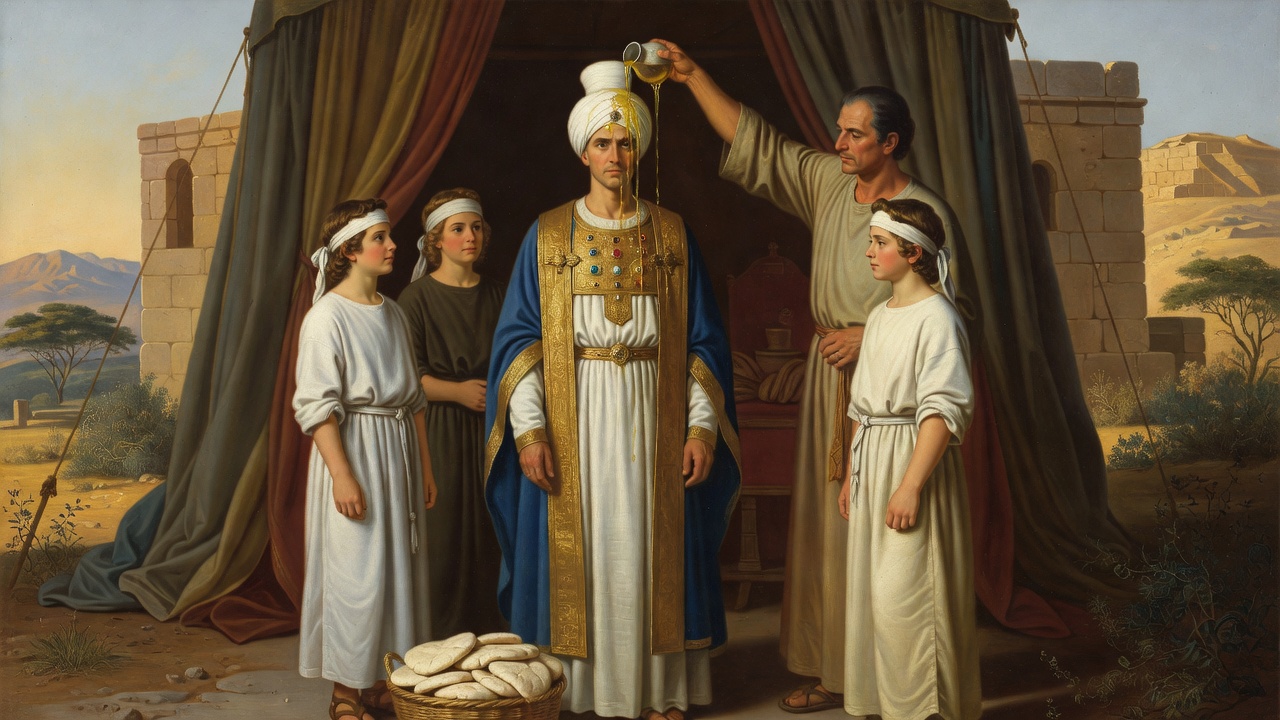
1Aaroʌ̃ra, idji warrarã sid̶a mʌ̃ sacerdoterãda b̶ʌi carea bʌa nãwã oida b̶ʌa: paca zaque dji umaquĩrãda ab̶a, oveja dji umaquĩrãda umé edadua. Maʌ̃ animarãra dji biara b̶ʌdrʌ b̶ead̶ida panʌa. 2Idjab̶a dji biara b̶ʌ harina trigod̶eda edaped̶a paʌ̃ ẽsãbari neẽ́ b̶eada quĩrã cacua ũbea odua; ʌ̃cʌrʌ harina awa qued̶eada, ʌ̃cʌrʌ nedraga bara b̶eada, idjab̶a ʌ̃cʌrʌ nedragaba ʌ̃rʌ̃ pʌrʌd̶ada. 3Maʌ̃ paʌ̃ra jamarad̶e b̶ʌped̶a mʌ̃ wua ded̶aa ededua. Paca zaquera, oveja sid̶a ededua. 4Aaroʌ̃ra idji warrarã sid̶a mʌ̃ wua ded̶e ed̶a wãbadamaa ededua. Mama ãdjirãra baidoba sʌgʌdua. 5Maʌ̃be Aaroʌ̃ba jʌ̃mãrẽã oped̶ad̶ara idjía jʌ̃bidua. Idjia wẽãju jʌ̃ida b̶ʌ torroa b̶ʌda naãrã jʌ̃bidua. Maʌ̃ ʌ̃rʌ̃ dji pãwãrã b̶ʌda jʌ̃bidua. Maʌ̃ ʌ̃rʌ̃ idji jãare jʌ̃ida b̶ʌra jʌ̃biped̶a cʌrrʌ trãjʌ̃bariba trãjʌ̃ cob̶ʌdua. Maʌ̃be idji so ʌ̃rʌ̃ “mʌ̃a quĩrĩã b̶ʌ cawabibarida” jʌ̃ cob̶ʌdua. 6Idji borod̶e jʌ̃ida b̶ʌra jʌ̃biped̶a idji dratud̶e jʌ̃ida b̶ʌ oro pewed̶ea od̶ada jʌ̃ cob̶ʌdua. 7Maʌ̃be Aaroʌ̃ boro ʌ̃rʌ̃ olivo draga quera bara b̶ʌda weadua sacerdote dji dromada b̶ʌi carea. 8Idjab̶a Aaroʌ̃ warrarã sid̶a trʌ̃ped̶a ãdjia jʌ̃namãrẽã oped̶ad̶a torroa b̶eada wẽãju jʌ̃bidua. 9Ãdjia jʌ̃ panʌra, Aaroʌ̃ba jʌ̃ b̶ʌ sid̶a cʌrrʌ trãjʌ̃bariba trãjʌ̃ cob̶ʌdua. Ãdjia borod̶e jʌ̃nida panʌ sid̶a jʌ̃bidua. Mãwã oida b̶ʌa ãdjirãra sacerdoterãda b̶ʌbʌrʌd̶e. Ãdjirãdrʌ, ãdji warrarãneba yõbʌdarã sid̶a ewariza mʌ̃ sacerdoterãda b̶ead̶ia.
10Maʌ̃be paca zaqueda mʌ̃ wua ded̶e ed̶a wãbada quĩrãpe eneped̶a Aaroʌ̃ba idji warrarã bid̶a ãdji jʌwara maʌ̃ paca zaque boro ʌ̃rʌ̃ b̶ʌd̶ida panʌa. 11Mama paca zaquera mʌ̃ quĩrãpita beadua. 12Maʌ̃be dji oara piaped̶a bʌ jʌwa jĩwĩnĩra maãrĩ b̶egueaped̶a animarã babue diabada cachu quĩrãca b̶ead̶e soadua. Mãwã soaped̶a oa b̶ed̶ara animarã babue diabada cob̶ʌ caita weadua. 13Maʌ̃be paca zaque b̶ited̶abemada edadua: dji tʌrida, nequimada, idjab̶a cotrua umena dji draga bara. Maʌ̃ra jũma babuedua animarã babue diabadad̶e. 14Maʌ̃ paca zaque cacuara, dji era, dji ã sid̶a ãyã tʌmʌ edeped̶a jũma babuedua. Maʌ̃ animarãra mãwã oida b̶ʌa Aaroʌ̃ba idji warrarã bid̶a cadjirua oped̶ad̶ara mʌ̃a quĩrãdoamãrẽã.
15Mãwãnacarea umébema oveja mʌ̃ wua ded̶e enenada ab̶a edaped̶a Aaroʌ̃ba idji warrarã bid̶a ãdji jʌwara maʌ̃ oveja boro ʌ̃rʌ̃ b̶ʌd̶ida panʌa. 16Maʌ̃be beabʌrʌd̶e dji oara piadua. Maʌ̃ oaba jĩãpodua animarã babue diabada ʌ̃rʌ̃ idjab̶a orrocawa bid̶a. 17Maʌ̃be ovejara drapetaped̶a tʌcuadua. Dji jĩrũra, dji jʌ̃si sid̶a sʌgʌped̶a jũma ãbaa buedua dji boro bara. 18Maʌ̃be animarã babue diabadad̶e jũma mʌ̃́a babue diadua. Maʌ̃ra mʌ̃a bia unuya.
19Oveja b̶ed̶ara edaped̶a Aaroʌ̃ba idji warrarã bid̶a ãdji jʌwara oveja boro ʌ̃rʌ̃ b̶ʌd̶ida panʌa. 20Maʌ̃be beabʌrʌd̶e dji oara piaped̶a soadua Aaroʌ̃ jʌwa araarebema cʌwʌrʌ id̶e, idji jʌwa araarebema jʌwapapad̶e, idjab̶a idji jʌwa araarebema jĩrũpapad̶e bid̶a. Ara maʌ̃ quĩrãca idji warrarã sid̶a odua. Oa b̶ed̶ara animarã babue diabada orroza jĩãpodua. 21Maʌ̃ oa dji animarã babue diabadad̶e jĩãpod̶ada maãrĩ edaped̶a pueradua olivo draga quera bara b̶ʌd̶aa. Maʌ̃gʌba Aaroʌ̃ ʌ̃rʌ̃, idji warrarã ʌ̃rʌ̃, ãdjia jʌ̃ panʌ ʌ̃rʌ̃ bid̶a jĩãpodua. Mãwã Aaroʌ̃ra, idji warrarãra, ãdjia jʌ̃ panʌ sid̶a mʌ̃ itea b̶ead̶ia. 22Maʌ̃be dji oveja dragada, dji druda, dji tʌrida, nequimada, cotruada umena dji draga bara, idjab̶a jʌwa araarebema chĩde sid̶a edadua. (Bʌa maʌ̃ ovejara beaya Aaroʌ̃ra, idji warrarã sid̶a mʌ̃ sacerdoterãda b̶ʌcuai carea.)
23Idjab̶a mʌ̃ quĩrãpita enena jamarad̶e b̶ʌ paʌ̃ ẽsãbari neẽ́ b̶eada ũbea edadua; ab̶a harina awa od̶ada, ab̶a nedraga bara od̶ada, idjab̶a nedragaba ʌ̃rʌ̃ pʌrʌd̶ada. 24Maʌ̃ paʌ̃ra, dji oveja b̶ited̶abema edad̶ara, dji chĩde sid̶a b̶ʌdua Aaroʌ̃ jʌwad̶e, idji warrarã jʌwad̶e bid̶a. Jũma ãdji jʌwad̶e b̶ʌd̶ara ãdjirãba ʌ̃taa wad̶ida panʌa mʌ̃́a diad̶i carea. 25Ʌ̃taa waped̶ad̶acarea wayacusa edaped̶a jũma babuedua dji animarã babue diabadad̶e oveja naãrã babued̶a ʌ̃rʌ̃. Maʌ̃ babue diabʌrʌra mʌ̃a bia unuya. 26Maʌ̃be oveja jã nocoarebema djarada bʌ jʌwad̶e edaped̶a ʌ̃taa wadua mʌ̃́a diai carea. Ʌ̃taa waped̶a maʌ̃ djarara bʌre baya.
27Id̶iba ʌ̃taa bãrã israelerãba mʌ̃ ume necai b̶ai careabema oveja mʌ̃́a diad̶e zebʌdaza dji jã nocoarebema djarada, jʌwa araarebema chĩde sid̶a Aaroʌ̃ba idji warrarã bid̶a ʌ̃taa wad̶aped̶a ãdji itea edad̶ida panʌa.
29Aaroʌ̃ jaid̶ad̶acarea idjid̶eba yõbʌdarãba idjia jʌ̃ b̶ad̶ara eropanania. Ãdjid̶ebemada ab̶a edad̶aped̶a maʌ̃ra domia ab̶a jʌ̃ b̶aida b̶ʌa sacerdote dji droma bai carea. Mãwãnacarea mʌ̃ wua ded̶e Aaroʌ̃ba ob̶abada quĩrãca o b̶aida b̶ʌa.
31Aaroʌ̃ra mʌ̃ sacerdoteda b̶ʌbʌrʌd̶e oveja jã nocoarebema djarada edaped̶a mʌ̃ wua de aud̶u jũrã b̶ʌd̶e ed̶a djudua. 32Djuped̶a Aaroʌ̃ba idji warrarã bid̶a maʌ̃ oveja djarara, paʌ̃ jamarad̶e b̶ed̶a sid̶a cod̶ida panʌa mʌ̃ wua ded̶e ed̶a wãbada caita. 33Maʌ̃ djarad̶ebemada, paʌ̃nebema sid̶a mʌ̃́a babue diaya ãdjirãra mʌ̃ itea b̶ʌi carea idjab̶a ãdjirãba cadjirua oped̶ad̶ara mʌ̃a quĩrãdoamãrẽã. Maʌ̃ bẽrã ab̶abe ãdjiabʌrʌ maʌ̃ ad̶ubad̶ara cod̶ida panʌa. Maʌ̃ra mʌ̃́a diad̶a bẽrã dewara ẽberãba cocara b̶ʌa. 34Maʌ̃ oveja djara djud̶ara, paʌ̃ sid̶a jũma cod̶aẽ́bʌrʌ nurẽma diaped̶ed̶a dji ad̶ubad̶ara jũma babued̶ida panʌa. Dji ad̶ubad̶ara cocara panʌa maʌ̃ ovejara mʌ̃́a diaped̶ad̶a bẽrã.
35Domia ab̶a mʌ̃a jarad̶a quĩrãca odua Aaroʌ̃ra idji warrarã sid̶a mʌ̃ sacerdoterãda b̶ʌi carea. 36Maʌ̃ne ewariza paca zaque dji umaquĩrãda ab̶a beaped̶a mʌ̃́a babue diadua Aaroʌ̃ba idji warrarã bid̶a cadjirua oped̶ad̶ara mʌ̃a quĩrãdoamãrẽã idjab̶a animarã babue diabadara mʌ̃ quĩrãpita bia b̶ʌmãrẽã. Ewariza animarã babue diabadara olivo draga quera bara b̶ʌba soadua mʌ̃ itea bia b̶ʌmãrẽã. Mãwã animarã babue diabadara mʌ̃ itea bio bia b̶eped̶a bariduaba waraibʌrʌ maʌ̃ sid̶a mʌ̃ itea b̶eya.
Ewariza animarã babue diad̶i jarad̶a
38Ewariza sacerdoterãba animarã babue diabadad̶e oveja zaque poa ab̶a b̶eada umé babue diad̶ida panʌa. 39Diaped̶ed̶a ab̶a babue diad̶ida panʌa, dewarabemara queubʌrʌd̶e babue diad̶ida panʌa. 40Diaped̶ed̶a oveja babue diabʌdad̶e dji biara b̶ʌ harinada eped̶eco jũgurua umé edad̶aped̶a olivo dragad̶aa boteya ab̶a bʌratʌd̶aped̶a maʌ̃ sid̶a mʌ̃́a babue diad̶ida panʌa. Maʌ̃ awara animarã babue diabada ʌ̃rʌ̃ uva b̶ada boteya ab̶a wead̶ida panʌa. Queubʌrʌd̶e oveja babue diabʌdad̶e ara maʌ̃ quĩrãca od̶ida panʌa. Maʌ̃ra mʌ̃a bia unuya.
42Aaroʌ̃ warrarãneba yõbʌdarã bid̶a ara maʌ̃ quĩrãca ovejara mʌ̃ quĩrãpita babue diad̶ida panʌa mʌ̃ wua ded̶e ed̶a wãbada quĩrãpe. Mama mʌ̃ra bãrã israelerãmaa zeped̶a bʌ ume bed̶ea b̶aya. Maʌ̃ne mʌ̃ quĩrãwãrẽã dorrodorroaba jũma mʌ̃ wua de aud̶u jũrã b̶ʌd̶e ed̶a b̶ʌra mʌ̃ itea erob̶aya. 44Mãwã wua dera, animarã babue diabada sid̶a mʌ̃ itea bia b̶ʌya. Aaroʌ̃ra, idji warrarã sid̶a mʌ̃ itea bia b̶ʌya mʌ̃ sacerdoterãda b̶ead̶amãrẽã. 45Mʌ̃ra bãrã israelerã tãẽna b̶aya idjab̶a bãrã Ãcõrẽ baya. 46Maʌ̃ne bãrãba cawad̶ia mʌ̃ra bãrã Ãcõrẽda. Cawad̶ia mʌ̃abʌrʌ bãrãra Egiptod̶eba ẽdrʌ enesida bãrã tãẽna b̶ai carea. Mʌ̃ra bãrã Ãcõrẽa.–
Did you know?
Consecrating Aaron and His Sons
- Aaron, the priest this chapter consecrates, was the eldest son of Amram and Jochebed, a daughter of Levi, and was born in Egypt three years before his brother Moses. He married Elisheba, daughter of Amminadab of the house of Judah; their sons were Nadab, Abihu, Eleazar, and Ithamar. The priesthood was to be theirs by a permanent statute, and Aaron’s holy garments were to pass to the son who succeeded him.Sources: Aaron · the Bible text itself
- For seven days the son who succeeded Aaron was to wear those garments when he entered the Tent of Meeting to minister in the Holy Place. That room was one of the two parts of the tabernacle, twenty cubits long and ten cubits high and wide. It had no opening to let in daylight, so the golden candlestick lit it; inside were the table of showbread and the golden altar of incense, and a veil of costly, brightly colored material separated it from the holy of holies.Sources: the Bible text itself · Holy Place
- The ordination itself was to take seven days at the entrance of the Tent of Meeting. Aaron and his sons were washed with water and clothed; oil was poured on Aaron’s head, and blood from the ram of ordination was put on the right earlobe, the right thumb, and the right big toe of Aaron and his sons. Each day a bull was offered as a sin offering to purify the altar, and a regular offering of two year-old lambs, morning and twilight, was to continue there for the generations to come.Sources: the Bible text itself
Notes written with AI assistance from open sources (Theographic Bible Metadata, CC BY-SA 4.0; Easton’s Bible Dictionary, public domain) and reviewed before publishing.
Places in this chapter
- Egypt · 30.129, 31.308 · verse 46
Only places identified with high confidence are shown (90% or more according to the scholarly sources compiled by OpenBible). Period map: DARE (Digital Atlas of the Roman Empire), CC BY 4.0; modern map: © OpenStreetMap contributors; places: OpenBible.info (CC BY 4.0).
Credits and license for this translation
Ãcõrẽ Bed̶ea
New Testament in Emberá, Northern (PM:emp:Emberá, Northern)
copyright © 2011 Wycliffe Bible Translators, Inc.
Language: Emberá, Northern
Translation by: Wycliffe Bible Translators, Inc.
Copyright Information
© 2011, Wycliffe Bible Translators, Inc. All rights reserved.
This translation text is made available to you under the
terms of the Creative Commons License: Attribution-Noncommercial-No Derivative Works.
( http://creativecommons.org/licenses/by-nc-nd/3.0/ )
In addition, you have permission to port the text to different file formats, as long as you
do not change any of the text or punctuation of the Bible.
You may share, copy, distribute, transmit, and extract portions
or quotations from this work, provided that you include the above copyright
information:
You must give Attribution to the work.
You do not sell this work for a profit.
You do not make any derivative works that change any of the actual words or punctuation of the Scriptures.
Permissions beyond the scope of this license may be
available if you contact
us with your request.
The New Testament
in Emberá, Northern
© 2011, Wycliffe Bible Translators, Inc. All rights reserved.
This translation is made available to you under the terms of the
Creative Commons Attribution-Noncommercial-No Derivatives license 4.0.
You may share and redistribute this Bible translation or extracts from it in any format, provided that:
You include the above copyright and source information.
You do not sell this work for a profit.
You do not change any of the words or punctuation of the Scriptures.
Pictures included with Scriptures and other documents on this site are licensed just for use with those Scriptures and documents.
For other uses, please contact the respective copyright owners.
2014-04-24
Source: http://ebible.org/empNTpo/ · eBible.org