Exodus 21
Ãcõrẽ Bed̶ea · Tap a verse to see its cross-references.
Nezocad̶ebema ley
1Ãcõrẽba Moisea jarasia:
–Naʌ̃ leyda israelerãa jaradua. 2Bariduaba ab̶arica hebreoda idji nezoca bamãrẽã nẽdoibʌrʌ, sei poabe idji nezoca baya. Siete poa jũẽnacarea maʌ̃ ẽberãra nezoca bad̶ada ẽdrʌya. Ẽdrʌbʌrʌd̶e idjia ẽdrʌi careabema parata diaida b̶ad̶ara diaẽ́a. 3Maʌ̃ nezoca nẽdosid̶e deu b̶asibʌrʌ, ẽdrʌbʌrʌd̶e idub̶a ẽdrʌida b̶ʌa. Quima bara b̶asibʌrʌ, ẽdrʌbʌrʌd̶e dji quima bara ẽdrʌida b̶ʌa. 4Baribʌrʌ dji nẽdod̶aba maʌ̃ nezocada quima diaibʌrʌ, maʌ̃ne nezocaba warrarãda wa caurãda unuibʌrʌ, ẽdrʌbʌrʌd̶e idub̶a ẽdrʌida b̶ʌa. Idji quimara, warrarã sid̶a dji nẽdod̶aba idji itea jũma peida b̶ʌa. 5Baribʌrʌ maʌ̃ nezocaba dji quimada, dji warrarãda, idji nẽdod̶a sid̶a quĩrĩã b̶ʌbʌrʌ, ẽdrʌ amaaba nãwã jaraida b̶ʌa: “Mʌ̃ quimada, mʌ̃ warrarãda, mʌ̃ nẽdod̶a sid̶a quĩrĩã b̶ʌ bẽrã mʌ̃ra ẽdrʌ quĩrĩãẽ́ b̶ʌa.” 6Maʌ̃ne dji nẽdod̶aba idjira dji bororãmaa edeida b̶ʌa jũmarãba cawad̶amãrẽã maʌ̃ nezocara ẽdrʌ quĩrĩãẽ́ b̶ʌda. Maʌ̃be dji nezocara ded̶e ed̶a wãbada icawa edeped̶a dji nẽdod̶aba idji cʌwʌrʌra cũmia b̶ʌba uya suida b̶ʌa. Maʌ̃be maʌ̃ nezocara idji nẽdod̶ad̶e baya ab̶a jaid̶abʌrʌd̶aa.
7Bariduaba idji cauda nezoca bamãrẽã nẽdobueibʌrʌ, maʌ̃ wẽrãcaura poya ẽdrʌẽ́a umaquĩrã nezoca ẽdrʌbari quĩrãca. 8Dji nẽdod̶aba maʌ̃ wẽrãcaura edai carea nẽdosibʌrʌ, baribʌrʌ idjira biẽ́ unuped̶a edaẽ́bʌrʌ, idji ẽdrʌi careabema paratara idu diabida b̶ʌa. Dji nẽdod̶aba maʌ̃ wẽrãra igarasimĩna drua ãĩbemarãa nẽdobuecara b̶ʌa.
9Dji nẽdod̶aba maʌ̃ wẽrãcauda idji warra quima bamãrẽã nẽdosibʌrʌ, idji cau quĩrãca erob̶aida b̶ʌa. 10Dji nẽdod̶aba dewara wẽrãda edaibʌrʌ, idjia naãrã erob̶ad̶ara igaraiẽ́ b̶ʌa. Idjia wad̶ibid̶a ne coi careabemada, wua sid̶a dia b̶aida b̶ʌa. Wad̶ibid̶a idji quima ara quĩrãca erob̶aida b̶ʌa. 11Idjia ne coi careabemada, wua sid̶a dia b̶aẽ́bʌrʌ, idjab̶a idji quima araa quĩrãca erob̶aẽ́bʌrʌ, maʌ̃ wẽrãra ẽdrʌida b̶ʌa idji ẽdrʌi careabema parata diaida b̶ad̶a diaẽ́.
Djãrã biẽ́ obada careabema ley
12Bariduaba djãrã puo b̶ʌd̶e beaibʌrʌ, idjira bead̶ida panʌa. 13Baribʌrʌ mĩã beai crĩchaẽ́ b̶ʌd̶e ab̶aʌba djãrãda beaibʌrʌ, idjira bead̶iẽ́ panʌa Ãcõrẽba maʌ̃gʌra iduaribid̶a bẽrã. Baribʌrʌ djãrã bead̶ara mʌ̃a jara b̶ʌmaa wãida b̶ʌa. Mama dewararãba idjira jidad̶acara panʌa bead̶i carea. 14Baribʌrʌ bariduaba mĩã beai crĩcha erob̶ʌd̶e djãrãda beaibʌrʌ, idjira animarã babue diabadamaa mĩrũ wãbʌrʌ sid̶a dji bororãba jidad̶aped̶a bead̶ida panʌa.
15Bariduaba dji zezada dji papa sid̶a puoibʌrʌ, idjira bead̶ida panʌa.
16Bariduaba djãrãda nẽdobuei carea jidaibʌrʌ, idjira bead̶ida panʌa. Idjia jidad̶ada nẽdobuesibʌrʌ wa wad̶ibid̶a jida erob̶ʌbʌrʌ, idjira bead̶ida panʌa.
17Bariduaba dji zezada, dji papa sid̶a biẽ́ jaraibʌrʌ, idjira bead̶ida panʌa.
18Ijara panʌne ab̶aʌba dewarabemada mõgaraba wa jʌwaba chĩbʌrʌ, baribʌrʌ beaẽ́bʌrʌ, idjira bead̶iẽ́ panʌa. Idjia puod̶ara cʌd̶ad̶e b̶eibʌrʌ idjab̶a pirab̶aribʌrʌd̶e bardonaba wãida b̶ʌbʌrʌ, djãrã puod̶aba idji cacua bia b̶emãrẽã diaida b̶ʌa. Idji traju poya oẽ́ b̶ʌ ewari sid̶a jũma diaida b̶ʌa.
20Bariduaba idji nezoca wẽrãda wa nezoca umaquĩrãda bacuruba u erob̶ʌd̶e beaibʌrʌ, idjira cawa od̶ida panʌa. 21Baribʌrʌ ewari umé babʌrʌd̶e idji nezocara wad̶i zocai b̶ʌbʌrʌ, idjira cawa od̶iẽ́ panʌa maʌ̃ nezocara idjid̶e bẽrã.
22Umaquĩrã djõ panʌne ab̶aʌba wẽrã b̶iogoa b̶ʌda puoped̶a warrada ʌradʌgaibʌrʌ, baribʌrʌ dji wẽrãda bia b̶esira, dji puod̶aba diaida b̶ʌa dji wẽrã quimaba bãrã bororã bid̶a jara panʌ quĩrãca. 23Baribʌrʌ maʌ̃ wẽrãra beusira dji bead̶ara ab̶arica bead̶ida panʌa. Dji wẽrãra bio cacua biẽ́ b̶esira dji mãwã od̶ara nãwã od̶ida panʌa. 24Dauda ãrĩsira ab̶arica dau ãrĩnida panʌa. Quid̶ada b̶ʌasira ab̶arica quid̶a b̶ʌatad̶ida panʌa. Jʌwada biẽ́ b̶esira ab̶arica jʌwa biẽ́ b̶ʌd̶ida panʌa. Jĩrũda biẽ́ b̶esira ab̶arica jĩrũ biẽ́ b̶ʌd̶ida panʌa. 25Õgo bátasira ab̶arica bátad̶ida panʌa. Djarada cõãsira ab̶arica cõãtad̶ida panʌa. Idjab̶a parreba osira ab̶arica parreba otad̶ida panʌa.
26Bariduaba idji nezoca wẽrã daud̶e wa nezoca umaquĩrã daud̶e chĩped̶a ãrĩbʌrʌ, maʌ̃ nezocara ẽdrʌ b̶ʌida b̶ʌa idji dau ãrĩna carea. 27Idji nezoca wẽrã quid̶ada wa nezoca umaquĩrã quid̶ada b̶ʌaibʌrʌ, maʌ̃ nezocara ẽdrʌ b̶ʌida b̶ʌa idji quid̶a b̶ʌad̶a carea.
Animarã nẽbʌra carea Ãcõrẽba obi jarad̶a
28Pacaba umaquĩrãda wa wẽrãda cachuba su beaibʌrʌ, maʌ̃ pacara mõgaraba tab̶ari bead̶ida panʌa. Bead̶aped̶a dji djarada cocara panʌa. Maʌ̃ne djibarira bed̶ead̶e b̶aẽ́a dji ẽberã beud̶a carea. 29Baribʌrʌ djibariba maʌ̃ pacara cadrʌa b̶ʌda cawa b̶ʌmĩna ẽrã erob̶aibʌrʌ, idjira bed̶ead̶e b̶aya maʌ̃ pacaba wẽrãda wa umaquĩrãda beaibʌrʌ. Maʌ̃ pacara mõgaraba tab̶ari bead̶ida panʌa. Djibari sid̶a bead̶ida panʌa. 30Baribʌrʌ beabid̶i cãyãbara dji beud̶a ẽberãrãba paratada iwid̶id̶ibʌrʌ, paca djibariba beu amaaba dji bororãba jarabʌda quĩrãca diaida b̶ʌa.
31Ara maʌ̃ quĩrãca od̶ida panʌa pacaba umaquĩrã warrada su beaibʌrʌ wa wẽrãcauda su beaibʌrʌ. 32Pacaba djãrã nezoca umaquĩrãda wa djãrã nezoca wẽrãda cachuba su beaibʌrʌ, maʌ̃ pacara mõgaraba tab̶ari bead̶ida panʌa. Maʌ̃ paca djibariba nezoca djibaría parata torroda treinta diaida b̶ʌa.
33Bariduaba baido juebada uria corod̶a ʌ̃rʌ̃ jũãtrʌ b̶ʌda ãyã b̶ʌibʌrʌ, wa baido juebada uria coroped̶a ewa b̶eibʌrʌ, djãrã pacada wa burroda maʌ̃ uriad̶e ed̶a b̶aeped̶a beuibʌrʌ, dji uria ewa b̶ʌd̶aba djibariba iwid̶ibʌrʌ quĩrãca diaida b̶ʌa. Maʌ̃ne maʌ̃ animarã beud̶ada idjid̶e baya.
35Pacaba djãrã pacada beaibʌrʌ, djibarirãba dji zocai b̶ʌ pacada nẽdobued̶aped̶a maʌ̃ paratara ãdjiza ẽsadra edad̶ida panʌa. Dji paca beud̶a sid̶a ãdjiza ẽsadra edad̶ida panʌa. 36Baribʌrʌ bariduaba idji pacada cadrʌa b̶ʌda cawa b̶ʌmĩna ẽrã erob̶aibʌrʌ, maʌ̃ne idji pacaba djãrã pacada beaibʌrʌ, idji pacada diaida b̶ʌa dji paca beud̶abari. Maʌ̃ne dji paca beud̶ada idjid̶e baya.
Did you know?
Ordinances on Servants and Injuries
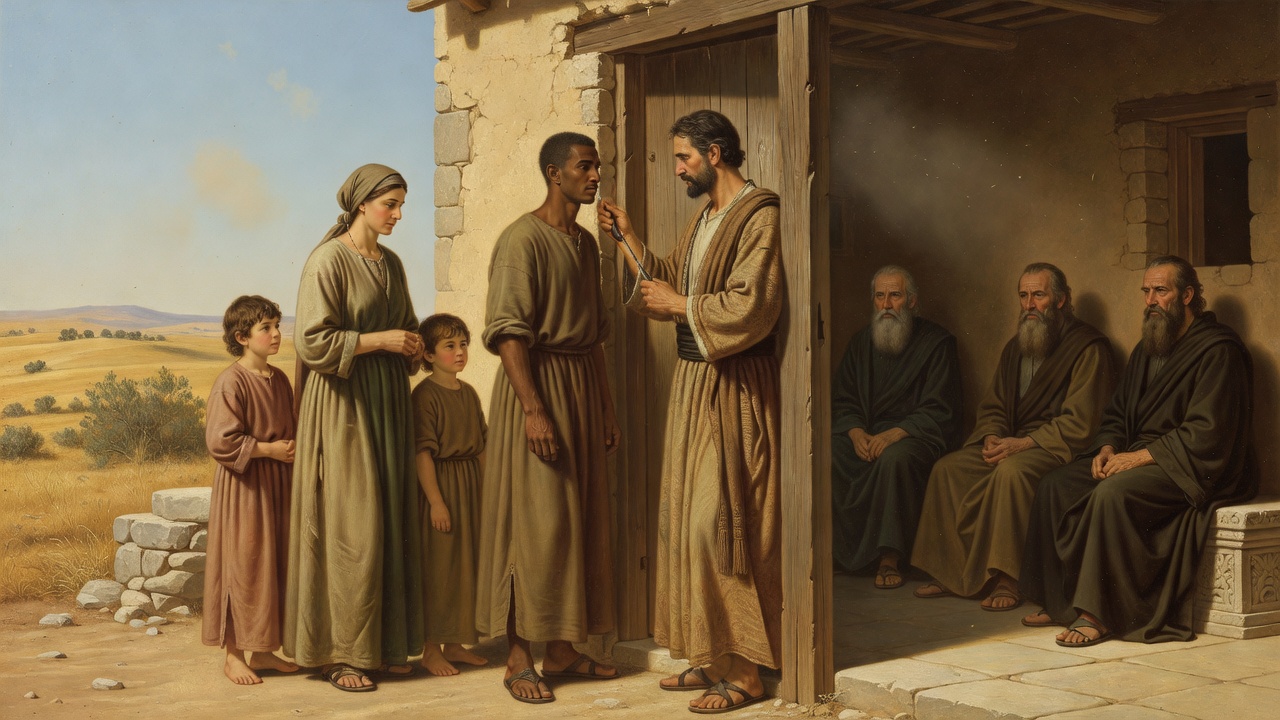
- A bought Hebrew servant served six years and went free in the seventh year without payment. He left alone if he had arrived alone, or with his wife if he had arrived with her, but a wife given by the master and any children she bore remained with the master. If the servant declared that he loved his master, his wife, and his children and did not wish to go free, the master brought him before the judges, pierced his ear with an awl at the door or doorpost, and he served for life.Sources: the Bible text itself
- Whoever struck and killed a man was to be put to death. If he had not lain in wait, but God had allowed it to happen, a place was appointed where he might flee; yet if he schemed and acted willfully to kill his neighbor, he was taken even from the altar to be put to death. Whoever struck or cursed his father or mother, and whoever kidnapped another man whether he sold him or the man was found in his possession, was also to be put to death.Sources: the Bible text itself
- If men quarreled and one struck the other with a stone or a fist so that he was confined to bed but did not die, the striker went unpunished once the injured man could walk outside with his staff, but he had to compensate for lost work and see that he was completely healed. If a serious injury resulted, the requirement was a life for a life, an eye for an eye, a tooth for a tooth, a hand for a hand, a foot for a foot, a burn for a burn, a wound for a wound, and a stripe for a stripe. If a man struck and blinded the eye or knocked out the tooth of his manservant or maidservant, he had to let the servant go free as compensation.Sources: the Bible text itself
Notes written with AI assistance from open sources (Theographic Bible Metadata, CC BY-SA 4.0; Easton’s Bible Dictionary, public domain) and reviewed before publishing.
Credits and license for this translation
Ãcõrẽ Bed̶ea
New Testament in Emberá, Northern (PM:emp:Emberá, Northern)
copyright © 2011 Wycliffe Bible Translators, Inc.
Language: Emberá, Northern
Translation by: Wycliffe Bible Translators, Inc.
Copyright Information
© 2011, Wycliffe Bible Translators, Inc. All rights reserved.
This translation text is made available to you under the
terms of the Creative Commons License: Attribution-Noncommercial-No Derivative Works.
( http://creativecommons.org/licenses/by-nc-nd/3.0/ )
In addition, you have permission to port the text to different file formats, as long as you
do not change any of the text or punctuation of the Bible.
You may share, copy, distribute, transmit, and extract portions
or quotations from this work, provided that you include the above copyright
information:
You must give Attribution to the work.
You do not sell this work for a profit.
You do not make any derivative works that change any of the actual words or punctuation of the Scriptures.
Permissions beyond the scope of this license may be
available if you contact
us with your request.
The New Testament
in Emberá, Northern
© 2011, Wycliffe Bible Translators, Inc. All rights reserved.
This translation is made available to you under the terms of the
Creative Commons Attribution-Noncommercial-No Derivatives license 4.0.
You may share and redistribute this Bible translation or extracts from it in any format, provided that:
You include the above copyright and source information.
You do not sell this work for a profit.
You do not change any of the words or punctuation of the Scriptures.
Pictures included with Scriptures and other documents on this site are licensed just for use with those Scriptures and documents.
For other uses, please contact the respective copyright owners.
2014-04-24
Source: http://ebible.org/empNTpo/ · eBible.org