Ephesians 5
Ãcõrẽ Bed̶ea · Tap a verse to see its cross-references.
Ãcõrẽ warrarã sãwã b̶ead̶ida panʌ
1Ãcõrẽba bãrã, idji warrarãra bio quĩrĩã b̶ʌa. Maʌ̃ bẽrã idji quĩrãca b̶ead̶adua. 2Jũmarãda quĩrĩãnadua Critoba dadjirã quĩrĩã b̶ʌda unubid̶a quĩrãca. Quĩrĩãneba dadjirã carea ara idjida idu beabisia Ãcõrẽa animarã babue diabʌrʌ quĩrãca. Ãcõrẽba maʌ̃da bia unusia.
3Bãrãra Ãcõrẽ ẽberãrã bẽrã daunemaniẽ́ panʌa, aud̶ua nĩbad̶iẽ́ panʌa, idjab̶a djãrãneda awuad̶iẽ́ panʌa. Maʌ̃nebemada ni maãrĩ bid̶a bed̶ead̶iẽ́ panʌa. 4Bed̶ea cadjiruada, siriẽ́ b̶ʌ bed̶eada, ijaramia cadjirua sid̶a bed̶earãnadua mãwã bed̶eaira biẽ́ b̶ʌ bẽrã. Ãtebʌrʌ Ãcõrẽa bia b̶ʌad̶a ad̶adua. 5Bãrãba cawa panʌa daunemabadara, aud̶ua nĩbabadara, ne jũma awuabada sid̶a Critoba, Ãcõrẽ bid̶a ãdji purud̶e edad̶aẽ́da. Ne jũma awua b̶aira jʌwaba od̶a ãcõrẽ ẽpẽ b̶ʌ quĩrãca b̶ʌa, Ãcõrẽ cãyãbara idjia awua b̶ʌda biara ẽpẽ b̶ʌ bẽrã.
6Ab̶aʌba sewad̶eba cadjiruada od̶ida panʌana aibʌrʌ, idu cũrũgabirãnadua. Cadjirua o panʌ carea Ãcõrẽba idji bed̶ea ĩjãẽ́ b̶eara cawa oya. 7Maʌ̃ bẽrã cadjirua obadarã ume ab̶arica orãnadua.
8Naẽna bãrãra pãĩmanebema basía, baribʌrʌ id̶ira dadjirã Boro ume panʌ bẽrã bãrãra ʌ̃naanebemaa. Maʌ̃ bẽrã ʌ̃naanebema warrarã quĩrãca nĩbad̶adua. 9Ʌ̃naane nĩbad̶ibʌrʌ sobia b̶ead̶ia, jipa od̶ia, idjab̶a wãrãneba nĩbad̶ia. 10Dadjirã Boroba bia unu b̶ʌda cawad̶i carea jʌrʌd̶adua. 11Pãĩmanebemarãba cadjirua obadad̶eba ne biada zecaa. Maʌ̃ bẽrã ab̶arica orãnadua, ãtebʌrʌ cawabid̶adua ãdjia obadara cadjiruada. 12Wãrãda dadjira perad̶ida panʌa ãdjia cadjirua mẽrã obadad̶ebemada bed̶ead̶i carea. 13Baribʌrʌ ne jũmada ʌ̃naane b̶ʌbʌdad̶e sãwãbʌrʌ b̶ʌda ebud̶a unubibadaa, ʌ̃naane ne jũmada ebud̶a unubada bẽrã. Maʌ̃ carea nãwã jarabadaa:
Ʌ̃rʌ̃madua bʌ cãĩ b̶ʌra. Cadjiruad̶e beu b̶ad̶ada piradrʌdua. Maʌ̃be Critoba bʌra ʌ̃naane b̶ʌya.
15Maʌ̃ bẽrã quĩrãcuita nĩbad̶adua. Adua b̶ea quĩrãca nĩbarãnadua, ãtebʌrʌ necawaad̶eba nĩbad̶adua. 16Bãrãba poya obʌdaza bia od̶adua, naʌ̃ ewarid̶e ẽberãrãba ne jũma cadjiruada obada bẽrã. 17Crĩcha neẽ́ b̶ea quĩrãca b̶earãnadua, ãtebʌrʌ bio cawad̶adua cãrẽda dadjirã Boroba obi b̶ʌda. 18Ituaba beu nĩbarãnadua. Maʌ̃gʌba cadjiruada wetara obibaria. Beu nĩbad̶i cãyãbara Ãcõrẽ Jaured̶eba b̶ead̶adua. 19Ãcõrẽ Bed̶ead̶e b̶ʌ trʌ̃ãbida, djabarãba trʌ̃ãbadada, idjab̶a Ãcõrẽ Jaureba trʌ̃ãbi b̶ʌ sid̶a dji carebad̶i carea ãbaa trʌ̃ãnadua. Dadjirã Boroa sod̶eba trʌ̃ãnadua bia bed̶ead̶i carea. 20Dadjirã Boro Jesucrito trʌ̃neba ewariza dadjirã Zeza Ãcõrẽa ne jũma carea bia b̶ʌad̶a ad̶adua.
Dadji quima ume sãwã b̶ead̶ida panʌ
21Crito waya panʌneba ab̶arica dji ĩjãnadua.
22Wẽrã quima bara b̶ea, bãrãba dadjirã Boro Crito bed̶ea ĩjã obada quĩrãca bãrã quima bed̶eara ĩjã od̶adua. 23Umaquĩrãda idji quima boroa. Ara maʌ̃ quĩrãca Critora idji ẽberãrã Boroa idjab̶a idji ẽberãrãra idji cacua quĩrãca panʌa. Idjira ãdjirã Ẽdrʌ Edabaria. 24Crito ẽberãrãba idji bed̶ea ĩjã obada quĩrãca wẽrãba idji quima bed̶eara jũma ĩjã b̶aida b̶ʌa.
25Umaquĩrãrã, bãrã quimara quĩrĩã b̶ead̶adua Critoba dadjirã quĩrĩã b̶ʌda unubid̶a quĩrãca. Quĩrĩãneba dadjirã carea ara idjida idu beabisia. 26Idjia mãwã osia dadjirãra Ãcõrẽ itea bia b̶ʌi carea. Idji bed̶eaba dadjirã cadjiruara sʌgʌsia baidoba sʌgʌd̶a quĩrãca. 27Jũma maʌ̃gʌra osia dadjirãra idji itea bio biya b̶ʌi carea, jaigua neẽ́, bidrubidrua neẽ́, ni baridua mititia neẽ́ bid̶a. Idjia quĩrĩã b̶asia dadjirãra idji itea biya b̶ead̶ida biẽ́ jarad̶i neẽ́. 28Ara maʌ̃ quĩrãca umaquĩrãba idji quimara bio quĩrĩã b̶aida b̶ʌa ara idji cacua quĩrĩã b̶ʌ quĩrãca. Umaquĩrãba idji quimada quĩrĩã b̶ʌbʌrʌ, ara idjida quĩrĩã b̶ʌa. 29Ni ab̶aʌba ara idji cacuada quĩrãmacaa, ãtebʌrʌ bia ne co b̶ʌd̶eba bio wagabaria. Ara maʌ̃ quĩrãca Critoba idji ẽberãrãra wagabaria, idji cacua quĩrãca panʌ bẽrã. 31Ãcõrẽ Bed̶ead̶e nãwã b̶ʌ́ b̶ʌa:
Maʌ̃ carea umaquĩrãba dji zezara, dji papa sid̶a ameped̶a idji quima ume ãbaa b̶eya.
Mãwã cacua ab̶a b̶ʌ quĩrãca panania.
32Maʌ̃ bed̶eaba crĩcha droma cawaẽ́ pananada cawabi b̶ʌa. Mʌ̃a jara b̶ʌa Crito idji ẽberãrã ume ãbaa panʌnebemada. 33Maʌ̃nebemada cawabi b̶ʌmĩna bãdjiza bãrã quimara quĩrĩã b̶ead̶ida panʌa ara bãdji quĩrĩã panʌ quĩrãca. Idjab̶a wẽrãba idji quimara waya b̶aida b̶ʌa.
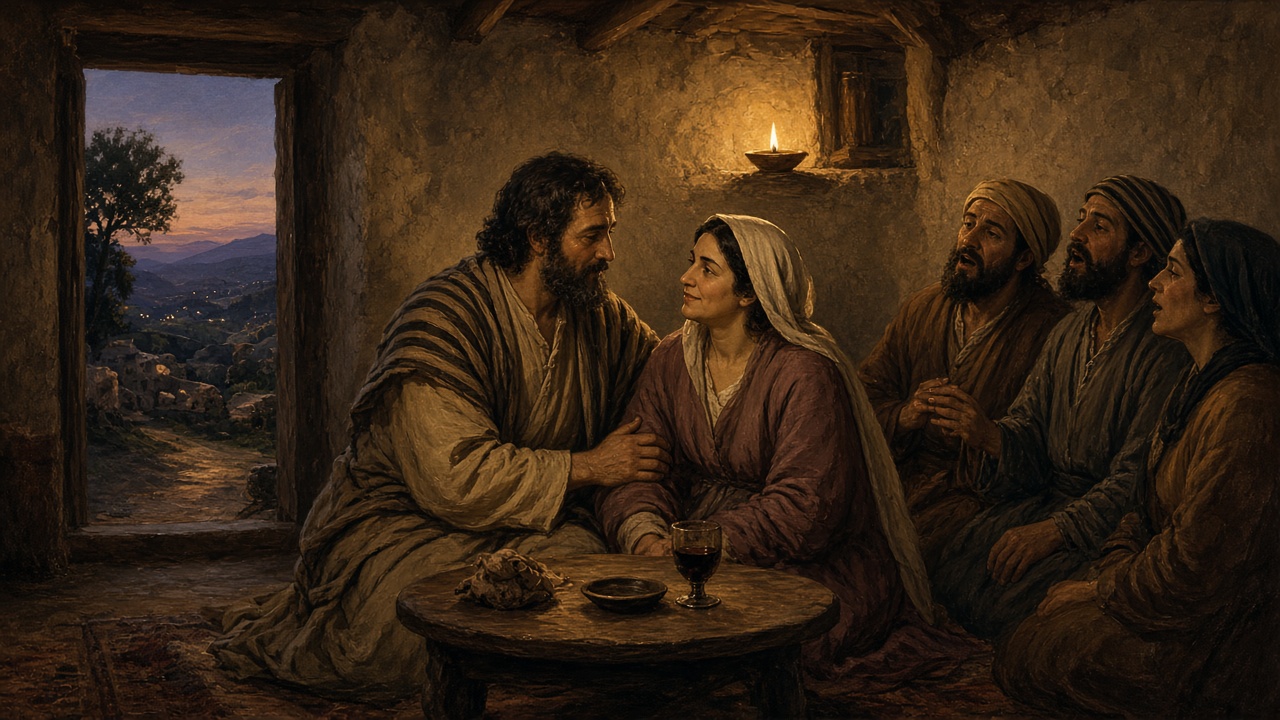
Did you know?
Love, light, and the household
- Ephesians 5 opens by calling readers to imitate God as beloved children and to walk in love, just as Christ loved them and gave himself up for them as a fragrant sacrificial offering to God.Sources: the Bible text itself
- The chapter says its readers were once darkness but are now light in the Lord, and that the fruit of the light is all goodness, righteousness, and truth. It also cites a saying that calls the sleeper to wake and rise from the dead, promising that Christ will shine on that person.Sources: the Bible text itself
- A call to submit to one another out of reverence for Christ introduces the instructions for wives and husbands. Husbands are told to love their wives as Christ loved the church and gave himself up for her, and the chapter calls the union of husband and wife a profound mystery concerning Christ and the church.Sources: the Bible text itself
Notes written with AI assistance from open sources (Theographic Bible Metadata, CC BY-SA 4.0; Easton’s Bible Dictionary, public domain) and reviewed before publishing.
Credits and license for this translation
Ãcõrẽ Bed̶ea
New Testament in Emberá, Northern (PM:emp:Emberá, Northern)
copyright © 2011 Wycliffe Bible Translators, Inc.
Language: Emberá, Northern
Translation by: Wycliffe Bible Translators, Inc.
Copyright Information
© 2011, Wycliffe Bible Translators, Inc. All rights reserved.
This translation text is made available to you under the
terms of the Creative Commons License: Attribution-Noncommercial-No Derivative Works.
( http://creativecommons.org/licenses/by-nc-nd/3.0/ )
In addition, you have permission to port the text to different file formats, as long as you
do not change any of the text or punctuation of the Bible.
You may share, copy, distribute, transmit, and extract portions
or quotations from this work, provided that you include the above copyright
information:
You must give Attribution to the work.
You do not sell this work for a profit.
You do not make any derivative works that change any of the actual words or punctuation of the Scriptures.
Permissions beyond the scope of this license may be
available if you contact
us with your request.
The New Testament
in Emberá, Northern
© 2011, Wycliffe Bible Translators, Inc. All rights reserved.
This translation is made available to you under the terms of the
Creative Commons Attribution-Noncommercial-No Derivatives license 4.0.
You may share and redistribute this Bible translation or extracts from it in any format, provided that:
You include the above copyright and source information.
You do not sell this work for a profit.
You do not change any of the words or punctuation of the Scriptures.
Pictures included with Scriptures and other documents on this site are licensed just for use with those Scriptures and documents.
For other uses, please contact the respective copyright owners.
2014-04-24
Source: http://ebible.org/empNTpo/ · eBible.org