2 Samuel 11
Ãcõrẽ Bed̶ea · Tap a verse to see its cross-references.
Davi daunemana
1Poad̶e naʌ̃ ẽjũãnebema bororãba ãdji sordaorãda djõne edebadjid̶aa. Maʌ̃ne Daviba jũma idji sordaorãda, ãdji boro Joáda, idjiare b̶ea sid̶a amonitarã ume djõne diabuesia. Amonitarãda zocãrã quenanaped̶a ãdji puru Rabáda jũrã edasid̶aa. Mãwã djõ panʌmisa Davira Jerusaleʌ̃ne b̶asia.
2Ewari ab̶a quewara Davira cãĩ edaped̶a piradrʌsia. Maʌ̃be idji de ʌ̃rʌ̃ wãsia. Mamaʌba ed̶aa acʌbʌrʌd̶e wẽrã biya quiruda unusia. Maʌ̃ wẽrãra idji jed̶eco ununa carea cui b̶asia Ãcõrẽ quĩrãpita bia b̶ai carea. Daviba ʌ̃cʌrʌ diabuesia idjira caida cawai carea. Jẽda zed̶aped̶a Davia jarasid̶aa Eliaʌ̃ cau Betsabéda mãwã b̶ʌda. Idji quimara Uría abadjid̶aa. Maʌ̃ Uríara hititarãnebema basía. Maʌ̃be Daviba ʌ̃cʌrʌ diabuesia Betsabéra idjimaa enenamãrẽã. Betsabéra idjimaa zeped̶a ãbaa cãĩsid̶aa. Mãwãnacarea diguid̶aa wãsia.
5Betsabéra b̶iogoa b̶ed̶a bẽrã Davia cawabisia. 6Maʌ̃ carea Daviba idji sordaorã boro Joámaa bed̶eada diabuesia hititad̶ebema Uría abadara idjimaa zebimãrẽã. Ara maʌ̃da Joába Uríara diabuesia. 7Uría jũẽsid̶e Daviba idjía iwid̶isia Joára, idji sordaorã sid̶a sãwã panʌ cawaya. Idjab̶a iwid̶isia ãdjirã djõ panʌne sãwã wãnada. 8Mãwã nẽbʌrʌd̶aped̶a Daviba Uríaa jarasia diguid̶aa ʌ̃nãũne wãmãrẽã. Uría Davi ded̶eba wãnacarea Daviba djico dji biara b̶ʌda Uríamaa diabuesia comãrẽã. 9Baribʌrʌ Uríara idji diguid̶aa wãẽ́ basía. Ãtebʌrʌ Davi wagabada sordaorã cãĩbadama Davi ded̶e ed̶a wãbada caita cãĩsia. 10Daviba ũrĩsia Uríara diguid̶aa wãẽ́ basida. Maʌ̃ carea trʌ̃ped̶a nãwã iwid̶isia:
–Bʌ tʌmʌba zed̶ada ¿sãwãẽrã diguid̶aa wãẽ́ basi?–
11Maʌ̃ne Uríaba panusia:
–Ãcõrẽ baurudera, Judad̶ebema sordaorãra, waabema israelerã sordaorã sid̶a ãdji wua de zaqued̶e cãĩ panʌa. Mʌ̃ boro Joára, idjiare b̶ea sid̶a puru tʌmʌ cãĩ panʌa. Maʌ̃ bẽrã biẽ́ b̶ʌa mʌ̃ra diguid̶aa wãped̶a ne coida idjab̶a mʌ̃ quima ume cãĩda. Mʌ̃ boro, wãrãneba mʌ̃a jaraya: mãwã oẽ́a.–
12Maʌ̃ne Daviba idjía jarasia:
–Id̶i bid̶a nama b̶edua. Nubʌrʌ jẽda djõne wãbiya.–
Daviba mãwã jarad̶a bẽrã Uríara Jerusaleʌ̃ne b̶esia. 13Maʌ̃ne Daviba idjira ne cod̶e trʌ̃bisia. Ne co panʌne Daviba itua dawaped̶a Uríara beu nũmesia. Queud̶acarea Uríara dajadaa Davi wagabada sordaorãmaa cãĩne wãsia. Diguid̶aa wãẽ́ basía.
14Uríara idji quima ume cãĩnaẽ́ bẽrã nurẽma Daviba cartada Joá itea b̶ʌsia. Maʌ̃ cartara Uría ume diabuesia. 15Dji cartad̶e nãwã b̶ʌ́ b̶asia: “Dadjirã dji quĩrũ mẽsrãara b̶ea djõ panʌma Uríara djõbidua. Maʌ̃be idub̶a ametad̶adua bead̶amãrẽã.”
16Joába idji sordaorã ume amonitarã purura jũrã eropanasid̶aa uracad̶i carea. Maʌ̃ bẽrã idjia cawa b̶asia sãma amonitarã dji mẽsrãara b̶eara djõ panʌda. Uríara mama djõbisia. 17Mãwã b̶ʌd̶e amonitarãra Joá sordaorã ume djõni carea ãdji purud̶eba dajadaa zed̶aped̶a Davi sordaorãda ʌ̃cʌrʌ beasid̶aa. Hititad̶ebema Uría abada sid̶a beasid̶aa.
18Maʌ̃be Joába ãdji djõ panʌnebemada ab̶a Davia jũma jarad̶e diabuesia. 19Wãi naẽna nãwã jarasia:
–Dadji djõ panʌnebemara dadjirã boro Davia jũma nẽbʌrʌdua. 20Dadjid̶ebemada ʌ̃cʌrʌ beasid̶ada ũrĩbʌrʌd̶e idjira quĩrũped̶a ãĩbẽrã nãwã jaraisicada: “Bãrã djõ panʌne ¿cãrẽ cãrẽã dji puru aud̶u jũrã ca b̶ʌ caita wãsid̶a? ¿Mamaʌba ãdjirãba ne bariduaba tab̶aribadada adua panasid̶aca? 21¿Quĩrãdoasid̶aca sãwã wẽrãba Jerobaal warra Abimelera Tebé purud̶e beasida? Dji puru aud̶u jũrã ca b̶ʌd̶eba yu waib̶ʌada Abimele ʌ̃rʌ̃ b̶aebisia. Maʌ̃da bãrãra ¿cãrẽ cãrẽã dji puru aud̶u jũrã ca b̶ʌ caita wãsid̶a?” Dadji boro Davida mãwã quĩrũibʌrʌ nãwã jaradua: “Mʌ̃ boro, bʌ sordao hititad̶ebema Uría sid̶a beasid̶aa.”–
22Ara maʌ̃da Joába diabued̶aba jarad̶e wãsia. Davima jũẽped̶a Joába jarabid̶ada jũma nẽbʌrʌsia. 23Nãwã jarasia:
–Amonitarãra ãdji purud̶eba dajadaa djõne zed̶aped̶a daira poyabʌda basía. Baribʌrʌ daiba ãdjirãra jẽda ãdji purud̶e ed̶a wãbadamaa mĩrũ wãbisid̶aa. 24Maʌ̃ne cha drʌbadaba dji puru aud̶u jũrã ca b̶ʌd̶eba daimaa drʌ panesid̶aa. Maʌ̃ba bʌ sordaorãra ʌ̃cʌrʌ beasid̶aa. Hititad̶ebema Uría abada sid̶a beasid̶aa.–
25Maʌ̃ ũrĩped̶a Daviba dji jarad̶e zed̶aa nãwã jarasia:
–Joáa jaradua jũmawãyã crĩcharãmãrẽã. Djõ panʌne ʌ̃cʌrʌ beubadaa. Baribʌrʌ jaradua jãʌ̃ puru ume wetara djõnamãrẽã ab̶a poyabʌdad̶aa. Maʌ̃ bed̶eaba idjira sobiaya.–
26Uría beaped̶ad̶a cawasid̶e dji quimaba sopua ewarida wagasia. 27Idji sopua ewari jõnacarea Daviba idji ded̶aa enebiped̶a edasia. Maʌ̃be wẽrãba Davi warrada tosia. Baribʌrʌ Daviba od̶ara Ãcõrẽba biẽ́ unusia.
Did you know?
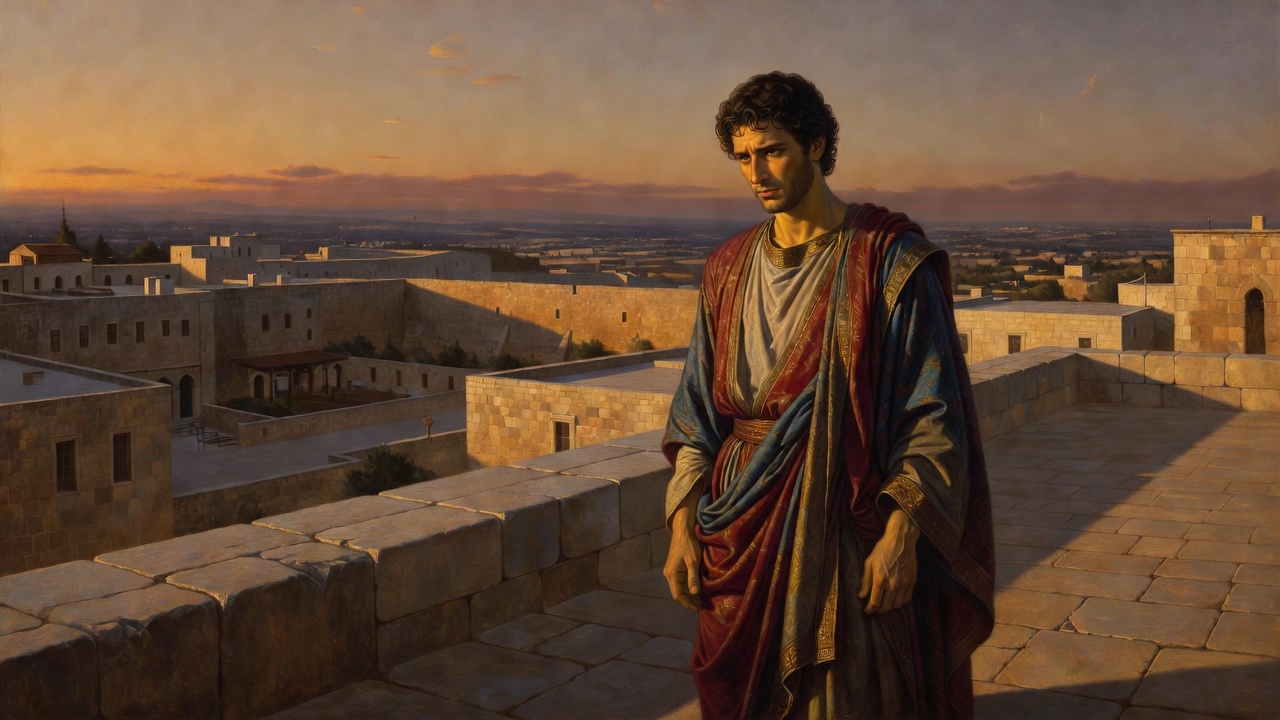
David, Bathsheba, and Uriah
- Uriah is identified as a Hittite and was counted among David's elite warriors, the "mighty men." When recalled to Jerusalem from the front line, he refused to enjoy the comfort of his home out of solidarity with his fellow soldiers and the Ark of the Covenant, which were dwelling in tents in the open field.Sources: the Bible text itself · Uriah
- The siege of Rabbah, the chief city of the Ammonites east of the Jordan River, provides the background for this chapter. While spring was the customary time for kings to march out to battle, David remained behind in Jerusalem and entrusted the military campaign to his commander Joab.Sources: the Bible text itself · Rabbah · Joab
- When instructing his messenger about casualties near the city walls, Joab cited the tactical precedent of Abimelech's death at Thebez, where a woman killed him by dropping a millstone from a tower wall. The biblical narrative refers to Abimelech's father Gideon by the name Jerubbesheth.Sources: the Bible text itself · Jerubbesheth · Thebez
Notes written with AI assistance from open sources (Theographic Bible Metadata, CC BY-SA 4.0; Easton’s Bible Dictionary, public domain) and reviewed before publishing.
Places in this chapter
- Ammon · 31.955, 35.934 · verse 1
- Jerusalem · 31.777, 35.234 · verses 1, 12, 22
- Rabbah · Today: Amman · 31.955, 35.934 · verse 1
Only places identified with high confidence are shown (90% or more according to the scholarly sources compiled by OpenBible). Period map: DARE (Digital Atlas of the Roman Empire), CC BY 4.0; modern map: © OpenStreetMap contributors; places: OpenBible.info (CC BY 4.0).
Credits and license for this translation
Ãcõrẽ Bed̶ea
New Testament in Emberá, Northern (PM:emp:Emberá, Northern)
copyright © 2011 Wycliffe Bible Translators, Inc.
Language: Emberá, Northern
Translation by: Wycliffe Bible Translators, Inc.
Copyright Information
© 2011, Wycliffe Bible Translators, Inc. All rights reserved.
This translation text is made available to you under the
terms of the Creative Commons License: Attribution-Noncommercial-No Derivative Works.
( http://creativecommons.org/licenses/by-nc-nd/3.0/ )
In addition, you have permission to port the text to different file formats, as long as you
do not change any of the text or punctuation of the Bible.
You may share, copy, distribute, transmit, and extract portions
or quotations from this work, provided that you include the above copyright
information:
You must give Attribution to the work.
You do not sell this work for a profit.
You do not make any derivative works that change any of the actual words or punctuation of the Scriptures.
Permissions beyond the scope of this license may be
available if you contact
us with your request.
The New Testament
in Emberá, Northern
© 2011, Wycliffe Bible Translators, Inc. All rights reserved.
This translation is made available to you under the terms of the
Creative Commons Attribution-Noncommercial-No Derivatives license 4.0.
You may share and redistribute this Bible translation or extracts from it in any format, provided that:
You include the above copyright and source information.
You do not sell this work for a profit.
You do not change any of the words or punctuation of the Scriptures.
Pictures included with Scriptures and other documents on this site are licensed just for use with those Scriptures and documents.
For other uses, please contact the respective copyright owners.
2014-04-24
Source: http://ebible.org/empNTpo/ · eBible.org