1 Samuel 12
Ãcõrẽ Bed̶ea · Tap a verse to see its cross-references.
Samuelba israelerã Saul jʌwaed̶a b̶ʌd̶a
1Mãwãnacarea Samuelba jũma israelerãa nãwã jarasia:
–Bãrãba jaraped̶ad̶ara mʌ̃a jũma osia. Mʌ̃a ab̶a b̶ʌsia bãrã boroda b̶amãrẽã. 2Id̶ira idjiabʌrʌ bãrãra pe erob̶aya. Mʌ̃ra drõãda b̶ʌ bẽrã boro torroa b̶ʌa. Mʌ̃ warrarã drõã b̶ea sid̶a bãrã ume panʌa. Mʌ̃ cũdra ed̶aʌba ab̶a id̶i ewarid̶aa bãrãra pe erob̶asia. 3Mʌ̃ra bãrã quĩrãpita b̶ʌa. Mʌ̃a djãrã pacada, burro sid̶a jãrĩca basía idjab̶a sewad̶eba djãrãra biẽ́ jaraca basía ni biẽ́ oca basía. Mʌ̃ra paratabari ni ab̶aʌare b̶aca basía. Baribʌrʌ mʌ̃a cadjiruada osibʌrʌ, bãrãba Ãcõrẽ quĩrãpita, dadjirã boro idjia edad̶a quĩrãpita bid̶a jarad̶adua. Biẽ́ o b̶ʌd̶eba djãrãneda edasibʌrʌ mʌ̃a jũma jẽda diaya.–
4Puruba panusia:
–Bʌa dairãra sewad̶eba biẽ́ jaraca basía ni biẽ́ oca basía. Djãrãneda jãrĩca basía.–
5Samuelba jarasia:
–Ãcõrẽba, dadjirã boro idjia edad̶a bid̶a ũrĩsid̶aa bãrãba mʌ̃ra bed̶ead̶e b̶ʌẽ́ana a panʌda.–
Puruba panusia:
–Mãẽ, mãwã b̶ʌa.–
6Maʌ̃be Samuelba jarasia:
–Ãcõrẽbʌrʌ Moiseda, Aaroʌ̃ sid̶a edaped̶a dadji drõã naẽnabemarãra Egiptod̶eba ẽdrʌ enesia. 7Maʌ̃ bẽrã quĩrãcuita ũrĩnadua. Bãrãba Ãcõrẽ awara ab̶a bãrã boroda b̶amãrẽã b̶ʌbisid̶ad̶e biẽ́ osid̶aa. Maʌ̃gʌra Ãcõrẽ quĩrãpita mʌ̃a bãrãa ebud̶a cawabiya. Ãcõrẽba bãrãra, bãrã drõã naẽnabemarã sid̶a bio carebasia. 8Jacobo Egiptod̶e b̶ad̶e wãnacarea egiptorãba idjid̶eba yõped̶ad̶arãda biẽ́ osid̶aa. Maʌ̃ bẽrã ãdjirãba Ãcõrẽa quĩrã djuburiada iwid̶id̶aped̶a idjia Moiseda Aaroʌ̃ sid̶a ãdjirãmaa diabuesia. Maʌ̃be Moiseba Aaroʌ̃ ume bãrã drõã naẽnabemarãra Egiptod̶eba ẽdrʌ enesid̶aa naʌ̃ ẽjũãne pananamãrẽã.
9Baribʌrʌ dãrãẽ́ne ãdjirãba Ãcõrẽra igarasid̶aa. Maʌ̃ carea idjia Hazord̶ebema sordaorã boro Sisaráa ãdjirãra idu poyabisia. Maʌ̃ awara pilisteorãa, Moab druad̶ebema boroa bid̶a ãdjirãra idu poyabisia. 10Mãwã panʌne israelerãba Ãcõrẽa nãwã quĩrã djuburiada iwid̶isid̶aa: “Dairãba cadjiruada osid̶aa. Bʌra igarad̶aped̶a Baalda, Astarte sid̶a ẽpẽsid̶aa. Baribʌrʌ bʌa dairãra dji quĩrũ jʌwaed̶abemada ẽdrʌ b̶ʌibʌrʌ, bʌdrʌ ẽpẽ panania.” 11Maʌ̃ carea Ãcõrẽba Gedeoʌ̃ Jerobaal abadada, Baracoda, Jepteda idjab̶a mʌ̃ sid̶a diabuesia bãrã dji quĩrũnebemada ẽdrʌ b̶ʌmãrẽã. Mãwã bãrãra necai panebadjid̶aa.
12Baribʌrʌ amonitarã boro Nahasada bãrã ume djõne zebʌrʌda cawasid̶ad̶e bãrãba mʌ̃́a nãwã jarasid̶aa: “Ab̶a b̶ʌdua dadjirã boroda b̶amãrẽã.” Ãcõrẽra dadjirã boromĩna bãrãba mãwã jarasid̶aa. 13Id̶i bãrãba edaped̶ad̶a borora nama b̶ʌa. Bãrãba iwid̶iped̶ad̶ara Ãcõrẽba diasia. 14Baribʌrʌ Ãcõrẽra waya pananadua. Idjia jara b̶ʌra ĩjã od̶adua. Ni maãrĩ bid̶a igararãnadua. Bãrãba, bãrã boro bid̶a idjida wãrãda ẽpẽnibʌrʌ, bia duanania. 15Baribʌrʌ idjia jara b̶ʌda ĩjãnaẽ́bʌrʌ idjab̶a igarad̶ibʌrʌ, idjia cawa oya bãrã drõã naẽnabemarã cawa od̶a quĩrãca.
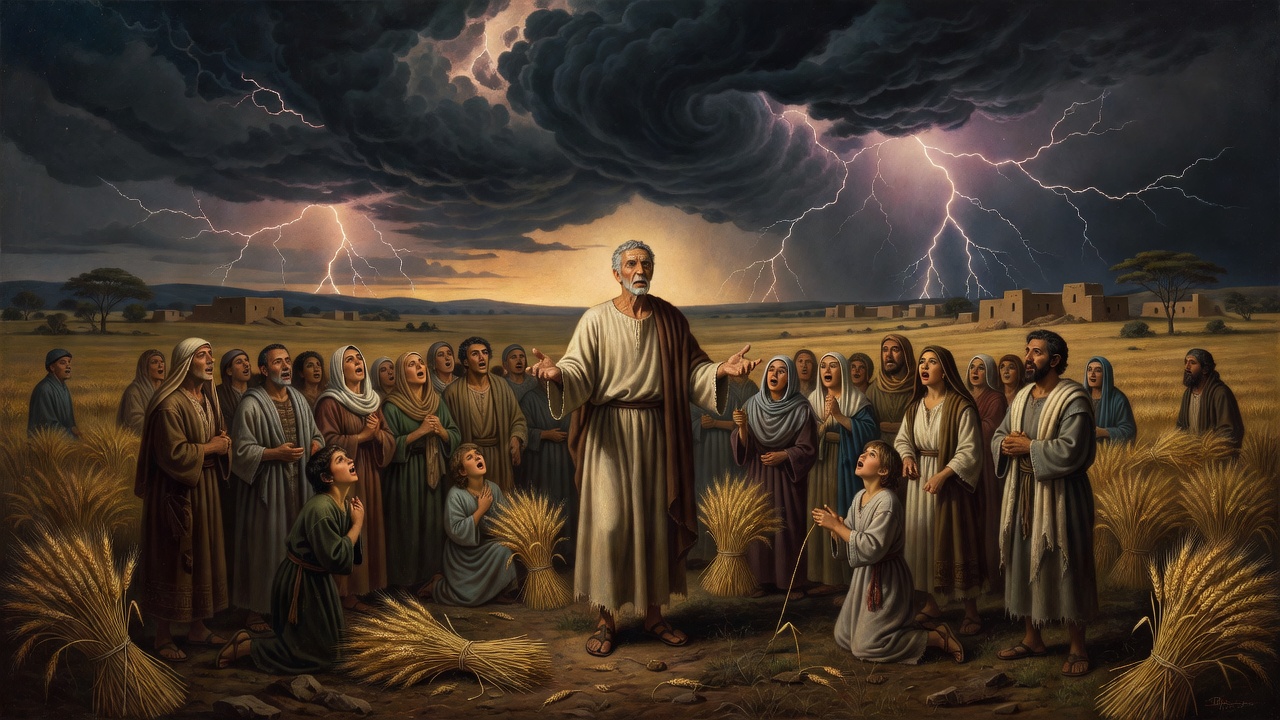
16Acʌd̶adua. Bãrãba ununia Ãcõrẽba bãrã quĩrãpita ne ununacada obʌrʌda. 17Ara nawena trigo jara nũmʌ bẽrã cue zecaa. Baribʌrʌ mʌ̃a Ãcõrẽa iwid̶iya cue zebimãrẽã idjab̶a baa sid̶a b̶aebimãrẽã. Maʌ̃neba bãrãba cawad̶ia Ãcõrẽ quĩrãpita cadjiruada osid̶ada idji awara ab̶a bãrã boroda b̶amãrẽã iwid̶isid̶ad̶e.–
18Ara maʌ̃da Samuelba Ãcõrẽa iwid̶isia. Maʌ̃ne Ãcõrẽba cuera zebisia. Baa sid̶a b̶ae nũmebisia. Maʌ̃ unubʌdad̶e puruba Ãcõrẽda, Samuel sid̶a bio wayasid̶aa. 19Maʌ̃ carea jũmarãba Samuelea jarasid̶aa:
–Dairã, bʌ nezocarã beurãnamãrẽã Ãcõrẽa iwid̶idua. Dairãba naẽna cadjirua oped̶ad̶a awara wayacusa cadjiruada osid̶aa Ãcõrẽ awara ab̶a dairã boroda b̶amãrẽã iwid̶isid̶ad̶e.–
20Samuelba jarasia:
–Ne wayarãnadua. Wãrãda bãrãba bio cadjiruada osid̶aa. Jãʌ̃be Ãcõrẽra waa igararãnadua. Wãrãda sod̶eba idjira ẽpẽnadua. 21Jʌwaba od̶a ãcõrẽ b̶eada ẽpẽrãnadua. Maʌ̃gʌrãba bãrãra poya carebad̶aẽ́a ni poya ẽdrʌ b̶ʌd̶aẽ́a, wãrã ãcõrẽẽ́ bẽrã. 22Baribʌrʌ Ãcõrẽba quĩrĩãna bẽrã bãrãra edasia idji puru bamãrẽã. Maʌ̃ bẽrã idjia bãrãra igaraẽ́a ni ab̶aʌba idjida biẽ́ jararãnamãrẽã. 23Mʌ̃a bãrã carea iwid̶i b̶aya. Mãwã oẽ́bʌrʌ Ãcõrẽ quĩrãpita cadjiruada o b̶aya. Maʌ̃ awara mʌ̃a wad̶ibid̶a jaradia b̶aya sãwã jipa nĩbad̶ida panʌda. 24Bãrãba unusid̶aa Ãcõrẽba bãrã itea ne waib̶ʌada o b̶ʌda. Maʌ̃ bẽrã ab̶a idjidrʌ wayad̶adua. Sod̶eba idjida ẽpẽnadua. 25Baribʌrʌ cadjiruada o pananibʌrʌ, Ãcõrẽba bãrãra, bãrã boro sid̶a ãyã b̶ʌya.–
Did you know?
Samuel's Farewell Address and the Sign of Rain
- Before formally transferring governance to King Saul, Samuel publicly challenged the entire nation to testify if he had ever taken an ox, extorted a bribe, or oppressed anyone during his lifelong leadership. The assembly confirmed his complete integrity.Sources: the Bible text itself
- Samuel reminded the Israelites of their history, noting that whenever they turned from idolatry, God raised deliverers such as Jerubbaal (another name for Gideon), Jephthah, and Samuel himself to rescue them from oppressors.Sources: the Bible text itself · Gideon · Jephthah
- To demonstrate the gravity of demanding an earthly king, Samuel called upon God to send thunder and rain during the wheat harvest, which was typically a dry season in the region. The sudden storm led the people to revere God and ask Samuel to intercede for them.Sources: the Bible text itself
Notes written with AI assistance from open sources (Theographic Bible Metadata, CC BY-SA 4.0; Easton’s Bible Dictionary, public domain) and reviewed before publishing.
Places in this chapter
- Egypt · 30.129, 31.308 · verses 6, 8
- Hazor · Today: Tel Hazor · 33.018, 35.569 · verse 9
- Moab · Today: Moab 1 · 31.181, 35.701 · verse 9
- Ammon · 31.955, 35.934 · verse 12
Only places identified with high confidence are shown (90% or more according to the scholarly sources compiled by OpenBible). Period map: DARE (Digital Atlas of the Roman Empire), CC BY 4.0; modern map: © OpenStreetMap contributors; places: OpenBible.info (CC BY 4.0).
Credits and license for this translation
Ãcõrẽ Bed̶ea
New Testament in Emberá, Northern (PM:emp:Emberá, Northern)
copyright © 2011 Wycliffe Bible Translators, Inc.
Language: Emberá, Northern
Translation by: Wycliffe Bible Translators, Inc.
Copyright Information
© 2011, Wycliffe Bible Translators, Inc. All rights reserved.
This translation text is made available to you under the
terms of the Creative Commons License: Attribution-Noncommercial-No Derivative Works.
( http://creativecommons.org/licenses/by-nc-nd/3.0/ )
In addition, you have permission to port the text to different file formats, as long as you
do not change any of the text or punctuation of the Bible.
You may share, copy, distribute, transmit, and extract portions
or quotations from this work, provided that you include the above copyright
information:
You must give Attribution to the work.
You do not sell this work for a profit.
You do not make any derivative works that change any of the actual words or punctuation of the Scriptures.
Permissions beyond the scope of this license may be
available if you contact
us with your request.
The New Testament
in Emberá, Northern
© 2011, Wycliffe Bible Translators, Inc. All rights reserved.
This translation is made available to you under the terms of the
Creative Commons Attribution-Noncommercial-No Derivatives license 4.0.
You may share and redistribute this Bible translation or extracts from it in any format, provided that:
You include the above copyright and source information.
You do not sell this work for a profit.
You do not change any of the words or punctuation of the Scriptures.
Pictures included with Scriptures and other documents on this site are licensed just for use with those Scriptures and documents.
For other uses, please contact the respective copyright owners.
2014-04-24
Source: http://ebible.org/empNTpo/ · eBible.org