1 Kings 19
Ãcõrẽ Bed̶ea · Tap a verse to see its cross-references.
Elía Horeb eyad̶aa mĩrũ wãna
1Elíaba od̶ada, Baald̶eba bed̶eabadarã necoba quenana sid̶a Acaboba idji quima Jezabelea jũma nẽbʌrʌsia. 2Maʌ̃ carea Jezabelba ab̶a Elíamaa nãwã jarad̶e diabuesia: “Jezabelba idji ãcõrẽ b̶ea quĩrãpita wãrãneba jara b̶ʌa nu naʌ̃ horaca bai naẽna bʌra beaida bʌa Baald̶eba bed̶eabadarã quenana quĩrãca.”
3Maʌ̃ ũrĩsid̶e Elíara dauperaped̶a mĩrũ wãsia. Wãne Juda druad̶e Beersebá purud̶e jũẽne wãsia. Mama Elíaba idji nezocara b̶eesia. 4Maʌ̃be idjira ẽjũã põãsa ewaraga b̶ʌd̶e ewari ab̶a wãsia. Mama bacuru zaque edre chũmeped̶a nãwã crĩchasia: “Biara b̶ʌa beuida.” Maʌ̃ bẽrã idjia Ãcõrẽa jarasia:
–Ãcõrẽ, waaẽ́a. Mʌ̃ra beadua. Mʌ̃ drõã naẽnabemarã beuped̶ad̶a cãyãbara mʌ̃ra biara b̶ʌẽ́a.–
5Mãwã jaraped̶a Elíara bacuru zaque edre cãĩ cob̶esia. Mãwã b̶ʌd̶e Ãcõrẽ nezoca bajãnebemada idjimaa zeped̶a ʌ̃rʌ̃matasia. Maʌ̃be jarasia:
–Piradrʌped̶a ne codua.–
6Elíaba acʌbʌrʌd̶e idji boro nocoare paʌ̃ tʌbʌd̶e ãbud̶ada idjab̶a zocod̶e baidoda unusia. Ne coped̶a, baido sid̶a doped̶a wayacusa cãĩ cob̶esia.
7Ãcõrẽ nezoca bajãnebemada idjimaa wayacusa zeped̶a ʌ̃rʌ̃matasia. Maʌ̃be jarasia:
–Piradrʌped̶a ne codua. Bʌra tʌmʌ wãida b̶ʌa.–
8Ara maʌ̃da Elíara piradrʌped̶a ne cosia, baido sid̶a dosia. Mãwã ne cod̶aba cacua ʌb̶ʌaped̶a cuarenta ewari, ãsa, diamasi bid̶a od̶e nĩbasia ab̶a Horeb eyad̶e jũẽbʌrʌd̶aa. Maʌ̃ eyara Ãcõrẽ eya abadaa. 9Jũẽna diamasi Elíara eya uriad̶e cãĩne wãsia.
Maʌ̃ne Ãcõrẽba idjía nãwã jarasia:
–Elía, ¿cãrẽda nama o b̶ʌ?–
10Elíaba panusia:
–Ãcõrẽ jũma poya b̶ʌ, mʌ̃ra zoquea b̶asia bʌa quĩrĩã b̶ʌra oi carea. Baribʌrʌ bʌa israelerã ume bed̶ea b̶ʌd̶ada ãdjirãba igarasid̶aa. Maʌ̃ne bʌ itea od̶a animarã babue diabadara jũma ãrĩsid̶aa. Maʌ̃ awara bʌd̶eba bed̶eabadarãda necoba jũma quenasid̶aa. Ab̶abe mʌ̃drʌ b̶ʌa baribʌrʌ mʌ̃ sid̶a bead̶i carea jʌrʌ panʌa.–
11Maʌ̃ne Ãcõrẽba Elíaa jarasia:
–Dajadaa mʌ̃ quĩrãpita naʌ̃ eyad̶e nũmane zedua, mʌ̃ra wãyã wãbʌrʌ bẽrã.–
Ara maʌ̃da Ãcõrẽ na nãũrãda dji cãbãyã tʌsia. Maʌ̃ nãũrãba eyara ʌracuasia. Mõgara sid̶a tod̶ozoasia. Baribʌrʌ Ãcõrẽda mãwã b̶aẽ́ basía. Nãũrã wãnacarea de uremiada wãsia. Baribʌrʌ Ãcõrẽda mãwã b̶aẽ́ basía. 12De uremia wãnacarea tʌbʌ uruada eradrʌ nũmesia. Baribʌrʌ Ãcõrẽda mãwã b̶aẽ́ basía. Tʌbʌ urua quid̶acarea Elíaba nãũrãda pĩãca sʌ̃ga nũmʌda ũrĩsia. 13Maʌ̃ ũrĩbʌrʌd̶e Elíaba jʌ̃ b̶ʌba idji quĩrãdarrara jũãtrʌsia. Maʌ̃be dajadaa wãped̶a eya uria caita nũmesia. Maʌ̃ne bed̶eada ũrĩsia. Maʌ̃ba nãwã jarasia:
–Elía, ¿cãrẽda nama o b̶ʌ?–
14Elíaba panusia:
–Ãcõrẽ jũma poya b̶ʌ, mʌ̃ra zoquea b̶asia bʌa quĩrĩã b̶ʌra oi carea. Baribʌrʌ bʌa israelerã ume bed̶ea b̶ʌd̶ada ãdjirãba igarasid̶aa. Maʌ̃ne bʌ itea od̶a animarã babue diabadara jũma ãrĩsid̶aa. Maʌ̃ awara bʌd̶eba bed̶eabadarãda necoba jũma quenasid̶aa. Ab̶abe mʌ̃drʌ b̶ʌa, baribʌrʌ mʌ̃ sid̶a bead̶i carea jʌrʌ panʌa.–
15Ãcõrẽba Elíaa jarasia:
–Jẽda ẽjũã põãsa ewaraga b̶ʌare Damasco purud̶aa wãdua. Mama jũẽped̶a nedragada Hazael boro ʌ̃rʌ̃ weadua Siriad̶ebema boroda b̶ʌi carea. 16Maʌ̃ awara Nimsi wiuzaque Jehúmaa wãped̶a nedragada idji boro ʌ̃rʌ̃ weadua Israeld̶ebema boroda b̶ʌi carea. Idjab̶a Abel-mehola purud̶ebema Sapa warra Eliseomaa wãped̶a nedragada idji boro ʌ̃rʌ̃ weadua bʌ cacuabari mʌ̃neba bed̶eabarida b̶ʌi carea. 17Maʌ̃be Israel druad̶e mʌ̃ igara panʌra Hazaelba necoba zocãrã quenaya. Idjia quenanaẽ́ra Jehúba necoba quenaya. Jehúba quenanaẽ́ra Eliseoba quenaya. 18Baribʌrʌ Israel druad̶e mʌ̃a ẽberãrãra siete mil waga erob̶ʌa. Ãdjirãra Baal quĩrãpita chĩrãborod̶e b̶arru cob̶ead̶acaa ni idjira isõnacaa.–
Elíaba Eliseo trʌ̃na
19Maʌ̃be Elíara Horeb eyad̶eba wãsia. Wãne Sapa warra Eliseoda, once ẽberãrã idji ume ẽjũã o panʌ sid̶a unusia. Ãdjirãza pacada umé uméa ãbaa jʌ̃ eropanasid̶aa. Maʌ̃ pacaba bacuru cũmia b̶ʌda egorod̶e erreb̶ari eronĩbasid̶aa egorora bogajud̶aped̶a ne ud̶i carea. Elíara Eliseo caita wãped̶a idjia cacuad̶e jʌ̃ b̶ʌra Eliseo ʌ̃rʌ̃ wẽã cob̶ʌsia acʌbi carea Eliseora idji cacuabari Ãcõrẽneba bed̶eabari baida. Maʌ̃be wãsia. 20Ara maʌ̃da Eliseoba idji pacara ameped̶a Elía caid̶u pira wãsia. Jidaped̶a nãwã jarasia:
–Bʌ ume wãi naẽna idu mʌ̃ djibarirãda isõne wãbidua. Maʌ̃bebʌrʌ mʌ̃ra bʌ ume wãya.–
Elíaba jarasia:
–Wãdua. Mʌ̃a bʌra wãbi ama b̶ʌẽ́a.–
21Ara maʌ̃da Eliseora jẽda wãsia. Jũẽped̶a idji umébema pacara beaped̶a dji pacaba erreb̶ari b̶ad̶a bacuruda b̶ʌá tucuaped̶a tʌbʌ cajẽrãsia. Maʌ̃ne dji paca djarara djuped̶a idji ẽberãrãra ne cobigasia. Mãwãnacarea idjira Elía caid̶u wãped̶a Elía carebabarida b̶esia.
Did you know?
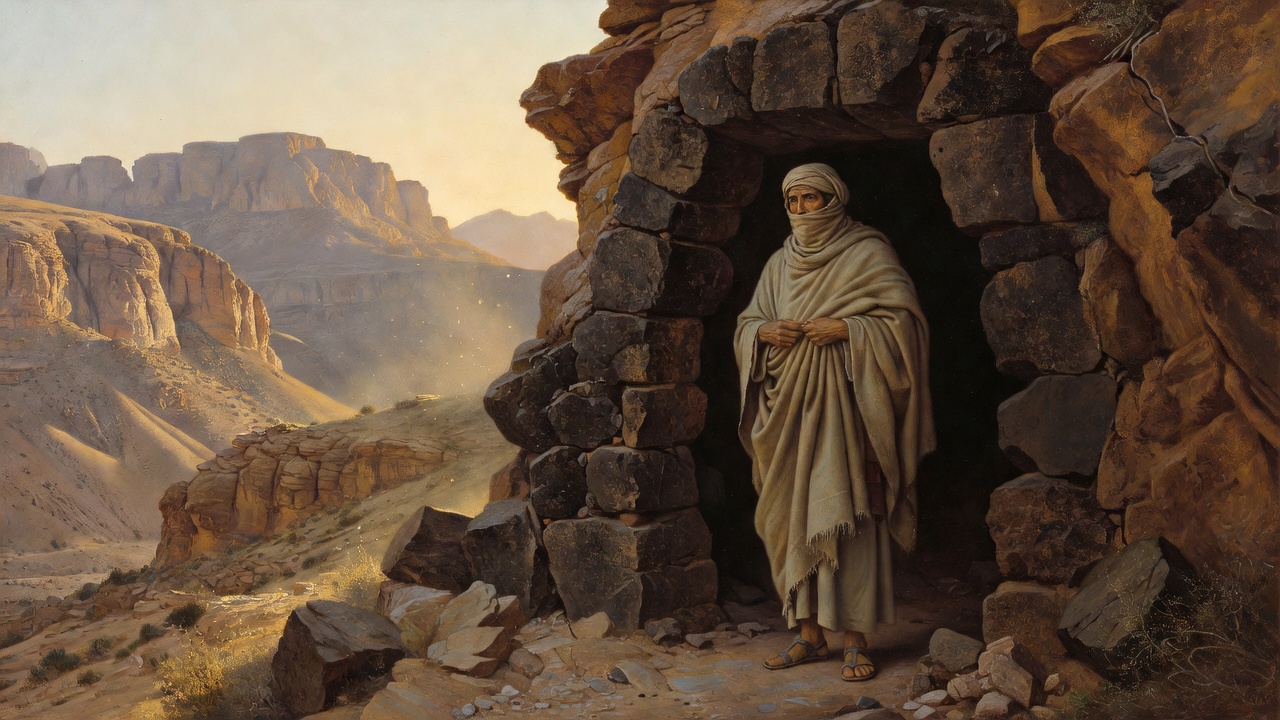
Elijah at Mount Horeb and the Call of Elisha
- Mount Horeb, also identified in biblical tradition with Mount Sinai, was the mountain range where Israel had received the covenant and the law. Elijah's forty-day journey south to Horeb places his encounter with God in the exact setting of Moses' earlier revelations.Sources: the Bible text itself · Horeb
- When God commands Elijah to anoint Hazael as king of Syria and Jehu as king of Israel, the narrative connects prophetic authority to geopolitical succession in both nations, while assuring Elijah that seven thousand faithful Israelites remained.Sources: the Bible text itself · Hazael · Jehu
- Casting a cloak over Elisha's shoulders while he plowed with twelve yoke of oxen at Abel-meholah was a symbolic act that marked Elisha as Elijah's disciple, adoptive heir, and prophetic successor.Sources: the Bible text itself · Elisha · Abel-meholah
Notes written with AI assistance from open sources (Theographic Bible Metadata, CC BY-SA 4.0; Easton’s Bible Dictionary, public domain) and reviewed before publishing.
Places in this chapter
- Mount Horeb · Today: Jebel Musa · 28.540, 33.973 · verse 8
- Damascus · 33.511, 36.306 · verse 15
- Syria · Today: Aram · 33.511, 36.306 · verse 15
Only places identified with high confidence are shown (90% or more according to the scholarly sources compiled by OpenBible). Period map: DARE (Digital Atlas of the Roman Empire), CC BY 4.0; modern map: © OpenStreetMap contributors; places: OpenBible.info (CC BY 4.0).
Credits and license for this translation
Ãcõrẽ Bed̶ea
New Testament in Emberá, Northern (PM:emp:Emberá, Northern)
copyright © 2011 Wycliffe Bible Translators, Inc.
Language: Emberá, Northern
Translation by: Wycliffe Bible Translators, Inc.
Copyright Information
© 2011, Wycliffe Bible Translators, Inc. All rights reserved.
This translation text is made available to you under the
terms of the Creative Commons License: Attribution-Noncommercial-No Derivative Works.
( http://creativecommons.org/licenses/by-nc-nd/3.0/ )
In addition, you have permission to port the text to different file formats, as long as you
do not change any of the text or punctuation of the Bible.
You may share, copy, distribute, transmit, and extract portions
or quotations from this work, provided that you include the above copyright
information:
You must give Attribution to the work.
You do not sell this work for a profit.
You do not make any derivative works that change any of the actual words or punctuation of the Scriptures.
Permissions beyond the scope of this license may be
available if you contact
us with your request.
The New Testament
in Emberá, Northern
© 2011, Wycliffe Bible Translators, Inc. All rights reserved.
This translation is made available to you under the terms of the
Creative Commons Attribution-Noncommercial-No Derivatives license 4.0.
You may share and redistribute this Bible translation or extracts from it in any format, provided that:
You include the above copyright and source information.
You do not sell this work for a profit.
You do not change any of the words or punctuation of the Scriptures.
Pictures included with Scriptures and other documents on this site are licensed just for use with those Scriptures and documents.
For other uses, please contact the respective copyright owners.
2014-04-24
Source: http://ebible.org/empNTpo/ · eBible.org