1 Corinthians 7
Ãcõrẽ Bed̶ea · Tap a verse to see its cross-references.
Quima edabadad̶ebema
1Jãʌ̃bebʌrʌ bãrãba cartad̶eba iwid̶iped̶ad̶ada mʌ̃a panuya. Wãrãda biara b̶ʌa umaquĩrãba wẽrã edaẽ́da. 2Baribʌrʌ bãrã tãẽna aud̶ua obadara bara bẽrã umaquĩrãba idji quimada erob̶aida b̶ʌa, idjab̶a wẽrãba idji quimada erob̶aida b̶ʌa. 3Umaquĩrãda idji quima ume cãĩda b̶ʌa. Wẽrã sid̶a idji quima ume cãĩda b̶ʌa. 4Wẽrãra ara idji cacua djibariẽ́a, ãtebʌrʌ dji quimadrʌ djibaria. Ara maʌ̃ quĩrãca umaquĩrãra ara idji cacua djibariẽ́a, ãtebʌrʌ idji quimadrʌ djibaria. 5Bãrã cacuara bãrã quimaa wãgarãnadua. Baribʌrʌ bãrãba ãbaa cãĩnaẽ́da bed̶ea aud̶ibʌrʌ, mãwã pananira bia b̶ʌa. Baribʌrʌ dãrã mãwã pananiẽ́ panʌa idjab̶a ab̶abe Ãcõrẽa iwid̶id̶i carea mãwã pananida panʌa. Mãwãnacarea wayacusa ãbaa cãĩnida panʌa bãrã cacuaba quĩrĩã b̶ʌra droad̶aẽ́ne diauruba aud̶ua obirãmãrẽã. 6Mʌ̃a jaraya: bãrãba mãwã o quĩrĩã panʌbʌrʌ, bia b̶ʌa. Baribʌrʌ mʌ̃a õgo obiẽ́a. 7Mʌ̃maarã jũmarãda mʌ̃ quĩrãca poya deu b̶ead̶ibara bia b̶acasia. Baribʌrʌ Ãcõrẽba dadjiza diasia sãwã b̶aida. Ãcõrẽba ʌ̃cʌrʌa dia b̶ʌa poya deu b̶ead̶amãrẽã. Idjab̶a ʌ̃cʌrʌa dia b̶ʌa quima edad̶amãrẽã.
8Mʌ̃a deu b̶earãa, pẽdrarãa bid̶a jaraya: biara b̶ʌa mʌ̃ quĩrãca quima neẽ́ b̶ead̶ida. 9Baribʌrʌ bãrã cacuaba quĩrĩã b̶ʌda poya droad̶aẽ́bʌrʌ, quima edad̶ida panʌa. Bãrã cacuaba quĩrĩã b̶ʌd̶ebemada jũmawãyã crĩcha b̶ai cãyãbara biara b̶ʌa quima edad̶ida.
10Quima bara b̶earãa mʌ̃a naʌ̃da jaraya. Naʌ̃ bed̶eara mʌ̃reẽ́a, ãtebʌrʌ dadjirã Borod̶ea. Wẽrãba idji quimara amaiẽ́ b̶ʌa. 11Baribʌrʌ idji quimara amaibʌrʌ, dewara umaquĩrãda edaiẽ́ b̶ʌa. Ãtebʌrʌ deu b̶aida b̶ʌa wa dji quima ume waya bed̶eaida b̶ʌa. Ab̶ari quĩrãca umaquĩrãba idji quimara amaiẽ́ b̶ʌa.
12Waabema djabarãa mʌ̃a naʌ̃da jaraya. Naʌ̃gʌra dadjirã Boro Jesuba jaradiad̶aẽ́a: djababa wẽrã Jesu ĩjãẽ́ b̶ʌda erob̶ʌbʌrʌ, idjab̶a maʌ̃ wẽrãra idji ume b̶a quĩrĩã b̶ʌbʌrʌ, maʌ̃ djababa idjira amaiẽ́ b̶ʌa. 13Djabawẽrãba quima Jesu ĩjãẽ́ b̶ʌda erob̶ʌbʌrʌ, idjab̶a maʌ̃ umaquĩrãba idjida ama quĩrĩãẽ́bʌrʌ, maʌ̃ djabawẽrãba idjira amaiẽ́ b̶ʌa. 14Maʌ̃ umaquĩrã Jesu ĩjãẽ́ b̶ʌra Ãcõrẽ itea b̶esia idji quimaba ĩjã b̶ʌ bẽrã. Ab̶ari quĩrãca wẽrã Jesu ĩjãẽ́ b̶ʌra Ãcõrẽ itea b̶esia idji quimaba ĩjã b̶ʌ bẽrã. Mãwãẽ́bara bãrã warrarãra Ãcõrẽ itea b̶ead̶aẽ́ bacasia. Baribʌrʌ djibarirãra Ãcõrẽ itea panʌ bẽrã ãdjirã sid̶a Ãcõrẽ itea panʌa. 15Jesu ĩjãẽ́ b̶ʌba idji quimada ama quĩrĩã b̶ʌbʌrʌ, amaida b̶ʌa. Mãwã djabada wa djabawẽrãda mĩã amaiẽ́ b̶ʌ leyd̶ebemada ẽdrʌya. Ãcõrẽba dadjirãra necai b̶ead̶amãrẽã trʌ̃sia. 16Djabawẽrã, bʌa adua b̶ʌa. Ãĩbẽrã bʌ quimaba bʌd̶eba Jesura ĩjãisicada Ãcõrẽba ẽdrʌ edamãrẽã. Djaba, bʌa bid̶a adua b̶ʌa. Ãĩbẽrã bʌ quimaba bʌd̶eba Jesura ĩjãisicada Ãcõrẽba ẽdrʌ edamãrẽã.
17Ãcõrẽba dadjirã trʌ̃sid̶e ara dadji panana quĩrãca b̶ead̶ida panʌa. Cacua wẽãgo b̶asibʌrʌ ara mãwã b̶aida b̶ʌa. Cacua wẽãgoẽ́ b̶asibʌrʌ ara mãwã b̶aida b̶ʌa. Dadjirãza b̶ead̶ida panʌa dadjirã Boro Ãcõrẽba b̶ʌd̶a quĩrãca. Mʌ̃a Ãcõrẽ ẽberãrã b̶eaza mãwã jaradia b̶ʌa. 19Cacua wẽãgo b̶aida biara b̶ʌẽ́a. Cacua wẽãgoẽ́ b̶ai sid̶a biara b̶ʌẽ́a. Ãcõrẽba obi b̶ʌra ĩjã o b̶aida biara b̶ʌa. 20Ãcõrẽba dadjirã trʌ̃sid̶e ara dadji panana quĩrãca b̶ead̶ida panʌa. 21Ãcõrẽba bʌ trʌ̃sid̶e nezocada b̶asibʌrʌ, jũmawãyã sopua b̶arãdua. Baribʌrʌ bʌ nezoca b̶ʌd̶ebemada poya ẽdrʌibʌrʌ, mãwã odua. 22Nezoca Ãcõrẽba trʌ̃nara dadjirã Boro Critoba cadjiruad̶ebemada ẽdrʌ b̶ʌsia idji itea ne o b̶amãrẽã. Maʌ̃ne nezocaẽ́ Ãcõrẽba trʌ̃nara Crito nezocaa. 23Ãcõrẽba bãrãra nẽbʌa nẽdosia. Maʌ̃ carea djãrã nezocada b̶earãnadua. 24Djabarã, Ãcõrẽba dadjirã trʌ̃sid̶e ara dadji panana quĩrãca b̶ead̶ida panʌa. Maʌ̃ne ara dadji panʌ quĩrãca Ãcõrẽ quĩrãpita jipa nĩbad̶ida panʌa.
25Maʌ̃ awara quima wad̶i edad̶acad̶ebemada mʌ̃a jaraya. Dadjirã Boro Jesucritoba maʌ̃gʌd̶ebemada jaradiad̶aẽ́ bẽrã mʌ̃a crĩcha b̶ʌda jaraya. Bãrãba cawa panʌa dadjirã Boroba mʌ̃ra quĩrã djuburiad̶a bẽrã mʌ̃a wãrãda jarabarida. 26Nãwã jaraya: mʌ̃maarã naʌ̃ ewarid̶e bia mĩga panʌ bẽrã dadji umaquĩrã deu b̶eara ara dadji b̶ʌ quĩrãca b̶ead̶ida panʌa. 27Baribʌrʌ quima erob̶ʌbʌrʌ, bʌ quima amaida crĩcharãdua. Quima neẽ́ b̶ʌbʌrʌ, quima edaida crĩcharãdua. 28Baribʌrʌ quima edaibʌrʌ cadjiruaẽ́a. Wẽrãda quima edaibʌrʌ cadjiruaẽ́a. Baribʌrʌ quima edabʌrʌra naʌ̃ ẽjũãne bia mĩga b̶aya. Bãrã mãwã bia mĩga pananida mʌ̃a quĩrĩãẽ́ b̶ʌa.
29Djabarã, mʌ̃a naʌ̃gʌda jara quĩrĩã b̶ʌa: naʌ̃ ewarira jõbod̶oa. Maʌ̃ carea djabarã quima erob̶eaba ãdjia Ãcõrẽ ẽpẽ panʌra igarad̶iẽ́ panʌa ãdji quima ume b̶ead̶i carea. Ãtebʌrʌ quima neẽ́ b̶ʌba ẽpẽida b̶ʌ quĩrãca ẽpẽnida panʌa. 30Ara maʌ̃ quĩrãca djabarã sopua b̶eara sopuaẽ́ b̶ʌ quĩrãca b̶ead̶ida panʌa Ãcõrẽda bio ẽpẽni carea. B̸ʌsrid̶a b̶eara b̶ʌsrid̶aẽ́ b̶ʌ quĩrãca b̶ead̶ida panʌa. Ne nẽdod̶aba idjia nẽdod̶ara ewariza erob̶aida crĩcha b̶aiẽ́ b̶ʌa. 31Naʌ̃ ẽjũã dadjia unu panʌra jũma jõbod̶o bẽrã ne bara b̶eaba ne neẽ́ b̶ʌ quĩrãca crĩcha b̶ead̶ida panʌa.
32Mʌ̃a quĩrĩã b̶ʌa bãrãba naʌ̃ ẽjũãnebemada jũmawãyã crĩchad̶aẽ́da. Umaquĩrã quima neẽ́ b̶ʌba biara crĩcha b̶abaria dadjirã Boroba quĩrĩã b̶ʌda oi carea. Dadjirã Borora b̶ʌsrid̶abi quĩrĩã b̶ʌa. 33Baribʌrʌ umaquĩrã quima erob̶ʌba naʌ̃ ẽjũãne idji quima bia erob̶aida biara crĩcha b̶abaria. Idji quimada b̶ʌsrid̶abi quĩrĩã b̶ʌa. 34Mãwã quima bara b̶ʌba crĩchada umé erob̶abaria. Ab̶ari quĩrãca wẽrã quima erob̶ʌba naʌ̃ ẽjũãne idji quima bia erob̶aida biara crĩcha b̶abaria. Idji quimada b̶ʌsrid̶abi quĩrĩã b̶ʌa. Baribʌrʌ wẽrã quima neẽ́ b̶ʌba dadjirã Borod̶ebemada biara crĩcha b̶abaria. Naʌ̃ cacuad̶e, jaured̶e bid̶a idji itea bia b̶a quĩrĩã b̶ʌa.
35Maʌ̃gʌra mʌ̃a jaraẽ́ b̶ʌa bãrãba quĩrĩã panʌ quĩrãca b̶earãnamãrẽã ãtebʌrʌ bia b̶ead̶amãrẽã. Mʌ̃a ab̶abe quĩrĩã b̶ʌa bãrãra quĩrãipa b̶ead̶ida idjab̶a jũma bãrã sod̶eba dadjirã Boroba quĩrĩã b̶ʌda od̶ida.
36Ab̶aʌ djabada awẽrã djora ume dji edad̶i carea bed̶ea bia panʌbʌrʌ, dji edad̶i naẽna poya droaẽ́da crĩchaibʌrʌ idjab̶a isabe eda quĩrĩãibʌrʌ, edaida b̶ʌa. Maʌ̃ra cadjiruaẽ́a. 37Baribʌrʌ djabada dji edad̶i carea bed̶ea b̶ʌd̶acarea maʌ̃ wẽrãra edaẽ́da idji sod̶eba wãrãda crĩcha b̶ʌbʌrʌ idjab̶a idji cacuaba quĩrĩã b̶ʌra poya droaibʌrʌ, bia b̶ʌa maʌ̃ wẽrãra edaẽ́da. 38Wãrãda quima edabʌrʌba bia o b̶ʌa. Baribʌrʌ mʌ̃maarã quima edaẽ́ba biara o b̶ʌa.
39Djabawẽrã quima bara b̶ʌra dji quima zocai b̶ʌmisa idji ume b̶aida b̶ʌa. Baribʌrʌ dji quimara beuibʌrʌ, dewara umaquĩrãda eda quĩrĩãibʌrʌ, edaida b̶ʌa. Baribʌrʌ ab̶abe dadjirã Boro Jesucrito ĩjã b̶ʌdrʌ edaida b̶ʌa. 40Mʌ̃a crĩcha b̶ʌa idjira quima edaẽ́bʌrʌ b̶ʌsrid̶aara b̶aida. Mʌ̃maarã Ãcõrẽ Jaureba mãwã crĩchabi b̶ʌda.
Did you know?
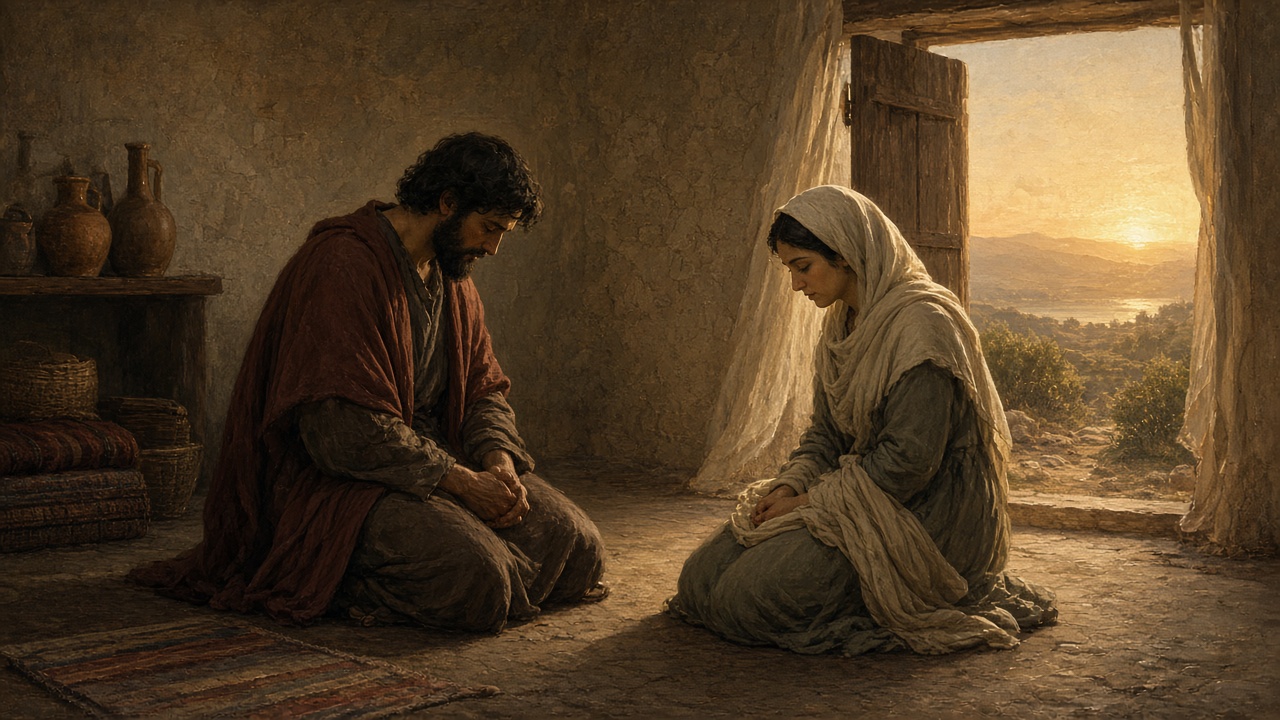
Counsel on marriage and the present crisis
- The chapter opens as a reply to matters the readers had written about. The writer says it is good to abstain from sexual relations, yet, because there is so much sexual immorality, each man should have his own wife and each woman her own husband. He presents this as a concession, not as a command, and says that each person has their own gift from God.Sources: the Bible text itself
- In marriage, the writer says the wife does not have authority over her own body, but the husband does, and likewise the husband does not have authority over his own body, but the wife does. They should not deprive each other except by mutual consent and for a time, so they may devote themselves to prayer, and then come together again, so that Satan will not tempt them through lack of self-control. Easton's Bible Dictionary (1897) presents the name Satan as “adversary” or “accuser,” and notes that he tempted Jesus in the wilderness.Sources: the Bible text itself · Satan
- The writer distinguishes a command he attributes to the Lord—a wife must not separate from her husband, and a husband must not divorce his wife—from his own judgment where he says he, not the Lord, is speaking, including marriages with an unbeliever and questions about virgins. Because of what he calls the present crisis, and because he says the time is short and this world in its present form is passing away, he thinks it good to remain as one is. He adds that to marry is not to sin, though those who marry will face troubles in this life.Sources: the Bible text itself
Notes written with AI assistance from open sources (Theographic Bible Metadata, CC BY-SA 4.0; Easton’s Bible Dictionary, public domain) and reviewed before publishing.
Credits and license for this translation
Ãcõrẽ Bed̶ea
New Testament in Emberá, Northern (PM:emp:Emberá, Northern)
copyright © 2011 Wycliffe Bible Translators, Inc.
Language: Emberá, Northern
Translation by: Wycliffe Bible Translators, Inc.
Copyright Information
© 2011, Wycliffe Bible Translators, Inc. All rights reserved.
This translation text is made available to you under the
terms of the Creative Commons License: Attribution-Noncommercial-No Derivative Works.
( http://creativecommons.org/licenses/by-nc-nd/3.0/ )
In addition, you have permission to port the text to different file formats, as long as you
do not change any of the text or punctuation of the Bible.
You may share, copy, distribute, transmit, and extract portions
or quotations from this work, provided that you include the above copyright
information:
You must give Attribution to the work.
You do not sell this work for a profit.
You do not make any derivative works that change any of the actual words or punctuation of the Scriptures.
Permissions beyond the scope of this license may be
available if you contact
us with your request.
The New Testament
in Emberá, Northern
© 2011, Wycliffe Bible Translators, Inc. All rights reserved.
This translation is made available to you under the terms of the
Creative Commons Attribution-Noncommercial-No Derivatives license 4.0.
You may share and redistribute this Bible translation or extracts from it in any format, provided that:
You include the above copyright and source information.
You do not sell this work for a profit.
You do not change any of the words or punctuation of the Scriptures.
Pictures included with Scriptures and other documents on this site are licensed just for use with those Scriptures and documents.
For other uses, please contact the respective copyright owners.
2014-04-24
Source: http://ebible.org/empNTpo/ · eBible.org