1 Corinthians 2
Ãcõrẽ Bed̶ea · Tap a verse to see its cross-references.
Crito crud̶e beud̶ad̶ebema Pauloba jaradiad̶a
1Djabarã, mʌ̃a Ãcõrẽnebemada bãrãmaa jaradiad̶e wãsid̶e bed̶ea bia quirud̶eba ni mʌ̃ necawaad̶eba jaradiaẽ́ basía. 2Bãrã tãẽna b̶asid̶e mʌ̃a ab̶abe Jesucritod̶ebemada, idji crud̶e beaped̶ad̶ada cawabi quĩrĩã b̶asia. 3Maʌ̃ne mʌ̃ra ʌb̶ʌaẽ́ b̶ʌda crĩchasia. Idjab̶a poya bia jaradiaẽ́da crĩcha b̶ad̶a bẽrã ne wayaaba cacua ure nũmabadjia. 4Mʌ̃a Jesud̶ebema nẽbʌrʌ b̶asid̶e idjab̶a jaradia b̶asid̶e mʌ̃ necawaad̶eba mãwã oẽ́ basía bãrãba ĩjãnamãrẽã. Ãtebʌrʌ jaradia b̶ʌd̶e Ãcõrẽ Jaureba idji ʌb̶ʌad̶eba cawabisia maʌ̃ bed̶eara wãrã arada. 5Mãwã bãrãba naʌ̃ ẽjũãnebema necawaad̶eba Jesucritora ĩjãnaẽ́ basía, ãtebʌrʌ Ãcõrẽ ʌb̶ʌad̶eba ĩjãsid̶aa.
Ãcõrẽba naẽna cawabiẽ́ b̶ad̶ara idji Jaured̶eba cawabid̶a
6Mãwãmĩna daiba necawaada Ãcõrẽ bio ĩjã b̶eaa jaradia panʌa. Maʌ̃ necawaara naʌ̃ ẽjũãnebemaẽ́a, naʌ̃ ẽjũãnebema bororã necawaẽ́a. Ãdjirãra dãrã pananaẽ́a. 7Daiba Ãcõrẽ necawaa naẽna cawabiẽ́ b̶ad̶ada jaradia panʌa. Naʌ̃ ẽjũã oi naẽna Ãcõrẽba maʌ̃ necawaad̶eba ne oida b̶ʌsia dadjirãra idji ume ãbaa bia b̶ead̶amãrẽã. 8Naʌ̃ ẽjũãnebema bororã ni ab̶aʌba maʌ̃ necawaara cawad̶aẽ́ basía. Cawa pananabara dadjirã Boro biya quirura crud̶e bead̶aẽ́ bacasia. 9Baribʌrʌ cawad̶aẽ́ basía Ãcõrẽ Bed̶ead̶e b̶ʌ́ b̶ʌ quĩrãca. Nãwã b̶ʌ́ b̶ʌa:
Ãcõrẽba idji quĩrĩã b̶ea itea bia o erob̶ʌra ni ab̶aʌba wad̶i ununacaa, cʌwʌrʌba ũrĩnacaa, ni cawa crĩchad̶acaa.
10Jũma maʌ̃gʌra Ãcõrẽba idji Jaured̶eba dadjirãa cawabisia. Idji Jaureba ne jũmada cawa b̶ʌa. Ãcõrẽ crĩcha sid̶a jũma cawa b̶ʌa. 11¿Ẽberã crĩchara caiba cawa b̶ʌ? Ara idjidub̶abʌrʌ cawa b̶ʌa. Ara maʌ̃ quĩrãca ni ab̶aʌba Ãcõrẽ crĩchara poya cawad̶aẽ́a. Ab̶abe Ãcõrẽ Jaurebʌrʌ cawa b̶ʌa. 12Dadjirãba naʌ̃ ẽjũãnebema crĩchada edad̶aẽ́ basía, ãtebʌrʌ Ãcõrẽ Jauredrʌ edasid̶aa jũma Ãcõrẽba idji biad̶eba diad̶ada cawad̶amãrẽã. 13Ara maʌ̃gʌd̶ebemada daiba bed̶ea panʌa. Baribʌrʌ daiba naʌ̃ ẽjũãnebema necawaad̶eba bed̶ea panʌẽ́a, ãtebʌrʌ Ãcõrẽ Jaureba daia jaradia b̶ʌ quĩrãca bed̶ea panʌa. Mãwã Ãcõrẽ Jaureba cawabi b̶ʌra daiba jaradia panʌa idjia bed̶eabi b̶ʌ quĩrãca.
14Baribʌrʌ Ãcõrẽ Jaureba cawabi b̶ʌra Ãcõrẽ Jaure neẽ́ b̶ʌba cawa quĩrĩãcaa, idjimaarã siriẽ́ b̶ʌ bẽrã. Idjab̶a poya cawacaa, ab̶abe Ãcõrẽ Jaured̶eba cawaida b̶ʌ bẽrã. 15Ãcõrẽ Jaure neẽ́ b̶ʌba Ãcõrẽ Jaure erob̶ʌ crĩchara poya cawaẽ́a. Baribʌrʌ Ãcõrẽ Jaure erob̶ʌba Ãcõrẽnebemada poya bio cawaya. 16Ãcõrẽ Bed̶ead̶e nãwã b̶ʌ́ b̶ʌa: “¿Caiba dadjirã Boro crĩchara cawa b̶ʌ? ¿Caiba idjía jaradiai?” Baribʌrʌ dadjirãba Crito crĩchada eropanʌa.
Did you know?
Christ crucified and the Spirit's wisdom
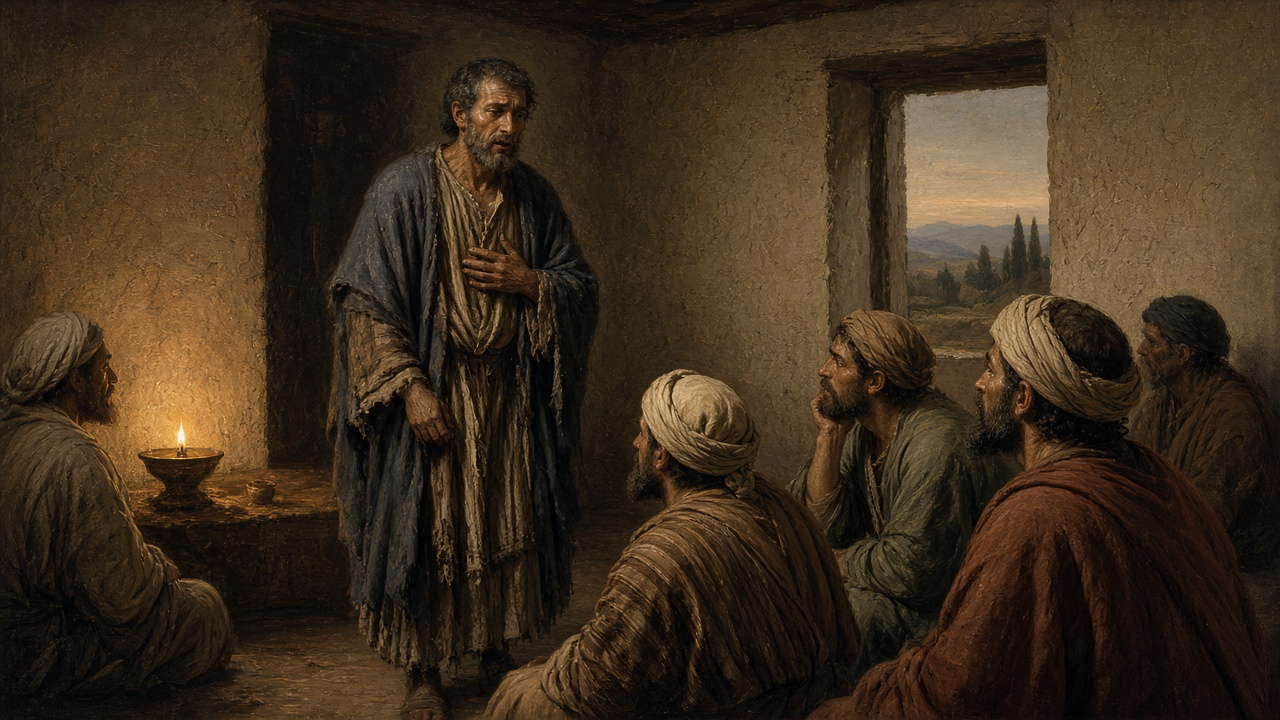
- The writer says he did not come with eloquence or wisdom when he proclaimed the testimony about God. He had resolved to know nothing while he was with them except Jesus Christ and him crucified, and he came in weakness, fear, and much trembling, so their faith would rest on God's power rather than on human wisdom.Sources: the Bible text itself
- The wisdom spoken among the mature is not the wisdom of this age or of its rulers, who are coming to nothing. It is called God's mysterious, hidden wisdom, destined for glory before time began; those rulers did not understand it, or they would not have crucified the Lord of glory.Sources: the Bible text itself
- The chapter says God has revealed by the Spirit what lies beyond human sight, hearing, and imagination. Only a person's own spirit knows that person's thoughts, and only the Spirit of God knows God's thoughts. The natural person does not accept what comes from the Spirit, treats it as foolishness, and cannot understand it, because it is spiritually discerned.Sources: the Bible text itself
Notes written with AI assistance from open sources (Theographic Bible Metadata, CC BY-SA 4.0; Easton’s Bible Dictionary, public domain) and reviewed before publishing.
Credits and license for this translation
Ãcõrẽ Bed̶ea
New Testament in Emberá, Northern (PM:emp:Emberá, Northern)
copyright © 2011 Wycliffe Bible Translators, Inc.
Language: Emberá, Northern
Translation by: Wycliffe Bible Translators, Inc.
Copyright Information
© 2011, Wycliffe Bible Translators, Inc. All rights reserved.
This translation text is made available to you under the
terms of the Creative Commons License: Attribution-Noncommercial-No Derivative Works.
( http://creativecommons.org/licenses/by-nc-nd/3.0/ )
In addition, you have permission to port the text to different file formats, as long as you
do not change any of the text or punctuation of the Bible.
You may share, copy, distribute, transmit, and extract portions
or quotations from this work, provided that you include the above copyright
information:
You must give Attribution to the work.
You do not sell this work for a profit.
You do not make any derivative works that change any of the actual words or punctuation of the Scriptures.
Permissions beyond the scope of this license may be
available if you contact
us with your request.
The New Testament
in Emberá, Northern
© 2011, Wycliffe Bible Translators, Inc. All rights reserved.
This translation is made available to you under the terms of the
Creative Commons Attribution-Noncommercial-No Derivatives license 4.0.
You may share and redistribute this Bible translation or extracts from it in any format, provided that:
You include the above copyright and source information.
You do not sell this work for a profit.
You do not change any of the words or punctuation of the Scriptures.
Pictures included with Scriptures and other documents on this site are licensed just for use with those Scriptures and documents.
For other uses, please contact the respective copyright owners.
2014-04-24
Source: http://ebible.org/empNTpo/ · eBible.org