1 Chronicles 21
Ãcõrẽ Bed̶ea · Tap a verse to see its cross-references.

About this book
About 1 Chronicles
- The two books now called 1 and 2 Chronicles were originally one. Their Masoretic Hebrew title is Dibre hayyamim, “Acts of the Days,” which Jerome rendered Chronicon in Latin, the source of the name Chronicles. The Septuagint divides the work and titles it Paraleipomena, “things omitted” or “supplements,” because it contains much omitted from the Books of Kings.Sources: Easton: Chronicles, Books of
- Easton's Bible Dictionary (1897) reports that Jewish tradition, universally received until the middle of the seventeenth century, regarded Ezra as the author of Chronicles. Easton dates the composition after the Babylonian Exile, probably between 450 and 435 B.C., and concludes that the writer was contemporary with Zerubbabel, whose family details appear in 1 Chronicles 3:19. He also notes that the language is generally Aramaic in character, like other books written after the Exile, and that the end of Chronicles and the beginning of Ezra are almost identical in expression.Sources: Easton: Chronicles, Books of
- The first nine chapters of 1 Chronicles contain little more than genealogies in the line of Israel down to David; the remainder is a history of David's reign. Easton calls the two books an epitome of sacred history from the days of Adam to the return from the Babylonian Exile. They close with the proclamation of Cyrus permitting the Jews to return to their land, which also opens Ezra, a book Easton views as a continuation of Chronicles.Sources: Easton: Chronicles, Books of
- In Easton's account, these books are didactic rather than mainly political: the writer does not give political events the prominence they have in Samuel and Kings, but attends to religious institutions. The genealogies, the entry notes, were public records on which land was distributed and held and by which the temple services were arranged and conducted, a charge of the Levites and their descendants.Sources: Easton: Chronicles, Books of
Notes written with AI assistance from open sources (Theographic Bible Metadata, CC BY-SA 4.0; Easton’s Bible Dictionary, public domain) and reviewed before publishing.
Daviba Israeld̶ebema sordaorã juachabid̶a
1Maʌ̃ ewarid̶e diauruba israelerãra biẽ́ osia. Idjia Davia crĩchabisia Israeld̶ebema sordaorãra juachaida. 2Maʌ̃ bẽrã Daviba Joáa, waabema sordao bororãa bid̶a nãwã jarasia:
–Jũma Israel druad̶e umaquĩrã djõ cawa b̶eada juachad̶e wãnadua Beersebá purud̶eba ab̶a Daʌ̃ purud̶aa. Juachad̶aped̶a mʌ̃́a jarad̶e zed̶adua cawai carea jũmasãwã panʌda.–
3Baribʌrʌ Joába jarasia:
–Mʌ̃ boro, ¡Ãcõrẽba idji puru Israelda b̶arima cien aud̶u yõbibʌrʌ bio bia b̶aya! ¿Jũma ãdjirãra bʌare panʌẽ́ca? ¿Cãrẽ cãrẽã bʌa mãwã juachabi b̶ʌ? ¿Cãrẽã dadji israelerãra nẽbʌrad̶e b̶ʌ́ quĩrĩã b̶ʌ?–
4Joába mãwã jarad̶amĩna Daviba wad̶ibid̶a juachabisia. Ara maʌ̃da Joába jũma Israel druad̶e juachad̶e wãped̶a jẽda Jerusaleʌ̃naa zesia. 5Maʌ̃be Davia jarasia Juda druad̶e 470 mil sordaorãda panʌda idjab̶a waabema israelerã druad̶e miyoʌ̃ aud̶u cien mil panʌda. 6Baribʌrʌ Joába Levid̶eba yõped̶ad̶ara, Benjamiʌ̃neba yõped̶ad̶arã sid̶a juachaẽ́ basía, Daviba juachabi jarad̶ara bia ũrĩnaẽ́ bẽrã.
7Ãcõrẽ bid̶a Daviba juachabid̶ara bia unuẽ́ basía. Maʌ̃ carea israelerãra cawa osia. 8Maʌ̃ bẽrã Daviba Ãcõrẽa nãwã jarasia:
–Wãrãda mʌ̃a sordaorã juachabid̶ara cadjirua basía. Baribʌrʌ mʌ̃ quĩrã djuburia maʌ̃ cadjirua od̶ara quĩrãdoadua. Mʌ̃a wãrãda crĩcha neẽ́ b̶ʌ quĩrãca osia.–
9Maʌ̃ ewarid̶e Ga abadaba Davia Ãcõrẽneba bed̶eabadjia. Ãcõrẽba Gaa nãwã jarasia:
10–Davimaa wãped̶a jaradua mʌ̃a cawa oida. Mʌ̃a cawa oi crĩchada ũbea erob̶ʌa. Maʌ̃gʌd̶ebemada idjia ab̶a edaida b̶ʌa.–
11Ara maʌ̃da Gara Davimaa wãped̶a nãwã jarasia:
–Ãcõrẽba nãwã jara b̶ʌa: “Mʌ̃a cãrẽneba cawa oida bʌabʌrʌ jaraida b̶ʌa. Naʌ̃nebemada ab̶a edadua: 12poa ũbea jarraba zeida, jed̶eco ũbea dji quĩrũba bãrãra poya pananida, wa ewari ũbea Ãcõrẽba bãrãra cacua biẽ́ b̶ʌida. Maʌ̃ ewari ũbead̶e bajãnebema nezocaba jũma Israel druad̶e ẽberãrãda quinibiya.” Maʌ̃gʌd̶ebemada ab̶a edadua mʌ̃a Ãcõrẽa jarai carea.–
13Maʌ̃ne Daviba Gaa panusia:
–¡Mʌ̃ra nẽbʌra dromane b̶ʌa! Baribʌrʌ Ãcõrẽra quĩrã djuburiaid̶a b̶ʌ bẽrã, biara b̶ʌa mʌ̃ra idji jʌwad̶e b̶aeida ẽberãrã jʌwad̶e b̶aei cãyãbara.–
14Daviba mãwã jarad̶a bẽrã Ãcõrẽba israelerãra cacua biẽ́ b̶ʌsia. Maʌ̃ne setenta mil quinisid̶aa. 15Maʌ̃be Ãcõrẽba bajãnebema nezocada Jerusaleʌ̃nebemarã quenane diabuesia. Mãwã quena b̶ʌda Ãcõrẽba acʌ b̶asia. Maʌ̃ne sopuaped̶a waa quenabiẽ́ basía. Bajãnebema nezocaa nãwã jarasia:
–¡B̸esia! ¡Waa quenarãdua!–
Mãwã jarasid̶e bajãnebema nezocara jebuseo Ornaʌ̃ba trigo cʌrʌbarima b̶asia. 16Daviba ʌ̃taa acʌbʌrʌd̶e unusia bajãnebema nezocara ʌ̃tʌ jira b̶ʌda. Djõbada necoda idji jʌwad̶e erob̶asia. Maʌ̃ necora Jerusaleʌ̃ purud̶aa wa nũmasia. Maʌ̃ unubʌrʌd̶e Davira, idjiare b̶ea dji dromarã sid̶a chĩrãborod̶e b̶arru copanesid̶aa. Ãdjirãba sopua careabema jʌ̃badara jʌ̃ panasid̶aa. 17Maʌ̃be Daviba Ãcõrẽa nãwã jarasia:
–Mʌ̃abʌrʌ sordaorãra juachabisia. Mʌ̃abʌrʌ maʌ̃ cadjiruara osia. Naʌ̃ bed̶ea neẽ́ qued̶eaba ¿cãrẽ cadjiruada osid̶a? Mʌ̃ Boro Ãcõrẽ, mʌ̃ quĩrã djuburia mʌ̃ra, mʌ̃ ẽberãrã sid̶a cawa odua. Waa bʌ puruda quinibirãdua.–
18Maʌ̃ne Ãcõrẽ nezoca bajãnebemaba Gaa nãwã jarasia:
–Davia jaradua jebuseo Ornaʌ̃ba trigo cʌrʌbarima animarã babue diabadada mʌ̃ itea omãrẽã.–
19Ara maʌ̃da Gaba Ãcõrẽ trʌ̃neba jarad̶ara Daviba od̶e wãsia. 20Ornaʌ̃ba trigo cʌrʌ b̶ʌd̶e jẽda acʌped̶a bajãnebema nezocara unusia. Idji warrarã quĩmãrẽ panʌ bid̶a ununaped̶a mĩrũsid̶aa. 21Davi Ornaʌ̃ma jũẽbʌrʌd̶e Ornaʌ̃ba idjira unusia. Maʌ̃ bẽrã idji trigo cʌrʌbarimaʌba Davimaa wãped̶a chĩrãborod̶e b̶arru cob̶esia. 22Maʌ̃ne Daviba Ornaʌ̃a jarasia:
–Bʌ trigo cʌrʌbari ẽjũãra mʌ̃́a nẽdobuedua animarã babue diabadada Ãcõrẽ itea oi carea. Mʌ̃a mãwã oibʌrʌ dai israelerãra waa quininaẽ́a. Dji ẽjũã nẽbʌara mʌ̃a jũma diaya.–
23Ornaʌ̃ba panusia:
–Mʌ̃ boro, ara jãwã bari edadua. Maʌ̃be bʌa quĩrĩã b̶ʌ quĩrãca odua. Mʌ̃a pacada diaya Ãcõrẽa babue diamãrẽã. Maʌ̃ awara tʌbʌ carea dji trigo cʌrʌbari bacuruda diaya. Trigo sid̶a diaya Ãcõrẽa babue diamãrẽã. Maʌ̃gʌra mʌ̃a jũma bari diaya.–
24Baribʌrʌ israelerã boro Daviba panusia:
–Mãwãẽ́a. Mʌ̃a bari edaẽ́a ãtebʌrʌ dji nẽbʌa daucha diaya. Mʌ̃a bʌreda Ãcõrẽa diai carea bari edaẽ́a. Animarã bari edad̶ara mʌ̃a Ãcõrẽa babue diaẽ́a.–
25Maʌ̃ bẽrã Daviba Ornaʌ̃ ẽjũãbari oroda quince libra diasia. 26Mama Daviba animarã babue diabadada Ãcõrẽ itea osia. Maʌ̃be Ãcõrẽa animarãda jũma babue diacuasia idjab̶a Ãcõrẽ ume necai b̶ai carea animarã dragada babue diacuasia. Maʌ̃ne Ãcõrẽa quĩrã djuburiada iwid̶isia. Ãcõrẽba maʌ̃ra bia ũrĩna bẽrã bajãneba tʌbʌ uruada animarã babue diabada ʌ̃rʌ̃ b̶aebisia. 27Maʌ̃be Ãcõrẽba bajãnebema nezocaa jarasia idji djõbari necoda wagamãrẽã. 28Maʌ̃ unubʌrʌd̶e Daviba cawasia Ãcõrẽba idji bed̶eara ũrĩsida. Maʌ̃ carea jebuseo Ornaʌ̃ba trigo cʌrʌ b̶ad̶ama animarãda Ãcõrẽa babue diacuasia. 29Maʌ̃ ewarid̶e Ãcõrẽ wua de Moiseba ẽjũã põãsa ewaraga b̶ʌd̶e od̶ara, animarã babue diabada sid̶a Gabaoʌ̃ puru caita b̶ʌ eyad̶e panasid̶aa. 30Baribʌrʌ Daviba Ãcõrẽa iwid̶i carea mamaa poya wãẽ́ basía. Ãcõrẽ nezocara idji djõbada neco bara ununa bẽrã mamaa wãida bio waya b̶asia.
Did you know?
David's Census and Ornan's Threshing Floor
- The phrase from Beersheba to Dan was a traditional Hebrew expression denoting the full extent of the Promised Land from south to north, covering a distance of approximately 144 miles.Sources: the Bible text itself · Beersheba
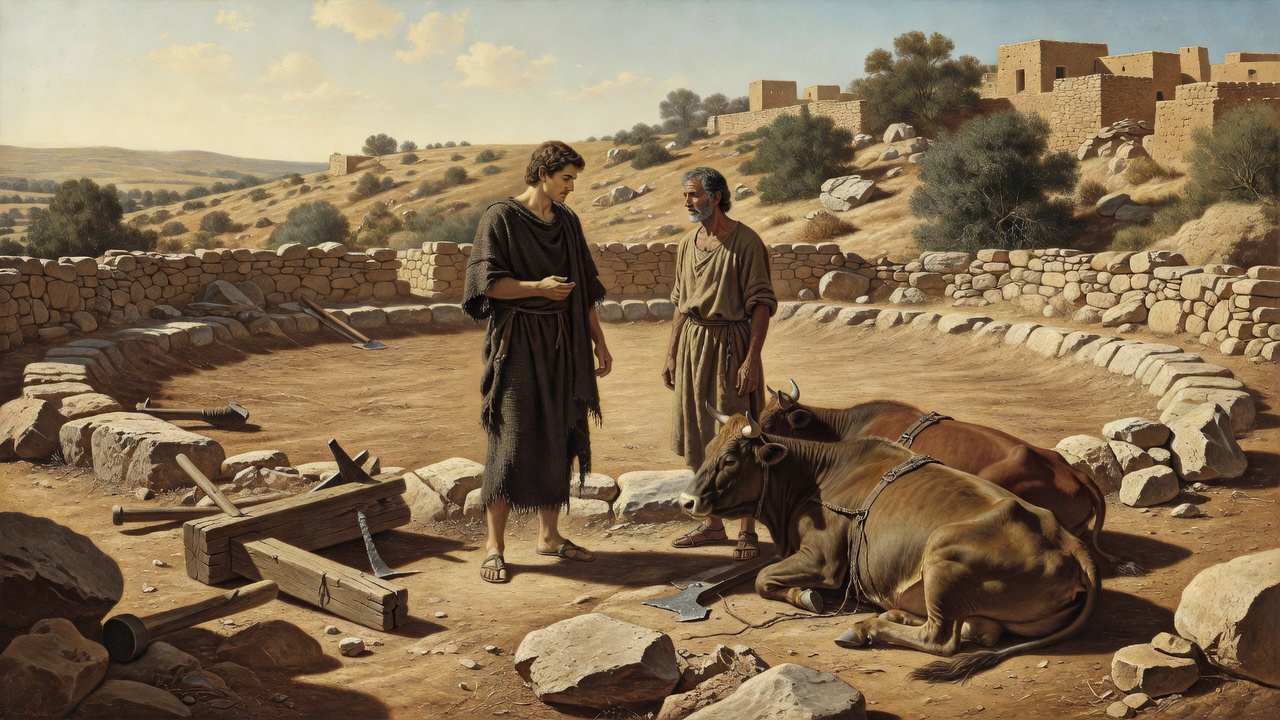
- The threshing floor of Ornan the Jebusite on Mount Moriah, which David insisted on buying at full price to offer sacrifices, later became the site where Solomon built the temple in Jerusalem.Sources: the Bible text itself · Ornan
- Although the wilderness tabernacle made by Moses and its bronze altar were located at the high place in Gibeon at this time, David sacrificed at Ornan's threshing floor because he was terrified of the angel of the Lord.Sources: the Bible text itself · Gibeon · Moses
Notes written with AI assistance from open sources (Theographic Bible Metadata, CC BY-SA 4.0; Easton’s Bible Dictionary, public domain) and reviewed before publishing.
Places in this chapter
- Dan · Today: Tel Dan · 33.249, 35.652 · verse 2
- Jerusalem · 31.777, 35.234 · verses 4, 15, 16
- Gibeon · Today: El Jib · 31.847, 35.183 · verse 29
Only places identified with high confidence are shown (90% or more according to the scholarly sources compiled by OpenBible). Period map: DARE (Digital Atlas of the Roman Empire), CC BY 4.0; modern map: © OpenStreetMap contributors; places: OpenBible.info (CC BY 4.0).
Credits and license for this translation
Ãcõrẽ Bed̶ea
New Testament in Emberá, Northern (PM:emp:Emberá, Northern)
copyright © 2011 Wycliffe Bible Translators, Inc.
Language: Emberá, Northern
Translation by: Wycliffe Bible Translators, Inc.
Copyright Information
© 2011, Wycliffe Bible Translators, Inc. All rights reserved.
This translation text is made available to you under the
terms of the Creative Commons License: Attribution-Noncommercial-No Derivative Works.
( http://creativecommons.org/licenses/by-nc-nd/3.0/ )
In addition, you have permission to port the text to different file formats, as long as you
do not change any of the text or punctuation of the Bible.
You may share, copy, distribute, transmit, and extract portions
or quotations from this work, provided that you include the above copyright
information:
You must give Attribution to the work.
You do not sell this work for a profit.
You do not make any derivative works that change any of the actual words or punctuation of the Scriptures.
Permissions beyond the scope of this license may be
available if you contact
us with your request.
The New Testament
in Emberá, Northern
© 2011, Wycliffe Bible Translators, Inc. All rights reserved.
This translation is made available to you under the terms of the
Creative Commons Attribution-Noncommercial-No Derivatives license 4.0.
You may share and redistribute this Bible translation or extracts from it in any format, provided that:
You include the above copyright and source information.
You do not sell this work for a profit.
You do not change any of the words or punctuation of the Scriptures.
Pictures included with Scriptures and other documents on this site are licensed just for use with those Scriptures and documents.
For other uses, please contact the respective copyright owners.
2014-04-24
Source: http://ebible.org/empNTpo/ · eBible.org