John 10
Nan kalen apo Dios (Nan fiarú ay turag) · Tap a verse to see its cross-references.
Nan Maepadpachongan Maepangkep As Nan Ammay Ay Mun-ay-aywan As Karnero
1Infiakian Jesus na ay maepadpachongan kan chicha: “ Ifiakiak kan chakayu nan tit-iwa. Nan taku ay achi sungkop as nan sugpan nan punchag chi karnero, ngem kun uy komarab as nan arad at mangaakiw ya homohold-ap. 2Nan taku ay sungkop as nan sugpan at hiya nan mangay-aywan as nan karnero. 3Hiya nan paskopun nan munkukuwarcha as nan sugpan. As nan manguyawan nan mangay-aywan as nan ngachan nan tunggal usa as nan chiyuycha karnerona at ematonancha nan kalina at umuycha kan hiya. Angkiay ya epanguna chicha ay pumitiw. 4Kuna pay enpapitiw am-in nan kuwana, epanguna chicha, ya nan karnerona at umunudcha kan hiya, tay ammucha nan kalina. 5Achicha umunud as nan tukún, ngem kuncha at lomayaw ay manaynan kan hiya, tay achicha ammu nan kalina.” 6Hiyana nan maepadpachongan ay infiakian Jesus kan chicha, ngem chaancha naawatan nan laychuna ay kanan.
Hi Jesus Nan Ammay Ay Mangay-aywan
7Isunga kasin kenalen Jesus kan chicha, “ Ifiakiak kan chakayu nan tit-iwa. Ha-un nan maepachong as nan sugpan ay sungkopan nan chiyuycha karnero. 8Nan am-in ay enmon-ona ay enmali mu ha-un at chicha nan mangaakiw ya homohold-up, ngem chaan enafurot nan chiyuycha karnero chicha. 9Ha-un nan sugpan. Mu ngachana nan sungkop ay manguy kan ha-un at maesarakan. Maepachong hiya as nan karnero ay mafialin ay sungkop ya pumitiw ay mun-anap as munkiarafiana.
10“ Nan mangaakiw at omali yangkiay ay mangakiw, pomatuy, ya chumachael. Kun pay ha-un, enmaliyak ta nan tataku ay chicha nan maepachong as nan karnerok at mawad-ancha as fiyag ay maid patingkiana ya maid kurangna.”
11Inturuy Jesus, “ Ha-un nan ammay ay mangay-aywan as karnero. Nan ammay ay mangay-aywan at nakasakiana ay mangichat as fiyagna para as nan karnerona uray mu matuy hiya. 12Nan malagfuwan ay fiakun tit-iwa ay mangay-aywan ya fiakun nakin kuwa as nan karnero at lomayaw ay manaynan as nan karnero mu wachay ilauna as atap ay asu ay cha omali. Nan atap ay asu at chupapuna nan karnero, ya pasisiyanuna chicha. 13Lomayaw hiya kiapú ta hiya at malagfuwan yangkiay, ya achina ayyiwan nan chiyuycha karnero. 14Ha-un nan ammay ay mangay-aywan as karnero. O, am-ammok nan karnerok, ya nan karnerok at am-ammuwak us. 15Hiyasa us kan Ama ay am-ammuwak ya am-ammok us hiya, ya ichatku nan fiyagku kiapú as nan karnerok. 16Wachacha nan tapina ay karnerok ay maid pay as nan nauy punchag. Masapor etoróngku us chicha hena, at chumngorchantu as nan kalek. Mu hiyasa, munfialincha as henpamurukian ya usa nan mangay-aywan kan chicha.
17“ Laylaychunak kan Amak, tay nakasakianaak ay mangichat as nan fiyagku ta kasinak challu mataku. 18Maid mangara as nan fiyagku kan ha-un, ngem ha-un challu nan nakin numnum ay mangichat. Wacha nan kalibfengak ay mangichat as nan fiyagku, ya wacha us nan kalibfengak ay mangara kasin. Hiyana nan filin ay enawatku kan Amak.”
19Kun pay chinngor nan chiyuycha Judio nan nauycha infiakian Jesus, tukutukún kasin chi mangnunumnumcha as nan maepangkep kan hiya. 20Ongor kan chicha nan nangali, “Naanennetan hiya! Natongok hiya! Adchi t'uy kayu chumngor kan hiya?”
21Ngem kenalen nan tapina, “Fiakun assesa nan kankanan chi naanennetan ya. Ay maepaammay nan anennet chi nafurag ta makaila?”
Nan Nangachiyan Nan Chiyuycha Judio Kan Jesus
22As nan chinamuy, wacha nan Fiasta ay Maichatonan chi Templo ad Jerusalem. 23Cha manarcharan hi Jesus as nan makali un Fiangsar Solomon as Templo. 24Enarufong nan chiyuycha Judio hi Jesus, ya kanancha, “Anan uyaka man chi mangpapasugchanam kan chakami? Mu he-a nan Cristo, elawlawagmu man ay mangifiakia kan chakami.”
25Tinumfor hi Jesus kan chicha, “ Infiakiak at kan chakayu, ngem kunyu challu achi afurotun. Nan chiyuycha nakaskaschaaw ay chak at-atun as nan kalibfengan Ama at chatona nan mangepaneknek as nan maepangkep kan ha-un. 26Ngem kun kayu achi omafurot kiapú ta fiakun chakayu nan karnerok. 27Nan chiyuycha karnerok at ematonancha nan kalek. Ammok chicha, ya umunudcha kan ha-un. 28Ettak chicha as fiyag ay maid patingkiana, ya achichantu poros maisiyan kan Apo Dios. Maidtu mammamros kan chicha kan ha-un. 29Hi Amak ay nangichat kan chicha kan ha-un at am-amud mu nan am-in. Maid makafiael ay mamros kan chicha as nan mangay-aywanan Dios Ama. 30Ha-un ya hi Ama at us-usa kami.”
31Kun pay chinngor nan chiyuycha Judio, kasincha pinmichet as fiatu as elomtakcha kan hiya. 32Kenalen Jesus kan chicha, “ Ongor nan ammay ay nakaskaschaaw ay enpailak kan chakayu babaen as nan pannakafialin Ama. Ay chaud as nan nauycha ay enpailak nan kiapúna as uyyu manglomtakan kan ha-un?”
33Tinumfor nan chiyuycha Judio kan hiya, “Fiakun nan ammay ay enatmu nan kiapúna as manglomtakanmi kan he-a, ngem kiapú as nan kenalem ay maifusor kan Apo Dios. Kunka lawá taku ya, ngem munfialinum chi achormu as Dios.”
34Kenalen Jesus kan chicha, “ Ay kun chaan naisurat as nan Lintigyu ay kenalen Apo Dios un, ‘Kenalek un ap-apodios kayu’? 35Ammu takú met ay nan naisurat as nan Kalen Apo Dios at achi masoksokatan, ya enawakian Apo Dios as ap-apodios nan chiyuycha naichatan nan kalen Apo Dios. 36Kun pay ha-un, piniliyak kan Ama ya infiaorak asna's luta. Ay kananyu un chaak munkali as maifusor kan Apo Dios kiapú ta kenalek un, ‘Ha-un nan Anak Apo Dios’? 37Mu achek cha atun nan epadnon Ama at achiyak ud-ay afurotun. 38Ngem mu atok chaná, uray achiyak afurotun, afurotunyu koma nan chiyuycha chak atuatun ta maammuwanyu ya maawatanyu ay wacha hi Ama kan ha-un, ya wachaak us kan hiya.”
39Penachascha kasin ay mangtiliw kan Jesus, ngem enlayawana chicha. 40Angkiay ya kasin nunfiangad hi Jesus ay kinumchang henan wawwang ay Jordan henan lukiar ay nunfunfunyakian Juan ad kasin, ya hid-i nan nagyanana. 41Ongor ay tataku nan inmuy kan hiya, at kenalicha, “Maid enat Juan as nakaskaschaaw ay sinyar, ngem am-in ay kenarkalen Juan maepangkep kan tona ay taku at tit-iwa.” 42Ongor ay tataku nan enmafurot kan Jesus hid-i.
Did you know?
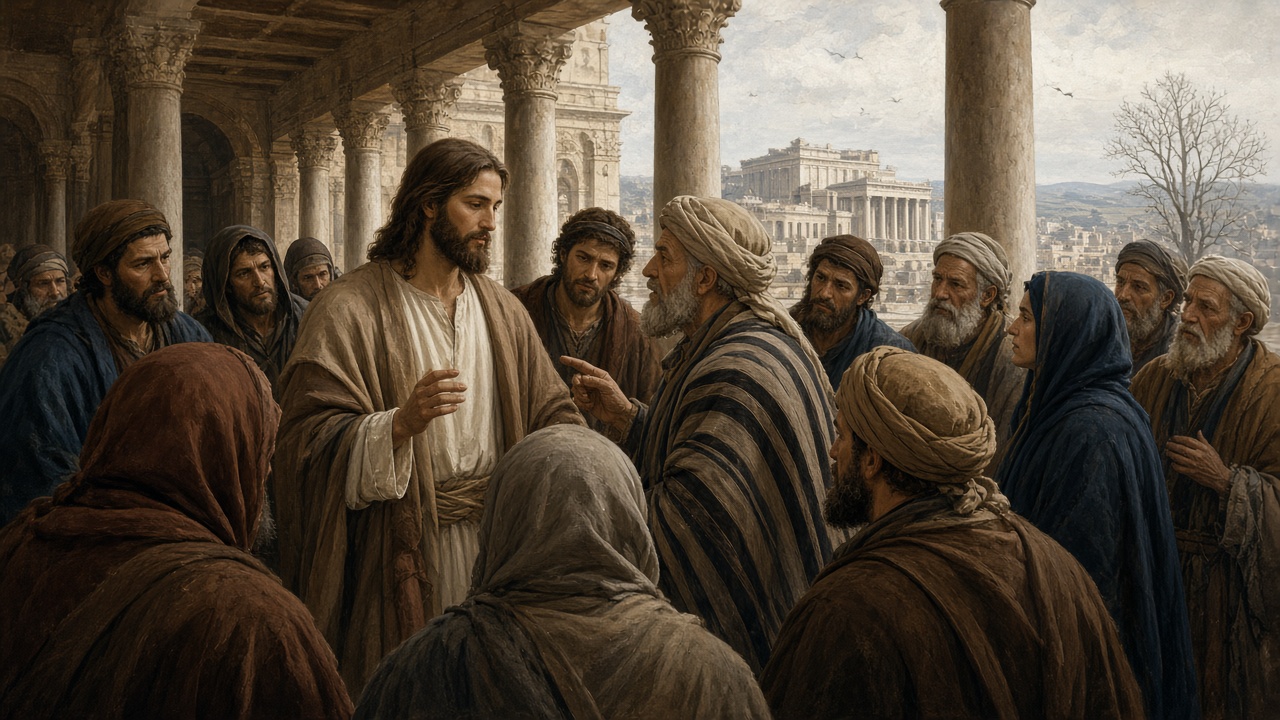
The Good Shepherd
- During the Feast of Dedication in Jerusalem it was winter, and Jesus was walking in the temple courts in Solomon's Colonnade. The name Jerusalem, in a dual form, means "possession of peace" or "foundation of peace"; that form probably refers to the mountains of Zion and Moriah, or, as some suppose, to the upper and lower city. Solomon's Hebrew name, Shelomoh, means "peaceful."Sources: the Bible text itself · Jerusalem · Solomon
- A chronology of Gospel events dates the Good Shepherd teaching to AD 29, and dates a time of teaching and healing from Perea to Jerusalem to AD 30.Sources: The Good Shepherd Teaching · Teaching and Healing in Perea to Jerusalem
- Jesus then went back across the Jordan to the place where John had first been baptizing, and many people there believed in him. John was of priestly descent: his father, Zacharias, was a priest of the course of Abia, and his mother, Elisabeth, was of the daughters of Aaron. His birth, six months before that of Jesus, was foretold by an angel; those who came said that John never performed a sign, yet everything he had said about Jesus was true.Sources: the Bible text itself · John the Baptist
Notes written with AI assistance from open sources (Theographic Bible Metadata, CC BY-SA 4.0; Easton’s Bible Dictionary, public domain) and reviewed before publishing.
Places in this chapter
- Jerusalem · 31.777, 35.234 · verse 22
- Solomon’s Portico · Today: in Jerusalem · 31.777, 35.234 · verse 23
- Jordan · Today: Jordan River · 31.761, 35.558 · verse 40
Only places identified with high confidence are shown (90% or more according to the scholarly sources compiled by OpenBible). Period map: DARE (Digital Atlas of the Roman Empire), CC BY 4.0; modern map: © OpenStreetMap contributors; places: OpenBible.info (CC BY 4.0).
Credits and license for this translation
Nan kalen apo Dios (Nan fiarú ay turag)
New Testament in Bontok, Eastern
copyright © 2003 Wycliffe Bible Translators, Inc.
Language: Eastern Bontok (Bontok, Eastern)
Translation by: Wycliffe Bible Translators, Inc.
Copyright Information
© 2003, Wycliffe Bible Translators, Inc. All rights reserved.
This translation text is made available to you under the
terms of the Creative Commons License: Attribution-Noncommercial-No Derivative Works.
( http://creativecommons.org/licenses/by-nc-nd/3.0/ )
In addition, you have permission to port the text to different file formats, as long as you
do not change any of the text or punctuation of the Bible.
You may share, copy, distribute, transmit, and extract portions
or quotations from this work, provided that you include the above copyright
information:
You must give Attribution to the work.
You do not sell this work for a profit.
You do not make any derivative works that change any of the actual words or punctuation of the Scriptures.
Permissions beyond the scope of this license may be
available if you contact
us with your request.
The New Testament
in Bontok, Eastern
© 2003, Wycliffe Bible Translators, Inc. All rights reserved.
This translation is made available to you under the terms of the
Creative Commons Attribution-Noncommercial-No Derivatives license 4.0.
You may share and redistribute this Bible translation or extracts from it in any format, provided that:
You include the above copyright and source information.
You do not sell this work for a profit.
You do not change any of the words or punctuation of the Scriptures.
Pictures included with Scriptures and other documents on this site are licensed just for use with those Scriptures and documents.
For other uses, please contact the respective copyright owners.
2014-08-06
Source: http://ebible.org/ebk/ · eBible.org