John 3
Dhuwaya Scripture · Tap a verse to see its cross-references.

About this book
About John
- Easton's Bible Dictionary (1897) attributes the Gospel of John to the apostle John and says it was probably written at Ephesus about A.D. 90. It notes that after Jerusalem was destroyed in A.D. 70, Ephesus became a center of Christian life and activity in the East, and that from about 1820 many attempts were made to deny that John was the author.Sources: Easton: John, Gospel of
- The narrative is set in the time of Pontius Pilate, the sixth Roman procurator of Judea from A.D. 26 to 36, whose headquarters were at Caesarea and who often went up to Jerusalem. Judea was then the southernmost of Palestine's three divisions, distinguished from Galilee and Samaria, and was part of the Roman province of Syria; the Gospel also places a wedding at Cana, a town of Galilee near Capernaum.Sources: Pontius Pilate · Judea · Cana
- After the prologue (1:1-5), Easton says the historical narrative begins at verse 6 and falls into two parts. The first (1:6 through chapter 12) follows the public ministry from John the Baptist's introduction of Jesus until that ministry closes. The second (chapters 13-21) presents him in private life with his immediate followers (13-17) and then recounts his sufferings and his appearances to the disciples after the resurrection (18-21).Sources: Easton: John, Gospel of
- Easton lists four distinctive features: the relation of the Son to the Father, the relation of Christ to believers, the announcement of the Holy Spirit as the Comforter, and the prominence given to love in Christian character. The dictionary says the Gospel was addressed primarily to Christians.Sources: Easton: John, Gospel of
- Easton notes that it was once supposed John wrote to supply omissions in the first three Gospels, but says there is no evidence for this. Citing Reuss, it describes the book instead as a historical presentation of Christian faith centered on the person of Christ, picturing the world's antagonism to the truth revealed in him and the spiritual blessedness of the few who yield themselves to him as the Light of life.Sources: Easton: John, Gospel of
Notes written with AI assistance from open sources (Theographic Bible Metadata, CC BY-SA 4.0; Easton’s Bible Dictionary, public domain) and reviewed before publishing.
Djesuyu Ḻakaŋaya Nhaltjan Yurru Yolŋu Dhawal-wuyaŋi Bulu
1Ga waŋgany yolŋu gurrana nhinana ŋunhaya wäŋaŋu, yurru yäkuya ŋayi ŋunhi ḏirramuya Nicodemus. Yurru ŋayi Rom-djäkami Pharisee ḏarramuya, ŋurruŋu ŋayi Jews-ku bäpurru'wu.
2Ga waŋganymi munhaku, ŋayi ŋunhi Rom-djäkami Pharisee ḏirramu marrtji bala Djesuwaya, ga waŋa nhanukaya bitjana, “Wäy Marŋgikunhami, ŋanapu marŋgi nhuŋuya ŋunhi nheya dhuwaya djuy'yunaya God-Waŋarrwuŋu, bili nhuŋu djämaya wirrki warray latju' ga ganydjarrmi. Yaka yurru ŋula yolŋuyu djäma bitjandhi ŋayipiya gänaya. God-kayana yana ganydjarrkyu yurru yolŋuya djäma bitjandhi.”
3Bala ŋayi Djesuya waŋa mayali'mi dhäwu buku-wakmama nhanŋu Nicodemus-kuya bitjana, “Märr-yuwalk ŋarra nhuŋu gurra ḻakamaya dhuwaya. Ŋunhi nhe yurru dhawal-wuyaŋi bulu, nhe yurru nhämana God-kuya Rom.”
4Bala ŋayi Nicodemus-tja waŋa bitjana, “Nhaltjana ŋayi yurru yolŋu bulu dhawal-wuyaŋiya? Nhaltjana yurru bathala yolŋu gärri ŋäṉḏi'miŋuwaya guḻundhi, ga bulu yurru dhawal-wuyaŋi?” Bitjana ŋayi ŋunhi Rom-djäkamiyuya ḏarramuyu dhä-wirrk'yun ŋanya Djesuna.
5Bala ŋayi Djesuya ḻakama nhanŋu bitjana, “Märr-yuwalk ŋarra nhuŋu gurra ḻakamaya dhuwaya. Ŋunhi ŋayi yurru yolŋu yaka dhawal-wuyaŋi gapuyu ga Birrimbirryu bulu, ŋayi yurru ŋunhiya yolŋu yakana gärri God-kaya Romdhi. Ŋunhi ŋayi ŋuli yuṯa yothu dhawal-wuyaŋi ŋäṉḏi'miŋuwaya guḻunŋu, ŋunhiya yothu ŋuli rumbalnha yana walŋa, ga ŋunhi ŋayi yurru yolŋu ŋula yolthu ŋätthun God-ku Dhuyu Birrimbirr nhanukaya ŋayi ŋayaŋuyi, ŋayiya yurru ŋunhiyiya yolŋu yuṯathina, bili ŋayi yurru ŋunhiyi bulu dhawal-wuyaŋi God-kaya Walŋamiyu Birrimbirryu. Bala ŋayi yurru ŋunhiyiya yolŋu walŋana djinawa'ya ŋayaŋu ga birrimbirr nhanŋu. Ŋunhi nhe yurru dhawal-wuyaŋi bulu ga yuṯathi, bala nhe yurru nhina God-kayana Romŋu walŋana yana.
7Yaka ṉirr'yu dhiyaŋuya ŋunhi ŋarra nhuŋu bitjana ḻakaŋaya, ‘Nhuma yurru bulu dhawal-wuyaŋi.’ 8Marŋgi nhe watawuya ŋunhi ŋuli wata biwu'yun bala wanhama ŋayi ŋuli djälthi. Ŋäma nhe ŋuli ŋunhiyi watana rirrakay, yurru yaka nhe marŋgi ŋuriki watawu wanhaŋu ŋuli ŋunhiyi biwu'yun, ga wanhama ŋayi ŋuli bo'yun. Ga yakana nheya ŋuli nhäma Walŋaminaya Birrimbirrnha, ŋunhi ŋayi ŋuli yolŋuwaya ŋayaŋuyi gärri, yurru yuwalkna yana ŋayi yurru yolŋuya ŋunhiyi dhawal-wuyaŋina bulu God-kaya walŋayu ŋuriŋiyi.” Ga bitjana ŋayi Djesuya ḻakaŋama nhanŋu Nicodemus-kuya.
9Bala ŋayi Nicodemus-thuya dhä-wirrka'yuna Djesuna bitjana, “Nhaltjana yurru bitjannydja?”
10Ga Djesuya waŋa nhanukaya bitjana, “Nhe ga dhuwaya marŋgikunhamiya Israelpuyya, ŋe? Yurru yaka yana nhe marŋgiya dhiyaku romguya?”
11Ga bulu ŋayi Djesu waŋa bitjana, “Märr-yuwalk ŋarra nhuŋu gurra ḻakamaya dhuwaya. Ŋanapuya gurra ḻakama nhäna malanya, ŋunhinha ŋunhi ŋanapu nhäŋaya bilina. Ŋuriki ḻiŋgu rombuy ŋanapu ŋuli ḻakamaya nhumaŋgu, ŋunhi ŋanapu marŋgina ŋurikiyi. Yurru yakana nhuma ŋuli märrama ŋanapuŋgu dhäruktja. 12Yo. Ŋarra ḻakamaya gurra nhumaŋgu dhiyakuy munatha'wuy rom, yurru yaka nhuma gurra märr-yuwalkthiya ŋarraku. Ga nhaltjan nhuma yurru märr-yuwalkthiya?... ŋunhi ŋarra yurru ḻakama djiwarr'wuy rom malany nhumaŋgu? Yurru yuwalktja, yaka nhuma gurra märr-yuwalkthi ŋarraku. 13Yakana ŋula yolŋu marrtjina djiwarr'yi. Ŋarrapi yana marŋgi djiwarr'wu waŋawu. Ŋarra yarrupthuna beŋu djiwarr'ŋuya. Ŋarra dhuwaya Yuwalkŋuya Wal'ŋu Yolŋu.
14Birrka'yu ŋunhi baman'puy dhäwu ŋilimuŋgu, ŋaḻapaḻmi waya ŋunhi waya marrtjina gurrana ḏiltji'ku, bala waya ŋayaŋu-ḏalthinana ga waŋanaminana God-kayana. Ga ŋayi God-thu djuy'yuna bäpina wayana ḏarrkthunawuna ga bunharawu wayaŋgu. Bala God waŋana Moses-kaya, ŋayi yurru warkthuna djimuku bäpi bala ŋal'mamana dharpayina. Ŋunhi waya yurru nhäma ŋunhi bäpi dharpaŋuya, bala God-thuya yurru walŋakumana wayana ŋunhi wayana yurru ḏarrkthun bäpiyu malaŋuyu.
Yo. Ŋarra dhuwaya Yuwalktja Wal'ŋu Yolŋu. Yolŋuyuya waya yurru ŋal'mamana ŋarrana dharpayiya, bitjaya Moses-thu ŋunhi ŋal'maŋaya dharpa bäpimi. 15Märr yurru ŋula yolthu yolŋuyu ŋarrana märr-yuwalkthi, ŋayiya yurru ŋunhiya yolŋu nhina walŋana gupa-ḏalnha. 16Yo. Wirrkina ŋayi God-tja märr-ŋamathina yolŋuwu wayaŋgu, wäŋayi ga wäŋayi, birrka'miŋu yana, bala ŋayi djuy'yunana nhanŋuwuy ŋunhi waŋganynhana Gäthu'miŋuna, märr yurru ŋunhi yolŋu waya ŋunhi waya yurru märr-yuwalkthi nhanukaya, yakana waya yurru rakunydhiya ŋunhi, yana waya yurru nhina walŋana gupa-ḏalnha nhanukaya God-kaya.
17Yo, God-thu djuy'yuna nhanŋuway Gäthu'miŋuna dhipaya muntha'yi märr ŋayi yurru walŋakuma yolŋuna wayana. Yaka God-thu ŋanya lili djuy'yuna ŋaramurryu ŋayaŋuyu yolŋuwu wayaŋgu. 18God-tja gurra yakana ŋaramurrthi ŋunhikuya yolŋuwu wayaŋgu ŋunhi waya gurra märr-yuwalkthi nhanŋu Gäthu'miŋuwu. Ga ŋunhiya yolŋuya wayaya, ŋunhi waya gurra yaka märr-yuwalkthi, ŋayiya God-tja gurra ŋaramurrthina wayaŋgu, bili waya yaka märr-yuwalkthina ŋunhiyi yolŋu waya nhanŋu Djesuwu ŋunhi ŋayi God-ku waŋgany yana Gäthu'miŋu.
19Bili ŋayi Djesu dhipaya munatha'yi bunana, ga ŋayi ŋunhi djarraṯawun'tja. Yurru yolŋuya waya yaka djälthina nhanŋu djarraṯawun'ku. Waya wirrki gurra djälthi dhiyaku warumukku wäŋawu, bili waya djäl waya yurru djäma yätj warumukŋu. Ga God-tja gurra ŋaramurrthi wayaŋgu. 20Ŋunhi ŋuli yolŋuyu waya djäma yätjtja rom, ŋunhiya yolŋu waya ŋuli yuwalktja nyämir'yun ŋunhiyi djarraṯawun'. Yakana waya yurru marrtji djarraṯawun'thiya bili waya marŋgi ŋunhi waya yurru marrtji djarraṯawun'thiya, waya yurru bukmakthu yolŋuyu waya yurru nhäma nhä waya gurra yätj djäma.
21Ga ŋunhiya yolŋu ŋunhi ŋayi gurra nhina manymakkuma, ŋayi yurru marrtji djarraṯawun'thina, märr waya yurru wiripu-gulku' waya nhäma ga dharaŋan ŋanya, ŋunhi ŋayi gurra nhina nhanukaya God-kaya djälŋu.”
Did you know?
New birth and John's witness
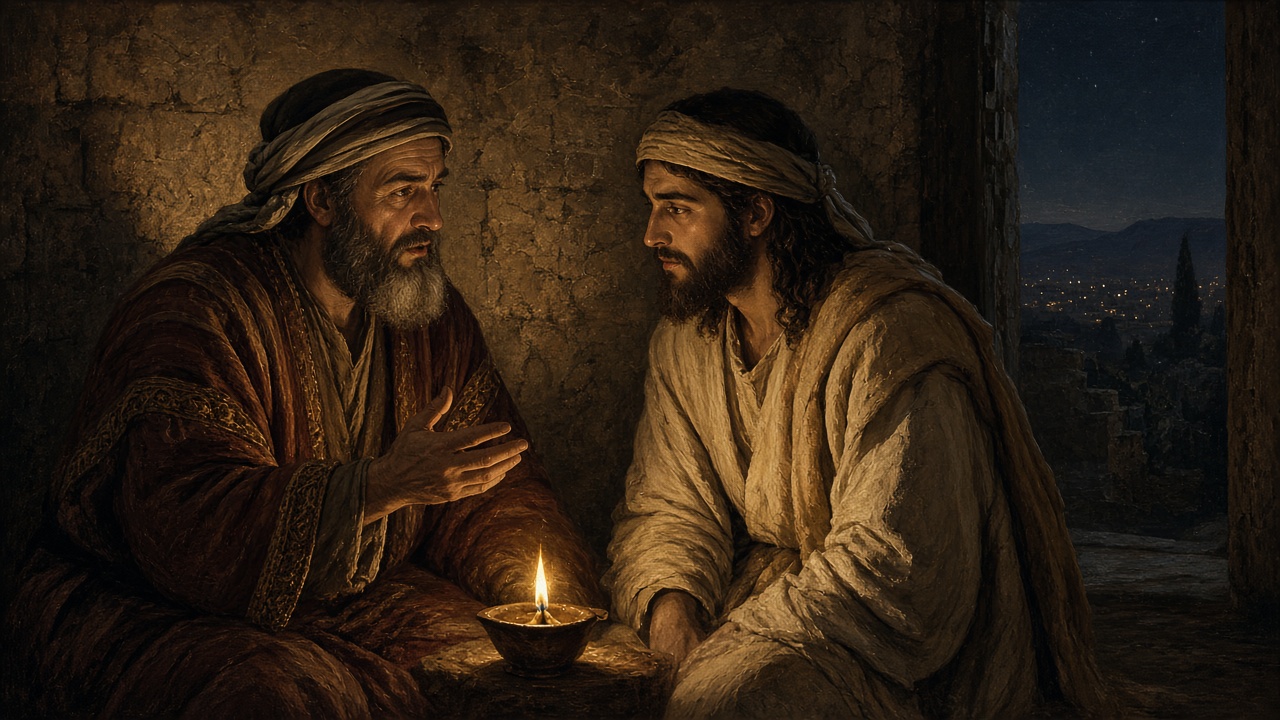
- Nicodemus, whose name means "the people is victor," was a Pharisee and a member of the Sanhedrin. He came to Jesus at night to learn more of his teaching, and the Gospel calls him a leader of the Jews; Jesus addresses him as Israel's teacher.Sources: Nicodemus · the Bible text itself
- After this conversation, Jesus and his disciples went into the Judean countryside, under the Romans the southernmost of the three divisions of Palestine. John was also baptizing at Aenon near Salim, because water was plentiful there; Salim, whose name means "peaceful," lay west of the Jordan. Aenon means "springs," and Easton's Bible Dictionary (1897) places it probably near the upper source of the Wady Far'ah, an open valley full of springs running from Mount Ebal to the Jordan.Sources: the Bible text itself · Judea · Aenon · Salim
- In this chapter John tells his disciples that he is not the Christ but was sent ahead of him, and the narrative notes that he had not yet been thrown into prison. Easton's Bible Dictionary (1897) describes him as the forerunner of Jesus, of priestly descent, and says that his mission was the subject of prophecy.Sources: the Bible text itself · John the Baptist
Notes written with AI assistance from open sources (Theographic Bible Metadata, CC BY-SA 4.0; Easton’s Bible Dictionary, public domain) and reviewed before publishing.
Places in this chapter
- Jerusalem · 31.777, 35.234 · verse 22
- Judea · Today: Judea 1 · 31.777, 35.234 · verse 22
- Jordan · Today: Jordan River · 31.761, 35.558 · verse 26
Only places identified with high confidence are shown (90% or more according to the scholarly sources compiled by OpenBible). Period map: DARE (Digital Atlas of the Roman Empire), CC BY 4.0; modern map: © OpenStreetMap contributors; places: OpenBible.info (CC BY 4.0).
Credits and license for this translation
Dhuwaya Scripture
The Gospel According to Mark and part of Acts in the Dhuwaya language of Australia
copyright © 2019, 2023 Bible Society of Australia + Wycliffe Bible Translators, Inc.
Language: Dhuwaya
Mark is from BSA; Acts from WBT.
This translation is made available to you under the terms of the
Creative Commons Attribution-Noncommercial-No Derivatives license 4.0.
You may share and redistribute this Bible translation or extracts from it in any format, provided that:
You include the above copyright and source information.
You do not sell this work for a profit.
You do not change any of the words or punctuation of the Scriptures.
Pictures included with Scriptures and other documents on this site are licensed just for use with those Scriptures and documents.
For other uses, please contact the respective copyright owners.
2026-02-25
Source: http://ebible.org/dwy/ · eBible.org