Zephaniah 1
ጌሻ ማጻፋ · Tap a verse to see its cross-references.
About this book
About Zephaniah
- Easton's Bible Dictionary (1897) presents Zephaniah, whose name it explains as "Jehovah has concealed" or "Jehovah of darkness," as the son of Cushi and great-grandson of Hezekiah, and as the ninth of the minor prophets. It dates his prophecy to the reign of Josiah, king of Judah (641–610 B.C.), and says he was contemporary with Jeremiah, with whom he had much in common.Sources: Easton: Zephaniah · Zephaniah · Cushi
- Amon, Josiah's father, restored idolatry in Judah, and Easton reads Zephaniah 1:4 and 3:4, 11 as referring to that reign. The same dictionary links Zephaniah 1:4–6 with the worship of Baal and Zephaniah 1:5 with Malcham, described as the national idol of the Ammonites. Josiah, who came to the throne at eight, is presented as later acting against the idolatry that prevailed.Sources: Amon · Josiah · Baal · Malcham
- Easton's Bible Dictionary outlines the book as an introduction announcing judgment on the world and on Israel because of their transgressions (1:1–6), a description of the judgment (1:7–18), an exhortation to seek God while there is still time (2:1–3), judgment on other peoples (2:4–15), what it calls the hopeless misery of Jerusalem (3:1–7), and a promise of salvation (3:8–20).Sources: Easton: Zephaniah
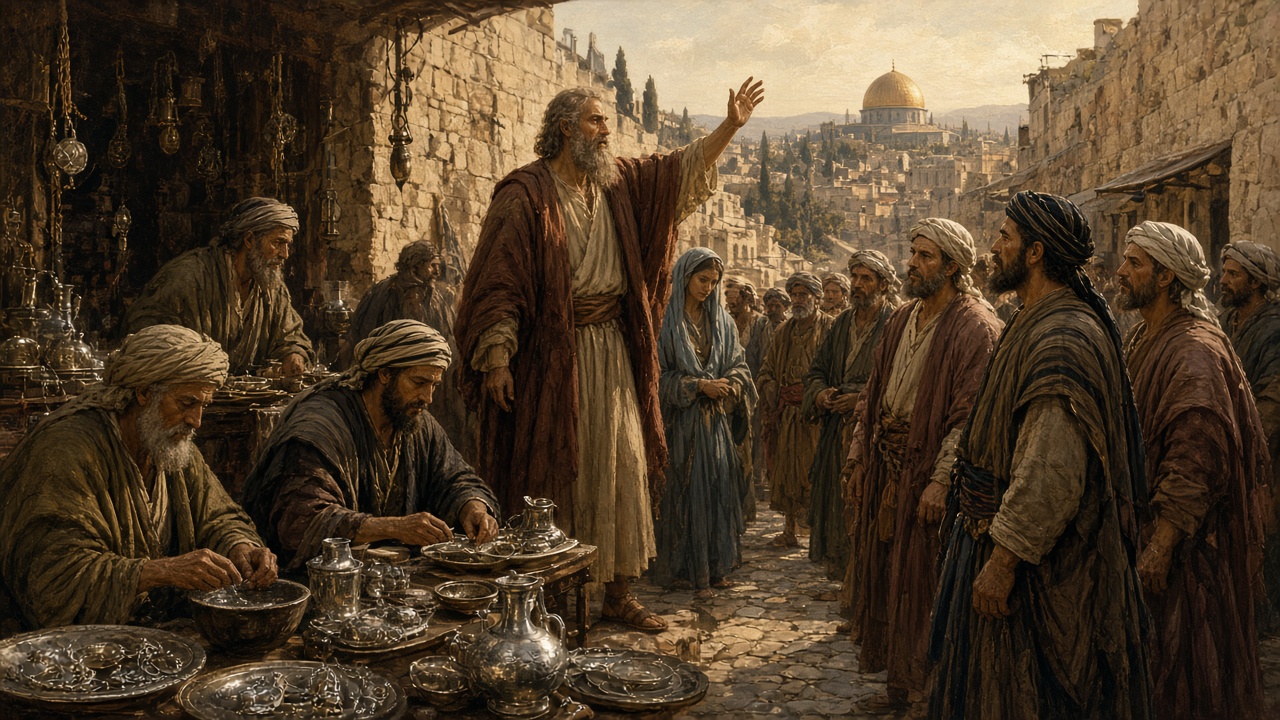
- Zephaniah 1:11 names the Mortar, a place in or near Jerusalem inhabited by silver merchants. It has been conjectured that this was the Phoenician quarter of the city, where traders of that nation lived.Sources: Mortar
Notes written with AI assistance from open sources (Theographic Bible Metadata, CC BY-SA 4.0; Easton’s Bible Dictionary, public domain) and reviewed before publishing.
ይሁዳ ቦላ አያ ፕርዳ
1አሞና ናአይ እዮስያስ ይሁዳን ካተቴዳ ዎደ ሶፎናሳኮ ዬዳ መና ጎዳ ቃላይ ሀዋ። ሶፎናስ ኩሻ ናኣ፤ ኩሽ ጋዳልያ ናኣ፤ ጋዳሊ አማርያ ናኣ፤ አማር ካትያ ህዝቂያሳ ናኣ።
2መና ጎዳይ ሀዋዳን ያጌ፤ “ታን ጋድያ ቦላን ደእያዋ ኡባ ሙልጹ ኦደ ይሳና። 3ታን አሳነ መህያ፥ ሳሉዋ ካፎቱዋነ አባ ሞለቱዋካ ይሳና። ቃይ ታን ኢታ አሳቱዋ አ የጋና፤ አሳ ዛርያካ ቢታ ቦላፐ ይሳና” ያጌ መና ጎዳይ።
4ቃይካ ጾሳይ ሀዋዳን ያጌ፤ “ታን ይሁዳንነ የሩሳላመን ደእያ ኡባ ሙራናዉ ታ ኩሽያ ደንና፤ ባኣላ ግያ ኤቃዉ ጎይንያ አቴዳዋንታነ አዉ ኦያ ቄሳቱ ዋ ሄ ሳኣፐ ሙልጹ ኦደ ይሳና። 5ጎልያ ሁጲያ ደምባዪደ ኦድኖ፤ ሄዋ ቦላ ከሲደ፥ አዋዉ፥ አግናስነ ጾልንተቶ ጎይንያዋንታ ታን ይሳና። መና ጎዳዉ ጎይኒድነ አ ሱንን ጫቂደ፥ ቃይ ሞሎካ ግያ ኤቃ ሱንን ጫቂያዋንታ ታን ይሳና። 6መና ጎዳ ካልያዋ አጊደ ጉየ ስሜዳዋንታ፥ መና ጎዳ ኮይቤናዋንታነ ኡንቱንታ ካለናዳን ኦችቤናዋንታካ ታን ይሳና” ያጌ።
7መና ጎዳ ጋላሳይ ማቴዳ ድራዉ፥ ኡባ ሞድያ መና ጎዳ ስንን ጮኡ ጊተ! መና ጎዳይ ባረ አሳ ያርሾ ጊጌዳ መህያዳን አ እማናዉ ጊግሴዳ፤ ቃይ ይሁዳ ቦንቂያ ሞርከቱዋካ ዱማዪደ ጊግሴዳ።
8መና ጎዳይ ሀዋዳን ያጌ፤ “ታ አሳ አ እምያ ጋላስ ካፓቱዋ፥ ካትያ ናናቱዋነ አላጋ ቢታ ዎጋ ካልያዋንታ ኡባቱዋ ታን ሙራና። 9ሄ ጋላስ አላጋ ቢታ አሳቱዋዳን፥ ኤቃዉ ጎይንያዋንታነ ባረንቱ ጎዳ ጎልያ ማካላንነ ጭሙዋን ኩንያዋንታ ታን ሙራና” ያጌ።
10መና ጎዳይ ሀዋዳን ያጌ፤ “ሄ ጋላስ የሩሳላመ ድርሳን ሞልያ ፐንግያ ማታን ደእያ ኦራ ካታማ ሻኩዋን ዋሱነ ዬኩ ስሰታና፥ ዞዘቱዋ ቦላንካ ቁ ጌዳ ዶምኤ ኮሻይ ጊሩማና። 11ህንተኖ፥ ካታማዉ ህርክ ባጋና ደእያዋንቶ፥ ዬክተ፤ አያዉ ጎፐ፥ ሄዋን ዛልእያ ኡባቱ ዬድኖ፤ አሌቆ ሀንያ ብራ ዛልእያዋንቱካ ሀይቂ ዉሬድኖ። 12ሄ ጋላስ ታን የሩሳላመ ግዱዋ ጾምፕያን ኮያና፤ ህርግ ባይናን ዎፑ ግ ኡቲደ፥ ባረንቱ ዎዛናን፥ ‘መና ጎዳይ ሎኦባነ ኦና፤ ኢታባነ ኦና’ ያግያዋንታ ታን ሙራና። 13ኡንቱንቱ ማጹ ቦንቀታናዋ፤ ኡንቱንቱ ጎሊካ ኮለታና። ኡንቱንቱ ጎልያ ኬጻና፥ ሽን ሄ ጎልያን ደእክኖ፤ ቃይ ዎይንያ ቱራቱዋካ ቶካና፥ ሽን ሄ ዎይንያ ኤሳ ኡሽክኖ” ያጌ።
14መና ጎዳ ዎልቃማ ጋላሳይ ማቴዳ፤ ቃይ ሎይ ኤሌሊደ ዬ። መና ጎዳ ጋላሳይ ጫሞ ጋላሳ። ሄ ጋላስ ምኖ ኦላንቻቱካ ዋሱዋ ጹልሳና። 15ሄ ጋላሳይ ሀንቁዋ ጋላሳ፥ መቶነ ኡንኦ ጋላሳ፥ ባሻነ ኮለ ጋላሳ፥ ማነ ሻኖቻ ጋላሳነ ሻርያነ ባራ ማ ጋላሳ ግዳናዋ። 16ሄ ጋላሳይ ዩሹዋ ድረቴዳ ካታማቱዋ ቦላነ አዱሳ ግምበቱዋ ቦላ ኦላ ማላካታይ ፑነትያ ጋላሳነ ኦላንቻቱ ኦላ ኮሻይ ስሰትያ ጋላሳ ግዳናዋ።
17መና ጎዳይ ሀዋዳን ያጌ፤ “ኡንቱንቱ ጾሳ ናቄዳ ድራዉ፥ ቆቅያዳን ታታፋና ጋካናዉ፥ አሳቱዋ ቦላን ታን መቱዋ አሀና። ኡንቱንቱ ሱይ ድኡዋዳን ጎጋና፤ ኡንቱንቱ አሃይ ፕቱዋዳን ኦለታና። 18መና ጎዳ ሀንቁዋ ጋላስ ኡንቱንቱ ብራ ግድና፥ ኡንቱንቱ ዎርቃይካ ኡንቱንታ አሻናዉ ዳንዳየና። እ ሳኣን ደእያ ኡባ አኬከናን ደእሽን፥ ዉርስ ይሳና፤ ቢታ ኡባይካ አ ሀንቁዋ ታማን ሜተታና” ያጌ።
Did you know?
The Day of the LORD and Judgment on Idolatry
- Zephaniah traces his lineage back four generations to Hezekiah, dating his prophetic ministry to the reign of King Josiah of Judah. Josiah came to power after his father, King Amon, had restored idolatry across Judah before being assassinated by his own servants.Sources: the Bible text itself · Josiah · Amon · Hizkiah
- The chapter denounces religious syncretism in Jerusalem, where people bowed on rooftops to the host of heaven and combined their devotion to the LORD with oaths to Baal and Malcham, the national idol of the Ammonites.Sources: the Bible text itself · Baal · Malcham
- The prophecy specifies landmarks in Jerusalem that would experience turmoil, including the Fish Gate and the Mortar (or Hollow), a district inhabited by merchants who weighed out silver.Sources: the Bible text itself · Fish Gate · Mortar
Notes written with AI assistance from open sources (Theographic Bible Metadata, CC BY-SA 4.0; Easton’s Bible Dictionary, public domain) and reviewed before publishing.
Places in this chapter
- Jerusalem · 31.777, 35.234 · verses 4, 12
- Fish Gate · Today: in Jerusalem · 31.777, 35.234 · verse 10
- Second Quarter · Today: in Jerusalem · 31.777, 35.234 · verse 10
- Canaan · 32.767, 35.333 · verse 11
- Mortar · Today: in Jerusalem · 31.777, 35.234 · verse 11
Only places identified with high confidence are shown (90% or more according to the scholarly sources compiled by OpenBible). Period map: DARE (Digital Atlas of the Roman Empire), CC BY 4.0; modern map: © OpenStreetMap contributors; places: OpenBible.info (CC BY 4.0).
Credits and license for this translation
ጌሻ ማጻፋ
The Holy Bible in the Dawro language of Ethiopia
copyright © 2011 Wycliffe Bible Translators, Inc.
Language: Dawro
Translation by: Wycliffe Bible Translators, Inc.
Contributor: The Word for the World International
Copyright Information
© 2011, Wycliffe Bible Translators, Inc. All rights reserved.
This translation text is made available to you under the
terms of the Creative Commons License: Attribution-Noncommercial-No Derivative Works.
( http://creativecommons.org/licenses/by-nc-nd/3.0/ )
In addition, you have permission to port the text to different file formats, as long as you
do not change any of the text or punctuation of the Bible.
You may share, copy, distribute, transmit, and extract portions
or quotations from this work, provided that you include the above copyright
information:
You must give Attribution to the work.
You do not sell this work for a profit.
You do not make any derivative works that change any of the actual words or punctuation of the Scriptures.
Permissions beyond the scope of this license may be
available if you contact
us with your request.
The New Testament
in Dawro
© 2011-2024, Wycliffe Bible Translators, Inc. and The Word for the World International
This translation is made available to you under the terms of the
Creative Commons Attribution Share-Alike license 4.0.
You have permission to share and redistribute this Bible translation in any format and to make reasonable revisions and adaptations of this translation, provided that:
You include the above copyright and source information.
If you make any changes to the text, you must indicate that you did so in a way that makes it clear that the original licensor is not necessarily endorsing your changes.
If you redistribute this text, you must distribute your contributions under the same license as the original.
Pictures included with Scriptures and other documents on this site are licensed just for use with those Scriptures and documents.
For other uses, please contact the respective copyright owners.
Note that in addition to the rules above, revising and adapting God's Word involves a great responsibility to be true to God's Word. See Revelation 22:18-19.
2025-05-01
Source: http://ebible.org/dwrENT/ · eBible.org