Matthew 2
ସତିଅର୍ ବାଟ୍ · Tap a verse to see its cross-references.
ପୁରୁବ୍ ଦେସର୍ ପଣ୍ଡିତ୍ମନ୍ ଆଇବାଟା
1ଏରଦ୍ ରାଜାର୍ ସାସନ୍ ବେଲେ, ଜିଉଦା ରାଇଜର୍ ବେତ୍ଲିଇମେ ଜିସୁ ଜନମ୍ ଅଇଲା । ଜନମ୍ ଅଇ ଚନେକ୍ ଜିବାକେ ପୁରୁବ୍ ଦେସର୍ କେତେଟା ତାରାର୍ ବିସଇ ପଡ୍ତେ ରଇବା ପଣ୍ଡିତ୍ମନ୍ ଜିରୁସାଲାମେ ଆସି ପାଚାର୍ଲାଇ, 2“ଜନ୍ ପିଲା ଜିଉଦିମନର୍ ରାଜା ଅଇବାକେ ଜନମ୍ ଅଇଲାଆଚେ, ସେ କନ୍ତି ଆଚେ ? କାଇକେବଇଲେ ଆମେ ପୁରୁବ୍ ଦେସେ ତାର୍ ତାରା ଦେକି ତାକେ ପୁଜା କର୍ବାର୍ ଆସିଆଚୁ ।”
3ପଣ୍ଡିତ୍ମନର୍ କାତା ସୁନି ଏରଦ୍ ରାଜା ଆରି ତାର୍ ସଙ୍ଗ୍ ରଇବା ଜିରୁସାଲାମର୍ ଲକ୍ମନ୍ ସବୁ କିଲ୍ବିଲ୍ ଅଇଗାଲାଇ । 4ଆରି ଏରଦ୍ ସବୁ ମୁକିଅ ପୁଜାରିମନ୍କେ ଆରି ସାସ୍ତର୍ ସିକାଉମନ୍କେ ଡାକାଇ କରି, “ମସିଅ ଜେ କି କିରିସ୍ଟ କନ୍ ଜାଗାଇ ଜନମ୍ ଅଇଆଚେ ?” ସେଟା ସେମନର୍ତେଇ ଅନି ବୁଜ୍ବାକେ ଚେସ୍ଟା କଲା ।
5ପଣ୍ଡିତ୍ମନ୍ ଏରଦ୍ ରାଜାକେ କଇଲାଇ, ଜିଉଦା ରାଇଜର୍ ବେତ୍ଲିଇମ୍ ଗଡେ, ଜନ୍ଟାକି ଗଟେକ୍ ବବିସତ୍ବକ୍ତା ଏନ୍ତାରି ଲେକିଆଚେ । 6ଏ ଜିଉଦା ଦେସର୍ ବେତ୍ଲିଇମ୍,
ତୁଇ ଜିଉଦା ରାଇଜର୍ ମୁକିଅ ଗଡ୍ମନର୍ତେଇ ଅନି ସାନ୍ ନଉଁସ୍,
କାଇକେବଇଲେ ମର୍ ଇସ୍ରାଏଲର୍ ଲକ୍ମନ୍କେ ବାଟ୍ ଦେକାଇସି,
ଏନ୍ତାରି ଗଟେକ୍ ସାସନ୍କାରିଆ ତର୍ତେଇଅନି ଉବଜ୍ସି ।
7ଏଟା ସୁନି କରି ଏରଦ୍ ରାଜା ସେ ପଣ୍ଡିତ୍ମନ୍କେ ଲୁଚ୍ତେ ଡାକାଇ, ତାରା କନ୍ ବେଲାଇ ଉଦିରଇଲା, ସେମନର୍ତେଇ ଅନି ଟିକ୍ ସଙ୍ଗ୍ ବୁଜିନେଲା । 8ତାର୍ପଚେ ସେମନ୍କେ କଇ ପାଟାଇଲା, “ତମେ ଜାଆ ଆରି ବେତ୍ଲିଇମେ ସେ ପିଲାକେ ନିମାନ୍ କରି କଜିଦେକା, ଆରି ପିଲା ମିଲ୍ଲେସରି ମକେ ଜାନାଆ ମୁଇ ମିସା ଜାଇ ତାକେ ଦର୍ସନ୍ କର୍ବି ।”
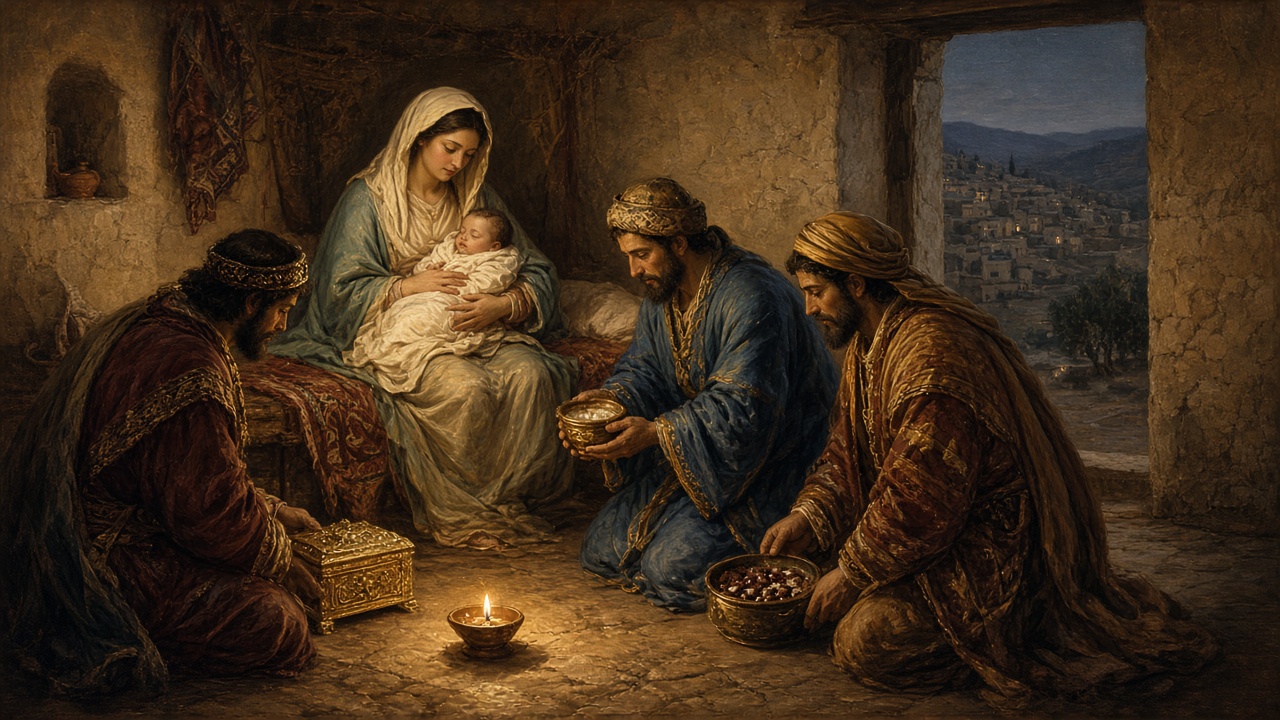
9ପଣ୍ଡିତ୍ମନ୍ ରାଜାର୍ କାତା ସୁନି ସେ ଜାଗାଇଅନି ବାରିଗାଲାଇ । ଗାଲାବେଲେ ଏଦେ ଦେକା ! ସେମନ୍ ପୁରୁବ୍ ଦେସେ ଜନ୍ ତାରା ଦେକି ରଇଲାଇ, ସେ ତାରା ଆରି ତରେକ୍ ଡିସ୍ଲା । 10ସେମନ୍ ତାରା ଦେକି ବେସି ସାର୍ଦା ଅଇଗାଲାଇ । ତାରା ସେମନର୍ ଆଗେ ଜାଇକରି ଜିସୁ ରଇଲା ଜାଗାର୍ ଉପ୍ରେ ଅଟ୍କିଗାଲା । 11ପଣ୍ଡିତ୍ମନ୍ ସେ ଗର୍ ବିତ୍ରେ ପୁରି ପିଲାକେ ତାର୍ ମା ମରିୟମ୍ ସଙ୍ଗ୍ ରଇଲାଟା ଦେକି, ତାକେ ମାଣ୍ଡିକୁଟା ଦେଇ ଜୁଆର୍ କଲାଇ, ଆରି ଆନିରଇବା ସୁନା, କୁନ୍ଦୁୁରୁ ଆରି ଗନ୍ଦ୍ରସ୍ ବେଟି, ପିଲାକେ ଦେଲାଇ । ବେଦି ଉପ୍ରର୍ ବତିଡାଣ୍ଡି ଟାନେ ବାସ୍ନା ଚିକନ୍ ସଙ୍ଗଇଅଇ ଆଚେ |alt="Frankincense branch, censer and incense altar" src="bk00116c.tif" size="col" copy="Horace Knowles ©" ref="୨:୧୧"
12ପଚେ ସେମନ୍ ଏରଦର୍ ଲଗେ ଆରିତରେକ୍ ନ ଜାଇକରି ବିନ୍ ବାଟେ ନିଜର୍ ଦେସେ ବାଉଡି ଗାଲାଇ । କାଇକେବଇଲେ ଏରଦର୍ ଟାନେ ଆରିତରେକ୍ ବାଉଡି ନ ଜିବାକେ ପର୍ମେସର୍ ସେମନ୍କେ ସପ୍ନେ ଆଦେସ୍ ଦେଇରଇଲା ।
ମିସର୍ ଦେସେ ଜିବାଟା
13ପଣ୍ଡିତ୍ମନ୍ ଗାଲାପଚେ, ପର୍ମେସରର୍ ଗଟେକ୍ ଦୁତ୍ ଜସେପ୍କେ ସପ୍ନେ ଦର୍ସନ୍ ଦେଇ କଇଲା, “ଉଟ୍, ପିଲାକେ ଆରି ତାକର୍ ଆୟାକେ ଦାରି ମିସର୍ ଦେସେ ଦାପ୍ରେ ଉଟିଜା । ଏରଦ୍ ପିଲାକେ ମରାଇବାକେ କଜିବୁଲ୍ସି । ମୁଇ ସେ ଜାଗା ଚାଡା ବଲି ନ କଇବା ଜାକ ତେଇସେ ରୁଆ ।”
14ଏ କାତା ସୁନି ଜସେପ୍ ସେ ରାତି, ପିଲାକେ ଆରି ତାର୍ ମାକେ ଦାରି ମିସର୍ ଦେସେ ଉଟିଗାଲା । 15ଏରଦ୍ ରାଜା ମର୍ବା ଜାକ ମିସର୍ ଦେସେସେ ରଇଲାଇ, ଜେନ୍ତାର୍ କି ବବିସତ୍ବକ୍ତା କଇରଇଲା ମାପ୍ରୁର୍ ବାକିଅ ସିଦ୍ ଅଇଲା, ମର୍ ପିଲାକେ ମୁଇ ମିସର୍ ଦେସେଅନି ଡାକି ଆନ୍ଲି ।
ପିଲାମନ୍କେ ମରାଇବାଟା
16ପୁରୁବ୍ ଦେସେଅନି ଆସିରଇଲା ପଣ୍ଡିତ୍ମନ୍ ତାକେ ନାଡାଇ କରି ଉଟିଗାଲାଇ ଆଚତ୍ ବଲି ଜାନି, ଏରଦ୍ ବେସି ରିସା ଅଇଗାଲା । ବେତ୍ଲିଇମ୍ ଆରି ସେ ଲଗେ ପାକେ ରଇବା ଦୁଇ ବରସ୍ ଅନି ତଲେ ରଇଲା ସବୁ ପିଲାମନ୍କେ ମରାଇବାକେ ଆଦେସ୍ ଦେଲା । ପଣ୍ଡିତ୍ମନର୍ ଟାନେଅନି ତାରା ଡିସ୍ତେ ରଇବା ବେଲା ସେ ଜାନିରଇଲା । ସେ ଇସାବେ ପିଲାମନର୍ ବରସ୍ ଟିକ୍ କରିରଇଲା ।
17ଏନ୍ତି ଅଇଲାଜେ ଜିରିମିୟ ବବିସତ୍ବକ୍ତା କଇଲା ଏ ବାକିଅ ପୁରାପୁରୁନ୍ ଅଇଲା । ସେ ଏନ୍ତି କଇରଇଲା,
18ରାମା ନାଉଁର୍ ସଅରେ
ମାର୍ଚପ୍ ଅଇ କାନ୍ଦ୍ବାଟା ସୁନି ଅଇଲାନି,
ରାଏଲ୍ ତାର୍ ପିଲାମନର୍ ପାଇ କାନ୍ଦ୍ଲାନି ।
ତାକେ ଜେତେକ୍ ବୁଜାଇଲେ ମିସା ବୁଜେନାଇ ।
କାଇକେବଇଲେ ତାର୍ ପିଲାମନ୍ ସବୁ ମରିଜାଇରଇଲାଇ ।
ମିସର୍ ଦେସେଅନି ବାଅଡ୍ବାଟା
19ଏରଦ୍ ମଲାପଚେ, ଏଦେ ଦେକା ! ମାପ୍ରୁର୍ ଗଟେକ୍ ଦୁତ୍ ମିସର୍ ଦେସେ ଜସେପ୍କେ ଦର୍ସନ୍ ଦେଇ କଇଲା, 20“ଉଟ୍ ଆରି ବାରଇକରି, ଦୁଇ ମାଆ ପିଲାକେ ଇସ୍ରାଏଲ୍ ଦେସେ ଦାରିଜା । କାଇକେବଇଲେ ଜନ୍ ଲକ୍ମନ୍ କି ପିଲାର୍ ଜିବନ୍ ନେବାକେ ଚେସ୍ଟା କର୍ତେରଇଲାଇ, ସେମନ୍ ମରିଗାଲାଇ ଆଚତ୍ ।” 21ଜସେପ୍ ଏ କାତା ସୁନି ଜିସୁ ଆରି ତାର୍ ମାଆ ମରିୟମ୍ ସଙ୍ଗ୍ ବାରଇକରି ଇସ୍ରାଏଲ୍ ଦେସେ ବାଉଡି ଆଇଲାଇ ।
22ମାତର୍ ଜସେପ୍, ଏରଦର୍ ପଚେ ତାର୍ ପଅ ଆର୍କିଲାୟ ଜିଉଦା ରାଇଜର୍ ରାଜା ଅଇଆଚେ ବଲି ସୁନିକରି ତେଇ ଜିବାକେ ଡର୍ଲା । 23ମାତର୍ ଆରିଗଟେକ୍ ବିନ୍ ସପନ୍ ଇସାବେ ଗାଲିଲି ଦେସେ ଜାଇକରି ନାଜରିତ୍ ନାଉଁର୍ ଗଡେ ବାସା ଅଇ ରଇଲା । ଜେନ୍ତାର୍ କି ବବିସତ୍ବକ୍ତା କଇଲା ଏ ବାକିଅ ସିଦ୍ ଅଇଲା । ସେ ଏନ୍ତି ବଲି କଇରଇଲା, “ସେ ନାଜରିତିୟା ବଲି ଡାକ୍ପୁଟା ଅଇସି ।”
Did you know?
Magi, Herod, and Nazareth
- The King Herod of this chapter is Herod the Great. His son Archelaus, by Malthace, a Samaritan woman, inherited a third of the kingdom: Idumea, Judea, and Samaria. Until a few days before Herod's death another son, Antipas, had been named successor, but in his last moments Herod named Archelaus; for fear of him, Joseph turned aside from Judea and withdrew to Galilee.Sources: Archelaus · the Bible text itself
- Matthew links the deaths of the boys in Bethlehem to words spoken through the prophet Jeremiah: a voice in Ramah, Rachel weeping for her children. Rachel, one of Jacob's wives, died giving birth to Benjamin and was buried by the wayside on the road to Ephrath, that is Bethlehem, directly north of the town. Her sepulchre is regarded with great veneration by the Jews.Sources: the Bible text itself · Rachel · Bethlehem
- Bethlehem, in the hill country of Judah, was earlier called Ephrath and was also known as the city of David; under the Romans it lay in Judea, the southernmost of the three divisions of Palestine. Joseph and Mary went instead to Nazareth in Galilee, their home, a town not mentioned in the Old Testament. The name Nazareth is generally supposed to come from the Hebrew netser, a shoot or sprout, though some connect it with a word for guarding or watching.Sources: Bethlehem · Judea · Nazareth · the Bible text itself
Notes written with AI assistance from open sources (Theographic Bible Metadata, CC BY-SA 4.0; Easton’s Bible Dictionary, public domain) and reviewed before publishing.
Places in this chapter
- Bethlehem · 31.704, 35.208 · verses 1, 5, 6, 8, 9, 16
- East · Today: region around Amman · 31.955, 35.934 · verses 1, 2, 9
- Jerusalem · 31.777, 35.234 · verses 1, 3
- Judea · Today: Judea 1 · 31.777, 35.234 · verses 1, 5, 22
- Egypt · 30.129, 31.308 · verses 13, 14, 15, 19
- Galilee · 32.760, 35.527 · verse 22
- Nazareth · 32.702, 35.298 · verse 23
Only places identified with high confidence are shown (90% or more according to the scholarly sources compiled by OpenBible). Period map: DARE (Digital Atlas of the Roman Empire), CC BY 4.0; modern map: © OpenStreetMap contributors; places: OpenBible.info (CC BY 4.0).
Credits and license for this translation
ସତିଅର୍ ବାଟ୍ The New Testament in the Desiya language of India: ସତିଅର୍ ବାଟ୍ (Bible) copyright © 2020 The Word for the World International Language: ଦେଶିଆ (Desiya) Contributor: The Word for the World International ସତିଅର୍ ବାଟ୍ ନୁଆ ନିୟମ୍, 2020 The New Testament in Desiya Language The Word for the World International This translation is made available to you under the terms of the Creative Commons Attribution license 4.0. You may share and redistribute this Bible translation or extracts from it in any format, provided that: You include the above copyright and source information. If you make any changes to the text, you must indicate that you did so in a way that makes it clear that the original licensor is not necessarily endorsing your changes. Pictures included with Scriptures and other documents on this site are licensed just for use with those Scriptures and documents. For other uses, please contact the respective copyright owners. Note that in addition to the rules above, revising and adapting God's Word involves a great responsibility to be true to God's Word. See Revelation 22:18-19. 2023-04-08
Source: http://ebible.org/dso/ · eBible.org