1 Timothy 2
Beibel: okanisi tongo · Tap a verse to see its cross-references.
Begi gi ala sama
1Fosi mi taki taa sani, da mi wani taigi yu enke biibiwan taki, akisi Masaa Gadu sani naamo gi taawan. Begi naamo gi den. Gi Masaa Gadu daa naamo, fu san ai du gi ala sama. 2Du so gi kownu anga taa bigiman fu kondee, fu u libi sa de switi. Da u sa poi tyai useefi wan leti fasi fiti Masaa Gadu anga ala lesipeki fu libisama. 3Te wi e begi so, da na wan gaan waiti sani gi Masaa Gadu, di de wi Yeepiman. Ai piisii en, fu yee sama e begi so. 4Bika a wani en yeepi di a tyai, mu doo na ala sama. A wani den sama mu kon sabi a tuutuu leli fi en. 5Bika na awan kodo Gadu ya namo de. Namo a poti wan kodo sama namo a wi anga en mindii enke mindiiman, fu tyai yeepi. A sama de na Kelestesi Jesesi. 6Na a Kelestesi Jesesi ya poti enseefi enke paiman, fu pai puu sama a takuudu anga ogii. A wooko di a du de soi fa Masaa Gadu ten doo, fu tyai yeepi gi sama. 7Da na a Bun Nyunsu ya mi mu tyai taki enke apaiti bosikopuman fu Masaa Jesesi. Masaa Gadu poti mi, fu leli foluku di á de Dyusama, fa fu biibi na a tuutuu fasi di Masaa Gadu wani. Mi nái lei! Na tuutuu sani fu teke, mi e taki ya!
Fa manengee anga uman mu libi
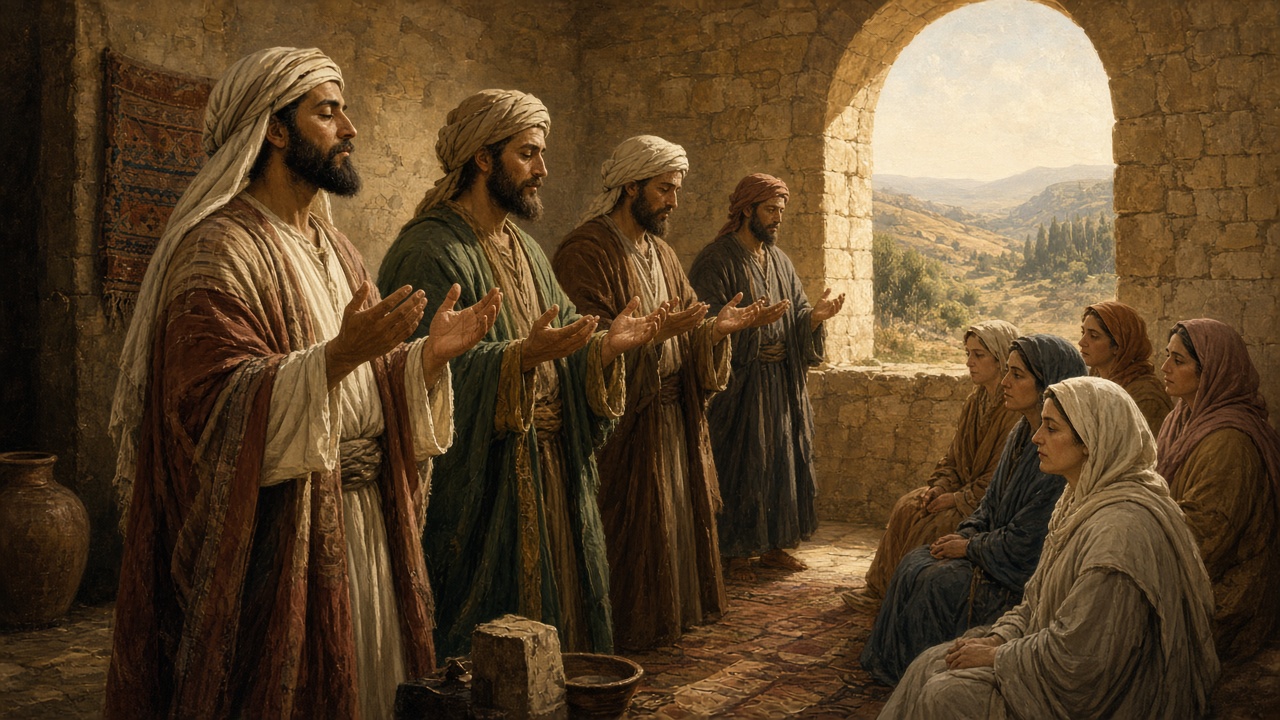
8Da mi e taki go doo taki, mi wani manengee e begi, na ala peesi pe biibisama kon makandii. Ma na manengee di libi de apaiti fasi, fu poi opo ana a tapu begi. Da den mu de sondee fu oli taawan na ati, soseefi biibi sondee pantan taki, Masaa Gadu e yee den.
9Da biibi uman ape mu e wei koosi di e soi lesipeki fu den sikin. Den mu abi moi saka fasi. Da den mu wooko anga bunbun fusutan. Ma den mu si beei fu gaan moi uwii, fu lawlaw sani. Soseefi, a wei fu gaan dii gowtu sani ofu gaan dii koosi. 10Bika a moi fu den, dati mu de a bun di den e du fiti Masaa Gadu. Da ala sama sa si taki, den tiiki uman di lobi dini Masaa Gadu.
11Da meke den uman ya libi pii anga ala saka fasi, fu teke Masaa Gadu leli. 12Mi á wani si uman poti denseefi enke basi, fu leli manengee. Ma meke den libi pii fu den. 13Bika na Adan enke manengee fosi Masaa Gadu be meke, fosi a be meke a uman den e kai Efa. 14Soseefi, da a ná Adan enke manengee, didibii be fende pasi koli, fu poli Masaa Gadu weiti. Ma na a uman didibii be fende pasi koli, poli Masaa Gadu weiti. 15Ma toku, Masaa Gadu yeepi de gi uman sama seefi. Winsi a sitaafu de gi den ete, fu meke pikin anga taanga. Ma meke den lobi Masaa Gadu. Meke den tan oli biibi doo. Meke den libi de apaiti fasi. Meke den wooko anga bunbun fusutan. Soseefi moi saka fasi.
Did you know?
Prayer, modest worship, and Adam and Eve
- This chapter urges that petitions, prayers, intercessions, and thanksgiving be offered for everyone, including kings and all those in authority, so that believers may lead tranquil and quiet lives in all godliness and dignity. It also says there is one God and one mediator between God and men, the man Christ Jesus, who gave himself as a ransom for all.Sources: the Bible text itself
- When the letter says that Adam was formed first, and then Eve, it appeals to the first man of Genesis. Easton's Bible Dictionary (1897) explains that Adam is a Babylonian word meaning 'red,' the generic name for man, with the same meaning in Hebrew and Assyrian, and that he was formed from the dust of the earth.Sources: the Bible text itself · Adam
- The letter says it was not Adam who was deceived, but the woman, who was deceived and fell into transgression. Easton's Bible Dictionary (1897) says Eve means 'life' or 'living,' the name Adam gave his wife, and that the account of her creation is given in Genesis 2:21-22.Sources: the Bible text itself · Eve
Notes written with AI assistance from open sources (Theographic Bible Metadata, CC BY-SA 4.0; Easton’s Bible Dictionary, public domain) and reviewed before publishing.
Credits and license for this translation
Beibel: okanisi tongo
New Testament in Eastern Maroon Creole (NS:djk:Eastern Maroon Creole)
copyright © 2009 Wycliffe Bible Translators, Inc.
Language: Eastern Maroon Creole
Translation by: Wycliffe Bible Translators, Inc.
Eastern Maroon Creole
djk
Suriname
Copyright Information
© 2009, Wycliffe Bible Translators, Inc. All rights reserved.
This translation text is made available to you under the
terms of the Creative Commons License: Attribution-Noncommercial-No Derivative Works.
( http://creativecommons.org/licenses/by-nc-nd/3.0/ )
In addition, you have permission to port the text to different file formats, as long as you
do not change any of the text or punctuation of the Bible.
You may share, copy, distribute, transmit, and extract portions
or quotations from this work, provided that you include the above copyright
information:
You must give Attribution to the work.
You do not sell this work for a profit.
You do not make any derivative works that change any of the actual words or punctuation of the Scriptures.
Permissions beyond the scope of this license may be
available if you contact
us with your request.
The New Testament
in Eastern Maroon Creole
© 2009, Wycliffe Bible Translators, Inc. All rights reserved.
This translation is made available to you under the terms of the
Creative Commons Attribution-Noncommercial-No Derivatives license 4.0.
You may share and redistribute this Bible translation or extracts from it in any format, provided that:
You include the above copyright and source information.
You do not sell this work for a profit.
You do not change any of the words or punctuation of the Scriptures.
Pictures included with Scriptures and other documents on this site are licensed just for use with those Scriptures and documents.
For other uses, please contact the respective copyright owners.
2014-04-22
Source: http://ebible.org/djkNT/ · eBible.org