Matthew 5
Lëk yam · Tap a verse to see its cross-references.
Kɛ̈ŋ miɛt ë puɔ̈u cï Jethu piɔ̈ɔ̈c
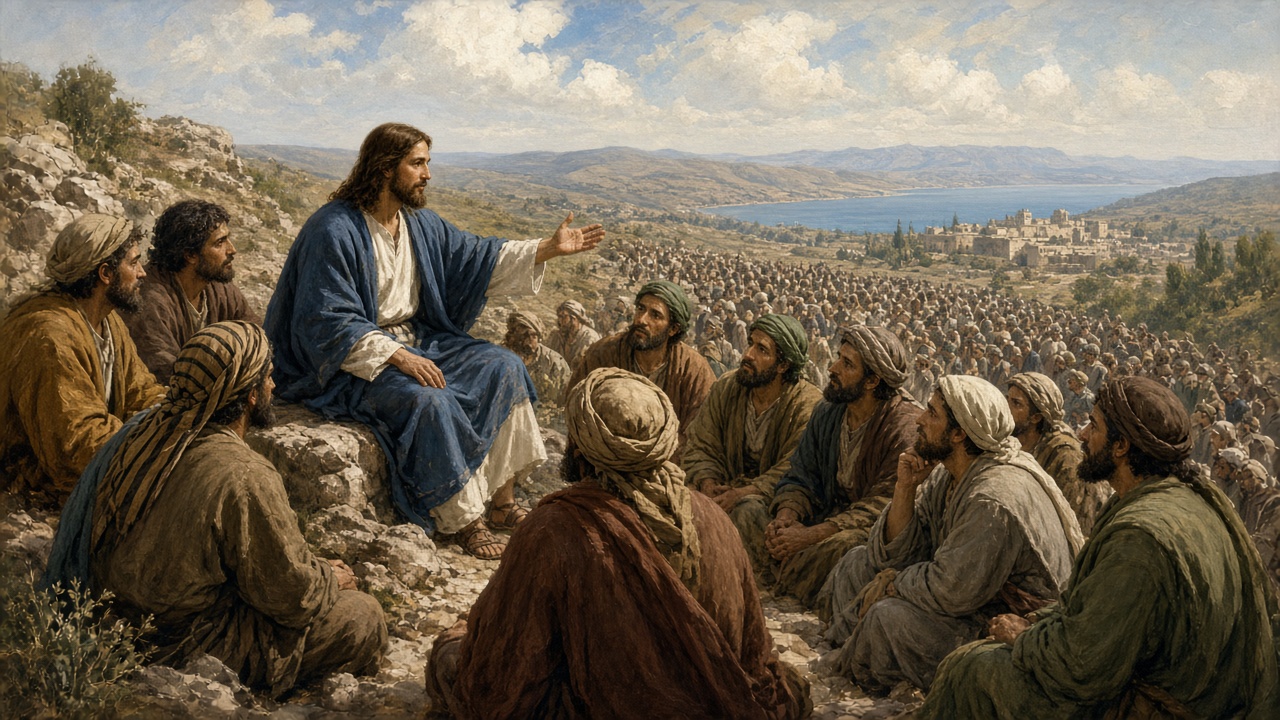
1Wën tïŋ Jethu kɔc juëc apɛi, go la tɛ̈thöny gɔt nhom. Ku nyuuc ku mɛ̈t kɔcken ye buɔɔth röt ye, 2go jam ku piööc ke ëlä,
3“Kɔc mit gup aa kɔc ë lɛŋ kepuɔ̈th,
rin ye Bääny pan Nhialic këden!
4Kɔc mit gup aa kɔc dhuɔ̈ɔ̈r rin bï
Nhialic ke waac puɔ̈th!
5Kɔc mit gup aa kɔc lir puɔ̈th,
rin bï kek kë cï Nhialic thɔn yök!
6Kɔc mit gup aa kɔc nɛ̈k tuil puɔ̈n la cök,
ku aabï kuɛth yeen!
7Kɔc mit gup aa kɔc abiökruɛl,
rin bï keek kony aya!
8Kɔc mit gup aa kɔc ɣer puɔ̈th,
rin bï kek Nhialic tïŋ!
9Kɔc mit gup aa kɔc ë kɔc dɔ̈ɔ̈r,
rin bï keek aa cɔl mïth Nhialic!
10Kɔc mit gup aa kɔc ye jöör rin wɛ̈t
path, rin ye pan Nhialic këden!
11“Wek aa mit gup tɛ̈ lɛ̈ɛ̈t we ku näk we, ku tör kɔc kɔ̈k wegup wël lueth ë riɛnkiɛ̈. 12Yakë puɔ̈th miɛt ku dalkë wepuɔ̈th, rin bï ariɔ̈pdun dït apɛi pan Nhialic. Yen ë tɛ̈wäär jöör kek kɔc käk Nhialic tïŋ thïn aya.
13“Wek aa cït awai pinynhom. Ku na thöök kɔ̈u alɛ̈i, ke ben dhuɔ̈k thïn këdë? Awan cït kënë acie bɛn piath. Aye puɔ̈k wei bï ya dum kɔc cök. 14Wek aa mermer pinynhom ëbën. Gen cï buth gɔt nhom acie thiaan. 15Acïn raan mermer dɛ̈ɛ̈p ku kum nyin, aye tɔ̈ɔ̈u tɛ̈n ë yen ɣöt mer yic thïn tënë kɔc tɔ̈ ɣööt ëbën. 16Këya, mermer adhil tïŋ kɔc ëbën, rin na tïŋkë luɔidun path la cök ka lec Wuurdun tɔ̈ nhial.
Piööc Jethu rin ë löŋ
17“Yakë tak lɔn cï ɣɛn bɛ̈n, ba löŋ Mothith ayï käk ye kɔc käk Nhialic tïŋ piɔ̈ɔ̈c bɛ̈n rac? Acie tɛ̈de, ɣɛn akëc bɛ̈n ba ke bɛ̈n rac, ɣɛn acï bɛ̈n ba ke bɛ̈n thääp. 18Alɛ̈k we alanden, agut tɛ̈ bï nhial ku piny liu, acïn wɛ̈t koor ayï këthiin tɔ̈ löŋ yic, bï kaŋ määr ke këc guɔ̈t nhom. 19Këya, raan dhoŋ lɔ̈ŋ tök kɔ̈u, cɔk a löŋ thin koor, ku piööc kɔc kɔ̈k bïk löŋ dhoŋ kɔ̈u aya, acïn tɛ̈pɛth bï yök pan Nhialic. Ku raan thek ke, ku ye ke piɔ̈ɔ̈c abï ya raandït apɛi pan Nhialic. 20Alɛ̈k we, na cïï piathdun ku luɔidun la cök, abï luɔi kɔc piööc lööŋ Nhialic ku luɔi Parathï waan thok, ke wek aacïï la pan Nhialic alanaɣɔn.
Löŋ yam awär löŋ thɛɛr
21“Acäk piŋ lɔn cï ye lɛ̈k wärkuan dït thɛɛr ëlä, ‘Duk raandä näk, ku na ye raan näk raan dɛ̈t ka bï luɔ̈k wei.’ 22Ku wek aa lɛ̈k wɛ̈t kënë, raan la puɔ̈u agɔ̈th tënë raandä, abï luɔ̈k wei aya. Ku na ye raan lat wämënh, ‘Yïn acïn nhom!’ Ka tëm thou, ku na ye raan lat raan dɛ̈t, ‘Yïn acïn puɔ̈u,’ Ka bï ɣäth pan mac. 23Na lɔ juar ariäk nhom, ku lɔ tak lɔn cï wämuuth puɔ̈u riääk tënë yï, 24ke yï nyiëëŋ këdu ariäk lɔ̈ɔ̈m ku lɔɔr bäk kaŋ la dɔ̈ɔ̈r wek wämuuth, ku jɔl dhuk ba Nhialic la juɛ̈r.
25“Lɔc wɛ̈t waar yic ku dɔ̈ɔ̈rkë wek raan ɣɛ̈th yï luk yic. Na cïï lɔc looi këlä, ka ɣɛ̈th yï luk yic tënë bɛ̈ny. Ku bɛ̈ny abï yï la thɔ̈n apuruuk, ku mac yï. 26Yïn alɛ̈k yic, yïn acïï bï kaŋ lony ɣet tɛ̈ bï yïn këthiin kɔ̈ny tënë yï kaŋ cool.
Jethu ajai ë kɔ̈r
27“Acäk piŋ lɔn cï ye lueel thɛɛr ëlä, ‘Duk tiŋ raandä kɔr.’ 28Ku alɛ̈k we, raan döt tik ku tuiil ye, kacït raan cï tik kɔɔr aya rin tɔ̈ yen yepuɔ̈u. 29Këya, na ye nyindun cuëc yï cɔl aloi awuɔ̈c, ke ŋuët bei ku cuat wei! Aŋuɛ̈ɛ̈n ba cɔr nyiɛn tök, tɛ̈në lɔn bï yï cuat pan mac ëbën. 30Ku na ye cindun cuëc yï cɔl aloi awuɔ̈c, ke tɛɛm wei. Aŋuɛ̈ɛ̈n ba la ciɛɛn tök, tɛ̈në lɔn bï yïn la pan mac.
Jethu ajai ë liɔ̈ɔ̈i
31“Acï lueel aya ëlä thɛɛr, ‘Raan päl tiɛŋde adhil athör ë liɔ̈ɔ̈i gɔ̈t tënë tik.’ 32Ku alɛ̈k we, na ye raan cï tiɛŋde liɔ̈ɔ̈i ke këc wïc mony dɛ̈t, ka bï ye cɔl aloi adumuɔ̈ɔ̈m, ku raan thiak tiŋ cï liɔ̈ɔ̈i ka cä akɔr looi.
Jethu ajai ë kuëëŋ
33“Acäk piŋ aya lɔn cï ye lɛ̈k kɔckun thɛɛr ëlä, ‘Duk mël kuëŋ ë lueth, muk kuëëŋdun ca looi tënë Bɛ̈ny.’ 34Ku alɛ̈k we, duɔ̈kkë mël kuëŋ, tɛ̈dë rin pan Nhialic tɛ̈dë rin ë Bäänyde, 35tɛ̈dë rin piny, rin yen ë tɛ̈ mɛc Nhialic ku duk kuëëŋ Jeruthalem rin ë gen Bɛ̈nydït. 36Duk kuëëŋ ë cɔ̈ɔ̈kdu rin acie yïn yï cak ye. 37Jamdu ë lɔn bï yïn ye lueel amääth ë path, ‘Ee këya’ ku, ‘Acie këya,’ Kë ye juak thïn, ee bɛ̈n tënë jɔŋrac.
Jethu ajai ë guur
38“Acäk piŋ aya ke cï lueel ëlä, ‘Na yup raan yï nyin ke yup nyin aya, na dhoŋ yïlëc ke dhoŋ lëc.’ 39Ku wek alɛ̈k kënë, duk kërac col kërɛɛc dɛ̈t. Na gut raan gëmdun cuëc ke wɛ̈l gëm dɛ̈t aya. 40Na wïc raan dɛ̈t bï këdun path tuɔ̈ɔ̈r nyin, ke mät këdun dɛ̈t puɔth nhiar aya. 41Na cɔl raan yï ba këthiek muk tënë ye, ke ruac ba ɣäth tɛ̈mec. 42Muɔc raan lim yï, ku na wïc raan këdäŋ tënë yï, ke gäm ye.
Nhiar kɔc man yïïn
43“Acäk piŋ ke cï lueel ëlä, ‘Nhiar kɔc määth kek yï ku man kɔc ater.’ 44Ku alɛ̈k we, nhiarkë kɔc atɛrdun ku rɔ̈ɔ̈kkë rin kɔc jör we, 45rin bï wek jäl ciɛ̈t mïth Wuurdun tɔ̈ nhial, rin ë piny cɔl abak tënë kɔc path ku kɔc rɛc kedhie, ku cɔl deŋ atueny tënë kɔc ë luui käpath ku kɔc luui kärac aya. 46Na nhiar ke ë kɔc nhiar yï kepɛ̈c, ke ye rin ŋö bï Nhialic yï kony? Cïï kɔc kut ajuër ye looi këlä aya? 47Na yeke muɔ̈ɔ̈th ë kɔc määth kek yï ë röt, ke la këpɛth ca looi wɛ̈r yïn kɔc kɔ̈k? Cïï kɔc cie kɔc Itharel këcït kënë ye looi aya? 48Yïn adhil piath cïmën puɔth Wuur tɔ̈ nhial!
Did you know?
The Sermon on the Mount
- When Jesus saw the crowds, he went up on the mountain, sat down, and began to teach his disciples. That discourse is known as the Sermon on the Mount. A chronological note places its start in AD 28 and gives it a duration of one day.Sources: the Bible text itself · Sermon on the Mount
- Teaching about oaths, Jesus says not to swear by Jerusalem, for it is the city of the great King. In the original the name is a dual form meaning possession of peace, or foundation of peace. That form probably refers to the two mountains on which the city was built, Zion and Moriah, or, as some suppose, to the upper and the lower city; it was also called the city of God and the holy city.Sources: the Bible text itself · Jerusalem
Notes written with AI assistance from open sources (Theographic Bible Metadata, CC BY-SA 4.0; Easton’s Bible Dictionary, public domain) and reviewed before publishing.
Places in this chapter
- Jerusalem · 31.777, 35.234 · verse 35
Only places identified with high confidence are shown (90% or more according to the scholarly sources compiled by OpenBible). Period map: DARE (Digital Atlas of the Roman Empire), CC BY 4.0; modern map: © OpenStreetMap contributors; places: OpenBible.info (CC BY 4.0).
Credits and license for this translation
Lëk yam
New Testament in Dinka, Southwestern (SU:dik:Dinka, Southwestern)
copyright © 2006 Wycliffe Bible Translators, Inc.
Language: Dinka, Southwestern
Translation by: Wycliffe Bible Translators, Inc.
Dinka, Southwestern
dik
Sudan
Copyright Information
© 2006, Wycliffe Bible Translators, Inc. All rights reserved.
This translation text is made available to you under the
terms of the Creative Commons License: Attribution-Noncommercial-No Derivative Works.
( http://creativecommons.org/licenses/by-nc-nd/3.0/ )
In addition, you have permission to port the text to different file formats, as long as you
do not change any of the text or punctuation of the Bible.
You may share, copy, distribute, transmit, and extract portions
or quotations from this work, provided that you include the above copyright
information:
You must give Attribution to the work.
You do not sell this work for a profit.
You do not make any derivative works that change any of the actual words or punctuation of the Scriptures.
Permissions beyond the scope of this license may be
available if you contact
us with your request.
The New Testament
in Dinka, Southwestern
© 2006, Wycliffe Bible Translators, Inc. All rights reserved.
This translation is made available to you under the terms of the
Creative Commons Attribution-Noncommercial-No Derivatives license 4.0.
You may share and redistribute this Bible translation or extracts from it in any format, provided that:
You include the above copyright and source information.
You do not sell this work for a profit.
You do not change any of the words or punctuation of the Scriptures.
Pictures included with Scriptures and other documents on this site are licensed just for use with those Scriptures and documents.
For other uses, please contact the respective copyright owners.
2014-04-22
Source: http://ebible.org/dikNT/ · eBible.org