Matthew 26
Lëk yam · Tap a verse to see its cross-references.
Amat nɛ̈k Jethu
1Nawën cï Jethu thök jam kek kɔcken ye buɔɔth, ke lëk ke, 2“Cïmën ŋic wek ye, Yan Ayum cïn yic luɔu abï yecök jɔɔk nïn karou bï bɛ̈n. Ku Manh Raan abï luɔm tënë kɔc rɛc bïk piäät tim cï rïïu kɔ̈u.”
3Kaam awën ke kɔcdït käk Nhialic ku kɔcdït baai Itharel, aake mɛ̈t pan raandït käk Nhialic cɔl Kaipa, 4ku guirkë tɛ̈ bï kek Jethu dam thïn ke cïï ŋic ku näk. 5Ku luelkë, “Acuk dɔm aköl yai. Ɣok aabï tïït bï kɔc kaŋ jäl, rin na dɔmku, ke kɔc ŋoot yai yic, tɛ̈dë ke kɔc juëc aa thär kek ɣo.”
Maria acï tɛ̈ theek yen Jethu thïn nyuɔɔth
6Tɛ̈wën rëër Jethu Bethanï pan raan atuet cɔl Thaimon, 7ke tik bɔ̈ tɛ̈wën mïth yen, ke muk töny koor cï cuëëc tiɔm ril la yic miök ŋïr ye ɣɔɔc wëëu juëc apɛi, ku kuem thok ku luuŋ miök Jethu nhom ëbën. 8Go kɔc Jethu buɔɔth puɔ̈th dak wën tïŋ kek kënë, ku jiɛɛmkë kamken, “Yeŋö tuuk yen miök ŋïr?” 9“Miök ŋïr kënë ŋuɔ̈t acï ɣaac wëëu juëc ku gɛ̈m wëëu kɔc ŋɔ̈ŋ.”
10Go Jethu kë luelkë ŋic, ku lueel tënë ke, “Pälkë, yeŋö nyieeny wek ye? Kë cï looi tënë ɣa yen tiŋ, ee këpath apɛi. 11Kɔc ŋɔ̈ŋ aabï rëër kamkun akölaköl, ku ɣɛn acïï bï rëër kek we akölaköl. 12Wën luuŋ tiŋ kënë miök ɣaguɔ̈p, ee looi këya bä tɔc bï guäpdiɛ̈ guiir bï jal thiɔ̈k. 13Wek alɛ̈k yic, kuat tɛ̈ bï Wɛ̈t Puɔth Yam piɔ̈ɔ̈c thïn pinynhom, kë cï tiŋ kënë looi, abï ya lueel bï ye atak.”
Judath acï Jethu ɣaac
14Nawën ke raan tök kam atuuc kathiäär ku rou, cɔl Judath Ithkariöt la tënë kɔcdït käk Nhialic 15ku lueel, “Yeŋö bäk yiëk ɣa tɛ̈ thɔ̈n ɣɛn we Jethu?” 16Gokë gäm wëëu juëc. Ku jɔl tɛ̈ bï yen Jethu dɔm thïn wïc.
Jethu acï miëth yai cam kek atuɔ̈ɔ̈cke
17Nawën aköl tueŋ Yandït Ayum cïn yic luɔu, ke kɔc Jethu buɔɔth bɔ̈ tënë ye, ku thiëckë, “Ye tɛ̈nɛn wïc bï ɣok miëth yai guiir thïn tënë yï?”
18Go bɛ̈ɛ̈r, “Lak geeu tënë ŋɛkdït ku lɛ̈kkë ye, ‘Aye Bänyda lueel, aköl bï luɔidiɛ̈ thök acï bɛ̈n. Ee paandu yen abï ɣɛn Yan Ayum cïn yic luɔu cam thïn kek kɔckiɛ̈n ɣa buɔɔth.’ ”
19Go kɔc ë biööth kë cï Jethu lɛ̈k ke looi, ku guirkë miëth yai.
20Nawën la thëi bɛ̈n ke Jethu nyuc kek kɔcken ye buɔɔth kathiäär ku rou bïk mïth. 21Tɛ̈wën mïth kek ke lueel Jethu, “Wek alɛ̈k yic, raan tök kamkun abä luɔm.”
22Gokë puɔ̈th riääk apɛi ku gɛ̈ikë, ku thiëckë tök-tök, “Makei! Ye yic? Ye ɣɛn Bɛ̈ny?” 23Go Jethu bɛ̈ɛ̈r, “Ee raan tök kamkun lut yecin kek ɣa aduɔ̈k yic, yen ë raan bï ɣa gaany. 24Ee yic, Manh Raan abï nɔ̈k cït tɛ̈ cï gät ye riɛnke athör thɛɛr yiic. Ku raan bï ye luɔm abï gum apɛi! Ku aŋuɛ̈ɛ̈n tënë ye diɛ̈t këc kaŋ dhiëëth.”
25Ku Judath aya, ëcï Jethu thiëëc, “Raan piööc, ye ɣa?” Go Jethu bɛ̈ɛ̈r, “Ee yï.”
Guirku röt apath buk guɔ̈p Bɛ̈ny rɔm
26Tɛ̈wën mïth kek, ke Jethu löm ayup ku dɔɔc ku bɛny yic, ku gɛ̈m kɔcken ye buɔɔth ku lueel, “Lɔ̈mkë kënë, ku camkë, kënë ee guäpdiɛ̈.”
27Ku lööm aduŋ cï thiäŋ muɔ̈n abiëc, ku leec Nhialic ku gɛ̈m ke ku lueel, “Dɛ̈kkë thïn ëbën.” 28“Kënë ë riɛmdiɛ̈, riɛm dɔ̈ɔ̈r kek Nhialic, bï kuër rin bï adumuɔ̈ɔ̈m kɔc ëbën päl piny. 29Alɛ̈k we, ɣɛn acïï bï bɛn dek muɔ̈n abiëc pinynhom tɛ̈n kek we, ɣet aköl bï ɣok ye dek ɣodhie pan Nhialic.”
Jethu acï kë bï Pïtɛr ye jai lueel
30Nawën cïk jäl thök ke ket waak ku lek gɔn Olip cök.
31Ku lueel Jethu tënë ke, “Wek kackiɛ̈, wek aabï kat ɣa ë wɛ̈ɛ̈r kënë cïmën këwäär cï gɔ̈t athör thɛɛr wël Nhialic yic ëlä, ‘Ɣɛn abä abiöök cɔl anäk ku amɛ̈l aabï wɛɛr.’ 32Ku tɛ̈ cï ɣɛn rot jɔt raŋ yic, ke ɣɛn abï kaŋ la Galilia ba we la tiit thïn.”
33Go Pïtɛr lueel tënë Jethu, “Ɣɛn acïï bï kat tɛ̈ cɔk kɔc ëbën kat yï!” 34Go Jethu bɛ̈ɛ̈r, “Alɛ̈k yï, ee wɛ̈ɛ̈r kënë, ke thɔn ajïth këc kiu, yïn abä jai arak diäk.” 35Go Pïtɛr dhuɔ̈k ye, “Na cɔk ɣa nɔ̈k kek yï, ke yïn acä bï kaŋ jai.” Ku lueel kɔcken kɔ̈k ye buɔɔth ëbën këya.
Jethu arɔ̈ɔ̈k ke ŋic lɔn bï ye nɔ̈k
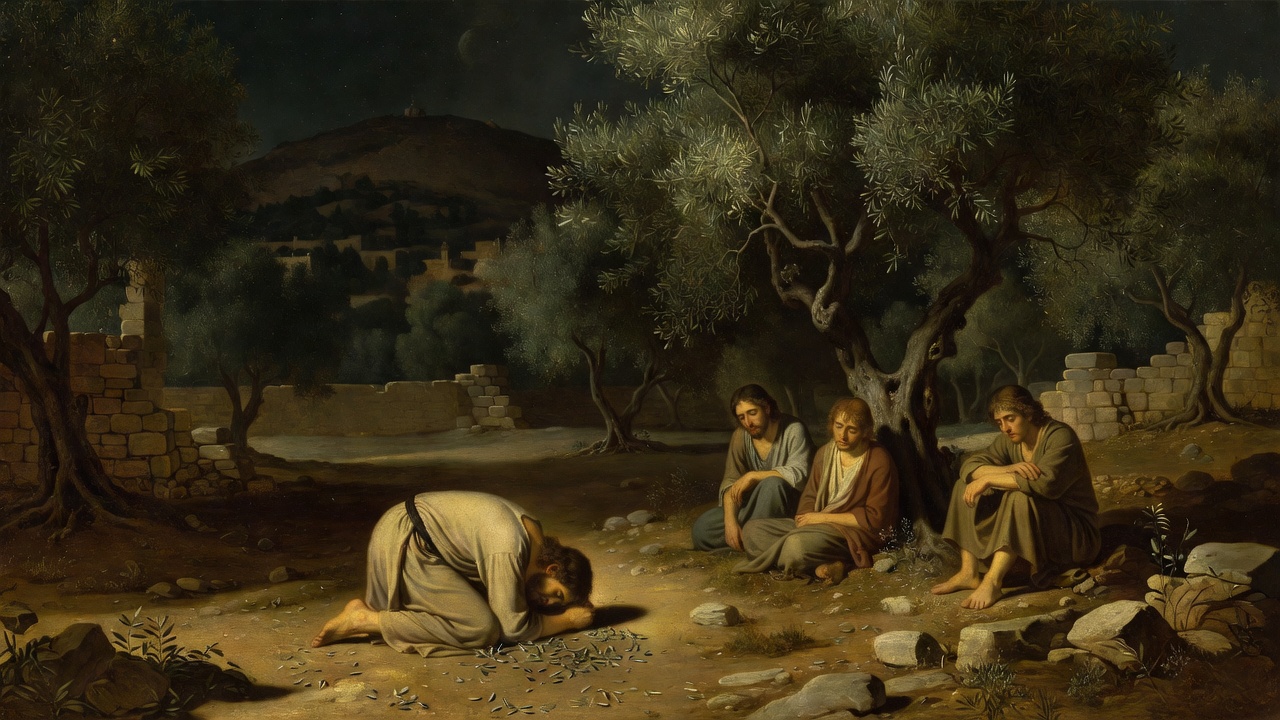
36Kaam wën ke Jethu kek kɔcken ye buɔɔth la tɛ̈ cɔl Jethemani, ku lueel tënë ke, “Nyuɔ̈ɔ̈ckë tɛ̈n, ku yiënkë, ɣɛn ala tɛ̈ɛ̈n ba la röök.” 37Ku cɔɔl Pïtɛr ku wɛ̈ɛ̈t Dhubedï karou, ku jɔl rëër ke nɛ̈k atiëël, ku dhiɛɛu apɛi yepuɔ̈u. 38Ku lueel tënë ke, “Ɣɛn adhiau puɔ̈u apɛi, ee thou guɔ̈p. Rɛ̈ɛ̈rkë tɛ̈n ku yiënkë.”
39Ku le tueŋ tɛ̈thin-nyɔɔt, ku rɛ̈ɛ̈ny rot piny ke gut yenhom piny ku röök ëlä, “Wä, na lëu rot ke yï cɔl kërɛɛc tit ɣa acïï bɔ̈. Ku acie wɛ̈t piändiɛ̈, ee wɛ̈t piändu.”
40Nawën ke dhuk tënë ke kadiäk ku yök ke ke nin. Go lueel tënë Pïtɛr, “Niɛɛnkë! Cäk yiën tɛ̈thin-nyɔɔt? Yeŋö ye wek nin këlä? 41Yiënkë ku rɔ̈ɔ̈kkë bï we cïï them jakrɛc. Puɔ̈u ë gam ku guɔ̈p acïn riɛl.”
42Ku ben jäl ku le röök ëlä, “Wä, na cïï kërɛɛc kënë jiël, ke wɛ̈t piändu abï rot looi.” 43Ku ben dhuk tënë ke, ku ben ke yök ke nin, rin cï nin ke göök apɛi.
44Goke nyääŋ piny ku ben jäl, ku ben la röök cïmën awën, kën ye kek diäk. 45Ku dhuk tënë kɔcken ye buɔɔth ku lueel, “Ŋot we nin! Lääŋkë? Tɛ̈n nin acï thök, tiɛ̈ŋkë Manh Raan acï luɔ̈m kɔc rɛc. Ëmën tɛ̈ bï ɣa jal thɔ̈n kɔc rɛc acï ɣëët. 46Raan cä luɔm acï bɛ̈n. Jatkë röt, lokku buk rɔ̈m!”
Jethu acï dɔm
47Tɛ̈wën ŋot jiɛɛm yen, ku Judath raan töŋ kɔc atuuc kathiäär ku rou ɣëët. Ku yeen ë cath kek kɔc juëc muk paal ku atuel, ke cï kɔcdït käk Nhialic ku kɔcdït baai tooc. 48Ku Judath acï kɔc awën cath kek ye, lɛ̈k tɛ̈ bï kek raan wïckë bïk bɛ̈n dɔm ŋiɛc thïn, ëlä, “Raan ba muɔ̈ɔ̈th ku ciɛɛm yen ë raan wiɛ̈ckë. Damkë ku kuathkë.”
49Kaam wën ɣëët Judath, ke la tënë Jethu nyin yic ku lueel, “Bɛ̈ny,” ku muɔ̈ɔ̈th ku ciim. 50Go Jethu bɛ̈ɛ̈r, “Mäthdiɛ̈, loi kënë bï yïn ë tɛ̈n.” Go kɔc awën bɛ̈n ku dɔmkë Jethu ku derkë. 51Go raan tök kam kɔc awën rɛ̈ɛ̈r kek Jethu palde miëët bei, ku tök alony lui pan raandït käk Nhialic yïc, abï tɛɛm yïc wei. 52Go Jethu lɛ̈k ye, “Dhuɔ̈k paldu tɛ̈den awën, kɔc ye wïc bïk kɔc nɔ̈k, aabï thou aya këya. 53Cäk ë tak lɔn nadë, ka lɛ̈u ba Wä thiëëc bï ɣa tuɔ̈c atuuc nhial juëc apɛi bïk ɣa bɛ̈n kony? 54Ku na ye këya, ke wël athör thɛɛr Nhialic bï röt tiɛɛŋ, wël ye lueel ka dhil rot looi këlä?”
55Ku kaam wën ke lueel Jethu tënë ke ëlä, “Cäk bɛ̈n we muk atuel ku paal bäk ɣa bɛ̈n dɔm, ciɛ̈t ɣa ye raan kɔc rum? Ɣɛn ee rëër kek we akölaköl ɣa piööc kɔc luaŋ Nhialic, ku wek aa këc ɣa dɔm. 56Ku kënë acï rot looi bï kë cï gɔ̈t athör thɛɛr wël Nhialic yiic yenhom tiɛɛŋ.” Ku jɔl kɔcken ye buɔɔth ëbën nyääŋ piny ku kɛtkë.
Jethu acï ɣäth luŋ bäny Itharel yic
57Ku jɔl kɔc awën cï Jethu dɔm, Jethu ɣäth pan Kaipa luk yic, cï bäny käk Nhialic Itharel, ku kɔc piööc lööŋ kenhïïm mat thïn. 58Ku Pïtɛr ë biöth, ke mec kɔc cök ciëën agut tɛ̈ ɣëët yen pan bɛ̈ny luk yic. Ku nyuuc kek kɔc bɛ̈ny tiit, ku jɔl rëër bï kë lui Jethu tïŋ. 59Bäny luk ku kɔcdït käk Nhialic aake cï nyuc bïk Jethu wïc guɔ̈p awuɔ̈c cï looi, rin bï kek ye tɛ̈m thou. 60Ku acïn awuɔ̈c cïï bɛ̈n yök, cɔk alɔn ye kɔc juëc ye luɔm lueth, ke wɛ̈lken akëc rɔ̈m. Nawën ke kɔc karou jɔt röt, 61ku luelkë, “Acuk piŋ ke lueel, ‘Ɣɛn abï luaŋ Nhialic kënë thuɔ̈r piny, ku na ye aköl ye nïn diäk ke ɣɛn abï dɛ̈t buth nyiɛnde.’ ”
62Go Kaipa raandït käk Nhialic rot jɔt ku thiëëc Jethu, “Cïn wɛ̈t dhuk nhom ë wël cï luɛɛl yïguɔ̈pkä yiic?” 63Go Jethu biɛt. Go Kaipa bɛn lɛ̈k ye, “Yïn athiëëc rin Nhialic ba lɛ̈k ɣo lɔn ye yïn Raan cï lɔc ku dɔc, Manh Nhialic.”
64Go Jethu lɛ̈k ye, “Ee yic, cït tɛ̈ ca luɛ̈l ye. Ku aŋot lɛ̈k we ëbën lɔn ëmën ɣet tueŋ, wek aabï Manh Raan jäl tïŋ ke cï nyuc cuëny Nhialic ŋic käŋ looi ëbën, ku bïï puɔl nhïïm nhial.”
65Go Kaipa aläthke rɛt yiic yekɔ̈u ku lueel, “Acï Nhialic tɔɔn guɔ̈p. Yeŋö ŋot wïcku kɔc kɔ̈k bï bɛn jam käk cï looi ëmën? Ku wek aacï tɛ̈ tɔɔn yen Nhialic thïn piŋ. 66Yeŋö yen wɛ̈tdun?” Gokë bɛ̈ɛ̈r, “Ala guɔ̈p awuɔ̈c, adhil nɔ̈k.”
67Ku jɔl kɔc kɔ̈k aa ŋuɔ̈ɔ̈t nyin ku guutkë kecin. Ku lëk kɔc kɔ̈k ye tɛ̈wën ye kek ye gut, 68“Raan cï lɔc ku dɔc, mɛɛk raan yï gut?”
Pïtɛr ajɛi Jethu
69Kaam wën ŋot rëër Pïtɛr piiny kal yic pan bɛ̈ny, ke nyɛn lui pan Kaipa bɔ̈ tënë ye ku lueel, “Yïïn aya, yïn yï rëër kek Jethu raan Galilia.”
70Go jai kenhïïm ëbën ku lueel ëlä, “Ɣɛn acïï raandun ye lueel ŋic diɛn. Ku kë ye lueel acä cak deet yic aya.” 71Ku ler aɣeer. Go nyɛn dɛ̈t alony bɛ̈n ku lëk kɔc awën kääc thïn, “Mony kënë ë ye rëër kek Jethu raan Nadharet.”
72Go Pïtɛr bɛn jai ku kuëëŋ ku lueel, “Ɣɛn akuc mony kënë.”
73Ku kaam awën, ke lueel kɔc kääc thïn tënë Pïtɛr, “Ee yic, yïn ë raanden rin yïn ë raan Galilia, yïn ë jam cïmënden.”
74Go Pïtɛr rot bɛn kuëëŋ, “Nhialic abä nɔ̈k tɛ̈ cïï ɣɛn yic luel! Ɣɛn akuc raan jiɛɛm wek riɛnke!” Nyin yic tɛ̈wën ke thɔn ajïth kiu. 75Go Pïtɛr këwäär cï Jethu lɛ̈k ye tak. “Tueŋ ke thɔn ajïth këc kiu, ke yïn abä jai arak diäk.” Ku ler aɣeer ke cï guɔ̈p yär ku dhiɛɛu.
Did you know?
From the plot to the arrest
- The chief priests and elders assembled in the courtyard of Caiaphas to plan a secret arrest. Easton's Bible Dictionary (1897) identifies him as high priest from A.D. 27 to 36, throughout Pilate's administration, and as a Sadducee whose wife was the daughter of Annas, a former high priest. They agreed not to act during the feast, for fear of a riot among the people.Sources: Caiaphas · the Bible text itself
- The anointing took place in Bethany, a village on the southeastern slope of the Mount of Olives, about two miles east of Jerusalem on the road to Jericho; its name is linked to the palm trees that grew there. Jesus was in the home of Simon, a leper of Bethany, when a woman poured expensive perfume on his head as he reclined at the table.Sources: Bethany · Simon · the Bible text itself
- After they had sung a hymn, Jesus and the disciples went out to the Mount of Olives, a ridge east of Jerusalem, named for the olive trees on its slopes and separated from the city by the Kidron valley. Gethsemane, an olive-yard at the foot of that ridge, means “oil-press”; it was a place to which Jesus was accustomed to withdraw with his disciples.Sources: Gethsemane · Mount of Olives · the Bible text itself
Notes written with AI assistance from open sources (Theographic Bible Metadata, CC BY-SA 4.0; Easton’s Bible Dictionary, public domain) and reviewed before publishing.
Places in this chapter
- Mount of Olives · 31.778, 35.246 · verse 30
- Galilee · 32.760, 35.527 · verses 32, 69
- Gethsemane · 31.779, 35.239 · verse 36
- Nazareth · 32.702, 35.298 · verse 71
Only places identified with high confidence are shown (90% or more according to the scholarly sources compiled by OpenBible). Period map: DARE (Digital Atlas of the Roman Empire), CC BY 4.0; modern map: © OpenStreetMap contributors; places: OpenBible.info (CC BY 4.0).
Credits and license for this translation
Lëk yam
New Testament in Dinka, Southwestern (SU:dik:Dinka, Southwestern)
copyright © 2006 Wycliffe Bible Translators, Inc.
Language: Dinka, Southwestern
Translation by: Wycliffe Bible Translators, Inc.
Dinka, Southwestern
dik
Sudan
Copyright Information
© 2006, Wycliffe Bible Translators, Inc. All rights reserved.
This translation text is made available to you under the
terms of the Creative Commons License: Attribution-Noncommercial-No Derivative Works.
( http://creativecommons.org/licenses/by-nc-nd/3.0/ )
In addition, you have permission to port the text to different file formats, as long as you
do not change any of the text or punctuation of the Bible.
You may share, copy, distribute, transmit, and extract portions
or quotations from this work, provided that you include the above copyright
information:
You must give Attribution to the work.
You do not sell this work for a profit.
You do not make any derivative works that change any of the actual words or punctuation of the Scriptures.
Permissions beyond the scope of this license may be
available if you contact
us with your request.
The New Testament
in Dinka, Southwestern
© 2006, Wycliffe Bible Translators, Inc. All rights reserved.
This translation is made available to you under the terms of the
Creative Commons Attribution-Noncommercial-No Derivatives license 4.0.
You may share and redistribute this Bible translation or extracts from it in any format, provided that:
You include the above copyright and source information.
You do not sell this work for a profit.
You do not change any of the words or punctuation of the Scriptures.
Pictures included with Scriptures and other documents on this site are licensed just for use with those Scriptures and documents.
For other uses, please contact the respective copyright owners.
2014-04-22
Source: http://ebible.org/dikNT/ · eBible.org