Luke 23
Lëk yam · Tap a verse to see its cross-references.
Kɔc Itharel aacï Jethu gaany tënë Pilato
1Go kɔc luk röt jɔt ëbën ku ɣɛ̈thkë Jethu Pilato nhom raan Roma. 2Ku gɔɔnykë ku luelkë, “Ɣok aacï mony kënë yök ke rɛc kackua nhïïm, ke ye lɛ̈k ke bïk ajuër cïï ye tääu piny tënë bɛ̈nyŋaknhom Roma. Ku aye lueel aya lɔn ye yen Raan cï lɔc ku dɔc, bɛ̈nyŋaknhom.”
3Go Pilato thiëëc, “Ye yïn bɛ̈nyŋaknhom kɔc Itharel?” Go Jethu bɛ̈ɛ̈r, “Ee ɣa, cït tɛ̈ ca luɛ̈l ye.”
4Go Pilato yenhom wɛ̈l kɔcdït käk Nhialic ku thän awën ku lueel, “Acïn awuɔ̈c ca yök ee raan kënë guɔ̈p.” 5Gokë ŋot ke jam apɛi ku luelkë, “Tɛ̈den yen kɔc piɔ̈ɔ̈c thïn ajɔk aliääp Judia yic ëbën. Acï jɔɔk Galilia ku yen kïn cï bɛ̈n Jeruthalem ëmën.”
Jethu acï ɣäth Antipäth Ɣërot nhom
6Nawën piŋ Pilato ë wëlkä ke thiëëc lɔn yen raan Galilia. 7Nawën le ŋic lɔn ye Jethu raan wun mɛc Antipäth Ɣërot, ku yeen ë rɛ̈ɛ̈r Jeruthalem ë nïnkä, ke cɔl Jethu aɣɛ̈th yenhom. 8Go Antipäth Ɣërot puɔ̈u miɛt wën tïŋ yen Jethu, rin ëcï käjuëc piŋ ë riɛnke. Ku ëcï Ɣërot wïc apɛi bï Jethu tïŋ, ku ŋɔ̈ɔ̈th aya bï käk ye Jethu ke looi tïŋ. 9Go Jethu jal thiëëc wël juëc, go Jethu biɛt kecïn wɛ̈t töŋ dhuk nhom. 10Go kɔcdït käk Nhialic ku kɔc piööc lööŋ röt cuɔt tueŋ, ku lueelkë wël rɛc apɛi Jethu guɔ̈p. 11Go Antipäth Ɣërot kek apuruɔ̈ɔ̈kke Jethu bui ku lɛ̈ɛ̈tkë. Ku rukkë alanh dhëŋ apɛi cït alanh bɛ̈ny yekɔ̈u, ku toockë ciëën tënë Pilato. 12Ku jɔl Antipäth Ɣërot kek Pilato, wäär man röt jal määth akölë.
Jethu acï tɛ̈m thou
13Go Pilato kɔcdït käk Nhialic ku kɔcdït baai, ku kɔc kɔ̈k cɔɔl ëbën, 14ku lëk ke, “Wek aacï mony kënë bɛ̈ɛ̈i ɣanhom, ku luɛlkë lɔn ë yen raan rɛc kɔc nhïïm bïk aliääp looi. Ku ëmën ɣɛn acï wɛ̈t wïc yic wenhïïm, ku akɛ̈c yök ke la guɔ̈p awuɔ̈c cɔk alɔn cï wek ye gaany käjuëc apɛi. 15Na cɔk a Antipäth Ɣërot ka këc yök ke la guɔ̈p awuɔ̈c, yen ale yen ye cɔl adhuk ɣanhom. Acïn awuɔ̈c cï mony kënë looi lëu bï ye nɔ̈k. 16Aba cɔl athat ku luɔny.” 17Ruɔ̈ɔ̈n ëbën aköl Yan Ayum cïn yic luɔu, Pilato ë raan tök kam kɔc cï mac lony tɛ̈ wïc kɔc baai ye bï lony. 18Go thän awën tɔ̈ thïn wuɔɔu looi, “Näk! Ku lony Barabath tënë ɣo.” 19Barabath ëcï mac rin aliäm cï rot looi geeu, ku rin cï yen raan nɔ̈k.
20Ë wïc Pilato bï Jethu lony, ku ben jam tënë ke. 21Gokë bɛn kiu apɛi, “Apiëët tim cï rïïu kɔ̈u.”
22Go Pilato bɛn jam tënë ke, kënë yen yic diäk ku lueel, “Yeŋö? Ye awäc ŋö cï looi? Acïn awuɔ̈c ca yök ke cï looi lëu bï ye nɔ̈k! Aba cɔl athat ku cal ajiël.” 23Gokë ŋot ke kiu apɛi röldït, lɔn dhil Jethu piäät tim cï rïïu kɔ̈u. Ku këden wën yekë lueel acï yenhom bɛ̈n guɔ̈t.
24Go Pilato wɛ̈tden gam ku tëm Jethu awuɔ̈c wën wïckë. 25Ku lony Barabath, raan wäär cï mac rin aliääp, ku rin cï yen raan nɔ̈k. Ku yïk ke Jethu bïk la luɔɔi tɛ̈den wïckë kepuɔ̈th.
Jethu acï piäät tim cï rïïu kɔ̈u
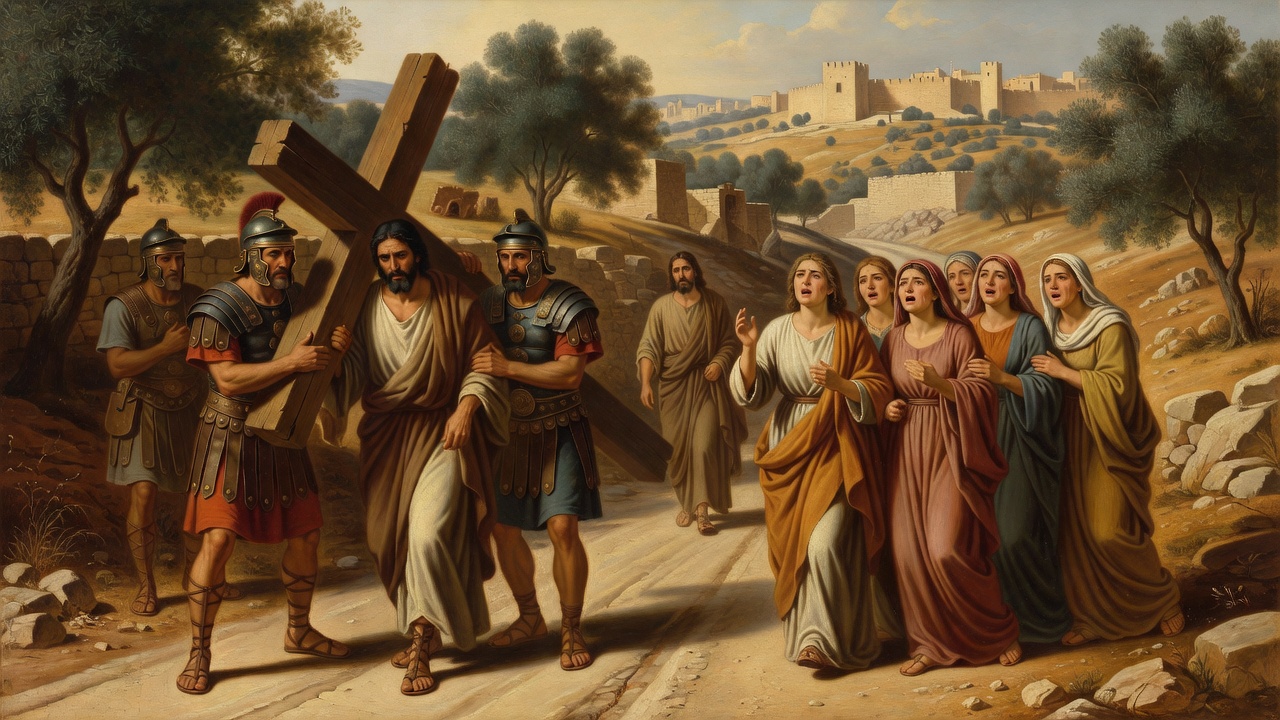
26Gokë Jethu kuaath aɣeer. Ku wën kuɛɛth kek ye, ke mony cɔl Thaimon raan pan Thirene bɔ̈ baai, nawën cï tim cï rïïu Jethu göök, gokë dɔm ku cɔlkë aket tim ke buɔɔth Jethu cök. 27Ku buɔɔth kɔc juëc apɛi ku diäär dhiau riɛnke aya. 28Go Jethu yenhom wɛ̈l ke ku lueel, “Diäär Jeruthalem, duɔ̈kkë dhiau ë riɛnkiɛ̈, dhiaaukë ë riɛnkun ku rin miɛ̈thkun. 29Rin nïn bï ye lueel ëlä aacï thiɔ̈k, ‘Diäär mit gup aa diäär këc mïth kaŋ thuɛ̈ɛ̈t!’ 30Ku ë yen tɛ̈n bï ye aa luɛɛl thïn aya ëlä, ‘Aŋuɛ̈ɛ̈n buk ciɛ̈t kɔc cï thou, kɔc cï wiɛ̈k nhïïm, kɔc cï kë cï wïïk kenhïïm kuɔ̈m piny.’ 31Na ye këcït kënë rot looi ke tim tɔ̈c, ke yeŋö yakë tak ke bï rot looi tɛ̈ le yen riɛl.”
32Ku kuath apuruuk kɔc karou aya, kɔc la gup awuɔ̈cdït tet bïk ke la nɔ̈k kek Jethu. 33Nawën lek tɛ̈ cɔl Ithkal dööt, ke piɛ̈ɛ̈t Jethu tim cï rïïu kɔ̈u ku kɔc awën karou, raan tök lɔŋ cuëc ku raan dɛ̈t lɔŋ cam. 34Go Jethu lueel, “Wä, päl piny tënë ke, keek aa kuc kë loikë.”
Ku cuɛt apuruuk gɛk bïk alɛ̈th Jethu tek kamken. 35Ku jɔl kɔc juëc kɔ̈ɔ̈c ë tɛ̈ɛ̈n ke daai ye. Ku tɛ̈n awën ë ye kɔcdït Itharel bui ku luelkë, “Ee kɔc kɔ̈k kony, cɔl akony rot tɛ̈ ye yen Raan cï Nhialic lɔc ku dɔɔc.”
36Ku bui apuruuk aya. Ku bïk tënë ye ku gɛ̈mkë muɔ̈n abiëc cï wac, 37ku luelkë, “Na ye bɛ̈ny kɔc Itharel ke yï kony rot.” 38Ku piɛ̈ɛ̈tkë tim cï ye gɔ̈t thïn këlä nhial tim Jethu nhom, “ KËNË Ë BƐNYŊAKNHOM ITHAREL.”
39Go raan tök kam kɔc awën cï piäät kek ye lat ku lueel, “Cïï ye Raan cï Nhialic lɔc ku dɔɔc? Kony rot ku kony ɣo aya.” 40Go raan dɛ̈ɛ̈të puɔ̈u riääk ku nyieeny, “Cïï ye cak riɔ̈ɔ̈c Nhialic agut tɛ̈ thou yïn aya? Ɣok aacï tɛ̈m thou cïmënde. 41Ku awäcda adhilku jɔt rin ɣok aa col kë cuk looi, ku mony kënë acïn kërɛɛc cï looi.” 42Ku lueel tënë Jethu, “Tak ɣa tɛ̈ ɣeet yïn Bäänydu yic.” 43Go Jethu lɛ̈k ye, “Yïn alɛ̈k yic, yaköl yïn abï rëër kek ɣa pan Nhialic.”
Jethu acï thou ayic
44Nawën tɛ̈cït akɔ̈l ciɛl yic ke muɔ̈ɔ̈th loi rot pan awën, ku cïï akɔ̈l ruel ɣet tääŋ akɔ̈l. 45Ku tɛ̈wën ka alanh ye gɛ̈ɛ̈ŋ bï luaŋ Nhialic tek yic alɔŋ thïn rɛɛt yic rou. 46Ku cöt Jethu röldït ku lueel, “Wä, wɛ̈ikiɛ̈ aaca than yïcin.” Acï wëlkä lueel ku thou.
47Nawën tïŋ bäny apuruuk kë cï rot looi, ke lec Nhialic ku lueel, “Mony kënë ë ye raan path alanden.” 48Nawën tïŋ kɔc ke cï kenhïïm kut tɛ̈ɛ̈n bïk daai kë cï rot looi, gokë dhuk baai ke gut kepuɔ̈th. 49Kɔc ke ŋiɛ̈c kek Jethu ëbën, agut diäär ke buɔth ye wäär jiël yen Galilia, aake daai ë käkkä ëbën.
Jethu acï thiɔ̈k
50Mony cɔl Jothep ë tɔ̈ thïn. Ku yeen ë raan gen Arimatheo, pan Judia. Jothep ë ye raan path la cök, ku yeen ë ŋɔ̈th bɛ̈n bääny Nhialic. Ku yeen ë ye raan akut luk kɔc Itharel.
52Nawën le tïŋ lɔn cï Jethu thou, ke la tënë Pilato ku thiëëc guɔ̈p Jethu. 53Ku bïï piny tim kɔ̈u ku der alath, ku tɛ̈ɛ̈u raŋ cï wec kuur yic, raŋ cïn raan cï kaŋ thiɔ̈k thïn. 54Ee ya aköl nïn dhiëc, aköl ye kɔc röt guiir rin aköl cïï kɔc ye luui, ee bï guɔ bɛ̈n.
55Nawën cï guɔ̈p Jethu bɛ̈ɛ̈i piny tim kɔ̈u, ke diäär wäär bɔ̈ kek Jethu Galilia, buɔth Jothep ku tïŋkë tɛ̈ cï guɔ̈p Jethu tääu thïn raŋ yic, 56ku dhukkë baai ku lek miök ŋïr guiir bï kek guɔ̈p Jethu bɛ̈n tɔc. Nawën aköl cïï kɔc ye luui, ke ke lɔ̈ŋ cït tɛ̈ ye löŋ Mothith luɛ̈l ye.
Did you know?
Trial, Cross, and Burial
- Pontius Pilate, identified by Easton's Bible Dictionary (1897) as the sixth Roman procurator of Judea (A.D. 26–36), kept his headquarters at Caesarea but often went up to Jerusalem. The council’s accusations in this chapter are political: that Jesus was subverting the nation, forbidding the payment of taxes to Caesar, and proclaiming himself Christ, a king.Sources: Pontius Pilate · the Bible text itself
- When Pilate learned that Jesus was a Galilean and under Herod’s jurisdiction, he sent him to Herod Antipas, a son of Herod by Malthace, who was then in Jerusalem. Herod had long wanted to see Jesus and hoped for a miracle, but Jesus did not answer his questions. After Herod and his soldiers mocked Jesus and dressed him in a fine robe, they sent him back, and that day Herod and Pilate, who had been enemies, became friends.Sources: Herod Antipas · the Bible text itself
- The place of crucifixion is called The Skull; a Latin form, Calvaria, translated the Greek Kranion, which rendered the Hebrew Gulgoleth. It probably took this name from its shape, a low, rounded, bare rise somewhat like a human skull, and Scripture nowhere calls it a hill. The crucifixion took place outside the city walls and near a public road.Sources: Skull · the Bible text itself
Notes written with AI assistance from open sources (Theographic Bible Metadata, CC BY-SA 4.0; Easton’s Bible Dictionary, public domain) and reviewed before publishing.
Places in this chapter
- Galilee · 32.760, 35.527 · verses 5, 6, 7, 49, 55
- Jerusalem · 31.777, 35.234 · verses 5, 7, 19, 28
- Judea · Today: Judea 1 · 31.777, 35.234 · verses 5, 51
- Cyrene · 32.821, 21.851 · verse 26
Only places identified with high confidence are shown (90% or more according to the scholarly sources compiled by OpenBible). Period map: DARE (Digital Atlas of the Roman Empire), CC BY 4.0; modern map: © OpenStreetMap contributors; places: OpenBible.info (CC BY 4.0).
Credits and license for this translation
Lëk yam
New Testament in Dinka, Southwestern (SU:dik:Dinka, Southwestern)
copyright © 2006 Wycliffe Bible Translators, Inc.
Language: Dinka, Southwestern
Translation by: Wycliffe Bible Translators, Inc.
Dinka, Southwestern
dik
Sudan
Copyright Information
© 2006, Wycliffe Bible Translators, Inc. All rights reserved.
This translation text is made available to you under the
terms of the Creative Commons License: Attribution-Noncommercial-No Derivative Works.
( http://creativecommons.org/licenses/by-nc-nd/3.0/ )
In addition, you have permission to port the text to different file formats, as long as you
do not change any of the text or punctuation of the Bible.
You may share, copy, distribute, transmit, and extract portions
or quotations from this work, provided that you include the above copyright
information:
You must give Attribution to the work.
You do not sell this work for a profit.
You do not make any derivative works that change any of the actual words or punctuation of the Scriptures.
Permissions beyond the scope of this license may be
available if you contact
us with your request.
The New Testament
in Dinka, Southwestern
© 2006, Wycliffe Bible Translators, Inc. All rights reserved.
This translation is made available to you under the terms of the
Creative Commons Attribution-Noncommercial-No Derivatives license 4.0.
You may share and redistribute this Bible translation or extracts from it in any format, provided that:
You include the above copyright and source information.
You do not sell this work for a profit.
You do not change any of the words or punctuation of the Scriptures.
Pictures included with Scriptures and other documents on this site are licensed just for use with those Scriptures and documents.
For other uses, please contact the respective copyright owners.
2014-04-22
Source: http://ebible.org/dikNT/ · eBible.org