John 10
Lëk yam · Tap a verse to see its cross-references.
Kääŋ abiöök
1Go Jethu lueel, “Wɛ̈t yic alɛ̈k we, raan cie tëëk kal amɛ̈l thok, ku lïr nhom tɛ̈dɛ̈t, yeen ë cuär, ku ë raan rum käŋ. 2Ku raan tëk kal thok yen abiöŋ amɛ̈l. 3Raan tit kal abï kal ŋaany thok tënë ye, ku piŋ amɛ̈l rɔ̈lde tɛ̈ cɔɔl yen amälke ë riɛnken, ku thel ke aɣeer. 4Ku tɛ̈ cï ke ɣäth aɣeer, ka cath tueŋ kenhïïm ku buɔɔth amɛ̈l cök rin ŋic kek rɔ̈lde. 5Aacïï raan dɛ̈t bï buɔɔth cök, aabï kat ye rin kuc kek rɔ̈lde.”
6Kääŋ kënë acï Jethu thäth ke, ku wɛ̈t lueel tënë ke akɛ̈ckë deet yic.
Jethu abiöŋ path
7Go Jethu bɛn lueel, “Wɛ̈t yic alɛ̈k we, ɣɛn ee kal thok tënë amɛ̈l. 8Kɔc kɔ̈k ëbën cï kaŋ bɛ̈n ɣanhom tueŋ, aa cuär ku aa kɔc rum käŋ, ku rɔ̈lden akëc amɛ̈l piŋ. 9Ɣɛn ë kal thok. Raan bɔ̈ thïn thuɔŋdiɛ̈ abï luɔ̈k, yeen abï bɛ̈n alɔŋthïn ku ler aɣeer, ku yök wɛl path. 10Cuär ë bɛ̈n rin bï cuëër, ku nɛ̈k käŋ ku rɛc ke. Ɣɛn acï bɛ̈n bïk pïr yök, pïrdït alanden.
11“Ɣɛn abiöŋ path. Abiöŋ path aye wïc bï thou rin amälke. 12Raan lui ariöp ku cie raan abiöök ku cie wun amɛ̈l, ku tïŋ gɔl ke bɔ̈, ka päl amɛ̈l ku kɛt, bï gɔl thuɛɛt amɛ̈l yiic ku thiëi ke roor. 13Raan lui ariöp ë kat rin ë raan lui ariöp ë path, ku aliu puɔ̈u kegup.
14“Ɣɛn abiöŋ path. Cïmën ŋic Wä ɣɛn ku ŋiɛc Wä, këya ɣɛn aŋic amälkiɛ̈ ku amälkiɛ̈ aa ŋic ɣa. Ku awiëc ba thou ë riɛnken. 16Amɛ̈l kɔ̈k aa tɔ̈ thïn ku aa käkkiɛ̈ ku aa liu thïn kal kënë yic. Keek aaba bɛ̈ɛ̈i aya, ku aabï rɔ̈ldiɛ̈ piŋ, ku keek aabï ya luɔ̈ny tökaliŋ kek raan töŋ biöök ke.
17“Wä anhiar ɣa rin awiëc ba piɛ̈rdiɛ̈ puɔ̈l rin bï ɣɛn ye bɛn yök. 18Acïn raan bï piɛ̈rdiɛ̈ nyaai tënë ɣa. Yeen aya puɔ̈l wɛ̈t piändiɛ̈ ë rot. Ɣɛn ala riɛl ba päl wei, ku ɣɛn ala riɛl ba bɛn lööm.”
19Go kɔc Itharel keyiic bɛn tek kamken rin ë wëlkä. 20Kɔc juëc kamken aa yekë lueel, “Yeen ala guɔ̈p jɔŋrac! Yeen amuɔ̈l! Yeŋö ye wek wɛ̈lke piŋ?”
21Go kɔc kɔ̈k lueel, “Lëu raan la guɔ̈p jɔŋrac bï jam cïmën yen! Lëu jɔŋrac këdë bï cɔɔr cɔl akuek yenyin?”
Kɔc Itharel aa kuec Jethu
22Aköl looi Yan Dɔ̈c luaŋ Nhialic Jeruthalem acï bɛ̈n, ku piny ë ye mɛ̈i. 23Ku Jethu ë cath puɔk yic, cɔl puɔk Tholomon tɔ̈ luaŋ Nhialic. 24Go kɔc Itharel guëër yelɔ̈ɔ̈m ku luelkë, “Ɣet nɛn bï yïn ɣo cɔl arɛ̈ɛ̈r ɣo diu puɔ̈th? Lɛ̈k ɣo yic la gɛi, ye yïn Raan cï lɔc ku dɔc?”
25Go Jethu bɛ̈ɛ̈r, “Wɛ̈t aca lɛ̈k we ku wek aacie wɛ̈tdiɛ̈ ye gam. Luɔikiɛ̈n ya looi ë riɛl Wä, kek ajam ë riɛnkiɛ̈. 26Ku wek aacie wɛ̈tdiɛ̈ ye gam rin cïï wek ye amälkiɛ̈. 27Amälkiɛ̈ aa rɔ̈ldiɛ̈ piŋ ku keek aŋiɛc ku keek aa ɣa buɔɔth cök. 28Pïr akölriëëc ëbën aya yiëk ke, ku keek aacïï bï kaŋ thou athɛɛr, ku acïn raan lëu ye bï ke rum tënë ɣa. 29Kë cï Wä yiëk ɣɛn awär këriëëc ëbën, ku acïn raan lëu ye bï ke rum Wä cin. 30Wä ku ɣɛn ɣok aa tök.”
31Go kɔc Itharel aleel bɛn kuany bïk biɔ̈ɔ̈k. 32Go Jethu lɛ̈k ke, “Luɔi puɔth juëc cï Wä yiëk ɣɛn ba ke looi, aa ca looi wenhïïm, ye luɔi töŋ nɛn kamken yen wïc wek ye bäk ɣa biɔ̈ɔ̈k aleel?”
33Go kɔc Itharel bɛ̈ɛ̈r, “Yïn acuk wïc buk yï biɔ̈ɔ̈k aleel rin luɔi path, ku ë rin ye yïn Nhialic dɔl guɔ̈p. Yïn ë raan ë path, ku wïc ba rot looi ba ya Nhialic!”
34Go Jethu bɛ̈ɛ̈r, “Acï gɔ̈t lɔ̈ŋdun yic guɔ̈p lɔn cï Nhialic ye lueel, ‘Wek aa Nhialic.’ 35Aŋicku lɔn wɛ̈t cï gɔ̈t athör wël thɛɛr Nhialic yic ë yic alanden, ku kɔckä acï Nhialic cɔl, ‘Nhialic,’ kɔc cï Nhialic thɔ̈n wɛ̈tde. 36Ku na ɣɛn, ke Wä cä cɔɔl ku tuuc ɣa pinynhom, ku ye këdë ye wek ye lueel lɔn cï ɣɛn Nhialic dɔl, ye rin cï ɣɛn ye lueel lɔn ye ɣɛn Wën Nhialic? 37Duɔ̈kkë wɛ̈tdiɛ̈ gam tɛ̈ cïï ɣɛn luɔi Wä loi. 38Ku na ya ke looi, ku cɔk alɔn cïï wek wɛ̈tdiɛ̈ gam, ke we dhil luɔikiɛ̈ gam, bäk ŋic alanden lɔn Wä arɛ̈ɛ̈r kek ɣa ku ɣɛn atɔ̈ Wä yic.”
39Gokë wïc bïk dɔm, go ke käl nyïn.
40Go Jethu bɛn dhuk ciëën wär Jordan alɔŋtui tɛ̈wäär ye Joon kɔc muɔɔc nhïïm thïn, ku rëër thïn tɛ̈ɛ̈n. 41Go kɔc juëc bɛ̈n tënë ye ku luelkë, “Joon akëc käril looi, ku këriëëc ëbën cï lueel rin ë mony kënë aacï ya yith.” 42Ku gam kɔc juëc wɛ̈tde ë tɛ̈në.
Did you know?
The Good Shepherd
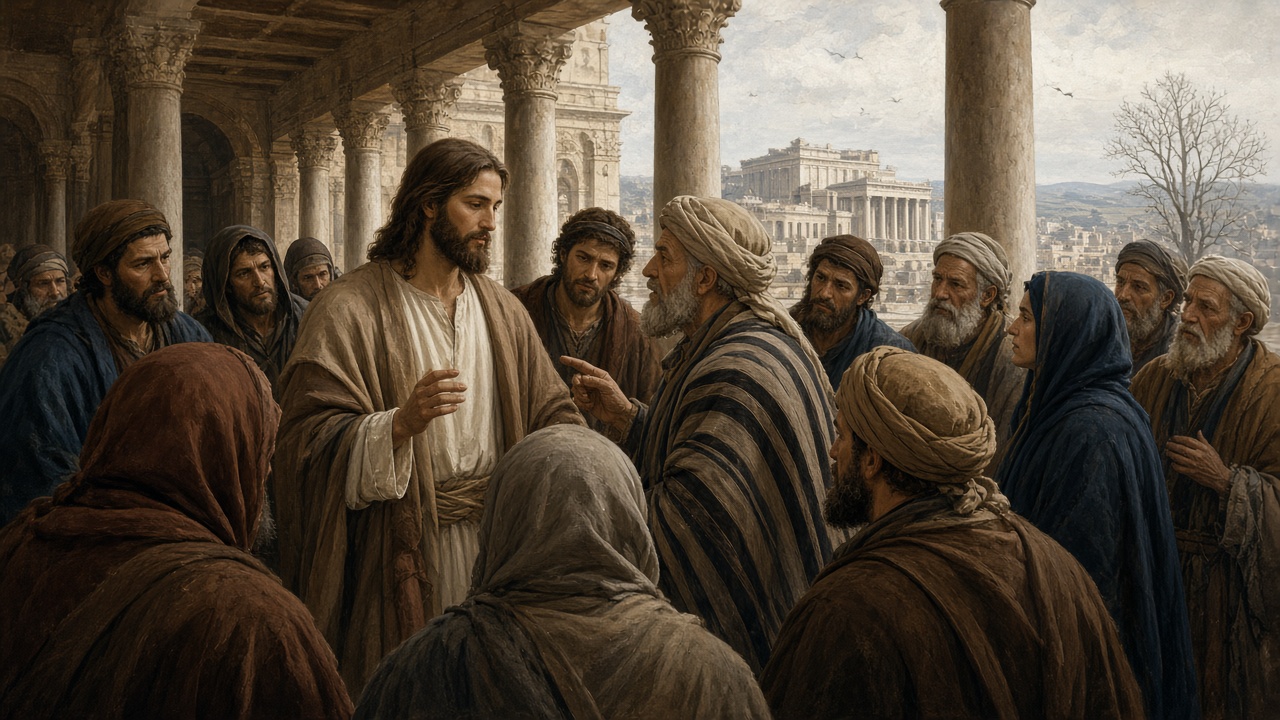
- During the Feast of Dedication in Jerusalem it was winter, and Jesus was walking in the temple courts in Solomon's Colonnade. The name Jerusalem, in a dual form, means "possession of peace" or "foundation of peace"; that form probably refers to the mountains of Zion and Moriah, or, as some suppose, to the upper and lower city. Solomon's Hebrew name, Shelomoh, means "peaceful."Sources: the Bible text itself · Jerusalem · Solomon
- A chronology of Gospel events dates the Good Shepherd teaching to AD 29, and dates a time of teaching and healing from Perea to Jerusalem to AD 30.Sources: The Good Shepherd Teaching · Teaching and Healing in Perea to Jerusalem
- Jesus then went back across the Jordan to the place where John had first been baptizing, and many people there believed in him. John was of priestly descent: his father, Zacharias, was a priest of the course of Abia, and his mother, Elisabeth, was of the daughters of Aaron. His birth, six months before that of Jesus, was foretold by an angel; those who came said that John never performed a sign, yet everything he had said about Jesus was true.Sources: the Bible text itself · John the Baptist
Notes written with AI assistance from open sources (Theographic Bible Metadata, CC BY-SA 4.0; Easton’s Bible Dictionary, public domain) and reviewed before publishing.
Places in this chapter
- Jerusalem · 31.777, 35.234 · verse 22
- Solomon’s Portico · Today: in Jerusalem · 31.777, 35.234 · verse 23
- Jordan · Today: Jordan River · 31.761, 35.558 · verse 40
Only places identified with high confidence are shown (90% or more according to the scholarly sources compiled by OpenBible). Period map: DARE (Digital Atlas of the Roman Empire), CC BY 4.0; modern map: © OpenStreetMap contributors; places: OpenBible.info (CC BY 4.0).
Credits and license for this translation
Lëk yam
New Testament in Dinka, Southwestern (SU:dik:Dinka, Southwestern)
copyright © 2006 Wycliffe Bible Translators, Inc.
Language: Dinka, Southwestern
Translation by: Wycliffe Bible Translators, Inc.
Dinka, Southwestern
dik
Sudan
Copyright Information
© 2006, Wycliffe Bible Translators, Inc. All rights reserved.
This translation text is made available to you under the
terms of the Creative Commons License: Attribution-Noncommercial-No Derivative Works.
( http://creativecommons.org/licenses/by-nc-nd/3.0/ )
In addition, you have permission to port the text to different file formats, as long as you
do not change any of the text or punctuation of the Bible.
You may share, copy, distribute, transmit, and extract portions
or quotations from this work, provided that you include the above copyright
information:
You must give Attribution to the work.
You do not sell this work for a profit.
You do not make any derivative works that change any of the actual words or punctuation of the Scriptures.
Permissions beyond the scope of this license may be
available if you contact
us with your request.
The New Testament
in Dinka, Southwestern
© 2006, Wycliffe Bible Translators, Inc. All rights reserved.
This translation is made available to you under the terms of the
Creative Commons Attribution-Noncommercial-No Derivatives license 4.0.
You may share and redistribute this Bible translation or extracts from it in any format, provided that:
You include the above copyright and source information.
You do not sell this work for a profit.
You do not change any of the words or punctuation of the Scriptures.
Pictures included with Scriptures and other documents on this site are licensed just for use with those Scriptures and documents.
For other uses, please contact the respective copyright owners.
2014-04-22
Source: http://ebible.org/dikNT/ · eBible.org