Acts 9
Lëk yam · Tap a verse to see its cross-references.
Thawul acï wɛ̈t Jethu gam
1Thawul acï la tueŋ ke riɛ̈ɛ̈c ye yen kɔc buɔth Bɛ̈ny riääc lɔn nɛ̈k yen ke. Ee cï la tënë raandït käk Nhialic, ku bï ye la yiëk athöör tënë bäny akut yanh Itharel rɛ̈ɛ̈r gen Damathkuth, ku aye athörkä lɛ̈k kɔc Itharel tɔ̈ Damathkuth, lɔn na la Thawul kɔc cï wɛ̈t Jethu gam yök, diäär ku röör, ke bï dɔm, ku kuɛɛth ke Jeruthalem.
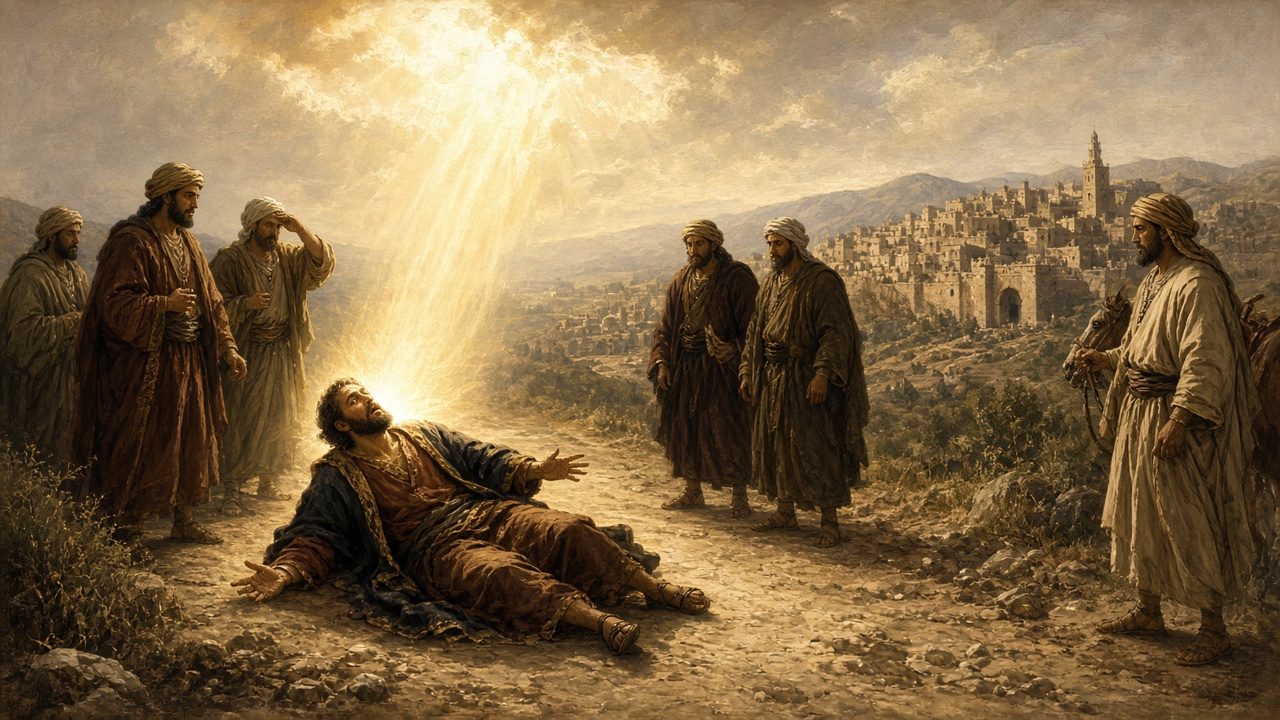
3Tɛ̈wën ciɛth Thawul dhöl yic ke la Damathkuth, ku wën cï yen jal thiɔ̈k kek gɛu, ke kam thiin wën ke tïŋ mac la biliny nhial, ku ɣer piny ëbën yelɔ̈ɔ̈m. 4Ku wïïk piny ku piŋ raan röl ke jam ku lëk ye, “Thawul, Thawul! Ye rin ŋö cɔl yïn ɣa agum?”
5Go Thawul thiëc ëlä, “Ee yïn ŋa Bɛ̈ny?” Go röl wën cï piŋ dhuɔ̈k ye, “Ee ɣɛn Jethu, ɣɛn raan jör. 6Ku yïïn jɔt rot ëmën ku lɔɔr geeu, ku yïn abï lɛ̈k kë ba dhiɛl looi.”
7Röör ke cath kek Thawul aake cï kɔ̈ɔ̈c, ke bit, ku keek ë cïn raan cïk tïŋ, ku aake cï röl raan jam piŋ. 8Go Thawul rot jɔt, nawën liep yenyin, ke cie piny ye tïŋ. Go kɔc ke cath kek ye dɔm cin ku thelkë, ke la Damathkuth. 9Ku jɔl rëër nïn kadiäk ke cie daai, ku yeen ë nïnkä yiic kadiäk ëcie dek pïu ku ëcie mïth.
10Raan cɔl Ananiath cï wɛ̈t Nhialic gam ë rɛ̈ɛ̈r Damathkuth. Ku ë la kën cï rot nyuɔ̈th ye, ku ë ye tɛ̈n cï Nhialic ye cɔɔl thïn, “Ananiath.” Go Ananiath gam ku bëër, “Ɣɛn akïn Bɛ̈ny.”
11Go Bɛ̈ny lɛ̈k ye, “Jɔt rot, ba la dhöl cɔl, ‘Dhöl la cök,’ ku na ɣɛɛt pan raan cɔl Judath ke yï thiëc raan cɔl Thawul, raan wun Tarthuth. Yen Thawul arɔ̈ɔ̈k, ku yeen ala kë cï rot nyuɔ̈th ye lɔn cï yen ke raan käk Nhialic cɔl Ananiath tïŋ ke bɔ̈ ɣöt, bï ye bɛ̈n dɔɔc, rin bï yen ke piny bɛn tïŋ.”
13Go Ananiath bɛ̈ɛ̈r, “Bɛ̈ny, kɔc juëc aacä lɛ̈k kärɛc apɛi ye raan kënë luɔ̈i kɔc cï wɛ̈tdu gam tɔ̈ Jeruthalem. 14Ku yeen acï bɛ̈n Damathkuth tɛ̈në, ke cï raandït käk Nhialic yiëk riɛl, ku bï kɔc yï door bɛ̈n dɔm.”
15Go Nhialic lɛ̈k Ananiath, “Lɔɔr yen aca lɔc, ku bï ya aluaŋdiɛ̈. Yen abï ɣa cɔl aŋic kɔc cie kɔc Itharel, ku jɔl aa bänydït pinynhom ëbën, ku jɔl aa kɔc Itharel. 16Ku aba nyuɔ̈th ye, yen ɣɛn, yen tɛ̈ bï yen guum thïn wɛ̈tdiɛ̈.”
17Go Ananiath lööny dhöl ku ler ɣön wën rëër Thawul thïn, ku jɔl dɔɔc. Ku yöök Ananiath ëlä, “Yïn wämääth Thawul, Jethu yen Wën Nhialic nhom, yen cï rot nyuɔ̈th yï dhöl yic wäär bïï yïn acä tooc. Acä tooc, ku ba yï bɛ̈n dɔɔc ku ba bɛn daai, ku bï Wëi Nhialic lööny yïguɔ̈p.” 18Kaam wën, ke kacït kuɛc rɛ̈c lööny piny Thawul nyin ku ben piny tïŋ. Ku jɔt rot bï kɔ̈ɔ̈c ku cɔl rot amuɔc nhom, 19nawën cï jäl mïth, ke ben riɛl yök. Thawul acï jäl rëër nïn lik Damathkuth kek kɔc cï gam.
Thawul acï kɔc piɔ̈ɔ̈c Damathkuth
20Nawën ke la tɛ̈n amat kɔc Itharel ku jiɛɛm rin Jethu. Ee cï kɔc aa lɛ̈k ëlä, “Jethu ë ye Wën Nhialic.”
21Kɔc ke cï wɛ̈t lueel Thawul piŋ aacï bɛ̈n gäi, ku yekë röt thiëëc kamken, “Cie yen mony kënë wäär tɔ̈ Jeruthalem, yen kɔc cï wɛ̈t Jethu gam nɔ̈k? Ku cie yen bïï yen tɛ̈në ëmën, bï kɔc cï wɛ̈t Jethu gam bɛ̈n dɔm ku kuɛɛth ke tënë raandït käk Nhialic?”
22Ku yen Thawul ëcï riɛl piööc yic apɛidït, rin käk ke ye lueel, aaye nyuɔɔth lɔn nadë ke Jethu yen ë raan bï Nhialic tooc bï kɔc bɛ̈n luɔ̈k, aake ye yith kɔc rac nhïïm, ku ë cïn kën ye kɔc Itharel tɔ̈ Damathkuth bɛn bɛ̈ɛ̈r.
23Nawën cï nïn juëc thök, ke kɔc Itharel kuut kenhïïm ku jɔlkë tɛ̈ bï kek Thawul näk thïn cät. 24Ku yen Thawul ëcï bɛ̈n lɛ̈k kë cï kɔc Itharel mat yic, kë bïk luɔ̈i ye. Aake cï dhɔ̈l la aɣeer kal geeu yic bɛ̈n aa tiit thook aköl ku wɛ̈ɛ̈r, rin na tëëk thïn ke näk. 25Naɣɔn akäl tök ke tɛ̈ɛ̈u kɔcken ye buɔɔth alom yic, ku luɛ̈ɛ̈ŋkë tɛ̈ɣɔ̈r päny kɔ̈u, ku jɔlkë luaac piny ë wiɛ̈n.
Thawul acï dhuk Jeruthalem
26Thawul acï bɛ̈n dhuk Jeruthalem ku them bï rot mat akut yic, akut abiöth. Ku akëc kɔc ke cï wɛ̈t Jethu gam, gam lɔn cï Thawul rot wel ku bï ya raanden, ku keek aake ye riɔ̈ɔ̈c ë ye. 27Go Barnaba dɔm cin ku ɣɛ̈th tënë atuuc Jethu. Ku jɔl tɛ̈t yic atuuc Jethu yen tɛ̈ cï Thawul Jethu tiɛ̈ŋ thïn dhöl yic ke la Damathkuth, ku lɔn cï Jethu jam tënë ye. Ku yeen aya ëcï tɛ̈t yic atuuc Jethu, yen tɛ̈ cï Thawul kɔc piɔ̈ɔ̈c thïn ke cïï riɔ̈c Damathkuth rin Jethu. 28Ku këya Thawul acï bɛ̈n rëër ke ke. Ku jɔl a cath gen Jeruthalem yic ke piööc kɔc rin Jethu ke cie nyin ye riɔ̈ɔ̈c. 29Yeen aya acï ya jam ku teer wël kek kɔc Itharel jam thoŋ Gïrïk, ku ëcï kɔckä duɛ̈r bɛ̈n nɔ̈k. 30Nawën le kɔc akuɔ̈tde yök lɔn wïc ye bï nɔ̈k, gokë nyaai ku ɣɛ̈thkë tɛ̈ cɔl Cetharia ku jɔlkë la tuɔɔc Tarthuth.
31Ku tɛ̈ɛ̈n, yen ë tɛ̈ cï kɔc cï wɛ̈t Nhialic gam nhïïm bɛ̈n lääu, ku rëërkë ke cïn riɔ̈ɔ̈c gɛɛth yiic ëbën, Judia, ku Galilia ku jɔl a Thamaria. Akut kɔc ke cï wɛ̈t Nhialic gam ëcï yeyic juak, ku ëcï dït rin ye Wëi Nhialic ke kony, rin ë kek rëër ke thek bɛ̈ny Jethu.
Pïtɛr acï la Lida ku Jopa
32Pïtɛr acï bɛ̈ɛ̈i juëc tëëk yiic, na ye ɣɔn akäl tök ke la kɔc cï wɛ̈t Nhialic gam ciëŋ pan cɔl Lida neem. 33Go Pïtɛr mony cɔl Ainiɛth yök Lida, ku yen mony kënë akëc cath run kabɛ̈t rin cï yen ruai. 34Go Pïtɛr lëk Ainiɛth ëlä, “Ainiɛth, Jethu Krïtho acï cɔl apuɔl. Jɔt rot ku löm biɔ̈ŋdu.” Go Ainiɛth rot jɔt nyin yic. 35Go kɔc ke ciëŋ Lida ku Caron Ainiɛth tïŋ ke cath, gokë wɛ̈t bɛ̈ny Jethu gam.
36Ku tiŋ cɔl Tabitha cï gam ë ciëŋ Jopa. (Ku riɛnke yen tiŋ kën thoŋ Gïrïk ë cɔl Dorkath, ku wɛ̈tde yic, “Ee lɔ̈ɔ̈c.”) Ku ë ye käpath looi ku kony kɔc ŋɔ̈ŋ. 37Ke tɛ̈ɛ̈n ëcï tuany nawën ke thou. Go guäpde lɔɔk ku tɔ̈u ɣön nhial. 38Pan cɔl Jopa ëcï mec apɛi ke Lida. Nawën piŋ kɔc akut cï wɛ̈t Jethu gam lɔn rëër Pïtɛr Lida, gokë kɔc karou tooc bïk la lëk ye ëlä, “Lɔc bɛ̈n tënë ɣo.” 39Go Pïtɛr rot jal guiir ku lööny dhöl kek röör awën karou. Nawën le Jopa, ke ɣɛ̈th ɣön nhial. Ku guɔ̈p ëcï diäär lëër gɔ̈ɔ̈m piny ke dhiau. Ku yekë alɛ̈th cï kɔɔc yen Tabitha ɣɔn pïïr yen jäl aa nyuɔ̈th Pïtɛr. 40Go Pïtɛr kɔc cɔl ala aɣeer ɣööt, ku jɔl yenhiɔl guɔ̈t piny bï röök, ku wël yenhom guɔ̈p raan ku lueel, “Tabitha, jɔt rot!” Go Tabitha ye nyin jäl liep. Nawën tïŋ Pïtɛr go yekɔ̈u jɔt piiny. 41Go Pïtɛr dɔm kök ku kony bï rot jɔt. Ku jɔl Pïtɛr kɔc akut cï wɛ̈t Jethu gam cɔɔl, ku jɔl aa diäär lëër, ku jɔl ke nyuɔ̈th Tabitha ke cï pïr. 42Thoŋ cï Pïtɛr Tabitha cɔl aben pïr acï jäl thiëi Jopa yic ëbën. Ku tɛ̈ɛ̈n kɔc juëc aacï wɛ̈t bɛ̈ny Jethu bɛ̈n gam. 43Ku jɔl Pïtɛr ceŋ nïn juëc pan raan biök duny cɔl Thaimon.
Did you know?
Saul's Conversion and Peter's Ministry
- The persecutor in this chapter is called Saul, a man from Tarsus. Saul was the name he received at circumcision, his Hebrew name at home; the name Paul was probably also given to him in infancy for use in the Gentile world. Tarsus, the capital of Cilicia, a Roman province in southeast Asia Minor, stood on the river Cydnus, navigable that far, was distinguished for its wealth from trade with Mediterranean lands and central Asia Minor, and was the seat of a famous university whose schools are described as rivaling those of Athens and Alexandria.Sources: Paul · Tarsus · the Bible text itself
- Damascus, which Saul was approaching with letters from the high priest so that he could bring men and women of the Way as prisoners to Jerusalem, is described as the most ancient of the cities of the East and the capital of Syria, about 133 miles north of Jerusalem. Ananias was sent to the house of Judas, a Jew of Damascus, on the street called Straight, a long broad street running east to west for about a mile and forming the city's principal thoroughfare, unlike the narrow and irregular streets usual in towns of the East. That street is identified with the street of bazaars, where a so-called house of Judas has been pointed out.Sources: Damascus · Straight Gate · Judas (Jew of Damascus) · the Bible text itself
- Lydda, where Peter found Aeneas, paralyzed and bedridden for eight years, lay about nine miles east of Joppa, on the road from that seaport to Jerusalem. Joppa stood on a sandy promontory about thirty miles northwest of Jerusalem and was the chief seaport of Judea. There the disciple Tabitha is also called Dorcas, a Greek name meaning gazelle; she was known for works of kindness and charity, and the widows showed Peter the tunics and other clothing she had made.Sources: Lydda · Joppa · Dorcas · the Bible text itself
Notes written with AI assistance from open sources (Theographic Bible Metadata, CC BY-SA 4.0; Easton’s Bible Dictionary, public domain) and reviewed before publishing.
Places in this chapter
- Damascus · 33.511, 36.306 · verses 2, 3, 8, 10, 19, 22, 27
- Jerusalem · 31.777, 35.234 · verses 2, 13, 21, 26, 28
- Straight Street · 33.509, 36.311 · verse 11
- Tarsus · 36.913, 34.892 · verses 11, 30
- Caesarea · Today: Caesarea Maritima · 32.500, 34.892 · verse 30
- Galilee · 32.760, 35.527 · verse 31
- Judea · Today: Judea 1 · 31.777, 35.234 · verse 31
- Samaria · Today: Samaria 2 · 32.276, 35.195 · verse 31
- Lod · 31.950, 34.900 · verses 32, 35, 38
- Sharon · Today: Sharon Plain · 32.400, 34.883 · verse 35
- Joppa · Today: Jaffa · 32.054, 34.753 · verses 36, 38, 42, 43
Only places identified with high confidence are shown (90% or more according to the scholarly sources compiled by OpenBible). Period map: DARE (Digital Atlas of the Roman Empire), CC BY 4.0; modern map: © OpenStreetMap contributors; places: OpenBible.info (CC BY 4.0).
Credits and license for this translation
Lëk yam
New Testament in Dinka, Southwestern (SU:dik:Dinka, Southwestern)
copyright © 2006 Wycliffe Bible Translators, Inc.
Language: Dinka, Southwestern
Translation by: Wycliffe Bible Translators, Inc.
Dinka, Southwestern
dik
Sudan
Copyright Information
© 2006, Wycliffe Bible Translators, Inc. All rights reserved.
This translation text is made available to you under the
terms of the Creative Commons License: Attribution-Noncommercial-No Derivative Works.
( http://creativecommons.org/licenses/by-nc-nd/3.0/ )
In addition, you have permission to port the text to different file formats, as long as you
do not change any of the text or punctuation of the Bible.
You may share, copy, distribute, transmit, and extract portions
or quotations from this work, provided that you include the above copyright
information:
You must give Attribution to the work.
You do not sell this work for a profit.
You do not make any derivative works that change any of the actual words or punctuation of the Scriptures.
Permissions beyond the scope of this license may be
available if you contact
us with your request.
The New Testament
in Dinka, Southwestern
© 2006, Wycliffe Bible Translators, Inc. All rights reserved.
This translation is made available to you under the terms of the
Creative Commons Attribution-Noncommercial-No Derivatives license 4.0.
You may share and redistribute this Bible translation or extracts from it in any format, provided that:
You include the above copyright and source information.
You do not sell this work for a profit.
You do not change any of the words or punctuation of the Scriptures.
Pictures included with Scriptures and other documents on this site are licensed just for use with those Scriptures and documents.
For other uses, please contact the respective copyright owners.
2014-04-22
Source: http://ebible.org/dikNT/ · eBible.org