Acts 21
Lëk yam · Tap a verse to see its cross-references.
Paulo acï la Jeruthalem
1Ɣok aacï kɔc cï gam ke bɔ̈ Epethuth tɔ̈ɔ̈ŋ ku jiëlku. Tɛ̈wën cï ɣok wär teem riäi, goku ɣet tɛ̈ cɔl Koth. Naɣɔn aköl dɛ̈ɛ̈të ke ɣo ɣet pan cɔl Rodeth, ku jiëlku thïn ku lokku tɛ̈ cɔl Patara. 2Ee tɛ̈ɛ̈n ɣok aacï riän la Ponicia bɛ̈n yök thïn, goku kɛɛc thïn ku ger ɣo. 3Ɣok aacï bɛ̈n ɣet tɛ̈ ye ɣok Thaipruth tïŋ thïn, ku jɔl riäi cath ke Thaipruth tɔ̈ köŋ cam ke ɣo la Thiria. Ɣok aacï bɛ̈n la piny riäi yic Tire, ku ë yen tɛ̈n bï käk ke tɔ̈ riäi yic la jat piny thïn. 4Ɣok aacï kɔc kɔ̈k cï gam bɛ̈n yök Tire, goku rëër ke ke nïn kadhorou. Keek kɔc Tire aake cï Wëi Nhialic yɔ̈ɔ̈k ku bïk Paulo lɛ̈k ku bï cïï la Jeruthalem. 5Na la nïnkuan ke buk nɔ̈k ke ke Tire thök, goku jäl. Keek ëbën agut diäär ku miɛ̈thken aacï ɣo bɛ̈n ruac. Nawën ɣeetku wath thok ke ɣo gut ɣonhiɔl piny agör thok ku röökku Nhialic. 6Ku tɔ̈ŋku ke ku lok riäi yic ku dhukkë baai.
7Ɣok aacï ger jäl Tire agut Ptolimiath, tɛ̈ yen cï ɣok kɔckuan cï gam bɛ̈n la muɔ̈ɔ̈th thïn ku rëërku ke ke niɛ̈n tök. 8Na aköl dɛ̈ɛ̈të ke ɣo jiël ku ɣeetku Cetharia. Tɛ̈ɛ̈në, ɣok aacï bɛ̈n la pan Pilipo raan kɔc piɔ̈ɔ̈c Wɛ̈t Puɔth Yam Nhialic, ku rëërku kek ye. Yeen ë ye raan töŋ kɔc kadhorou ke cï kuany Jeruthalem. 9Yeen ë la nyïïr kaŋuan këc thiaak ku keek aake cït kɔc käk Nhialic tïŋ. 10Tɛ̈wën cï ɣok nïn nɔ̈k paande ke raan käk Nhialic tïŋ cɔl Agabuth bɔ̈ wun Judia, 11bï ɣo bɛ̈n tïŋ. Ku lööm gɔm ye Paulo yeyic duut, ku duut yecök ku yecin ku lueel, kë cï Wëi Nhialic lɛ̈k ɣa akïn, raan la gɔm kënë abï kɔc Itharel la der Jeruthalem cït ëmën cï ɣɛn ye nyuɔɔth, ku abïk thɔ̈n kɔc cie kɔc Itharel.
12Tɛ̈wën piŋ ɣok ë wɛ̈t kënë, ɣook ku jɔl aa kɔc ë pan wën, goku Paulo lɔ̈ŋ bï cïï la Jeruthalem. 13Go dhuɔ̈k ɣo ëlä, “Yeŋö luɔikë ëmën dhiɛɛu wek këlä, bäk ɣa cɔl akɔ̈c puɔ̈u? Acie lɔn bï ɣɛn la der Jeruthalem yetök yen ca gam, awiëc aya ku ba la thou thïn rin Bɛ̈ny Jethu.”
14Ee këcku lëu buk dɔk, goku puɔ̈l, ku jɔlku lueel, “Pɛ̈lku Nhialic ku bï kë cï tak looi.”
15Tɛ̈wën cï ɣok nin ë tɛ̈ɛ̈n, ke ɣo jɔl röt guiir ku jiëlku buk la Jeruthalem. 16Kɔc kɔ̈k kam abiöth Cetharia aacï ɣo bɛ̈n ruac, ku ɣɛ̈thkë ɣo pan raan bï ɣok la rëër thïn cɔl Mɛnthon, raan Thaipruth, ku ë ye raan tööŋ kam kɔc tueŋ ke kɔŋ wɛ̈t Jethu gam.
Paulo acï Jemith la tïŋ
17Nawën ɣeetku Jeruthalem go kɔc cï gam ɣo lor ke mit puɔ̈th. 18Na la aköl dɛ̈ɛ̈të bɛ̈n, goku la ɣok Paulo buk la jam kek Jemith, ku kɔcdït käk Nhialic aake tɔ̈ thïn. 19Keek aacï Paulo jäl muɔ̈ɔ̈th ku jɔlke kuɛ̈ny yic käk cï looi ëbën tënë kɔc cie kɔc Itharel riɛl cï Nhialic yiëk ye. 20Nawën cïk käk cï Paulo kuany yiic piŋ, gokë Nhialic leec. Ku jɔlkë lɛ̈k ye, “Alëu ba tïŋ ëmën yïn wämääthda. Kɔc juëc apɛidït ke ye kɔc Itharel aacï gam, ku keek aa thek löŋ Mothith apɛidït. 21Ku acïk piŋ lɔn ye yïn kɔc Itharel tɔ̈ wuɔ̈t kɔ̈k yiic piɔ̈ɔ̈c ku bïk Löŋ Mothith puɔ̈l. Ku aca aa lɛ̈k ke bïk miɛ̈thken cïï ye ŋoot ku pälkë tɛ̈cït tɛ̈ ye kɔc Itharel cieŋ thïn. 22Abïk dhiɛl piŋ yen lɔn cï yïn ɣëët. Yeŋö buk looi ëmën? 23Aŋuɛ̈ɛ̈n ba kë buk lɛ̈k yï looi. Ala kɔc kaŋuan ë tɛ̈n cï kuëëŋ. 24Cath ke ke, ku mät rot kɔc bï kegup wuɔ̈ɔ̈ny wei, bäk röt kɔ̈c ë tök ku tääu wɛ̈ɛ̈uken piny, wëëu käk kek bï kek röt kɔ̈c, ku keek aabï kenhïïm muut. Këya, abïk jal ŋic ëbën lɔn wël cï lɛ̈k ke riɛnku aa lueth, ku yïnhom yïn adhil ceŋ tɛ̈cït tɛ̈ ye löŋ Mothith ye luɛɛl thïn. 25Ku kɔc cie kɔc Itharel cï gam, aa cuk tuɔ̈c athöör buk lɛ̈k ke bïk mïïth cï ke jakrɛc door cïï ben ya cam, ku jɔl aa riɛm ku län dɛ̈t cï dec, ku titkë röt bïk gup cïï la akɔr.”
26Go Paulo rot mät röör wën, naɣɔn nhiäk ke köc rot ke ke. Ku jɔl la luaŋ Nhialic, ku lëk kɔc tɛ̈ bï nïn köc thök, tɛ̈n yen bï köc jäl a looi tënë raan tök keyiic ëbën.
Paulo acï thɛl aɣeer luaŋ Nhialic
27Nawën cï nïn kadhorou thiɔ̈k ke thök, go kɔc kɔ̈k Itharel ke bɔ̈ wun Athia Paulo tïŋ luaŋ Nhialic. Gokë kɔc rac nhïïm ëbën ku dɔmkë Paulo. 28Ku luelkë ke cï keröt jɔt, “Kɔc Itharel! Kuɔnykë ɣo! Yen raan kën, ee yen piny kuany yic ke piööc kɔc ku ye lueel kɔc Itharel aa kɔc rɛc, ku ë löŋ Mothith, ku jɔl a luaŋ Nhialic kënë yɔ̈ɔ̈ŋ yiic. Ku ëmën acï kɔc cie kɔc Itharel bɛ̈ɛ̈i luaŋ Nhialic aya, ku bïk bɛ̈n yiëk yic buɔ̈ɔ̈l yen tɛ̈n athɛ̈ɛ̈k Nhialic!” 29(Ee luelkë yen kën, wɛ̈t cï kek Tropimuth raan Epethuth tïŋ ke cath kek Paulo geeu, gokë tak lɔn cï Paulo bɛ̈n kek ye luaŋ Nhialic.)
30Go aliääp thiëi kal yic ëbën, ku jɔl kɔc kat ku lek Paulo dɔm, ku thelkë aɣeer luaŋ Nhialic. Ku thiökkë kal thok nyin yic. 31Tɛ̈wën wïc kek ye bïk Paulo nɔ̈k, ke thok ëcï tuɔɔc tënë bɛ̈ny apuruuk Roma lɔn nadë ke kɔc ëbën Jeruthalem aa loi ariɛɛr. 32Go bɛ̈ny apuruuk lööny dhöl nyin yic kek bäny kɔ̈k apuruuk ku apuruuk, ku riŋkë tɛ̈n tɔ̈ yɔ̈ɔ̈m thïn. Nawën tïŋ thän awën wïc Paulo bïk nɔ̈k apuruuk, gokë puɔ̈l.
33Go bäny apuruuk la tënë Paulo ku dɔmkë, ku yöökkë apuruuk bïk der cïn arëk karou. Ku jɔlkë thiëc, “Yeŋa yen monyë, ku yeŋö cï looi?” 34Go kɔc ke tɔ̈ yɔ̈ɔ̈m yic wël cïï thöŋ aa lueel. Ku jɔl aliääp rot looi agut bï bäny apuruuk ciɛ̈n kë detkë, kë cï rot looi yic. Gokë apuruuk yɔ̈ɔ̈k bïk Paulo kuaath tɛ̈den rëër kek thin. 35Nawën cïk jäl cath ku rëëtkë tɛ̈thöny, ke yɔ̈ɔ̈m juak rot apɛi, go apuruuk Paulo jɔt. 36Gokë buɔɔth ku yekë kiu ëlä, “Bäk, dhilku nɔ̈k.”
Paulo acï rot kony
37Tɛ̈wën dööt kek tɛ̈ ye apuruuk rëër thin, go Paulo lɛ̈k bɛ̈ny apuruuk, “Cï ɣa päl ku ba yï lɛ̈k wɛ̈t diɛ̈ɛ̈në?”
Go bɛ̈ny apuruuk jäl thiëëc, “Ye jam thoŋ Gïrïk? 38Ku yïn, cïï ye raan Ijip wäär cï raan tim kaŋuan muk dhɛ̈ŋ wat nhïïm roor, ku wïc ba thɔ̈r kek kɔc mac baai?”
39Go Paulo dhuk nhom, “Ɣɛn ë raan Itharel, dhiëth pan cɔl Tarthuth wun Cilicia, ɣɛn ë raan gen dïït ŋic. Päl ɣa ku ba jam tënë kɔc.” 40Ke yeen acï bɛ̈ny apuruuk bɛ̈n puɔ̈l ku bï kɔc jääm nhïïm, ku jɔl Paulo kɛɛc nhial tɛ̈thöny ku nyooth yecin bï kɔc biɛt. Nawën cïk biɛt, go Paulo jam tënë ke thuɔŋden.
Did you know?
Paul's Journey to Jerusalem and Temple Arrest
- In Caesarea, the prophet Agabus delivered a vivid symbolic warning by taking Paul's belt and binding his own hands and feet. He foretold that the Jewish leaders in Jerusalem would bind Paul and deliver him into the hands of the Gentiles.Sources: Agabus · the Bible text itself
- During his journey, Paul stayed in Caesarea at the home of Philip the evangelist, one of the original Seven chosen to serve the early church in Jerusalem. Philip had four unmarried daughters who possessed the gift of prophecy.Sources: Phillip the Evangelist · the Bible text itself
- The violent riot that resulted in Paul's Roman arrest was sparked when Jews from the province of Asia assumed that Paul had brought Trophimus, a Gentile Christian from Ephesus, into the sacred temple courts.Sources: Trophimus · the Bible text itself
Notes written with AI assistance from open sources (Theographic Bible Metadata, CC BY-SA 4.0; Easton’s Bible Dictionary, public domain) and reviewed before publishing.
Places in this chapter
- Cos · Today: Kos · 36.815, 27.110 · verse 1
- Patara · 36.260, 29.314 · verse 1
- Phoenicia · 33.271, 35.196 · verse 2
- Cyprus · 35.000, 33.000 · verses 3, 16
- Syria · Today: Syria 2 · 33.511, 36.306 · verse 3
- Tyre · 33.271, 35.196 · verses 3, 7
- Jerusalem · 31.777, 35.234 · verses 4, 11, 12, 13, 15, 17, 18, 21, 31
- Ptolemais · Today: Acre · 32.921, 35.069 · verse 7
- Caesarea · Today: Caesarea Maritima · 32.500, 34.892 · verses 8, 16
- Judea · Today: Judea 1 · 31.777, 35.234 · verse 10
- Asia · 38.400, 28.300 · verse 27
- Ephesus · 37.939, 27.341 · verse 29
- Cilicia · 36.913, 34.892 · verse 39
- Tarsus · 36.913, 34.892 · verse 39
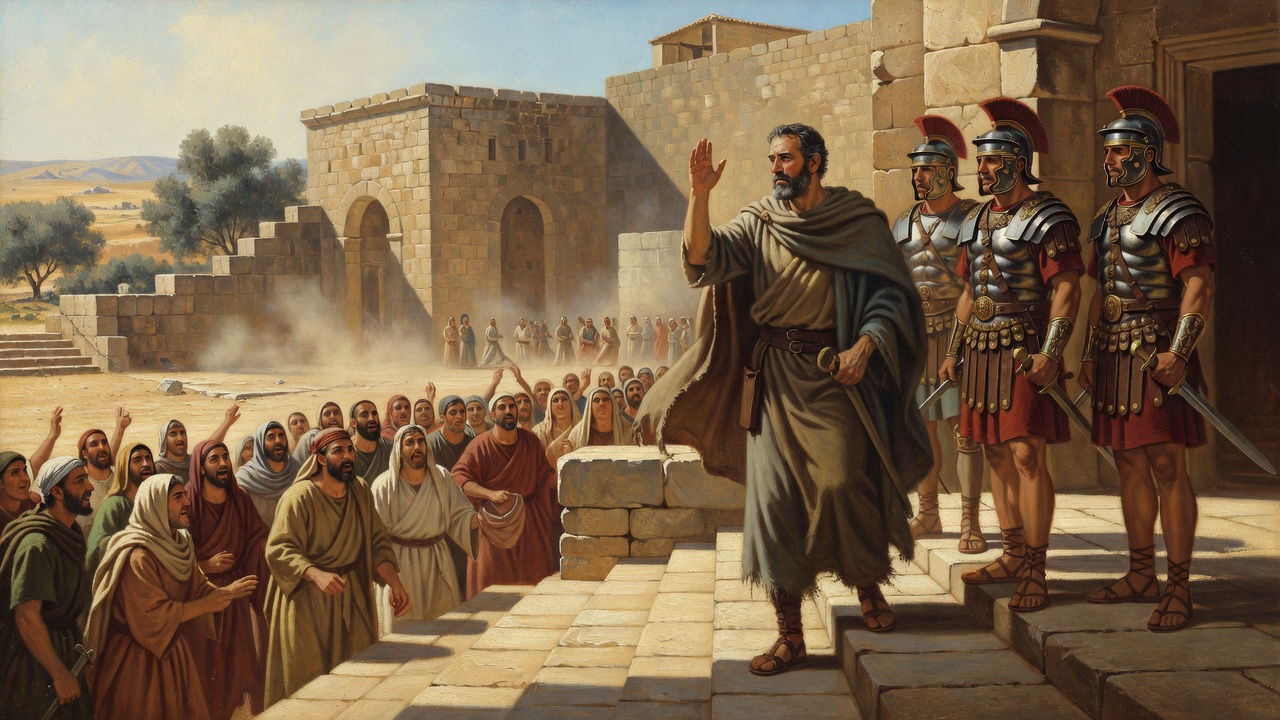
Only places identified with high confidence are shown (90% or more according to the scholarly sources compiled by OpenBible). Period map: DARE (Digital Atlas of the Roman Empire), CC BY 4.0; modern map: © OpenStreetMap contributors; places: OpenBible.info (CC BY 4.0).
Credits and license for this translation
Lëk yam
New Testament in Dinka, Southwestern (SU:dik:Dinka, Southwestern)
copyright © 2006 Wycliffe Bible Translators, Inc.
Language: Dinka, Southwestern
Translation by: Wycliffe Bible Translators, Inc.
Dinka, Southwestern
dik
Sudan
Copyright Information
© 2006, Wycliffe Bible Translators, Inc. All rights reserved.
This translation text is made available to you under the
terms of the Creative Commons License: Attribution-Noncommercial-No Derivative Works.
( http://creativecommons.org/licenses/by-nc-nd/3.0/ )
In addition, you have permission to port the text to different file formats, as long as you
do not change any of the text or punctuation of the Bible.
You may share, copy, distribute, transmit, and extract portions
or quotations from this work, provided that you include the above copyright
information:
You must give Attribution to the work.
You do not sell this work for a profit.
You do not make any derivative works that change any of the actual words or punctuation of the Scriptures.
Permissions beyond the scope of this license may be
available if you contact
us with your request.
The New Testament
in Dinka, Southwestern
© 2006, Wycliffe Bible Translators, Inc. All rights reserved.
This translation is made available to you under the terms of the
Creative Commons Attribution-Noncommercial-No Derivatives license 4.0.
You may share and redistribute this Bible translation or extracts from it in any format, provided that:
You include the above copyright and source information.
You do not sell this work for a profit.
You do not change any of the words or punctuation of the Scriptures.
Pictures included with Scriptures and other documents on this site are licensed just for use with those Scriptures and documents.
For other uses, please contact the respective copyright owners.
2014-04-22
Source: http://ebible.org/dikNT/ · eBible.org