Acts 2
Lëk yam · Tap a verse to see its cross-references.
Bɛ̈n Wëi Nhialic
1Na la aköl Yan Ayum cïn yic luɔu bɛ̈n, ka atuuc Jethu kuut kenhïïm ɣɔ̈n tök. 2Kam wën ke pɛ̈k wei arɔ̈ɔ̈l dɛ̈t piŋkë nhial, ku yen arɔ̈ɔ̈l kënë ë cït arɔ̈ɔ̈l yomdït ril. Ku jɔl arɔ̈ɔ̈l ɣön awën rëër kek thïn thiɔ̈ɔ̈ŋ yic. 3Ku tïŋkë lɔ̈k mac cït liep ke tek rot piny, ku raan tök kamken ë ye kë cït liem mac nyuc yenhom. 4Keek ëbën, aake cï Wëi Nhialic lööny kegup ku jiɛɛmkë thok kɔ̈k, rin cï Wëi Nhialic ke yiëk riɛl ku bïk jam thok kɔ̈k cie thuɔkken.
5Kɔc juëc Itharel ke ciëŋ wuɔ̈t kɔ̈k yiic pinynhom, kɔc ke ye Nhialic door aake rɛ̈ɛ̈r Jeruthalem ë nïnkä. 6Wën cï kek arɔ̈ɔ̈l piŋ, go kɔc juëc röt kuɔ̈ɔ̈t. Kɔc ke cï röt kuɔ̈ɔ̈t aake cï gäi, kë ye atuuc Jethu jam thuɔkken. 7Wën cï kek gäi apɛidït gokë jam ke cï keröt jɔt apɛi, “Keek kɔc jam këlä aa kɔc Galilia! 8Ye këdë, bïk aa jam thuɔkkua? 9Ɣook ëbën ɣok aa kɔc wuɔ̈t kɔ̈k cïmën Parthia, Mede ku Elam, ku jɔl aa Methopotamia, Judia, ku Kapadokia, ku Pontuth ku Athia. 10Ku jɔl aa Prigia ku Pampilia. Ku jɔl a Ijip ku bɛ̈ɛ̈i kɔ̈k pan Libia thiääk kek Thirene. Ku kɔc kɔ̈k ɣoyiic aa kɔc wun cɔl Roma. 11Kɔc kɔ̈k aa kuat Itharel. Ku kɔc cie kɔc Itharel cï yäthken waar bïk yanh Itharel gam. Ku kɔc kɔ̈k ɣoyiic aa kɔc pan Kret ku pan Arab. Ku ë yen ŋot ye ɣok ke piŋ ke jam thuɔkkua, ke luel kädït cï Nhialic looi.” 12Aake cï gäi, ku muumkë nhïïm kë bïk lueel, gokë röt aa thiëëc kamken, “Yeŋö ye nyuɔɔth yen kënë?”
13Go kɔc kɔ̈k atuuc Jethu bui, ku luelkë ëlä, “Kɔckä aacï wiɛɛt mɔ̈u!”
Jam Pïtɛr tënë kɔc Itharel
14Tɛ̈në, ke Pïtɛr kam atuuc Jethu kathiäär ku tök jɔt rot, ku kɛ̈ɛ̈c ku jɔl jam ke cï yeröl jɔt tënë kɔc Itharel awën cï röt kuɔ̈ɔ̈t, “Wek wärkiɛ̈, wämäthkiɛ̈ Itharel, ku jɔl aa wek kɔc ciëŋ gen Jeruthalem, piɛŋkë wɛ̈tdiɛ̈ apath, ku ba we lɛ̈k kë cï rot looi. 15Kɔc yakë lueel ka cï muɔ̈l mɔ̈u, aa këc wiɛɛt, tɛ̈cït tɛ̈ ye wek ye tak thïn, akɔ̈l akëc tɔ̈ɔ̈ŋ, aŋot ye riɛl. 16Ku wɛ̈t cï Juel raan käk Nhialic tïŋ lueel wäär akïn,
17‘Acï Nhialic lueel, lɔn kë bï looi aköl le nïn thök akïn,
Ɣɛn abï Wɛ̈ikiɛ̈ tuɔ̈c kɔc ëbën.
Wätkun ku nyiɛ̈rkun aabï kë bï rot looi aköldä lɛ̈k kɔc.
Riënythii kun aabï nyuɔ̈ɔ̈th, ku röörkun dït aabï nyuääth arak juëc aya.
18Ee yeen, agut aluakkiɛ̈ röör ku diäär, nïnkui bï bɛ̈n.
Ɣɛn abï wɛ̈ikiɛ̈ tuɔ̈c kɔc ë nïnkä, ku keek aabï käk bï röt looi aa lɛ̈k kɔc.
19Ɣɛn abï kädït jäŋ gɔ̈i looi nhial, ku käjuëc jäŋ gɔ̈i aaba looi pinynhom.
Pinynhom abï thiäŋ riɛm, ku mac, ku jɔl a tol dïttet.
20Akɔ̈l abï nïïp nyin, ku pɛɛi abï thiɛth cïmën riɛm
ee kaam këc aköldït puɔth bɛ̈n Bänyda guɔ ɣëët.
21Ku raan bï Nhialic rɔ̈ɔ̈k ku bï ye kony abï poth bï cïï la pan mac.’
22“Piɛŋkë wëlkä, wek wämäthkiɛ̈n cɔl Itharel! Jethu raan pan Nadharet ë ye raan cï riɛl Bänyda nyuɔɔth ke cïn diu käkken dït jäŋ gɔ̈i cï Nhialic looi riɛnke. Ee kë ŋiɛckë kek we, rin aacï röt looi kamkun. 23Cït tɛ̈ cï Nhialic ye guiɛɛr thïn, Jethu ë bï thɔ̈n we, ku bäk nɔ̈k cïmën cï wek ye puɔ̈l ku bï kɔc rɛc la gup adumuɔ̈ɔ̈m nɔ̈k, ku piɛ̈ɛ̈tkë tim cï rïïu kɔ̈u. 24Ku yeen acï Nhialic cɔl aben pïr thou yic, wën cï yen Jethu nyaai riɛlde thou yic, rin ëcïï rot kɔŋ lëu yen lɔn bï Jethu teem thou yic.
25“Aŋicku lɔn ëcïï rot bï lëu rin ëcï Debit lueel ëlä,
‘Ɣɛn ee Nhialic tïŋ ɣanhom akölriëëc ëbën,
ku yen athiɔ̈k kek ɣɛn, ku ɣɛn acïn kë bä diir.
26Rin ee wɛ̈t kënë, ɣɛn amit puɔ̈u.
Ku wël ya lueel aa wël raan mit puɔ̈u.
Ku cɔk amën bï ɣɛn thou, ke ɣɛn abï thiɔ̈k ke ɣa ŋɔ̈th kë bï Nhialic luɔ̈i ɣɛn,
27rin Nhialic acïï guäpdiɛ̈ bï puɔ̈l bï rëër kam kɔc cï thou,
ku Nhialic acïï ɣa bï puɔ̈l ba dhiäth raŋ yic ɣɛn raande.
28Yïn Nhialic, yïn acä nyuɔ̈th dhël pïïr akölriëëc ëbën,
ku jɔl aa rɛ̈ɛ̈rdu kek ɣɛn, abä cɔl amit puɔ̈u.’
29“Wämäthkiɛ̈, wek aaba dhiɛl lɛ̈k kë ŋiɛc rin wädan dït cï wëlkä lueel. Yen Debit acï thou ku thiäk, ku raŋde kïn aa dɛɛi ɣok, agut cï ya aköl. 30Yen Bɛ̈nyŋaknhom wäär pïïr yen ë ye raan käŋ tïŋ, käk bï röt looi aköldä, ku lëk ke kɔc, ku ë ŋic kë cï Nhialic lueel ke bï luɔ̈i ye. Nhialic ëcï yepuɔ̈u tɔɔŋ lɔn nadë ke bï raan tök kuatde yic, looi keye bɛ̈ny cïmënde. 31Debit ëcï kë bï Nhialic looi tïŋ, go jäl jam lɔn bï Raan cï lɔc ku dɔc rot jɔt raŋ yic wën cï yen ye lueel ëlä, ‘Yen ë këc nyääŋ kam kɔc cï thou, guäpde ë këc dhiäth raŋ yic.’
32“Nhialic ëcï Jethu jɔ̈t bei raŋ yic bï bɛn pïr, ku ɣɛn ku atuuc kɔ̈k Jethu acuk tïŋ yen yiny cï rot looi. 33Jethu acï jat nhial ku nyuuc köŋ cuëc Wun, ku ë yen acï ɣok tuɔ̈c Wëi Nhialic, cït tɛ̈wäär cï Nhialic ye luɛɛl thïn. Ku kë cäk tïŋ ku piɛŋkë ëmën ë ye kën cï Nhialic lueel ka bï tuɔ̈ɔ̈c yen acï lööny ɣogup. 34Acie Debit yen cï la nhial, ee cï lueel,
‘Ee cï Nhialic lɛ̈k Bänydiɛ̈, “Nyuc ë tɛ̈n köŋdiɛ̈n cuëc,
35agut aköl bï ɣɛn kɔc man yïïn cɔl aloi nhïïm, ku bïk yïcök.” ’
36“Wek kɔc pan Itharel ëbën, dhiɛlkë ŋic alanden lɔn nadë ke Jethu yen cäk piäät tim cï rïïu kɔ̈u, yen acï Nhialic looi bï ya yen Bɛ̈ny, ku ye Raan cï lɔc ku dɔc.”
37Wën cï kɔc cï röt kuɔ̈ɔ̈t wɛ̈t Pïtɛr piŋ, gokë ya tak yic ke diɛɛr kë bïk looi, ku thiëckë Pïtɛr ku atuuc kɔ̈k Jethu, “Buk ŋö looi wämäthakua?”
38Go Pïtɛr bɛ̈ɛ̈r, “Dhuɔ̈kkë wepuɔ̈th ciëën adumuɔ̈ɔ̈mkun yiic, ku calkë röt aa muɔc nhïïm bäk aa kɔc Jethu Krïtho, ku bï Nhialic adumuɔ̈ɔ̈mkun päl piny, ku wek aabï Nhialic muɔɔc wɛ̈ike, ku bï lööny wegup. 39Kënë yen cï Nhialic yepuɔ̈u tɔɔŋ, ka bï yiëk we ku miɛ̈thkun, ku kɔc bɛ̈ɛ̈i kɔ̈k mec, ku kɔc ëbën ye Bänyda Nhialic cɔɔl bïk aa kacke.”
40Pïtɛr acï kɔc lɛ̈k ku jiëëm kenhïïm ëlä, “Kuɔnykë röt ku bäk liu awuɔ̈c yic, awuɔ̈c yen bï tɛ̈m kɔc rɛc akölë!” 41Kɔc juëc ë kɔc awën yiic aacï kë cï Pïtɛr lɛ̈k ke gam, ku cɔlkë röt amuɔc nhïïm, ku ë cït tɛ̈në raan tiim kadiäk kek aacï bɛ̈n muɔɔc nhïïm aköl kënë, ku mɛtkë akuɔ̈tden yic.
42Keek aacï rëër bï atuuc Jethu ke piɔ̈ɔ̈c, ku yekë atuuc Jethu kony käk yekë looi yiic ku mïthkë tɛ̈tök, ku yekë rɔ̈m ku röökkë tɛ̈tök.
Tɛ̈ cï kɔc cï wɛ̈t Jethu gam pïïr thïn kamken
43Käjuëc jäŋ gɔ̈i aacï Nhialic cɔl aa looi atuuc Jethu, ku yen acï kɔc juëc cɔl ariɔ̈c. 44Kɔc cï gam ëbën aacï rëër bïk ceŋ tɛ̈tök, ku yekë röt kony kedhie bïk käŋ aa wɛ̈ɛ̈r kamken. 45Aacï käk tɔ̈ ke ke bɛ̈ɛ̈i yiic aa ɣaac wei, ku yekë wëëu tɛ̈k röt, ku raan tök ë ye yiëk wëëu bï käkken wïc lëu. 46Kek kɔc cï wɛ̈t Jethu gam aake ye rɔ̈m akölaköl luëk Nhialic kɔc Itharel yic, ku yekë rɔ̈m bääiken yiic ku mïthkë ke cïï mïïth bɛ̈th ku rëërkë ke mit puɔ̈th, 47ku yekë Nhialic leec ku lec kɔc kɔ̈k ke aya. Ku ye Nhialic akuɔ̈tden juak yic akölaköl kɔc kek cï Nhialic cɔl aa poth kërac yic.
Did you know?
The Spirit Comes at Pentecost
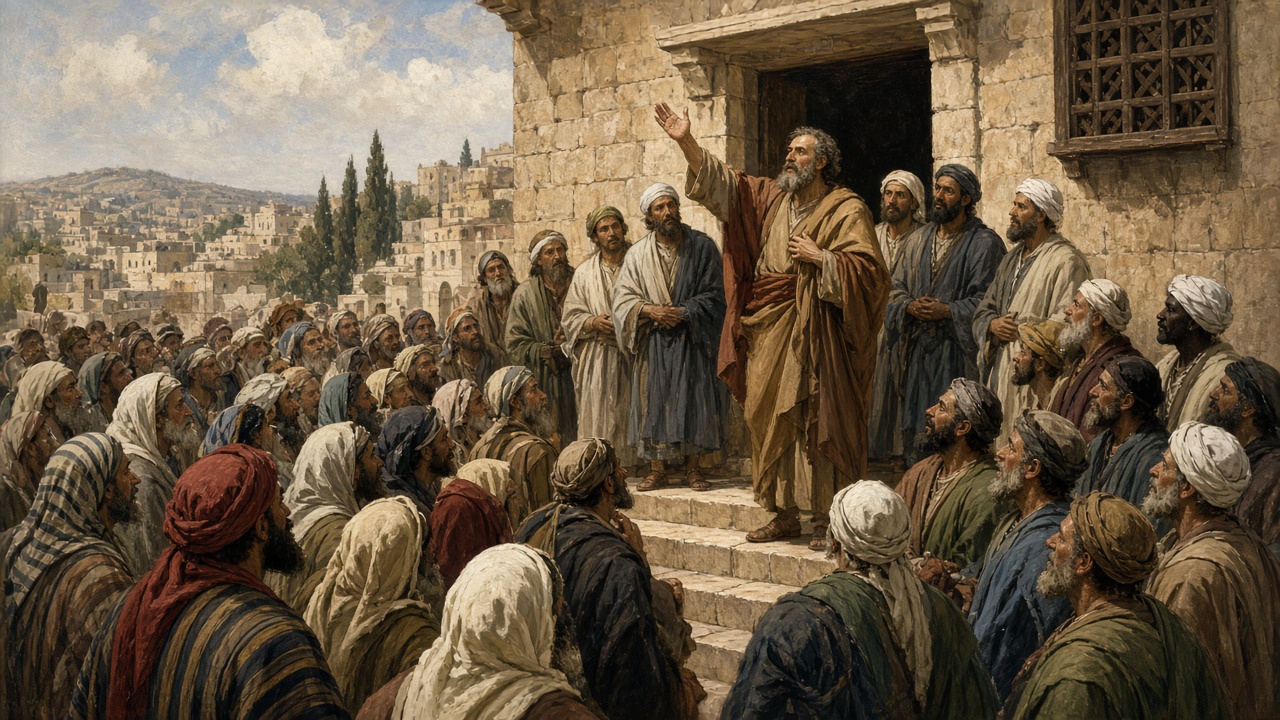
- God-fearing Jews from every nation under heaven were already living in Jerusalem when a sound like a mighty rushing wind came from heaven and filled the house, and the speakers began to declare God’s wonders in other languages. In this chapter, “Asia” is the Roman province of Proconsular Asia, in the western part of Asia Minor, whose capital was Ephesus—not the continent of that name. Pontus, along the southern coast of the Euxine Sea, was a Roman province in the apostles’ time and a resort of many Jews of the Dispersion; Cappadocia was the easternmost and largest province of Asia Minor.Sources: the Bible text itself · Asia · Pontus · Cappadocia
- The crowd was amazed that the speakers were Galileans. The one who stood with the Eleven and addressed them was Simon Peter, originally called Simon—that is, Simeon, meaning “hearing”—a fisherman from Bethsaida, on the western coast of the Sea of Galilee, whom his younger brother Andrew first brought to Jesus.Sources: the Bible text itself · Simon Peter
- Peter said this was what the prophet Joel had spoken. Joel, the second of the twelve minor prophets, was the son of Pethuel, and his personal history is known only from his book. Peter also quoted David, the eighth and youngest son of Jesse of Bethlehem, and told the crowd that this patriarch had died and been buried, and that his tomb was still with them in Jerusalem.Sources: the Bible text itself · Joel · David
Notes written with AI assistance from open sources (Theographic Bible Metadata, CC BY-SA 4.0; Easton’s Bible Dictionary, public domain) and reviewed before publishing.
Places in this chapter
- Jerusalem · 31.777, 35.234 · verses 5, 14
- Galilee · 32.760, 35.527 · verse 7
- Asia · 38.400, 28.300 · verse 9
- Cappadocia · 38.671, 34.839 · verse 9
- Judea · Today: Judea 1 · 31.777, 35.234 · verses 9, 14
- Mesopotamia · Today: Aram-naharaim · 36.864, 39.033 · verse 9
- Pontus · 40.680, 37.830 · verse 9
- Cyrene · 32.821, 21.851 · verse 10
- Egypt · 30.129, 31.308 · verse 10
- Libya · 32.821, 21.851 · verse 10
- Pamphylia · 37.000, 31.000 · verse 10
- Phrygia · 39.000, 31.000 · verse 10
- Rome · 41.892, 12.485 · verse 10
- Nazareth · 32.702, 35.298 · verse 22
Only places identified with high confidence are shown (90% or more according to the scholarly sources compiled by OpenBible). Period map: DARE (Digital Atlas of the Roman Empire), CC BY 4.0; modern map: © OpenStreetMap contributors; places: OpenBible.info (CC BY 4.0).
Credits and license for this translation
Lëk yam
New Testament in Dinka, Southwestern (SU:dik:Dinka, Southwestern)
copyright © 2006 Wycliffe Bible Translators, Inc.
Language: Dinka, Southwestern
Translation by: Wycliffe Bible Translators, Inc.
Dinka, Southwestern
dik
Sudan
Copyright Information
© 2006, Wycliffe Bible Translators, Inc. All rights reserved.
This translation text is made available to you under the
terms of the Creative Commons License: Attribution-Noncommercial-No Derivative Works.
( http://creativecommons.org/licenses/by-nc-nd/3.0/ )
In addition, you have permission to port the text to different file formats, as long as you
do not change any of the text or punctuation of the Bible.
You may share, copy, distribute, transmit, and extract portions
or quotations from this work, provided that you include the above copyright
information:
You must give Attribution to the work.
You do not sell this work for a profit.
You do not make any derivative works that change any of the actual words or punctuation of the Scriptures.
Permissions beyond the scope of this license may be
available if you contact
us with your request.
The New Testament
in Dinka, Southwestern
© 2006, Wycliffe Bible Translators, Inc. All rights reserved.
This translation is made available to you under the terms of the
Creative Commons Attribution-Noncommercial-No Derivatives license 4.0.
You may share and redistribute this Bible translation or extracts from it in any format, provided that:
You include the above copyright and source information.
You do not sell this work for a profit.
You do not change any of the words or punctuation of the Scriptures.
Pictures included with Scriptures and other documents on this site are licensed just for use with those Scriptures and documents.
For other uses, please contact the respective copyright owners.
2014-04-22
Source: http://ebible.org/dikNT/ · eBible.org