Acts 18
Lëk yam · Tap a verse to see its cross-references.
Paulo acï la Korinth
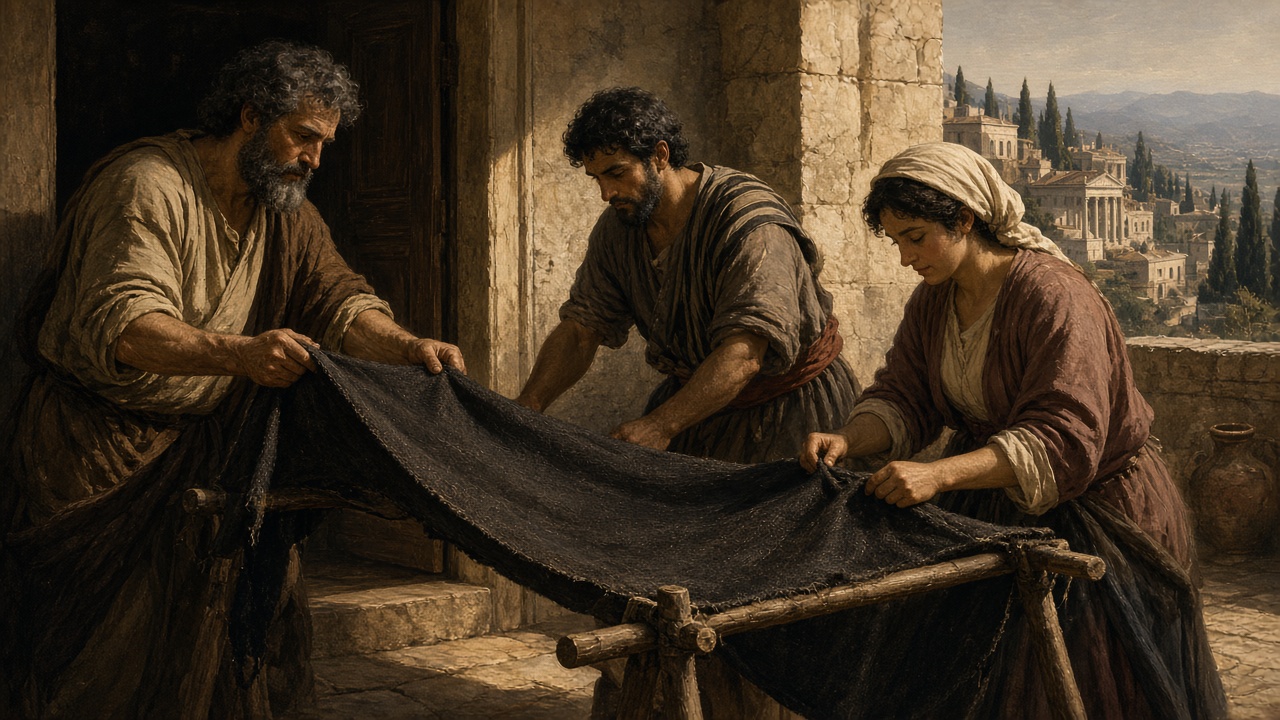
1Wën cï Paulo jam amat yic, ke jiël Athen ku ler Korinth. 2Ku rɛ̈m thïn kek mony Itharel cɔl Akuila, dhiëth Pontuth, ke puɔc bɛ̈n Italia kek Prithkila tiɛŋde, rin cï Klaudiöth, Bɛ̈nyŋaknhom kɔc Itharel cuɔp wei Roma. Go Paulo la bï ke la neem. 3Ku rëër ku luui ke ke, wën cï yen ke yök ke ye cuëc alɛ̈th dhïl ye guɔ̈t piny cït duɛ̈l, ku ɣɔɔckë ke cïmën yen aya. 4Ku ë ye jam apɛi tɛ̈ ye kɔc Itharel mat thïn akööl cïï kɔc ye luui yiic, bï ke lɛ̈k yith, rin bï kɔc Itharel ku kɔc Gïrïk wɛ̈t Nhialic gam aya.
5Nawën la Thilath ku Timothï bɛ̈n Mathedonia, ke Paulo päl käkken ke ye looi ku yïk yenhom piööc wɛ̈t Jethu, ku tët kɔc Itharel lɔn Jethu yen aluaŋ bï Nhialic tuɔ̈ɔ̈c pinynhom. 6Nawën ke jɔ̈nykë ku luelkë kärɛc riɛnke, go yecök teŋ ku lëk ke, “Na cäk määr bäk Nhialic kuc, ka wek aabï röt gɔ̈k ë röt! Acïn raan bäk gɔ̈k. Ëmën wek aba puɔ̈l ku la wɛ̈t Jethu piɔ̈ɔ̈c tënë kɔc cie kɔc Itharel.” 7Goke jal nyääŋ piny, ku ler pan raan cie raan Itharel Nhialic door cɔl Titiöth Juthtuth bï la rëër thïn. Ku pan Titiöth ë thiääk kek tɛ̈n amat kɔc Itharel. 8Raandït tɛ̈n amat cɔl Krïthputh ëcï wɛ̈t Nhialic gam, yeen ku kacke ëbën ku kɔc kɔ̈k Korinth aake cï wɛ̈t Jethu piŋ ku gamkë, ku muɔc Paulo kenhïïm.
9Naɣɔn wɛ̈ɛ̈r tök, ke Paulo tïŋ këdäŋ këcït nyuɔ̈th, ku lëk Nhialic ye ëlä, “Duk riɔ̈c ë kɔckä, lɔɔr tueŋ yï jam tënë ke, ku duk dhɔ̈r kë loi yic, 10rin ɣɛn arɛ̈ɛ̈r kek yï. Acïn raan bï ye lëu bï yiëk tɛ̈tök, rin kɔc juëc rɛ̈ɛ̈r ë tɛ̈n aa kackiɛ̈.” 11Go Paulo rëër geeu ruɔ̈ɔ̈n tök ku abak, ke piööc kɔc wɛ̈t bɔ̈ tënë Nhialic.
12Nawën cï Galio bɛ̈nyŋaknhom Roma, jal looi bï ya bɛ̈nydït pan Gïrïk, ke kɔc Itharel mat keyiic ku dɔmkë Paulo ku ɣɛ̈thkë luk yic tënë Galio. 13Ku luelkë tënë ye, “Mony kënë, awïc kɔc bïk Nhialic aa door dhöl cïï thääny kek lɔ̈ŋda.”
14Tɛ̈wën wïc Paulo ye bï jam, ke luel Galio tënë kɔc Itharel ëlä, “Na ye awuɔ̈c yen cï looi, ŋuɔ̈t ɣɛn acä yïc päl piny ku piɛŋ wɛ̈tdun. 15Ku ëmën nɛ̈k ater we ë path wɛ̈t rin ku wël ku lɔ̈ɔ̈ŋkun, wek aa dhil këdun lueel wepɛ̈c. Ɣɛn acie bɛ̈ny käk cït käkkä.” 16Ku cɔl ke aa nyɛɛi luk yic. 17Gokë Thotheneth, raandït tɛ̈n amat dɔm ku biɛ̈kkë luk yic. Ku kënë akëc Galio kuɛ̈ɛ̈c nhom.
Paulo acï dhuk Antiök
18Paulo ëcï nïn juëc nɔ̈k Korinth kek kɔc cï gam, nawën ë ke tɔ̈ɔ̈ŋ ke, ku ler riäi yic kek Prithkila ku Akuila, riän la Thiria. Ku wën këc kek guɔ la wïïr bïk ger, ee cï kuëëŋ Kankëria tënë Nhialic, ku cɔl rot amut nhom. 19Nawën ë ke ɣet Epethuth, tɛ̈ cï Paulo Prithkila ku Akuila bɛ̈n nyääŋ thïn. Ku ler tɛ̈n amat kɔc Itharel, ku jiɛɛm apɛi ke ke. 20Ku pëën kɔc amat bï lɔ̈k rɛ̈ɛ̈r kek ke, go cïï gam. 21Ku lëk ke ëlä wën jiël yen, “Na ye yen kë wïc Nhialic, ke ɣɛn abï dhuk tënë we.” Ku ler riäi yic ku jiëlkë Epethuth.
22Wën le yen ɣëët Cetharia, ke la Jeruthalem ku muɔ̈th akut kɔc cï gam, ku jɔl la Antiök. 23Nawën cï nïn nɔ̈k Antiök ke jiël ku ler wuɔ̈t Galatia ku Prigia ku deet kɔc cï gam thïn ëbën puɔ̈th.
Apolo ë kɔc Epethuth ku Korinth piɔ̈ɔ̈c
24Go raan Itharel cɔl Apolo, dhiëth Alekdhändria pan Ijip, bɛ̈n Epethuth. Yen ë ŋic wël thɛɛr cï gɔ̈t athör thɛɛr wël Nhialic yic, ku ë ŋic jam apɛi. 25Ku ëcï piɔ̈ɔ̈c dhël Bɛ̈ny ku nhiɛɛr ke ku jiɛɛm ku piɔ̈ɔ̈c kɔc yith rin Jethu. Ku käkkä aake pëk thook miɔ̈c nhom wäär ye Joon looi. 26Ee ye këriëëc ëbën ŋiɛ̈c teet yiic apath tɛ̈n amat ke cïï riɔ̈c. Tɛ̈wën piŋ Prithkila ku Akuila wëlkä, gokë ɣäth panden ku tëtkë dhöl cï Nhialic nyooth tënë kɔc.
27Ku jɔl Apolo tak bï la pan Gïrïk, go kɔc cï gam Epethuth kony ku gɛ̈tkë athöör tënë kɔc cï gam tɔ̈ pan Gïrïk, ku lëkkë ke bïk ŋiɛc lor apath tɛ̈ ɣeet yen. Ku yeen acï bɛ̈n aa raan cï kɔc cï Nhialic kuɔny dhɛ̈ɛ̈ŋde bïk gam, bɛ̈n kony apɛi wën ɣeet yen. 28Rin wëlken ril cï lueel aacï yen kɔc Itharel thöl nhïïm amat yic, ku nyuth ke yith wël thɛɛr Nhialic cï gɔ̈t yiic lɔn Jethu yen ë raan cï lɔc ku dɔc.
Did you know?
Paul's Stay in Corinth
- Aquila, a native of Pontus, and his wife Priscilla had left Italy because the emperor Claudius ordered all Jews to leave Rome. Easton's Bible Dictionary (1897) dates that decree to A.D. 49 in its Claudius entry and to A.D. 50 in its Aquila entry. Paul stayed with them in Corinth and worked at the same trade, making Cilician hair-cloth for tents.Sources: Aquila · Claudius (4th Roman Emperor) · the Bible text itself
- The Corinth of this chapter was not the older Greek city, which the Romans destroyed in 146 B.C., but a city rebuilt about a century later and peopled by a colony of freedmen from Rome. It stood on the isthmus about 48 miles west of Athens and was the Roman seat of government for Achaia, southern Greece. It was noted for its wealth and for the luxurious, immoral, and vicious habits of its people.Sources: Corinth · Achaia
- Gallio, the elder brother of the philosopher Seneca, was proconsul of Achaia under Claudius when the Jews brought Paul before the judgment seat. Achaia was a senatorial province, and the governor of such a province was called a proconsul, the title used in this chapter. Gallio refused to judge a dispute about words, names, and Jewish law, and drove the accusers from the tribunal.Sources: Gallio · the Bible text itself
Notes written with AI assistance from open sources (Theographic Bible Metadata, CC BY-SA 4.0; Easton’s Bible Dictionary, public domain) and reviewed before publishing.
Places in this chapter
- Athens · 37.972, 23.727 · verse 1
- Corinth · 37.906, 22.879 · verses 1, 8, 11, 12, 18
- Italy · 41.892, 12.485 · verse 2
- Pontus · 40.680, 37.830 · verse 2
- Rome · 41.892, 12.485 · verse 2
- Macedonia · 41.600, 22.540 · verse 5
- Achaia · 38.720, 22.540 · verses 12, 27
- Cenchreae · Today: Kechries · 37.884, 22.997 · verse 18
- Syria · Today: Syria 2 · 33.511, 36.306 · verse 18
- Ephesus · 37.939, 27.341 · verses 19, 21, 24, 27
- Jerusalem · 31.777, 35.234 · verses 21, 22
- Antioch · Today: Antioch on the Orontes · 36.227, 36.172 · verses 22, 23
- Caesarea · Today: Caesarea Maritima · 32.500, 34.892 · verse 22
- Galatia · 39.267, 32.983 · verse 23
- Phrygia · 39.000, 31.000 · verse 23
- Alexandria · 31.183, 29.896 · verse 24
- Egypt · 30.129, 31.308 · verse 24
Only places identified with high confidence are shown (90% or more according to the scholarly sources compiled by OpenBible). Period map: DARE (Digital Atlas of the Roman Empire), CC BY 4.0; modern map: © OpenStreetMap contributors; places: OpenBible.info (CC BY 4.0).
Credits and license for this translation
Lëk yam
New Testament in Dinka, Southwestern (SU:dik:Dinka, Southwestern)
copyright © 2006 Wycliffe Bible Translators, Inc.
Language: Dinka, Southwestern
Translation by: Wycliffe Bible Translators, Inc.
Dinka, Southwestern
dik
Sudan
Copyright Information
© 2006, Wycliffe Bible Translators, Inc. All rights reserved.
This translation text is made available to you under the
terms of the Creative Commons License: Attribution-Noncommercial-No Derivative Works.
( http://creativecommons.org/licenses/by-nc-nd/3.0/ )
In addition, you have permission to port the text to different file formats, as long as you
do not change any of the text or punctuation of the Bible.
You may share, copy, distribute, transmit, and extract portions
or quotations from this work, provided that you include the above copyright
information:
You must give Attribution to the work.
You do not sell this work for a profit.
You do not make any derivative works that change any of the actual words or punctuation of the Scriptures.
Permissions beyond the scope of this license may be
available if you contact
us with your request.
The New Testament
in Dinka, Southwestern
© 2006, Wycliffe Bible Translators, Inc. All rights reserved.
This translation is made available to you under the terms of the
Creative Commons Attribution-Noncommercial-No Derivatives license 4.0.
You may share and redistribute this Bible translation or extracts from it in any format, provided that:
You include the above copyright and source information.
You do not sell this work for a profit.
You do not change any of the words or punctuation of the Scriptures.
Pictures included with Scriptures and other documents on this site are licensed just for use with those Scriptures and documents.
For other uses, please contact the respective copyright owners.
2014-04-22
Source: http://ebible.org/dikNT/ · eBible.org