2 Corinthians 7
Lëk yam · Tap a verse to see its cross-references.
1Mäthkiɛ̈, Nhialic acï käkkä thɔn ëbën. Këya wuunyku ɣogup wei kärɛc yeku looi, bï guäpkua ku wɛ̈ikua yiic ciɛ̈n ajuɛ̈ɛ̈c. Ɣok aa dhil Nhialic theek ku themku buk pïr ë pïr la cök Nhialic nhom.
Akut kɔc cï gam ee Paulo cɔl amit puɔ̈u
2Lääukë puɔ̈th tënë ɣo. Acïn raan töŋ cuk luɔ̈i awuɔ̈c, acïn raan töŋ cuk kum thok, ku acïn raan töŋ cï ɣok këde nyaai dhël ruëëny. 3Tɛ̈ jiɛɛm ɣɛn këlä ka cie wek nyiɛɛny, rin aca lueel wäthɛɛr lɔn nhiɛ̈rda tënë we aacie yit ɣopuɔ̈th. Alëuku buk pïïr ku thouku kek we. 4Aya yök alɛ̈u ba jam tënë we kecïn kë muɔɔny, ɣɛn anhiam ë we, wek aa ɣɛn dɛɛt puɔ̈u apɛi, cɔk alɔn le yen kärɛc ɣa yök, ke ɣɛn amit puɔ̈u apɛidït.
5Agut wäär cɔk ɣok ɣëët Mathedonia ɣok këc gup kaŋ la läŋ. Ɣok aa ɣo cï rɔ̈m kek ater juëc ku agɔ̈th ke kɔc kɔ̈k, ku riɔ̈ɔ̈c ɣopuɔ̈th. 6Ku Nhialic yen kɔc cï puɔ̈th mum dɛɛt puɔ̈th, acï ɣo bɛ̈n dɛɛt puɔ̈th rin cï yen Tito bɛ̈n cɔl abɔ̈ tënë ɣo. 7Acie bɛ̈nde yen cï ɣo bɛ̈n cɔl amit puɔ̈th ë rot, tɛ̈ cï wek ye dɛɛt puɔ̈u thïn acï ɣo yuum puɔ̈th aya. Acï lɛ̈k ɣɛn lɔn wïc wek ye apɛi ba we la neem, ku tɛ̈ cï wek puɔ̈th riëëk thïn rin käk cï röt looi tënë ɣa, ku lɔn wïc wek ye apɛi bäk ɣa kony. Këya, ëmën ɣɛn acï puɔ̈u miɛt apɛidït.
8Ɣɛn acïï rot gäk cɔk alɔn cï athör wäär ca gät we we cɔl arem puɔ̈th, ɣɛn aa ɣa cï rot gɔ̈k tueŋ, rin cï athɔ̈rdiɛ̈ we reem puɔ̈th, rin aŋiɛc rɛ̈m ë puɔ̈u rin athör ca gɔ̈t acï guɔ bɛ̈n jäl wepuɔ̈th. 9Ku ëmën ɣɛn amit puɔ̈u, ku acie rin cï ɣɛn we cɔl arem puɔ̈th, ee rin cï arɛɛm ë puɔ̈u we cɔl adhuk wepuɔ̈th ciëën. Arem ë puɔ̈u acï rot looi ke cït kë wïc Nhialic. Ku këya, acïn kërɛɛc cuk looi tënë we. 10Rin arɛɛm puɔ̈u ye Nhialic bɛ̈ɛ̈i tënë we, ee we cɔl adhuk wepuɔ̈th ciëën bï we luɔ̈k, ku acïn agääk rot ë tɛ̈ɛ̈n. Ku na ye we reem puɔ̈th rin wïc wek ye bäk ke ya looi käk pinynhom, ke arɛɛm puɔ̈u kënë ë we cɔl aloi adumuɔ̈ɔ̈m ku mɛ̈r wɛ̈ikun. 11Tiɛ̈ŋkë kënë wïc Nhialic arɛɛm ë piändun yic. Wek acï puɔ̈th tïr. Acäk wïc bäk käŋ cɔ̈k piny. Wek aacï puɔ̈th riääk rin kërɛɛc cï kuɔ̈c looi. Wek aacï ya riɔ̈ɔ̈c ë Nhialic ku yakë wïc apɛi ba la tënë we. Ku dhiɛlkë looi bäk raan cï këriëëc ëbën looi tɛ̈m awuɔ̈c. Acäk nyuɔɔth lɔn kënë cäk looi këriëëc ëbën yic ë ye tɛ̈de.
12Këya, na cɔk a wäär cï ɣɛn ke athör kënë gɔ̈t, ka cie rin raan wäär cä awuɔ̈c looi ku acie rin akut cï luɔ̈i kërac, ee rin bäk tɛ̈ ye wek diir thïn ë ɣɛn nyuɔɔth Nhialic nhom. 13Kënë, yen acɔl ɣo adeet ɣopuɔ̈th.
Ku dɛ̈t aya, deet ë piända, ɣok aacï puɔ̈th bɛ̈n miɛt apɛi wäär piŋ ɣok tɛ̈ cï Tito puɔ̈u mit thïn, ku tɛ̈ cï wek ëbën ye bɛ̈n dhuɔ̈k puɔ̈u piny thïn. 14Wek aa we ca leec tënë ye, ku wek aa këc ɣɛn cɔl ayär guɔ̈p. Wek aa yeku lɛ̈k yith akölaköl, ku ɣɛn amit puɔ̈u rin lɛc wäär ɣɛn we leec acï ya yic. 15Këya, nhiɛ̈rden nhiɛɛr yen we, ee rot juak apɛi tɛ̈ tɛk yen we tɛ̈ ye wek ye thɛɛk thïn ku piɛŋkë wɛ̈tde, ku tɛ̈ cï wek ye luɔr thïn abï we aa lath. 16Ɣɛn amit puɔ̈u rin ŋɔ̈ɔ̈th ɣɛn we.
Did you know?
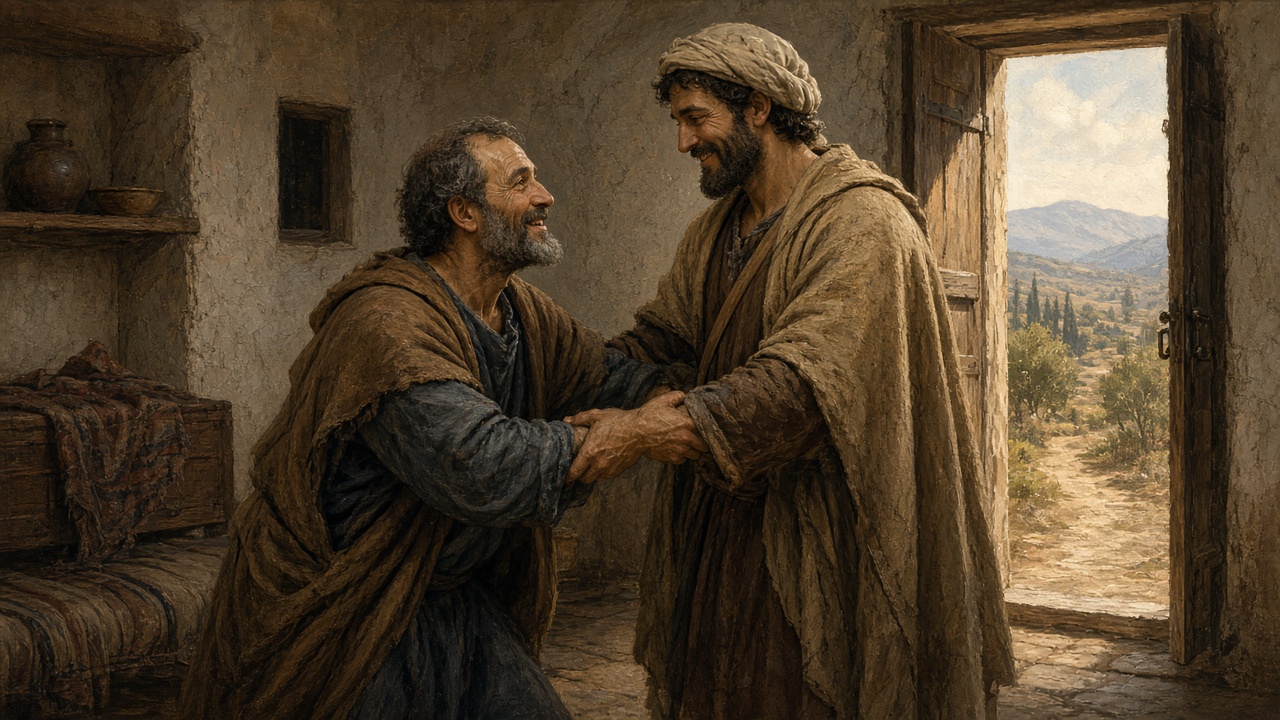
Comfort after a painful letter
- Macedonia, where Paul says he arrived with no rest in his body—conflicts outside and fears within—was a Roman province north of Greece. There, he writes, the God who comforts the downcast comforted him by the arrival of Titus.Sources: Macedonia · the Bible text itself
- Paul speaks of a letter that made them sorrowful, but only for a short time. He now rejoices not because they were sorrowful, but because that sorrow led them to repentance; he says they felt the sorrow God intended, were not harmed by him, and showed earnestness, zeal, and innocence in the matter.Sources: the Bible text itself
- A short account describes Titus as a companion of Paul, apparently a Gentile chiefly engaged in ministering to Gentiles. In this chapter Paul says Titus’s arrival comforted him, that Titus reported their longing, mourning, and zeal, and that they welcomed Titus with fear and trembling.Sources: Titus · the Bible text itself
Notes written with AI assistance from open sources (Theographic Bible Metadata, CC BY-SA 4.0; Easton’s Bible Dictionary, public domain) and reviewed before publishing.
Places in this chapter
- Macedonia · 41.600, 22.540 · verse 5
Only places identified with high confidence are shown (90% or more according to the scholarly sources compiled by OpenBible). Period map: DARE (Digital Atlas of the Roman Empire), CC BY 4.0; modern map: © OpenStreetMap contributors; places: OpenBible.info (CC BY 4.0).
Credits and license for this translation
Lëk yam
New Testament in Dinka, Southwestern (SU:dik:Dinka, Southwestern)
copyright © 2006 Wycliffe Bible Translators, Inc.
Language: Dinka, Southwestern
Translation by: Wycliffe Bible Translators, Inc.
Dinka, Southwestern
dik
Sudan
Copyright Information
© 2006, Wycliffe Bible Translators, Inc. All rights reserved.
This translation text is made available to you under the
terms of the Creative Commons License: Attribution-Noncommercial-No Derivative Works.
( http://creativecommons.org/licenses/by-nc-nd/3.0/ )
In addition, you have permission to port the text to different file formats, as long as you
do not change any of the text or punctuation of the Bible.
You may share, copy, distribute, transmit, and extract portions
or quotations from this work, provided that you include the above copyright
information:
You must give Attribution to the work.
You do not sell this work for a profit.
You do not make any derivative works that change any of the actual words or punctuation of the Scriptures.
Permissions beyond the scope of this license may be
available if you contact
us with your request.
The New Testament
in Dinka, Southwestern
© 2006, Wycliffe Bible Translators, Inc. All rights reserved.
This translation is made available to you under the terms of the
Creative Commons Attribution-Noncommercial-No Derivatives license 4.0.
You may share and redistribute this Bible translation or extracts from it in any format, provided that:
You include the above copyright and source information.
You do not sell this work for a profit.
You do not change any of the words or punctuation of the Scriptures.
Pictures included with Scriptures and other documents on this site are licensed just for use with those Scriptures and documents.
For other uses, please contact the respective copyright owners.
2014-04-22
Source: http://ebible.org/dikNT/ · eBible.org