1 Timothy 6
Lëk yam · Tap a verse to see its cross-references.
1Aloony ëbën aa dhil luui apɛi, ku yekë bänyken theek apɛi, rin bï ciɛ̈n raan kuc jam rin Nhialic, ku jɔl aa piööc ye ɣok kɔc piɔ̈ɔ̈c. 2Aloony kɔc cï gam acïk lëu ku bïk kɔcken cï ke loony dhɔ̈l gup, rin keek aa wämäthakën. Kë lëukë bïk looi ë lɔn bïk luɔiden aa looi apath, rin kɔc la kë yekë yök luɔi yic, aa kɔc cï gam nhiarkë ke. Aa kek käk lɛ̈ukë bäk ke piɔ̈ɔ̈c tënë kɔc, ku yakë ke dɛɛt puɔ̈th bïk ke theek.
Piööc ë yic ku piööc ë lueth
3Raan piööc wɛ̈t dɛ̈t cie kën ë Nhialic ku acïï thöŋ kek wël Bänyda Jethu Krïtho ku jɔl aa piɔ̈ɔ̈cda rin Nhialic, 4ke yeen anɛ̈k nhiam wei ku acïn kë ŋic. Yeen ala kë wïc cie thök yepuɔ̈u bï rot aa tɛɛr ku göth ke kɔc wël cie yith, ku kënë ë tiɛɛl bɛ̈ɛ̈i ku kɛ̈ɛ̈k kɔc, ku lɛ̈ɛ̈t kɔc röt, ku bïï diu rac kam kɔc, 5ku kɔc cïn nhïïm aa röt cool ë teer ku acïn yiny tɔ̈ ke ke. Ayekë tak lɔn yath ë dhël kɔc cɔl ajak.
6Ee këya, yanh la cök ë raan cɔl ajak apɛi, tɛ̈ cï yen käk tɔ̈ ke ye gam piände ëbën. 7Rin ɣook acïn kë cuk bɛ̈ɛ̈i pinynhom, ku ka cïn dɛ̈t lëuku buk nyaai thïn. 8Na lok kë camku ku kë ceŋku ka cïn dɛ̈t yïkku ɣopuɔ̈th. 9Kɔc ye wïc bïk jak, aaye piäthken thɛl kärɛc yiic, ku keek aa wɛ̈i käk kuckë ku kärɛc ye piäthken nhiaar, käk ke thɛl riääk yic ku rɛc ke. 10Rin ku bï raan jiɛɛk nhiaar, ee kɔc miɛɛt kuat käkjuëc rɛc yiic. Kɔc kɔ̈k aacï kepuɔ̈th yiëk jiɛɛk apɛi agut bïk nhïïm määr ë gam, ku keek aacï käjuëc ŋɔ̈ɔ̈ŋ ë nyin bɛ̈ɛ̈i kepuɔ̈th.
Timothï acï nyuɔ̈th luɔide
11Ku yïn raan Nhialic mɛɛc rot wei luɔi kärɛc yiic, ku ye dhöl la cök yen muk cök. Ku ye luui käk Nhialic ke yï ŋɔ̈th Jethu ku ye kɔc nhiaar, ku ye gum, ku ye raan ŋic cieŋ ke kɔc. 12Thär kë yeku gam apath, ku muk pïr akölriëëc yen ë cɔɔl Nhialic yï apath aya, këwäär ca gam ba lueel thuɔŋdu kɔc juëc nhïïm. 13Nhialic nhom, yen wëi yiëk këriëëc ëbën, ku Jethu Krïtho, yen cï ye lueel gai wäär Pilato nhom, yïn aya yɔ̈ɔ̈k, 14muk lööŋkä nhïïm apath ke cïn kë wääc ɣet aköl bï Bänyda Jethu Krïtho bɛn bɛ̈n. 15Lɔn bï yen bɛn bɛ̈n abï rot looi aköl cï Nhialic tak yen raan cï dɔɔc, ku yen Bɛ̈nyŋaknhom yetök, yen Bɛ̈nyŋaknhom tɔ̈ tueŋ bänyŋaknhïïm, ku ye Bɛ̈ny bäny. 16Ee yeen yetök yen acie thou, ku yen aciëŋ ruɛl yic, ruɛl cïn raan rot thiäk ye. Acïn raan cïï ye kaŋ tïŋ, ku acïn raan lëu ku bï ye tïŋ. Yen aaye theek, ku ala riɛldït tet akölriëëc ëbën. Yenakan.
17Yɔ̈ɔ̈k kɔc cï jak käk pïïr pinynhom bïk cïï nhiam, ku cïk ŋäthden tɛ̈ɛ̈u käk cie yith yiic cïmën jiɛɛk, ku ye Nhialic yen ŋɔ̈thkë, Nhialic cï ɣo yiëk këriëëc ëbën ë biökruaalde ku buk puɔ̈th miɛt. 18Yɔ̈ɔ̈k ke bïk käpath aa looi, bïk aa abiökruɛɛl, ku dhilkë käkken aa rɔm kek kɔc kɔ̈k. 19Këya, keek abï jiɛɛk la cök tɔ̈ɔ̈u ë riɛnken pan Nhialic. Ku ë yen abï ya këril dïït bï ke cɔ̈k piny aköldä. Ku yen abï kek pïïr la cök yök. 20Yïn Timothï muk kë cï kuɛ̈i yï apath. Mɛɛc rot wei ë jam rac cïï thiääk ke Nhialic yic, ku ater cïn yic kë kuany ye kɔc kɔ̈k yïïn jɔ̈ɔ̈ny ë lueth ku luelkë ke ŋiɛ̈ɛ̈c ë käŋ. 21Rin aye kɔc kɔ̈k lueel lɔn ŋic kek käŋ, ku ë tɛ̈ɛ̈në, keek acï mɛ̈r wei dhöl gam yic.
Dhëëŋ Nhialic abï rëër ke we ëbën.
Did you know?
Godliness, Contentment, and Timothy's Charge
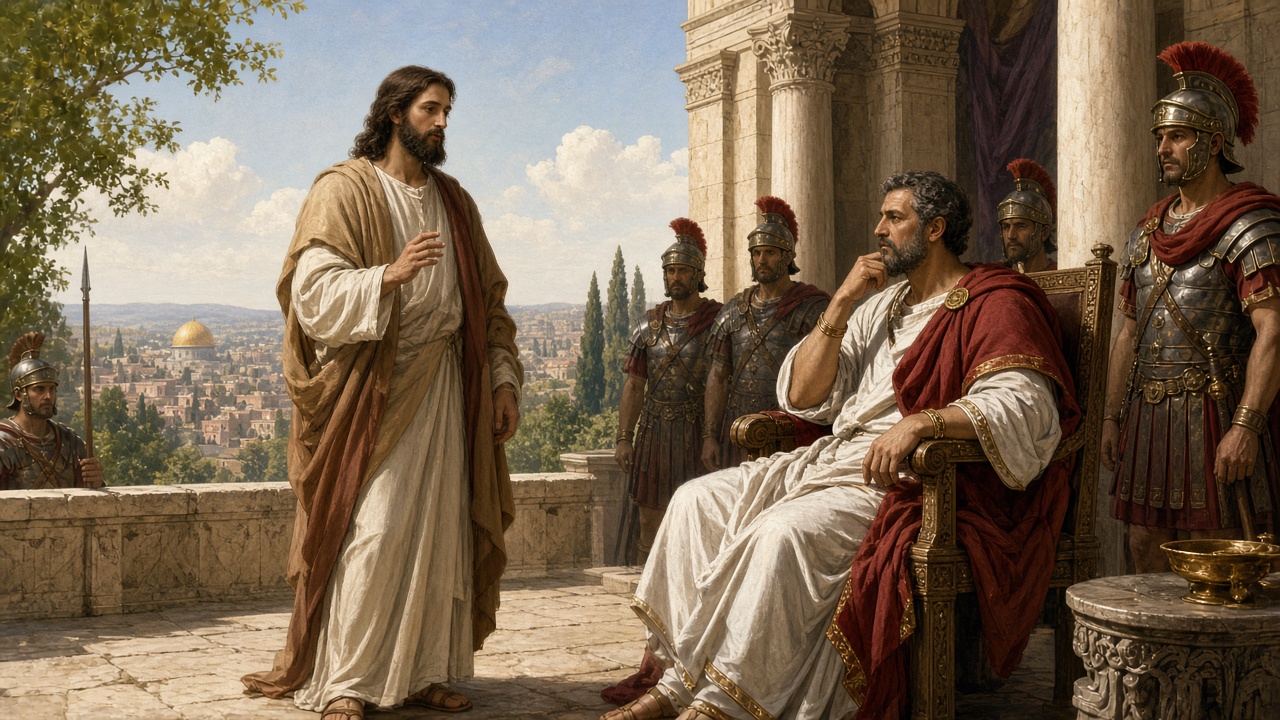
- This chapter's solemn charge recalls that Christ Jesus made the good confession in his testimony before Pontius Pilate. Pilate was the sixth Roman procurator of Judea, from A.D. 26 to 36, with headquarters at Caesarea, though he often went up to Jerusalem; his time in office covered the ministries of John the Baptist and of Jesus, and his name is remembered especially in connection with Jesus' trial.Sources: the Bible text itself · Pontius Pilate
- The chapter addresses Timothy as a man of God and tells him to guard what has been entrusted to him. The name Timotheus means honoring God. He was a young disciple and Paul's companion on many journeys; his mother Eunice and his grandmother Lois are mentioned as eminent for their piety, and his father was a Greek.Sources: the Bible text itself · Timotheus
Notes written with AI assistance from open sources (Theographic Bible Metadata, CC BY-SA 4.0; Easton’s Bible Dictionary, public domain) and reviewed before publishing.
Credits and license for this translation
Lëk yam
New Testament in Dinka, Southwestern (SU:dik:Dinka, Southwestern)
copyright © 2006 Wycliffe Bible Translators, Inc.
Language: Dinka, Southwestern
Translation by: Wycliffe Bible Translators, Inc.
Dinka, Southwestern
dik
Sudan
Copyright Information
© 2006, Wycliffe Bible Translators, Inc. All rights reserved.
This translation text is made available to you under the
terms of the Creative Commons License: Attribution-Noncommercial-No Derivative Works.
( http://creativecommons.org/licenses/by-nc-nd/3.0/ )
In addition, you have permission to port the text to different file formats, as long as you
do not change any of the text or punctuation of the Bible.
You may share, copy, distribute, transmit, and extract portions
or quotations from this work, provided that you include the above copyright
information:
You must give Attribution to the work.
You do not sell this work for a profit.
You do not make any derivative works that change any of the actual words or punctuation of the Scriptures.
Permissions beyond the scope of this license may be
available if you contact
us with your request.
The New Testament
in Dinka, Southwestern
© 2006, Wycliffe Bible Translators, Inc. All rights reserved.
This translation is made available to you under the terms of the
Creative Commons Attribution-Noncommercial-No Derivatives license 4.0.
You may share and redistribute this Bible translation or extracts from it in any format, provided that:
You include the above copyright and source information.
You do not sell this work for a profit.
You do not change any of the words or punctuation of the Scriptures.
Pictures included with Scriptures and other documents on this site are licensed just for use with those Scriptures and documents.
For other uses, please contact the respective copyright owners.
2014-04-22
Source: http://ebible.org/dikNT/ · eBible.org