1 Peter 2
Lëk yam · Tap a verse to see its cross-references.
Alel pïr ku kɔc yam Nhialic
1Këya, pälkë luɔi kärɛc ëbën, pälkë lueth ku ruëëny, ku duɔ̈kkë wepuɔ̈th ye yiëk këpɛth kɔc kɔ̈k. Ku duɔ̈kkë kɔc kɔ̈k ye lɛ̈k gup wël rac ë path. 2Luɔikë röt bäk ciɛ̈t mïthkor ye ciɛk path ke muk. Yakë ciɛk path wïc akölaköl, ciɛk ë wɛ̈ikun ku bï wɛ̈ikun dït ke we ŋic Nhialic. 3Rin acï gɔ̈t athör thɛɛr wël Nhialic yic ëlä, “Acäk yök ë röt yen tɛ̈ pɛth Bɛ̈ny thïn.”
4Bäkkë tënë Bɛ̈ny, Bɛ̈ny yen cït alel pïr wäär cï kɔc jai, ku acï Nhialic kuany ke ye këpath apɛi. 5Ku week aya, cït aleel pïr, wek aa buth bäk aa luaŋ wëi. Ku bäk aa kɔc la cök lëu ye bäk käk wëi cï Nhialic gam juɛ̈r ye rin Jethu Krïtho. 6Rin alëu raan bï kueen athör thɛɛr wël Nhialic yic, ee yen ye lueel thïn ëlä,
“Ɣɛn acä alel ril path apɛi kuɛ̈ny bei aleel yiic,
ku tääu Jeruthalem ë yam ke cït mën,
ku raan bï ŋäthde tääu alel kënë kɔ̈u acïï guɔ̈p bï yär.”
7Alel kënë apath apɛi tënë wek kɔc cï gam, ku tënë kɔc këc ye gam.
“Alel cï kɔc ë buth kuec lɔn cïï yen path
yen acï bɛ̈n alel path apɛi tënë aleel ëbën.”
8Rin acï gɔ̈t abaŋ dɛ̈t yic athör thɛɛr wël Nhialic yic ëlä,
“Kënë yen alel bï kɔc kecök dɛɛny,
ku ee yen kuur bï keek cɔl awiɛ̈ɛ̈k.”
Aa kecök dɛɛny rin këc kek wɛ̈t cï Nhialic lɛ̈k kɔc gam. Ku kënë yen ëcï Nhialic guiir tënë ke.
9Wek aa kɔc cï Nhialic kuany ku wek aa kɔc käk Nhialic aya, yen bɛ̈nyŋaknhom, wun cï lɔc bï Nhialic luɔ̈ɔ̈i, kɔc ë Nhialic. Nhialic acï we cɔ̈ɔ̈l bei muɔ̈ɔ̈th yic ku bäkkë ɣɛrden dhëŋ apɛi yic. Rin bäk käkken puɔth ye ke looi lɛ̈k kɔc. 10Wek aa we cie kɔc Nhialic, ku ëmën wek aa kacke. Wek aa we kuc ŋuɛ̈ɛ̈n ë Nhialic, ku ëmën wek aacï tɛ̈ ye Nhialic kɔc ŋuään thïn ŋic.
11Mäthkiɛ̈, wek aa yɔ̈ɔ̈k puɔ̈u ëbën, wek kɔc pïr ke we cït jɔ̈ɔ̈l pinynhom ë tɛ̈n. Duɔ̈kkë wepuɔ̈th ë yiëk kärɛc ye guäpkun ke wïc, kärɛc thär kek wɛ̈ikun. 12Piɛ̈ɛ̈rkë ë pïr path kam kɔc kuc Nhialic, ku na cɔkkë ya lueel lɔn ye wek luui kärɛc, ka bï käpuɔth yakë ke looi tïŋ bïk Nhialic leec aköl le yen bɛ̈n.
13Rin bï wek kë cï Bɛ̈ny looi buɔɔth yic, thɛkkë bäny mɛc baai, bɛ̈nyŋaknhom yen dït, 14ku bäny kɔ̈k cï ke luɔ̈ɔ̈i bïk kɔc kärɛc looi aa tëm awuɔ̈c, ku leckë kɔc käpath looi. 15Rin Nhialic awïc we ku bäk kɔc we jääm gup rin kuc kek käŋ, cɔl aabit tɛ̈ tïŋ kek we ke we loi käpath. 16Wek aacie aloony ë kɔc kɔ̈k. Ku duɔ̈kkë kënë cɔl akum kärɛc yakë ke looi kɔ̈th. Wek aa loony ë Nhialic luɔ̈ɔ̈i. 17Thɛkkë raan ëbën, ku nhiarkë miɛ̈thakun cï gam. Thɛkkë Nhialic ku thɛkkë bɛ̈nyŋaknhom.
Kë ye gum Jethu nyuɔ̈th ɣo
18Kɔc luɔi aa dhil wɛ̈t ye bänyken lɛ̈k ke piŋ, ku thekkë ke apɛi. Luɔikë kënë tënë ke ëbën, bäny ŋic we ciëëŋ ku bäny kuc we ciëëŋ aya. 19Na gum arɛɛm ke cie awuɔ̈cdun ca looi, ke yï ŋic Nhialic yïpuɔ̈u, ke yïn abï Nhialic dɔɔc. 20Ye lɛc ŋö tɔ̈ thïn tɛ̈ bɛŋ yï ku gum arɛɛm rin awuɔ̈c ca looi? Ku na gum arɛɛm rin këpuɔth ca looi, ke yïn abï Nhialic dɔɔc. 21Ee gum kënë yen ë cɔɔl Nhialic yï, rin Krïtho acï gum ë riɛnkun, ku nyuth we tɛ̈ bï wek guum thïn cïmënde, rin bï wek dhɔ̈lde buɔɔth yic. 22Acïn awuɔ̈c cï kaŋ looi ku akëc lueth kaŋ lueel ë thuɔŋde. 23Wäär ye kek ye läät, akëc bɛ̈n adhuk nhom ë wël rɛc. Ku wäär bɛŋ ye akëc kɔc bɛ̈n riääc lɔn bï yen këde guɔ̈ɔ̈r, acï rot bɛ̈n tääu ë Nhialic cin yen luk looi ë cök. 24Krïtho acä awuɔ̈c jɔt, awuɔ̈c kärɛc cuk ke looi, wäär reem ye tim cï rïïu kɔ̈k, rin bï ɣok luɔi adumuɔ̈ɔ̈m puɔ̈l ku pïïrku ë pïr la cök. Ku tɛ̈töök juëc cï yiëk ye aacï we waar ë thou yic. 25Wek aa we cït amɛ̈l cï dhël baai, ku ëmën wek aacï dhuɔ̈k ciëën, bäk raan diɛɛr ë we cïmën ye abiöök diɛɛr amälke buɔɔth, raan wɛ̈ikun tïït.
Did you know?
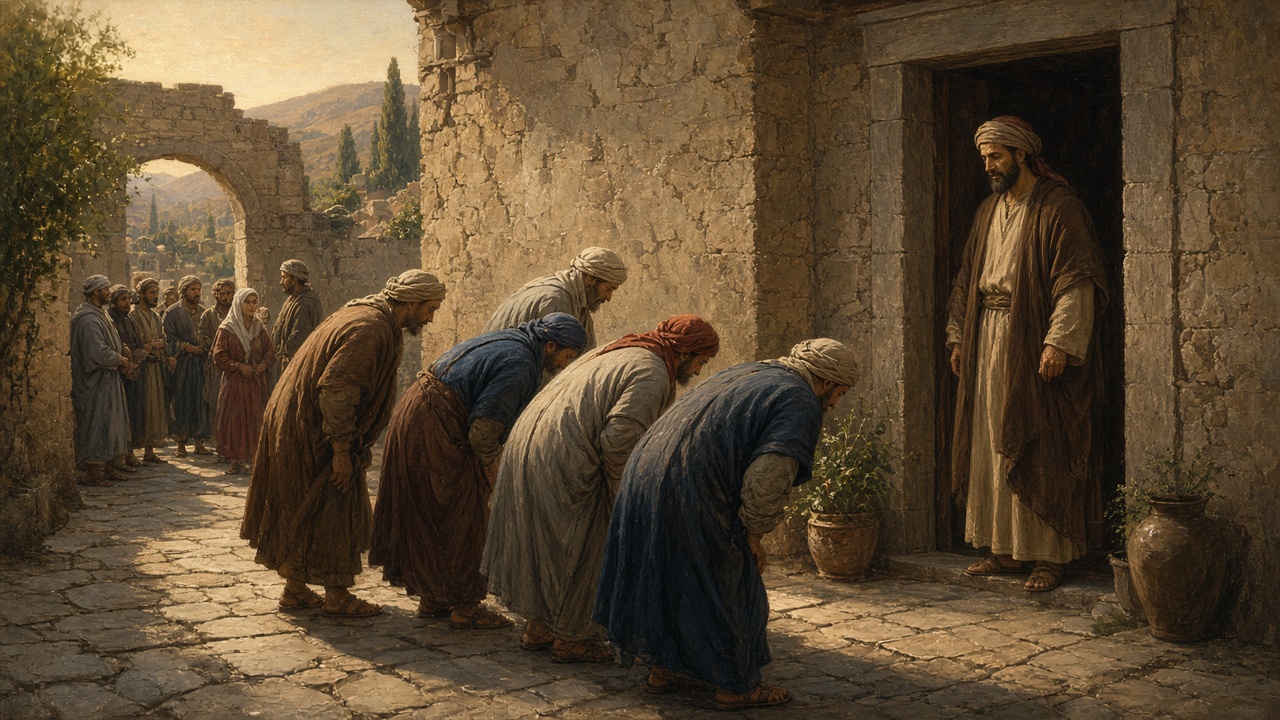
Living Stones and a Chosen People
- This chapter quotes Scripture about a chosen and precious cornerstone laid in Zion: the one who believes in him will never be put to shame. Zion was the south-eastern hill of Jerusalem, one of the heights on which the city was built, surrounded on every side except the north by deep valleys.Sources: the Bible text itself · Zion
- David took Zion from the Jebusites, built a citadel and a palace there, and the hill became known as the city of David. The letter uses that place-name when it quotes Scripture about a cornerstone laid in Zion, and it pictures the readers as living stones being built into a spiritual house and a holy priesthood.Sources: Zion · the Bible text itself
- The chapter urges submission, for the Lord’s sake, to every human institution—to the king as supreme authority and to governors sent to punish wrong and praise what is right. It tells servants to respect even unreasonable masters, and it holds up Christ’s suffering, without sin, deceit, threats, or retaliation, as the pattern for enduring unjust pain.Sources: the Bible text itself
Notes written with AI assistance from open sources (Theographic Bible Metadata, CC BY-SA 4.0; Easton’s Bible Dictionary, public domain) and reviewed before publishing.
Places in this chapter
- Zion · Today: Jerusalem · 31.777, 35.234 · verse 6
Only places identified with high confidence are shown (90% or more according to the scholarly sources compiled by OpenBible). Period map: DARE (Digital Atlas of the Roman Empire), CC BY 4.0; modern map: © OpenStreetMap contributors; places: OpenBible.info (CC BY 4.0).
Credits and license for this translation
Lëk yam
New Testament in Dinka, Southwestern (SU:dik:Dinka, Southwestern)
copyright © 2006 Wycliffe Bible Translators, Inc.
Language: Dinka, Southwestern
Translation by: Wycliffe Bible Translators, Inc.
Dinka, Southwestern
dik
Sudan
Copyright Information
© 2006, Wycliffe Bible Translators, Inc. All rights reserved.
This translation text is made available to you under the
terms of the Creative Commons License: Attribution-Noncommercial-No Derivative Works.
( http://creativecommons.org/licenses/by-nc-nd/3.0/ )
In addition, you have permission to port the text to different file formats, as long as you
do not change any of the text or punctuation of the Bible.
You may share, copy, distribute, transmit, and extract portions
or quotations from this work, provided that you include the above copyright
information:
You must give Attribution to the work.
You do not sell this work for a profit.
You do not make any derivative works that change any of the actual words or punctuation of the Scriptures.
Permissions beyond the scope of this license may be
available if you contact
us with your request.
The New Testament
in Dinka, Southwestern
© 2006, Wycliffe Bible Translators, Inc. All rights reserved.
This translation is made available to you under the terms of the
Creative Commons Attribution-Noncommercial-No Derivatives license 4.0.
You may share and redistribute this Bible translation or extracts from it in any format, provided that:
You include the above copyright and source information.
You do not sell this work for a profit.
You do not change any of the words or punctuation of the Scriptures.
Pictures included with Scriptures and other documents on this site are licensed just for use with those Scriptures and documents.
For other uses, please contact the respective copyright owners.
2014-04-22
Source: http://ebible.org/dikNT/ · eBible.org