1 Corinthians 12
Lëk yam · Tap a verse to see its cross-references.
Miɔ̈c Wëi Nhialic
1Ëmën, awiëc ba jam miɔ̈c ye yök tënë Wëi Nhialic. Awiëc bäk yith ŋic rin ë käkkä miɛ̈thakäi cï gam. 2Aŋiɛckë, wäär ye wek kɔc cie Nhialic ë door, wek aa we cï muɔ̈r dhɔ̈l juëc bäk ke aa door jak cï kiɛ̈ɛ̈t. 3Awiëc bäk ŋic lɔn acïn raan ye Wëi Nhialic cök puɔ̈u, lëu ye bï Jethu lɛ̈k guɔ̈p wël rɛc. Ku acïn raan la riɛl bï lueel lɔn ye Jethu Bɛ̈ny tɛ̈ këc Wëi Nhialic ye tääu yepuɔ̈u.
4Miɔ̈c juëc cïï thöŋ aatɔ̈ thïn, ku ee Wëi Nhialic töŋë yen ë ke gam. 5Kɔc aa luui dhɔ̈l juëc, ku ë Bäny tök yen aye kë luɔ̈ɔ̈i. 6Miɔ̈c juëc cïï thöŋ ye kɔc luui aatɔ̈ thïn, ku ë Nhialic töŋ yen ë ke gäm raan ëbën rin luɔiden wïc. 7Nhialic ë raan gäm kë ye raan ye ŋic lɔn rëër Wëi Nhialic kek ye, ku bï luɔ̈ɔ̈i bï yen akut kɔc cï gam kony. 8Wëi Nhialic ë raan tök gäm ŋiɛ̈ɛ̈c käŋ. Ku Wëi Nhialic töŋ kënë, ee raan dɛ̈t looi bï kɔc aa lɛ̈k käjuëc ŋic bɔ̈ tënë Nhialic. 9Wëi Nhialic töŋë, ee raan yiëk riɛl bï yen Raan cï lɔc ku dɔc gam apɛi. Ku yïk raan dɛ̈t riɛl ë yen kɔc tuany kony. 10Wëi Nhialic ë raan gäm riɛl bï yen käk jäŋ gɔ̈i aa looi. Ku gɛ̈m raan dɛ̈t riɛl ë yen wɛ̈t Nhialic lɛ̈k kɔc. Ku raan dɛ̈t ke riɛl ë yen miɔ̈c bɔ̈ tënë Wëi Nhialic, ku kɔ̈k cie bɛ̈n tënë ye tek thook. Ee raan yiëk riɛl bï jam thok kɔ̈k, ku gɛ̈m raan dɛ̈t riɛl bï käk cï lueel thok kɔ̈k teet yiic. 11Ku ë Wëi Nhialic töŋ kënë yen ë käkkä gam ëbën tɛ̈cït tɛ̈ wïc yen ye thïn. Ee ŋɛk gäm miɔ̈c cïï thɔ̈ŋ kek miɔ̈c ë ŋɛk.
Guɔ̈p ala yic käjuëc
12Guɔ̈p Raan cï lɔc ku dɔc ë guäp tök la yic käjuëc, cïmën guɔ̈p raan la yic käjuëc. 13Këlä aya, ɣook ëbën ke ɣo ye kɔc Judeo, tɛ̈dë ke ɣo ye kɔc cie kɔc Judeo. Tɛ̈dë ke ɣo ye kɔc lääu nhïïm, tɛ̈dë ke ɣo ye aloony. Wëi Nhialic acï ŋɛk kamkua a muɔɔc nhom ku arɛ̈ɛ̈r kek ɣo, ku acï ɣo looi buk aa baŋ guɔ̈p Raan cï lɔc ku dɔc.
14Ku guɔ̈p acie abaŋ tök, ala yic abɛ̈k juëc. 15Tɛ̈dë na lueel cök ëlä, “Rin cïï ɣɛn ye cin, ɣɛn acie abaŋ ë guɔ̈p.” Ka cïï kënë ye looi, bï cïï ye abaŋ ë guɔ̈p. 16Tɛ̈dë ke lueel yïc ëlä, “Rin cïï ɣɛn ye nyin, ɣɛn acie abaŋ ë guɔ̈p.” Ka cïï kënë ye looi aya bï cïï ye abaŋ ë guɔ̈p. 17Na guɔ̈p ëbën ye nyin, ke ye piŋ këdë? Ku na guɔ̈p ye yïc yetök, ke ye ŋör këdë? 18Ku yic akïn, Nhialic acï abɛ̈k cïï thöŋ tääu guäp tök yic tɛ̈cït tɛ̈ wïc yen ye thïn. 19Na ye abaŋ tök yen tɔ̈ thïn ë rot, ŋuɔ̈t acïn guɔ̈p. 20Ku yic akïn, abɛ̈k juëc aatɔ̈ thïn ku guɔ̈p ee tök.
21Këya, acïï nyin lëu bï lueel tënë cin ëlä, “Yïn acä wïc.” Ku acïï nhom luel tënë cök, “Wek aacä wïc!” 22Ku yic akïn, abɛ̈k guɔ̈p ye tak ciɛ̈t ke cïï ril, aacïï dhil liu thïn. 23Ku abɛ̈k guɔ̈p ye yök ke cïn luɔi ye ke kuɛ̈ɛ̈c nhïïm, kek aa yeku ŋiɛc muk apath. Ku guɔ̈p alɔŋ cie nyuɔɔth ë path, aye ŋiɛc kum. 24Ku guɔ̈p alɔŋ cie thiaan, acie kum. Ku Nhialic acä abɛ̈k ë guɔ̈p cïï ke looi bïk aa guäp tök ëbën, ku acä abɛ̈k ë guɔ̈p cïï ke ë kuɛ̈ɛ̈c nhïïm looi bï ya kek kädït apɛi. 25Këya, guɔ̈p ë tök acïï yeyic ë tek, ku abɛ̈kken cïï thöŋ aa röt kuɔny kamken. 26Na rem guɔ̈p abaŋ tök, ka abɛ̈k kɔ̈k ë guɔ̈p aacïï la lɛ̈ŋ aya. Na lec abaŋ tök, ka abɛ̈k kɔ̈k aa mit puɔ̈th kek ye ë tök.
27Week ëbën wek aa guɔ̈p Raan cï lɔc ku dɔc, ku ŋɛk kamkun abaŋ guäpde. 28Akut kɔc cï gam yic, Nhialic acä atuuc tɔ̈ɔ̈u tueŋ. Ku bɔ̈ kɔc wël Nhialic luɛɛl kecök. Ku bɔ̈ kɔc ë piööc. Ku kɔc la riɛl ë luui käk jäŋ gɔ̈i. Ku bɔ̈ kɔc la riɛl ye kek kɔc tuany kony bïk pial. Ku kɔc ë kɔc kony, ku kɔc mac kɔc, ku kɔc jam thok kɔ̈k. 29Keek acie atuuc ëbën, ku aacie kɔc lɛ̈k wɛ̈t Nhialic ëbën, ku aacie kɔc ë piööc ëbën. Acie raan ëbën yen la riɛl ë yen luui käk kɔc gɔ̈i, 30tɛ̈dë acie raan ëbën yen la riɛl ye yen kɔc tuany kony bïk bɛn pial, tɛ̈dë acie raan ëbën yen jam thok kɔ̈k, tɛ̈dë acie raan ëbën yen la riɛl bï käk cï lueel thok kɔ̈k teet yiic. 31Wɛ̈lkë wepuɔ̈th miɔ̈c kek dït apɛi. Ku miɔ̈c path kamken ëbën akïn.
Did you know?
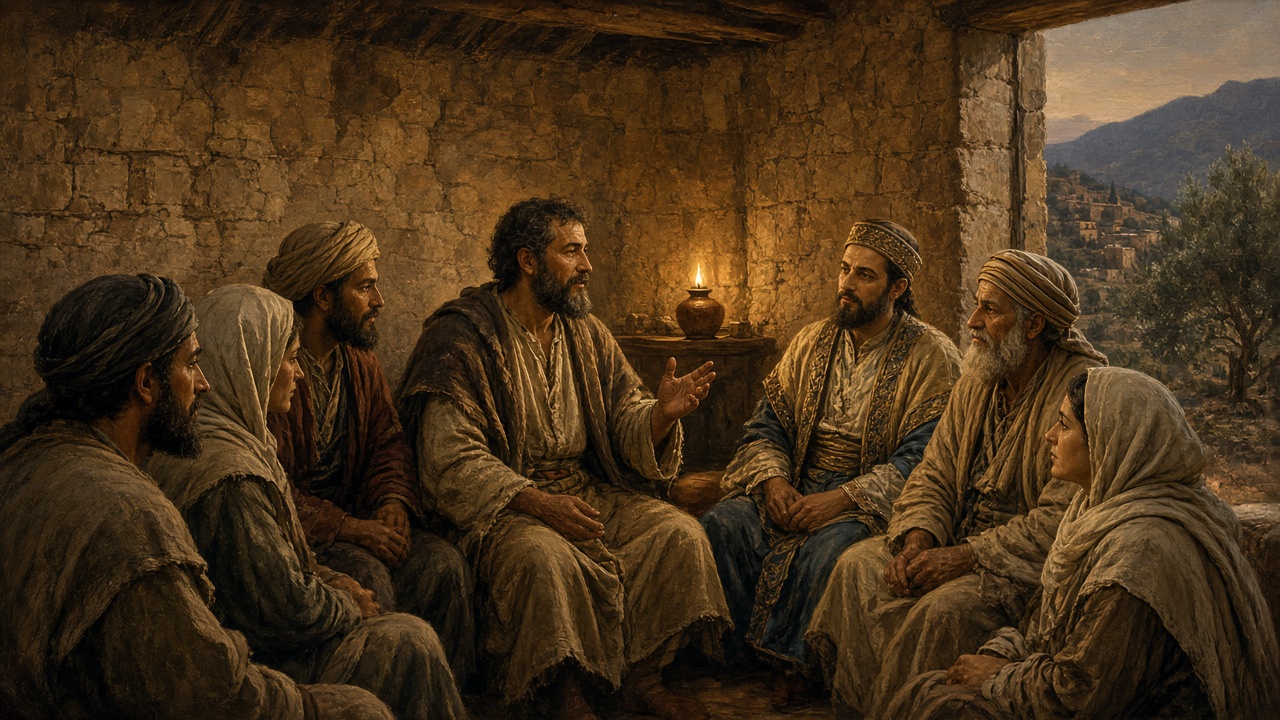
Spiritual gifts and one body
- The chapter begins by reminding the readers that, when they were pagans, they were led astray to mute idols. It then sets a test for speech about Jesus: no one speaking by the Spirit of God curses Jesus, and no one can confess that Jesus is Lord except by the Holy Spirit.Sources: the Bible text itself
- Gifts, ministries, and ways of working differ, yet they come from the same Spirit, the same Lord, and the same God, who works all things in all people. Each manifestation of the Spirit is given for the common good, and the one Spirit assigns them—including wisdom, knowledge, faith, healing, miracles, prophecy, distinguishing spirits, various tongues, and interpretation—as he determines. The closing questions make the same point: not all are apostles, prophets, or teachers, and not all speak in tongues or interpret.Sources: the Bible text itself
- The many members are compared to one body, and the same is said of Christ. In one Spirit all were baptized into that one body, whether Jews or Greeks, slave or free, and all were given one Spirit to drink. Parts that seem weaker are called indispensable, and those considered less honorable are given greater honor, so that there is no division and the members suffer and rejoice together.Sources: the Bible text itself
Notes written with AI assistance from open sources (Theographic Bible Metadata, CC BY-SA 4.0; Easton’s Bible Dictionary, public domain) and reviewed before publishing.
Credits and license for this translation
Lëk yam
New Testament in Dinka, Southwestern (SU:dik:Dinka, Southwestern)
copyright © 2006 Wycliffe Bible Translators, Inc.
Language: Dinka, Southwestern
Translation by: Wycliffe Bible Translators, Inc.
Dinka, Southwestern
dik
Sudan
Copyright Information
© 2006, Wycliffe Bible Translators, Inc. All rights reserved.
This translation text is made available to you under the
terms of the Creative Commons License: Attribution-Noncommercial-No Derivative Works.
( http://creativecommons.org/licenses/by-nc-nd/3.0/ )
In addition, you have permission to port the text to different file formats, as long as you
do not change any of the text or punctuation of the Bible.
You may share, copy, distribute, transmit, and extract portions
or quotations from this work, provided that you include the above copyright
information:
You must give Attribution to the work.
You do not sell this work for a profit.
You do not make any derivative works that change any of the actual words or punctuation of the Scriptures.
Permissions beyond the scope of this license may be
available if you contact
us with your request.
The New Testament
in Dinka, Southwestern
© 2006, Wycliffe Bible Translators, Inc. All rights reserved.
This translation is made available to you under the terms of the
Creative Commons Attribution-Noncommercial-No Derivatives license 4.0.
You may share and redistribute this Bible translation or extracts from it in any format, provided that:
You include the above copyright and source information.
You do not sell this work for a profit.
You do not change any of the words or punctuation of the Scriptures.
Pictures included with Scriptures and other documents on this site are licensed just for use with those Scriptures and documents.
For other uses, please contact the respective copyright owners.
2014-04-22
Source: http://ebible.org/dikNT/ · eBible.org