1 Corinthians 10
Lëk yam · Tap a verse to see its cross-references.
Paulo ë kɔc cï gam piɔ̈ɔ̈c rin jak ye kiɛ̈ɛ̈t
1Miɛ̈thakäi cï gam, awiëc bäk këwäär cï rot looi tënë wärkuan dït wäär buɔth Mothith ror liɛɛt tak. Keek aake tiit luɛ̈t, nawën ke tem Wär Lual ë path. 2Tɛ̈wäär buɔɔth kek luɛ̈t, ku wäär teem kek wär, keek aake cït kɔc cï muɔɔc nhïïm bïk aa kɔc buɔth Mothith. 3Keek ëbën aacï miëth töŋ thöŋ cam, miëth yïk Nhialic ke ë riɛlde, 4ku dëkkë ë pïu ke looi Nhialic bïk kuër kuur yic, kuur cath ke ke. Kuur ë ye Raan cï lɔc ku dɔc guɔ̈p. 5Cɔk alɔn cï käpuɔthkä röt looi ëbën, ke Nhialic ëcïï puɔ̈u mit kek wärkuan dït juëc. Go Nhialic ke nɔ̈k ku weer guäpken roor tɛ̈ cïï cieŋ.
6Ëmën, Nhialic acï wärkuan dït wäär cïï yen puɔ̈u mit tënë ke tɛ̈m awuɔ̈c, bï ɣo wɛ̈ɛ̈t buk ɣopuɔ̈th cïï ye yiëk kärɛc cïmën wäär cï kek ye looi, 7tɛ̈dë ke ɣo dor jak cï kiɛ̈ɛ̈t cïmën cï kɔc kɔ̈k keyiic ye looi ɣɔn. Rin acï gɔ̈t athör thɛɛr wël Nhialic yic ëlä, “Kɔc aacï nyuc bïk mïth ku dëkkë ku jɔlkë dier.” 8Dukku ɣopuɔ̈th ye yiëk bal cïmën wäär cï kɔc kɔ̈k keyiic ye looi, nawën ke raan tim thiär-rou ku ŋuan thou akäl tök. 9Acuk lëu buk Bɛ̈ny them cïmën ɣɔn cï kɔc kɔ̈k keyiic ye looi, nawën ke thööŋ käpiɛny ke. 10Duɔ̈kkë ye rëër we jiëëm wenhïïm cïmën wäär ye kɔc kɔ̈k keyiic ye looi, ku aacï Nhialic bɛ̈n tuɔ̈c atuɔ̈nyde bï ke nɔ̈k. 11Käkkä ëbën aacï röt looi tënë kɔc Itharel bï ke ɣo lɛ̈k. Ku käkkä aacï gät piny rin bï ɣo lɛ̈k thïn aya. Rin ɣok aa pïr tɛ̈ bï thök piny guɔ bɛ̈n thïn.
12Raan cï gam ye tak lɔn atiit gamde, adhil yenhom tääu piny bï ciɛ̈n kërɛc ye. 13Na them yï ba adumuɔ̈ɔ̈m looi ke ŋic lɔn cï kɔc kɔ̈k kaŋ them këlä aya. Nhialic ë kë cï thɔn dhiɛl looi. Acïn raan bï Nhialic puɔ̈l bï them arɛ̈k aba athɛ̈mde cïï gök. Ku tɛ̈ them yï ka la dhël kony Nhialic yï ba athëm göök.
14Këya, miɛ̈thakäi nhiaar, duɔ̈kkë jak cï kiɛ̈ɛ̈t kɔŋ door acïn. 15Ɣɛn ajam tënë we rin aŋiɛc lɔn ye wek kɔc cï nhïïm bak, takkë wɛ̈t luɛɛl kënë yic wepuɔ̈th ë röt. 16Tɛ̈ dëk ɣok bïny ye ɣok dek muɔ̈n abiëc miëth Bɛ̈ny yic ye ɣok Nhialic leec thïn, ke ɣok aa rɔm riɛm Raan cï lɔc ku dɔc. Ku tɛ̈ bɛny ɣok ayup ku camku, ke ɣok aa rɔm guɔ̈p Raan cï lɔc ku dɔc. 17Rin ayuɔ̈m tök yen atɔ̈ thïn, ke ɣo ëbën cɔk alɔn juëc ɣok, ɣok aa guäp tök rin ɣok ayuɔ̈m tök rɔm.
18Takkë kɔc Itharel tɛ̈ ciɛm kek käk cï juɛ̈r Nhialic, ke keek aa ya tök kek Nhialic. 19Yeŋö wiëc ba lueel tɛ̈ jiɛɛm ɣɛn këlä? Ye nadë ke jak cï kiɛ̈ɛ̈t, ayï miëth cï juɛ̈r ke aa la wɛ̈tden yic? 20Acie këya! Kë luɛɛl ë lɔn käk ye kɔc cïn gam la cök juaar, ee tënë jakrɛc acie tënë Nhialic. Ku acä wïc bäk röt aa mat käk jakrɛc yiic. 21Yïn acïï dëk bïny muɔ̈n abiëc ë Bɛ̈ny, ku bɛn dek bïny käk jakrɛc. Yïn acïï röm kek Bɛ̈ny ku bɛn rɔm kek jakrɛc. 22Na loiku ë kënë, ke rin wïc ɣok ye buk Bɛ̈ny rac puɔ̈u. Yeku tak lɔn ril ɣok apɛi buk Bɛ̈ny dhɔ̈l ku cïï ɣo tëm awuɔ̈c?
23“Ayeku lueel ɣok aacï puɔ̈l buk käk wïcku ke looi.” Ee yic, ku acie këriëëc ëbën yen path. “Këriëëc ëbën acï puɔ̈l buk looi.” Ku acie këriëëc ëbën yen ɣo kony. 24Yïn adhil luui käk kɔc kɔ̈k cɔl amit puɔ̈th, tɛ̈n lɔn ye yïn luui käk yï cɔl amit puɔ̈u ë rot.
25Apath tënë yï ba kuat rïŋ ye ke ɣaac tɛ̈ ye rïŋ ɣɔɔc thïn cuet, ke yï cïï puɔ̈u diu. 26Rin acï gɔ̈t athör thɛɛr wël Nhialic yic ëlä, “Piny ku këriëëc ëbën tɔ̈ thïn aa käk ë Bɛ̈ny.”
27Na cï yï cɔɔl ba la mïth pan raan cïn gam ku ca gam ba la, ke yï cam kuat miëth cï bɛ̈ɛ̈i tënë yï ke yï cïï thiëc. 28Ku na lëk raan dɛ̈t yï, “Miëth kënë acï juɛ̈r jak cï kiɛ̈ɛ̈t,” Ke yï duk ë miëth kënë cam, ku acie rin diu tɔ̈ yïpuɔ̈u, ee rin wɛ̈t rɛ̈ɛ̈r raan cï ye lɛ̈k yï puɔ̈u. 29Këya, acie kë tɔ̈ piändu yic, ë kë tɔ̈ puɔ̈n raan dɛ̈t yic. Raan dɛ̈t abï thiëëc ëlä, “Yeŋö ye kë rɛ̈ɛ̈r puɔ̈n raan dɛ̈t yic ɣa gël ba këdiɛ̈n tɔ̈ ɣapuɔ̈u cïï loi? 30Na lɛɛc Nhialic rin miëth, ke yeŋö bï raan dɛ̈t ɣa nyieeny miëth cï ɣɛn Nhialic leec?”
31Këya, kuat kë loi, tɛ̈ mïth yïn ayï tɛ̈ dëk yïn, loi ke ëbën dhël ye ke Nhialic leec thïn. 32Duk kë ye kɔc kɔ̈k yök ke rac loi cïmën kɔc Judia, tɛ̈dë kɔc cie kɔc Judia, ayï kɔc akut kɔc cï gam. 33Luɔ̈ɔ̈ikë cïmëndiɛ̈, aya looi ba raan ëbën cɔl amit puɔ̈u käk ya ke looi yiic, ke cä loi këpath tënë ɣɛn ë rot, ke ye käpath tënë kɔc ëbën rin bï raan ëbën luɔ̈k.
Did you know?
Wilderness Warnings and the Lord's Table
- Paul says he does not want the Corinthians unaware that the forefathers were all under the cloud and all passed through the sea, and that they were baptized into Moses in the cloud and in the sea. They all ate the same spiritual food and drank the same spiritual drink from the spiritual rock that accompanied them, and he says that rock was Christ.Sources: the Bible text itself
- Paul says God was not pleased with most of them, for they were struck down in the wilderness. He lists idolatry, sexual immorality in which twenty-three thousand died in one day, testing Christ, which brought death by snakes, and complaining, punished by the destroying angel, and calls these events examples written down as warnings.Sources: the Bible text itself
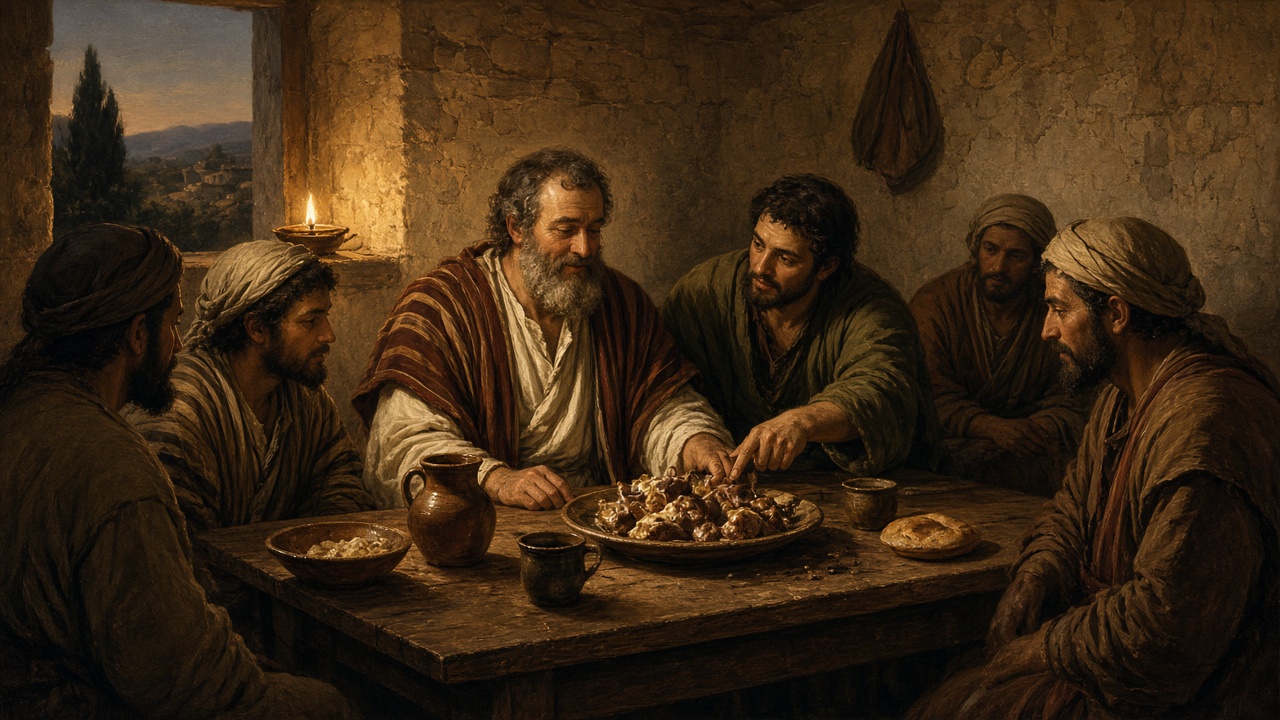
- He calls the cup of blessing and the bread that is broken a participation in the blood and body of Christ, and says pagan sacrifices are offered to demons, not to God, so the two tables cannot be shared. Food sold in the meat market may be eaten without raising questions of conscience, for "The earth is the Lord's, and the fullness thereof," but if someone says it was offered to idols, it should be refused for that person's conscience.Sources: the Bible text itself
Notes written with AI assistance from open sources (Theographic Bible Metadata, CC BY-SA 4.0; Easton’s Bible Dictionary, public domain) and reviewed before publishing.
Credits and license for this translation
Lëk yam
New Testament in Dinka, Southwestern (SU:dik:Dinka, Southwestern)
copyright © 2006 Wycliffe Bible Translators, Inc.
Language: Dinka, Southwestern
Translation by: Wycliffe Bible Translators, Inc.
Dinka, Southwestern
dik
Sudan
Copyright Information
© 2006, Wycliffe Bible Translators, Inc. All rights reserved.
This translation text is made available to you under the
terms of the Creative Commons License: Attribution-Noncommercial-No Derivative Works.
( http://creativecommons.org/licenses/by-nc-nd/3.0/ )
In addition, you have permission to port the text to different file formats, as long as you
do not change any of the text or punctuation of the Bible.
You may share, copy, distribute, transmit, and extract portions
or quotations from this work, provided that you include the above copyright
information:
You must give Attribution to the work.
You do not sell this work for a profit.
You do not make any derivative works that change any of the actual words or punctuation of the Scriptures.
Permissions beyond the scope of this license may be
available if you contact
us with your request.
The New Testament
in Dinka, Southwestern
© 2006, Wycliffe Bible Translators, Inc. All rights reserved.
This translation is made available to you under the terms of the
Creative Commons Attribution-Noncommercial-No Derivatives license 4.0.
You may share and redistribute this Bible translation or extracts from it in any format, provided that:
You include the above copyright and source information.
You do not sell this work for a profit.
You do not change any of the words or punctuation of the Scriptures.
Pictures included with Scriptures and other documents on this site are licensed just for use with those Scriptures and documents.
For other uses, please contact the respective copyright owners.
2014-04-22
Source: http://ebible.org/dikNT/ · eBible.org