Exodus 3
परमेश्वरन सत्य वचन · Tap a verse to see its cross-references.
धोपतलो झाड़को
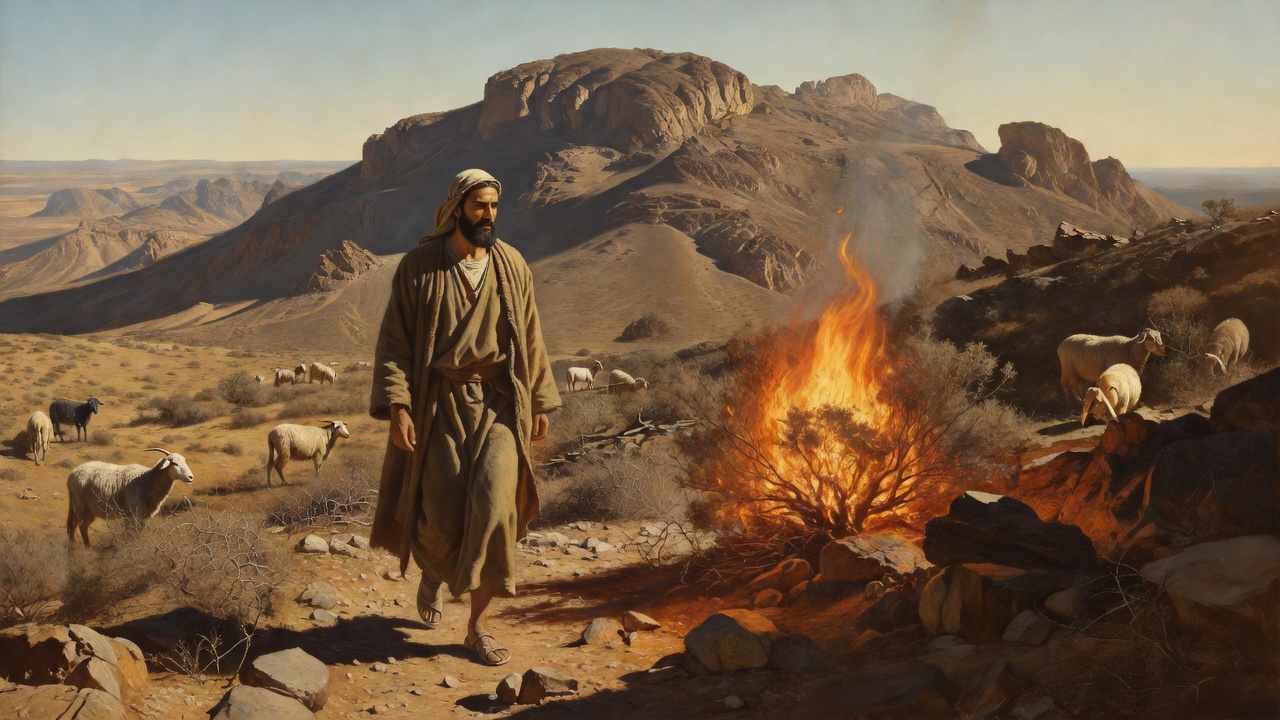
1मुसा आपसा सेसरा यित्रो नावन मिद्यान क पुजारान गाडरा–बुकड़ान क चारावतो हुतो; आरु त्यो गाडरा–बुकड़ान को जंगलो मा पश्चिम तरफ होरेब नावन योहोवा देव बयड़ान पास मा ली गियो। 2आरु योहोवा देवोन दुत एक काटा वाळी झाड़ोन वीच मा आग्ठान लपट मा मुसा को दर्शन दीदो; आरु त्यो नजर नाखीन देखियो कि झाड़को धप रीयो, पुन खतम नी हुयती। 3तव मुसा आपसा मोनोम विचारीयो, हांव हतो जाईन इना विछेळीया काम को देखीस कि त्यो झाड़को काह नी धपतो।
4जव योहोवा देव यो देख्यो कि मुसा देखने करीन आय रीयो, तव योहोवा देव झाड़ीन वीच मा सी मुसा को आयड़ी कयो, “ए मुसा, ए मुसा” मुसा कयो काय, काय हुकुम। 5योहोवा देव कयो, उरो मा आवे, आरु तारा पाय मा सी खासड़ा निकाळ दे, काहकी जिना जागा पर तु उबो हुय रीयो त्यो चुखलो छे। 6अतळते त्यो कयो, हांव तारा बाप को परमेश्वर, आरु अबराहम को परमेश्वर, इसहाक क परमश्वेर, आरु याकुब को परमेश्वर छे। तव मुसा जो योहोवा देव न तरफ भावनेन बिह गोयी, एकालिय उको मुय ढाक लीदो।
7अळते योहोवा देव कयो, “हांव म्हारी जातीन क लोगहन जो मिसर मा छे हेनका दु:ख को छाचो देखलो छे, आरु वातड़ी मेहनत करावने सी हेन्को आयेड़ेन ओवाज उको हांव बी समळलो छे, आरु हेन्दरी पीड़ा पर हांव मन लगाड़ीयो। 8अतरान करीन अब हांव नेचो उतरी आवलो छे कि उन लोगहन को मिसरीयान हाथ मा सी छुड़ावो, आरु उना देश सी निकाळीन एक वारला आरु मोटा देश मा जिना मा दुध आरु माहळन धार उहवे, मतलब कि कनानी, हित्ती, एमोरी, परिज्जी, हिव्वी, आरु यबुसी लोगहन क जागा मा पुगाड़ीस। 9अतरान करीन अब समळ, इसराएलीयान आयेड़नो मखे समळाय पड़ियो, आरु मिसरीयान उन लोगहन वेला पाड़नो बी मखे देखाय पड़लो छे, 10अतरान करीन आव, हांव तुको फिरोन क पास मुकलो कि तु इसराएल जातीन लोगहन को मिसर देश सी निकाळ ली आवे।”
11तव मुसा योहोवा सी कयो, “हांव कुन छे, जो फिरोन क पास मा जामो, आरु इसराएलीयो को मिसर देश सी निकाळ लावो?”
12योहोवा देव कयो, पाको हांव तारे साते रहीस; आरु इनी वात को कि तुखे मोकलने वाळो हांव छे, तारे लिये यी सोहलानी रहवसे; कि जव तुउन लोगहन को मिसर देश सी निकाळ लीस तव तुमु इनात् बयड़ा पर म्हारी सेवा भक्ती करसु।
13मुसा योहोवा देव सी कयो, जव हांव इसराएलियो क पास मा जाईन हेनको यो कयो, कि तुमरा डाहडान देव मखे तुमरे पास मोकलीयो, तव कदाम त्या म्हार सी पुछे, उको नाव काय छे? तव हांव उन लोगहन को काय देखाड़ीस?
14योहोवा देव मुसा सी कयो, “हांव जु छे चु छे।” ओळते त्यो मुसा सी कयो, तु इसराएलियो सी कयजी जेरो नाव हांव छे चो छे त्यो मखे तुमरे याँह मोकलीयो। 15ओळते योहोवा देव मुसा सी यो बी कयो, तु इसराएलियो सी यो कयजी, तुमरा डाहडान योहोवा देव, मतलब अबराहम को परमेश्वर, इसहाक को परमेश्वर, आरु याकुब को परमेश्वर, त्योत् मखे तुमरे पास मोकलीयो। देख सदा तक म्हारो नाव योत् रयसे, आरु पीढ़ी–पीढ़ी मा म्हारी फोम इना सी हुया करसे। 16अतरान करीन अब जाईन इसराएली डाहडान को एखटा कर, आरु उन लोगहन सी कय तुमरा डाहडा अबराहम, इसहाक, आरु याकुबन परमेश्वर, योहोवा मखे दर्शन दीन कयलो छे कि हांव तुमरे पर आरु तुमरे साते जो गलत व्यवहार मिसर हुयतलो उना पर मन लगाड़लो छे; 17आरु हांव ठान लियो कि तुमुक मिसर देशन दु:ख मा सी निकाळीन कनानी, हित्ती, एमोरी, परिज्जी, हिव्वी, आरु यबुसी लोगहन क देश मा ली जाईस, जो असो देश छे कि जिनाम मा दुध आरु माहळनी धार उहळे।
18तब त्या मान लेसे; आरु तु इसराएली डाहडान को सात मा ली जाईन मिसर देशन राजा को यो कयजी, इबरीयान परमेश्वर, योहोवा भगवान सी हामरी भेटावनी हुयली छे; अतरान करीन अब हामुक तीन दाहड़ान वाटिये जंगल मा जानी दे कि हामरा परमेश्वर योहोवा क बलिदान चढ़ावजे। 19हांव यो जानो कि मिसर देशन राजा तुमुक जाने नी देय पुन एक मोटी ताकतुत तुमु लोगहन क जाने क लिय ओको वेला पाड़से। 20अतरान करीन हांव हाथ बढ़ावीन उन सब पर विनछेळीया काम मिसरन वीच मा करीस उना देश को मारीस; आरु उना बाद त्यो तुमुक जाने देसे।
21तव हांव मिसरी जाती सी म्हारी इनी जाती पर दया करावीस; आरु जव तुमु निकेळसु तव ठारला हाथ सी नी निकळु। 22पुन तुमरी एक–एक बायर आपसी–आपसी पड़ोस वाळी, आरु आपसा–आपसा घर मा रहवने वाळी सी सोना चाँदीन गयनो, आरु छिंदरा मांग लेसे, आरु तुमु ओको तुमरा पोर्या आरु पोराईयोन को पेहरावजो; इनिये रीतिये तुमु मिसरी लोगहन को लुट लेसो।
Did you know?
The Call of Moses at the Burning Bush
- Moses is shepherding in Midian when this chapter begins. The Midianites were a nomadic Arabian tribe descended from Midian, Abraham's fourth son by Keturah, whose name is explained as strife. They lived chiefly in the desert north of Arabia, and the Sinai peninsula was grazing land for their flocks; it was there, after fleeing Egypt, that Moses became a servant and then the priest's son-in-law.Sources: the Bible text itself · Midian · Midian
- His father-in-law is Jethro, called the priest of Midian. Easton's Bible Dictionary (1897) equates that priest with Raguel and says that, if the two names belong to one man, Raguel may be regarded as his personal name and Jethro, meaning excellency, as an official title.Sources: the Bible text itself · Jethro
- Moses leads the flock to Horeb, the mountain of God. The name is explained as desert, or mountain, of the dried-up ground, a general term for the whole range of which Sinai was one summit; Easton's Bible Dictionary (1897) gives the modern name of the range as Jebel Musa and describes a huge block about two miles long and about one mile wide, with a very spacious plain called Er Rahah at its north-east end, where the Israelites later camped for nearly a year.Sources: the Bible text itself · Horeb
Notes written with AI assistance from open sources (Theographic Bible Metadata, CC BY-SA 4.0; Easton’s Bible Dictionary, public domain) and reviewed before publishing.
Places in this chapter
- Midian · 28.495, 35.012 · verse 1
- Mount Horeb · Today: Jebel Musa · 28.540, 33.973 · verse 1
- Egypt · 30.129, 31.308 · verses 7, 8, 10, 11, 12, 16, 17, 18, 19, 20, 22
Only places identified with high confidence are shown (90% or more according to the scholarly sources compiled by OpenBible). Period map: DARE (Digital Atlas of the Roman Empire), CC BY 4.0; modern map: © OpenStreetMap contributors; places: OpenBible.info (CC BY 4.0).
Credits and license for this translation
परमेश्वरन सत्य वचन
Dhanki: परमेश्वरन सत्य वचन The New Testament in the Dhanki language of India, Devanagari script
copyright © 2025 The Word for the World International and Dhankavi Mandli, Khargon, Raykhed, Nandurbar, Maharashtra 2025
Language: (Dhanki)
Contributor: The Word for the World South Asia
परमेश्वरन सत्य वचन
जुन्लो नियम, 2025
The Old Testament Books in Dhankavi Language
The Word for the World International
This translation is made available to you under the terms of the
Creative Commons Attribution Share-Alike license 4.0.
You have permission to share and redistribute this Bible translation in any format and to make reasonable revisions and adaptations of this translation, provided that:
You include the above copyright and source information.
If you make any changes to the text, you must indicate that you did so in a way that makes it clear that the original licensor is not necessarily endorsing your changes.
If you redistribute this text, you must distribute your contributions under the same license as the original.
Pictures included with Scriptures and other documents on this site are licensed just for use with those Scriptures and documents.
For other uses, please contact the respective copyright owners.
Note that in addition to the rules above, revising and adapting God's Word involves a great responsibility to be true to God's Word. See Revelation 22:18-19.
2025-07-12
Source: http://ebible.org/dhn/ · eBible.org