Revelation 21
Nǫ̀htsı̨̨ Nı̨̨htł'è · Tap a verse to see its cross-references.
Kǫ̀godeè Jerusalem wegòò
1Eyı tł'axǫǫ̀ yak'e wegòò eyıts'ǫ dèè wegòò wègoèht'į̀. T'akwełǫ̀ǫ̀ gots'ǫ yak'e eyıts'ǫ dèè sı whìle ajà, eyıts'ǫ tıcho sı whìle ajà. 2Yak'e gots'ǫ Kǫ̀godeè Degaı ı̨zhıì ajà wègaat'ı̨. Kǫ̀godeè wegòò Jerusalem, Nǫ̀htsı̨ gots'ǫ ı̨zhıì ajà. Ts'èko dǫzhìı xè honìda ha goht'ǫ wèdaat'ı̨ı̨ yìı wheda lanì eyı kǫ̀godeè wèdaat'ı̨. 3Daèhchı̨cho gots'ǫ hòtł'ò dıı hats'edıì hǫt'e, “Jǫ gots'ǫ ı̨daà Nǫ̀htsı̨ dǫ ta nàdè ha t'à wekǫ̀ dǫ nı wheɂǫ ha. Wets'ǫ dǫ gı̨ı̨lı̨ ha, Nǫ̀htsı̨ ededı̨ goxè nàdè ha, eyıts'ǫ Gonǫ̀htsı̨ elı̨ ha hǫt'e. 4Gonatì hazǫǫ̀ deedı ha. K'achı̨ dǫ ełaàde ha-le, gıdzeè nànııtì ha-le, getse ha-le eyıts'ǫ gıkwǫ̀ eya ha-le, ı̨nę̀ę dànì hòı̨ɂàa sìı hagǫ̀ht'e-le agòjà ne t'à,” hats'edıì hǫt'e.
5Eyı daèhchı̨cho k'e whedaa sìı hadı, “T'asìı hazǫǫ̀ wegòò ahłe ha!” eyıts'ǫ sets'ǫ̀ hadı, “Eyı hazǫǫ̀ dek'enìı̨tł'è, dıı yatı sìı hotıì ehkw'ı hǫt'e eyıts'ǫ weghàà aahda ha hǫt'e.”
6Eyıts'ǫ sets'ǫ̀ hadı, “Hòt'a enahǫ̀t'e. Yatı t'akwełǫ̀ǫ̀ aht'e eyıts'ǫ yatı nǫǫde aht'e; kèhǫǫ̀wo ts'ǫ sehòhɂǫ eyıts'ǫ nǫǫde ts'ǫ̀ sehòhɂǫ. Amìı tı ghaewıı sìı t'asìı k'èxa-le tı wet'à ts'eedaa weghàehdı ha. 7T'aa hołı̨ı̨ ghǫ hoehnèe sìı eyı hazǫǫ̀ weghǫ̀zhe ha hǫt'e. Wenǫ̀htsı̨ ehłı̨ ha eyıts'ǫ ededı̨ seza elı̨ ha. 8Hanìkò dǫ gınì nàtso-le sìı, dǫ ehkw'ı-ahodı gı̨ı̨wǫ-le sìı, dǫjıı, dǫ ełaàgehdee dǫǫ̀, hołı̨ı̨ k'alagedèe dǫǫ̀, ı̨k'ǫǫ̀ gı̨ı̨lı̨ı̨, kwe t'à nǫ̀htsı̨ą hòèlı̨ı̨ ts'ǫ̀ yagehtıı, eyıts'ǫ hots'ìı-dǫǫ̀, hazǫǫ̀ kwe dèk'ǫ̀ǫ whehtǫǫ weta ts'ǫ̀ agedle ha. Nàekeè t'à ełaàgede ha,” sets'ǫ̀ hadı.
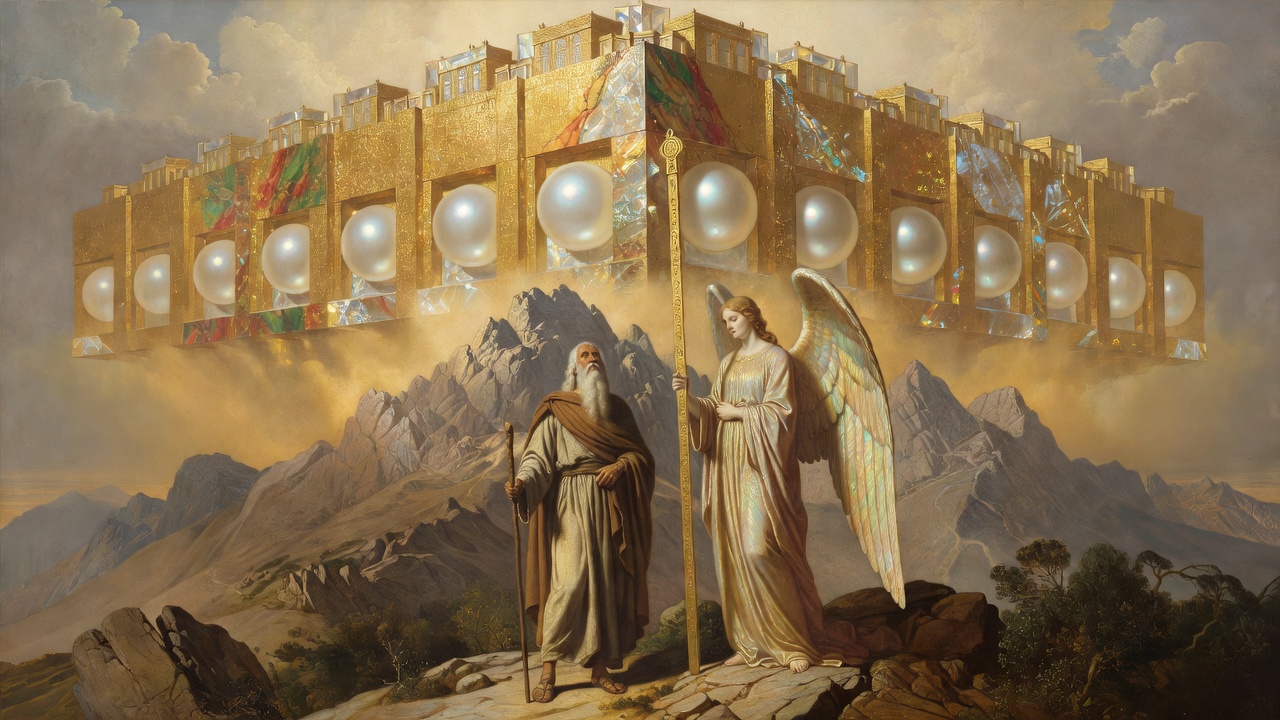
9Yak'eet'ı̨į̀ łǫ̀hdı̨ kw'àyį̀ą yìı wet'à hoìla dagoòɂǫ dagıale ı̨lèe sìı k'achı̨ geehɂı̨. Yak'eet'ı̨į̀ ı̨łè sets'ǫ̀ ajà, hasèhdı, “Sek'èı̨tła. Eyı ts'èko sahzǫ̀ą xè honìda ha sìı weghàı̨daà anehłe ha,” sèhdı. 10Yedàyeh Nezı̨ı̨ wedahxà yak'eet'ı̨į̀ shìh danı̨ı̨chàa ts'ǫ̀ naseèhtı̨. Yak'e gots'ǫ Kǫ̀godeè Degaı ı̨zhıì ts'ǫ̀ ajà weehɂı̨į̀ asį̀į̀là. Kǫ̀godeè Jerusalem hǫt'e, Nǫ̀htsı̨ gots'ǫ ı̨zhıì ajà. 11Nǫ̀htsı̨ wets'ǫ enıìyah deè eyı kǫ̀godeè k'e saı̨dı̨. Sǫǫ̀mbakweè dètìı lanì wèdaat'ı̨, eyıts'ǫ eja sı lanì wenı̨ı̨dàà xègaat'ı̨. 12Eyı kǫ̀godeè wemǫǫ̀ kwı̨į̀ danı̨ı̨chàa nawheɂa. Eyı kwı̨į̀ sìı dekòo xè dagǫǫwà hǫt'e. Eyı kwı̨į̀ wek'e enìı̨tǫ hoònǫ-daats'ǫ̀-nàke whela eyıts'ǫ yak'eet'ı̨į̀ hoònǫ-daats'ǫ̀-nàke enìı̨tǫ k'ègedì. Eyı enìı̨tǫ k'e Israel got'ı̨į̀ gots'ǫ dǫ hoònǫ-daats'ǫ̀-nàke xàɂaa gı̨ı̨lı̨ı̨ sìı gıızì dek'eèhtł'è. 13K'àbatsǫ̀ǫ̀ ts'ǫnèe enìı̨tǫ taı whela, chı̨k'è ts'ǫnèe enìı̨tǫ taı whela, sazı̨ ts'ǫnèe enìı̨tǫ taı whela eyıts'ǫ dą̀ą ts'ǫnèe enìı̨tǫ taı whela. 14Eyı kǫ̀godeè wemǫǫ̀ kwı̨į̀ danı̨ı̨chàa nıɂàa sìı wets'ǫ yìetł'aà hoònǫ-daats'ǫ̀-nàke hǫt'e. Eyı yìetł'aà whelaa wek'e sahzǫ̀ą wecheekeèdeè hoònǫ-daats'ǫ̀-nàke gıızì dek'eèhtł'è.
15Eyı yak'eet'ı̨į̀ sets'ǫ̀ godee sìı wet'à ìdzàa sǫǫ̀mbaekwo t'à hòèlı̨ı̨ k'eɂa. Eyı wet'à kǫ̀godeè wemǫǫ̀ kwı̨į̀ danı̨ı̨chàa nawheɂa, enìı̨tǫ eyıts'ǫ kǫ̀godeè dàı̨hchoo sìı yexèɂìhdzà ha k'eyeɂa. 16Kǫ̀godeè wedzıì dı̨ gǫ̀hłı̨; dàı̨hdoo sìı wexènìı̨hkò. Yak'eet'ı̨į̀ eyı sǫǫ̀mbaekwo dechı̨ t'à kǫ̀godeè xèɂìhdzà ekò ı̨łè-lemì-daats'ǫ̀-sı̨làekw'eènǫ echı̨ haı̨hdo hǫt'e nǫǫ̀, eyıts'ǫ hanìı̨hkò xè hadagǫǫwà hǫt'e. 17Kwı̨į̀ danı̨ı̨chàa yexèɂį̀hdzà ekò nàkeakw'eènǫ-daats'ǫ̀-hoònǫ-daats'ǫ̀-ek'ètaı gokè hanìı̨htǫ hǫt'e. Dànì dǫ t'asìı xègìhdzà k'ę̀ę̀ yak'eet'ı̨į̀ yexèɂį̀hdzà. 18Eyı kwı̨į̀ danı̨ı̨chàa sìı sǫǫ̀mbakweè wèdaat'ı̨ı̨ t'à hòèlı̨ eyıts'ǫ eyı kǫ̀godeè sǫǫ̀mbaekwo wedeèdlı̨ı̨ wek'e saı̨de t'à hòèlı̨. 19Eyı kǫ̀godeè wemǫǫ̀ kwı̨į̀ danı̨ı̨chàa nıɂàa sìı wets'ǫ yìetł'aà sǫǫ̀mbakweè wèdaat'ı̨ı̨ hazǫǫ̀ xàɂaa t'à hòèlı̨. T'akwełǫ̀ǫ̀ yìetł'aà whetǫǫ sìı sǫǫ̀mbakweè wek'e saı̨dı̨ı̨ t'à hòèlı̨, wek'èè yìetł'aà whetǫǫ sìı kwe dèhtł'èe t'à hòèlı̨, taı t'à yìetł'aà whetǫǫ sìı sǫǫ̀mbakweè ı̨t'ǫ̀ t'à hòèlı̨, dı̨ t'à yìetł'aà whetǫǫ sìı sǫǫ̀mbakweè ı̨t'ǫ̀-degoo t'à hòèlı̨, 20sı̨làı t'à yìetł'aà whetǫǫ sìı sǫǫ̀mbakweè dek'o-dezǫǫ t'à hòèlı̨, ek'ètaı t'à yìetł'aà whetǫǫ sìı sǫǫ̀mbakweè ejıedoò t'à hòèlı̨, łǫ̀hdı̨ t'à yìetł'aà whetǫǫ sìı sǫǫ̀mbaekwokweè lanıı t'à hòèlı̨, ek'èdı̨ t'à yìetł'aà whetǫǫ sìı sǫǫ̀mbakweè ı̨t'ǫ̀-dèhtł'èe t'à hòèlı̨, łǫǫ̀tǫ t'à yìetł'aà whetǫǫ sìı sǫǫ̀mbakweè dekwoo t'à hòèlı̨, hoònǫ t'à yìetł'aà whetǫǫ sìı sǫǫ̀mbakweè ı̨t'ǫ̀-dezǫǫ t'à hòèlı̨, hoònǫ-daats'ǫ̀-ı̨łè t'à yìetł'aà whetǫǫ sìı sǫǫ̀mbakweè jìek'oò lanıı t'à hòèlı̨, eyıts'ǫ hoònǫ-daats'ǫ̀-nàke t'à yìetł'aà whetǫǫ sìı sǫǫ̀mbakweè dèhtł'è-dezǫǫ t'à hòèlı̨. 21Enìı̨tǫ hoònǫ-daats'ǫ̀-nàke sìı sǫǫ̀mbakweè degoo wèdaat'ı̨ı̨ t'à hòèlı̨, enìı̨tǫ ı̨łè zǫ kò sǫǫ̀mbakweè degoo ı̨łè zǫ t'à hòèlı̨. Kǫ̀godeè gonı tı̨lı nıɂàa sìı sǫǫ̀mbaekwo deèdlı̨ı̨ t'à hòèlı̨ eyıts'ǫ eja lanì wenı̨ı̨dàà xègaat'ı̨.
22Eyı kǫ̀godeè gonı Nǫ̀htsı̨kǫ̀-gocho wègaat'ı̨-le, Gonǫ̀htsı̨ t'asìı wegha dìì-le sìı eyıts'ǫ Sahzǫ̀ą gogha Nǫ̀htsı̨kǫ̀-gocho lagı̨ı̨t'e t'à. 23Eyı kǫ̀godeè sìı Nǫ̀htsı̨ wets'ǫ enıìyah deè wek'e saı̨dı̨ t'à sa eyıts'ǫ adzęzah wek'e daaɂa-le kò t'asanìle. Hazǫǫ̀ ts'ǫ̀ wek'e dzęh agǫ̀ht'e eyıts'ǫ Sahzǫ̀ą sìı gogha ek'aèk'ǫ dèk'ǫ̀ǫ elı̨ lanì. 24Dǫ hazǫǫ̀ xàɂaa wets'ǫ dzęh nı̨ı̨dı̨ı̨ weghàà k'egedè ha, eyıts'ǫ dıı nèk'e k'àowocho t'asìı wèdaat'ı̨ı̨ gıts'ǫ xè eyı nègedè ha. 25To agode ha nıìle t'à, eyı kǫ̀godeè wets'ǫ enìı̨tǫ sìı eneèdo hǫı̨lı̨ ha nıìle. 26Dǫ hazǫǫ̀ xàɂaa deɂǫ̀ǫ̀ t'asìı gıgha wet'àaɂàa sìı eyı kǫ̀godeè ts'ǫ̀ agele ha. 27T'asìı wejıı sìı eyı kǫ̀godeè ts'ǫ̀ adle ha-le, eyıts'ǫ dǫ wı̨ı̨zìı hołı̨ı̨ hohtsı̨ı̨ xè hots'ì godee sìı eyı kǫ̀godeè goyaetła ha-le. Dǫ welǫ whìle ts'ǫ̀ geeda xè Sahzǫ̀ą wenı̨htł'è k'e gıızì dek'eèhtł'èe sìı eyı kǫ̀godeè goyageedè ha.
Did you know?
The New Jerusalem
- In this vision the city coming down from heaven is called the holy city, the new Jerusalem. Jerusalem was also known as the holy city and the city of God, and in Arabic it is el-Khuds, meaning the holy. Its name is in a dual form and means possession of peace or foundation of peace.Sources: the Bible text itself · Jerusalem
- The seer is carried in the Spirit to a great and high mountain and shown that holy city descending. Jerusalem is described as a mountain city enthroned on a mountain stronghold, and the dual form of the name probably refers to the two mountains on which it was built, Zion and Moriah, or, as some suppose, to the upper and lower city.Sources: the Bible text itself · Jerusalem
- The city wall has twelve gates, three on each side, inscribed with the names of the twelve tribes of Israel. Israel is another name for Jacob, explained as one who follows on another's heels, or as a supplanter.Sources: the Bible text itself · Jacob (Israel)
Notes written with AI assistance from open sources (Theographic Bible Metadata, CC BY-SA 4.0; Easton’s Bible Dictionary, public domain) and reviewed before publishing.
Places in this chapter
Only places identified with high confidence are shown (90% or more according to the scholarly sources compiled by OpenBible). Period map: DARE (Digital Atlas of the Roman Empire), CC BY 4.0; modern map: © OpenStreetMap contributors; places: OpenBible.info (CC BY 4.0).
Credits and license for this translation
Nǫ̀htsı̨̨ Nı̨̨htł'è
Dogrib: Dogrib Genesis & New Testament New Testament & Portions of Old Testament
copyright © 2009 Canadian Bible Society
Language: Dogrib
Translation by: Canadian Bible Society
Tłı̨chǫ Genesis and New Testament
About Tłı̨chǫ
Tłı̨chǫ (Dogrib) is a Na-Dene (Athabaskan) language. It is spoken by the First Nations Tłı̨chǫ people in the Northwest Territories in Canada. It has the largest number of speakers of any of the Aboriginal language communities in the NWT, and is one of the official languages of the Northwest Territories.
About This Translation
This translation includes the book of Genesis and the New Testament in Tłı̨chǫ. The first edition of the Tłı̨chǫ New Testament was published in 2003. It was a historic event, as it was the first time in more than a hundred years that a complete New Testament was published for one of the Dene First Nations in the Territories. The first edition was well received and quickly sold out. In the meantime the book of Genesis had been completed. Consequently, the 2008 reprint of the Tłı̨chǫ New Testament included Genesis.
Though this translation of the New Testament and Genesis took a total of ten years, the people who worked on it built on years of labor invested by the Tłı̨chǫ people, elders, priests and missionaries, translators, educators, and linguists. The material contained in this book was checked and approved by consultants from Wycliffe Bible Translators and the Canadian Bible Society.
If you are interested in obtaining a printed copy of this Bible, please contact the Canadian Bible Society at http://www.biblescanada.com .
Copyright Information
Dogrib Genesis and New Testament © 2003, 2008 Canadian Bible Society
The text of the Bible in Tłı̨chǫ that appears in this electronic format or website is for personal use only.
Up to five hundred (500) verses of the Bible text in any form (written, visual, electronic or audio) may be quoted without permission. The quoted verses may not be more than 50% of a complete book of the Bible, or more than 25% of the total text of the work in which they are quoted. Prior written permission must be obtained for any other use of the text. Copyright acknowledgement must in all cases appear on the title or copyright page.
For more information on copyright conditions or to apply, visit http://www.biblesociety.ca/copyright .
This translation is made available to you under the terms of the
Creative Commons Attribution-Noncommercial-No Derivatives license 4.0.
You may share and redistribute this Bible translation or extracts from it in any format, provided that:
You include the above copyright and source information.
You do not sell this work for a profit.
You do not change any of the words or punctuation of the Scriptures.
Pictures included with Scriptures and other documents on this site are licensed just for use with those Scriptures and documents.
For other uses, please contact the respective copyright owners.
2014-04-22
Source: http://ebible.org/dgrDOGNT/ · eBible.org