Matthew 26
Nǫ̀htsı̨̨ Nı̨̨htł'è · Tap a verse to see its cross-references.
Zezì ełaàgıìhwhı ha sınìhogììɂà
1Zezì eyı hazǫǫ̀ hanı̨ı̨dì ghǫ nǫǫt'e tł'axǫǫ̀ edecheekeè ts'ǫ̀ hadı, 2“Dzędeè Passover agode ts'ǫ̀ nàke dzęę̀ whìle wek'èahsǫ hǫt'e. Ekìıyeè k'e nı̨dè Dǫ-wet'àaɂàa-deè k'aodèe tł'aàgıhtè ha eyıts'ǫ dechı̨et'aa k'e wedıìtsò ha,” gòhdı.
3Ekìıyeè k'e yahtıı-gha-k'aodèe eyıts'ǫ ǫhdah gı̨ı̨lı̨ı̨ sìı yahtıı-wet'àaɂàa-deè, Caıaphas wìyeh, wekǫ̀ gocho ełègı̨ı̨de. 4Zezì ełaàgıìhwhı ha gı̨ı̨wǫ t'à, dànì dǫ naàhtǫ dageechı ha sìı ghǫ gogede. 5Hanìkò ełets'ǫ̀ hagedı, “Dzędeè Passover ekìıyeè k'e ats'ııle-le. Hats'ı̨ı̨là nı̨dè dǫ nıdahogıìhdè ha sǫnı,” gedı.
Ts'èko Zezì k'e yìk'eetł'òo ayį̀į̀là
6Ekìıyeè k'e kǫ̀ta Bethany Zezì Sımon wekǫ̀ wheda ı̨lè. (Sımon gokwǫ̀ tàda t'à eyaelı̨ ı̨lè.) 7Ekǫ ts'èko kwetǫą yìı yìk'eetł'òo dètìı k'ehtı̨ xè goyaèhtła. Zezì ladà k'e shètı̨ ts'ǫ̀et'ıì ajà gà yìk'eetł'òo yekwì k'e ayį̀į̀là.
8Wecheekeè eyı ts'èko hajà gıaɂı̨ ekò gıgha nezı̨-le, ełets'ǫ̀ hagedı, “Ayìıha eyı yìk'eetł'òo t'asìı kaà-le nałayeèhtł'ı? 9Sǫǫ̀mba łǫ k'èxa weghǫ nàedì gà eyı sǫǫ̀mba dǫ-teèt'ı̨ı̨ ghàyele ha ı̨lè,” ełets'ǫ̀ hagedı.
10Ayìı ghǫ gogedee sìı Zezì yek'èezǫ t'à gots'ǫ̀ hadı, “Ayìıha dıı ts'èko ts'ǫ̀ sǫahdı? Segha t'asìı nezı̨ı̨ hayį̀į̀là hǫt'e. 11Dǫ-teèt'ı̨ı̨ sìı t'aats'ǫǫ̀ naxıxè geeda ha hǫt'e, hanìkò sı̨ sìı t'aats'ǫǫ̀ naxıxè whıhda ha nıìle. 12Dıı yìk'eetł'òo sezhį̀į̀ k'e nałayeèhtł'ıı sìı sekw'ǫǫ̀ nìtį̀ı̨ dzęę̀ daà ayı̨į̀là hǫt'e. 13Ehkw'ı anaxèehsı̨, edı̨į̀ nèk'e segodıì nezı̨ı̨ t'à ełexè gogedoo sìı dıı ts'èko segha ayìı dàyį̀į̀làa sìı weghǫ ełexè gogedo ha hǫt'e. Ayìı dàyį̀į̀làa sìı dǫ gınadì ha hǫt'e,” gòhdı.
Zhıdàà Zezì k'aodèe gotł'aàyį̀ı̨htı̨
14Eyı tł'axǫǫ̀ wecheekeè hoònǫ-daats'ǫ̀-nàke gots'ǫ ı̨łè, Zhıdàà-Iscarıyot wìyeh sìı yahtıı-gha-k'aodèe ts'ǫ̀ èhtła, 15hagòhdı, “Zezì naxıtł'àèhte k'èxa dàtłǫ sǫǫ̀mba sets'àɂahdì ha?” gòhdı. Eyıt'à taènǫ satsǫ̀ą degoo gıgha gı̨ı̨htà gà gıghàı̨wa. 16Ekò gots'ǫ Zhıdàà dànì Zezì k'aodèe gotł'aàyehtè ha sìı gha naèhɂı̨.
Zezì edecheekeè xè shètı̨
17Passover dzęę̀ xèhǫǫ̀wo ekò Zezì wecheekeè dageehke, hagedı, “Edı̨į̀ nàsı̨ Passover ghǫ shèı̨tı̨ ha? Negha sıìgots'ele ha neewǫ nì?” gıìhdı.
18Zezì gots'ǫ̀ hadı, “Jerusalem ts'ǫ̀ aahdè, ekǫ dǫ ı̨łè ts'àahdè, wets'ǫ̀ haahdı, ‘Gots'ǫ̀ K'àowo dıı hadı: Segha nèhòkw'ı ts'ǫ̀ whaà-le agòjà. Nekǫ̀ secheekeè gıxè Passover gha nàsı̨ ehtsı̨ ha, hadı,’ hawèahdı,” gòhdı. 19Eyıt'à Zezì dàgòhdıı sìı k'ę̀ę̀ wecheekeè eghàlagı̨ı̨dà. Ekǫ Passover gha nàsı̨ sınìhogį̀ı̨ɂǫ.
Wecheekeè ı̨łè k'aodèe tł'aàyį̀ı̨htı̨
20Xèhts'ǫ̀ agòjà ekò Zezì eyıts'ǫ wecheekeè hoònǫ-daats'ǫ̀-nàke shègezhe ha ladà gà nègı̨ı̨de. 21Shègezhe ekò Zezì hagòhdı, “Ehkw'ı anaxèehsı̨, ı̨łè naxıta whedaa sìı k'aodèe tł'aàsìhtè ha,” gòhdı.
22Wecheekeè sıì gıgha dìì agòjà, ełek'èdaà Zezì ts'ǫ̀ hagedı, “K'àowo, sı̨ asį̀ı̨dı-le nì?” gıìhdı.
23Zezì hagòhdı, “Amìı sexè kw'àyį̀ą yìı łèt'è tenaı̨htsoo sìı k'aodèe tł'aàsìhtè ha. 24Hotıì Nǫ̀htsı̨ Nı̨htł'è k'e dànì dek'eèhtł'è k'ę̀ę̀ Dǫ-wet'àaɂàa-deè ełaàwı ha hǫt'e, hanìkò amìı k'aodèe gotł'aàyehtè ha sìı wegha hoìla nechà ha hǫt'e. Eyı dǫ wegǫ̀hłı̨-le nı̨dè denahk'e wegha nezı̨ ha ı̨lè,” gòhdı.
25Zhıdàà, Zezì k'aodèe tł'aàyehtè ha sìı, hadı, “K'àowo, sı̨ asį̀ı̨dı-le nì?”
Zezì yets'ǫ̀ hadı, “Hęɂę, nı̨ anèehsı̨,” yèhdı.
26Shègezhe ekò Zezì łèt'è nıìchı gà yek'eèyaı̨htı. Eyı tł'axǫǫ̀ łèt'è tàyı̨ı̨zhì, edecheekeè goghàyı̨ı̨dì, hadı, “Dıı łèt'è ààhchı, weghǫ shèahzhe. Dıı sezhį̀į̀ hǫt'e,” gòhdı.
27Eyı tł'axǫǫ̀ lıbò neyı̨į̀hgè gà yek'eèyaı̨htı eyıts'ǫ k'achı̨ edecheekeè goghàyį̀ı̨hgè, hadı, “Wets'ǫ aahts'è. 28Dıı sedoò sìı wet'à nakenahòdlı̨ hǫt'e. Dǫ łǫ gha sedoò xàı̨tł'ı, eyı wet'ǫ̀ǫ̀ gıhołı̨į̀ gıghǫ nahoezhe ha hǫt'e. 29Ehkw'ı anaxèehsı̨, dıı nèk'e k'achı̨ dıı jìetì naxıxè nahdǫ ha-le. Setà wenàowoò k'ę̀ę̀ hòɂǫǫ wexèhǫǫ̀wo nı̨dè naxıxè jìetì wegòò ehdǫ ha,” gòhdı.
30Shı̨ gıajı̨ tł'axǫǫ̀ shìh Olıvet gòyeh ts'ǫ̀ geède.
Peter Zezì k'èezǫ-le hadı ha
31Ekǫ geèhkw'e ekò Zezì gots'ǫ̀ hadı, “Dıı toò et'ıì sets'ǫ̀ dànàhòwo ha t'à naxı̨ hazǫǫ̀ sets'ǫǫ̀ kwı̨ahdè ha. Dànì dek'eèhtł'èe sìı wek'ę̀ę̀ agode ha:
‘Sahzǫ̀ą-k'èdìı-dǫǫ̀ nàweehtł'ì ha eyıts'ǫ sahzǫ̀ą hazǫǫ̀ ehkègehɂà ha,’ dek'eèhtł'è.
32Hanìkò naìhdà tł'axǫǫ̀ nı̨dè naxınakweè Galılee nèk'e ts'ǫ̀ ahde ha,” gòhdı.
33Peter yets'ǫ̀ hadı, “Dǫ hazǫǫ̀ nets'ǫǫ̀ nageèhde kò sı̨ nek'èè k'ehda ghǫ naht'è ha nıìle,” yèhdı.
34Zezì yets'ǫ̀ hadı, “Ehkw'ı anèehsı̨, dıı toò k'àba ezeh kwe, taà-eht'aà sek'èı̨zǫ-le nı̨ı̨dı ha hǫt'e,” yèhdı.
35Hanìkò Peter yets'ǫ̀ hadı, “Nexè ełaehwhı ha nǫǫ̀ kò, nek'èehsǫ-le dehsı̨ ha nıìle,” yèhdı. Wecheekeè hazǫǫ̀, ededı̨ sı, hagedı.
Zezì sıì wegha dìì xè Nǫ̀htsı̨ ts'ǫ̀ yahtı
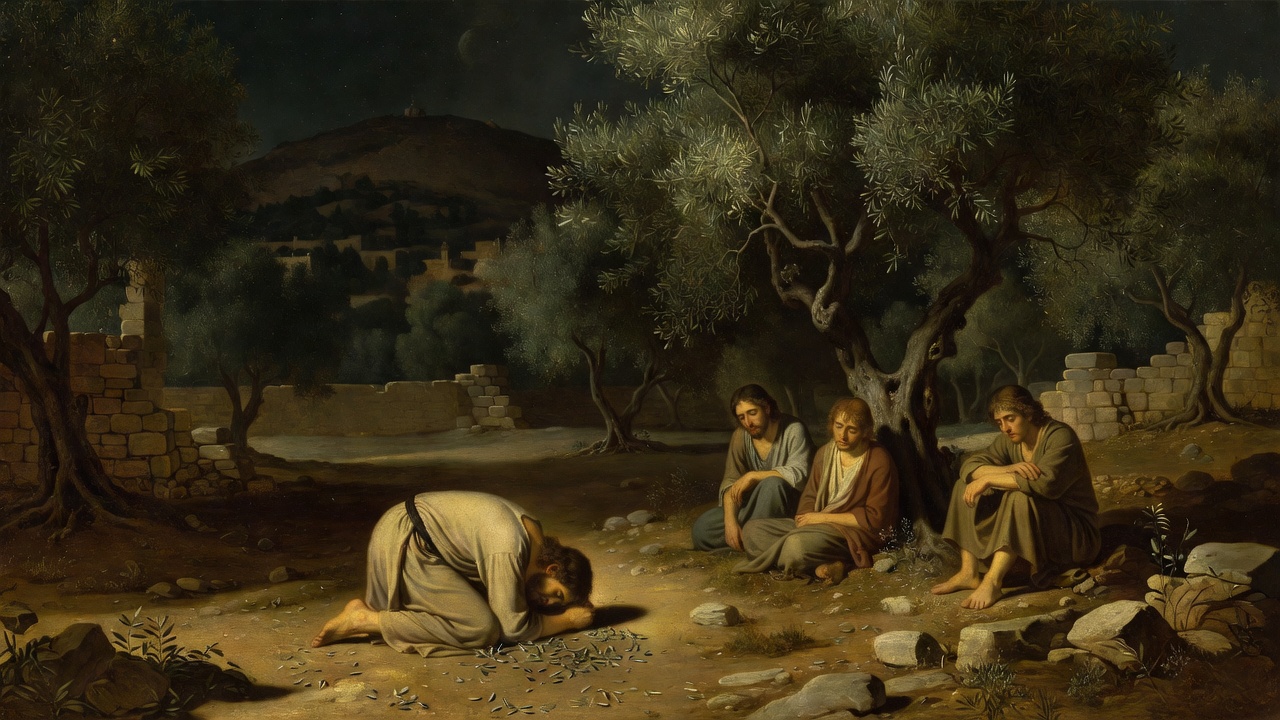
36Eyı tł'axǫǫ̀ Zezì edecheekeè xè Gethsemana gòyeh ts'ǫ̀ geède, gots'ǫ̀ hadı, “Jǫ naahɂı̨. Yahdaà nèehtła gà yahtı ha,” gòhdı. 37Peter eyıts'ǫ Zebedee weza nàke edexè goòwa. Sıì wegha dìì agòjà, hagòhdı, 38“Sıì segha dìì t'à ełaehwhı ha lanì. Jǫ sedaahkw'e, kexoahdı,” gòhdı.
39Įdaà gǫǫwà-lea nììtła, dèè k'e nàgòı̨hgè xè hadıì yahtı, “Setà, dìì-le nı̨dè dıı t'asìı wet'à dàıhɂaa sìı sets'ǫǫ̀ anele. Hanìkò sınì k'ę̀ę̀ welè-le; nınì k'ę̀ę̀ welè,” Zezì hadıì yaı̨htı.
40Yaı̨htı tł'axǫǫ̀ edecheekeè taı goghǫ nǫ̀ǫtła ekò geète nǫǫ̀. Peter ts'ǫ̀ hadı, “Įłè sadzea kò sexè ts'ıgoahdì ha dìì nì? 41Hołı̨ı̨ naxıdaèht'è ch'à edexoahdı xè yaahtı, hanì-ı̨dè hołı̨ı̨ naxıdaèht'è ha-le. Naxıts'ǫ ı̨nì ehkw'ı anıwǫ hanìkò wek'ę̀ę̀ aahda ha wèhoedı-le,” gòhdı.
42Zezì k'achı̨ yahtı ha ekǫ naèhtła, hadıì yahtı, “Setà, dıı wet'à daıhɂa ha sìı wedę adle ha dìì nı̨dè, nınì k'ę̀ę̀ welè,” Zezì hadıì yaı̨htı.
43Edecheekeè goghǫ nǫ̀ǫtła ekò sıì begeèxı̨ t'à k'achı̨ gete nǫǫ̀. 44K'achı̨ ı̨daà gǫǫwà-lea nììtła, taı t'à yaı̨htı, dàdı ı̨lèe sìı k'achı̨ hanaedı.
45Eyı tł'axǫǫ̀ decheekeè gots'ǫ̀ naèhtła, hagòhdı, “Įłaà wheahte nì aaht'e? Hòt'a Dǫ-wet'àaɂàa-deè sìı hołı̨ı̨-hogehtsı̨ı̨-dǫǫ̀ tł'aàgıhtè ha nìhǫǫwo. 46Nıàhdè, nats'ııdè. Amìı hołı̨ı̨-hogehtsı̨ı̨-dǫǫ̀ ghàsìhtè ha sìı jǫ nììtła,” Zezì gòhdı.
Zezì gį̀į̀hchì
47Įłaà Zezì edecheekeè gots'ǫ̀ gode et'ıì wecheekeè hoònǫ-daats'ǫ̀-nàke gots'ǫ ı̨łè, Zhıdàà wìyeh, eyı nììtła. Dǫ łǫ behcho eyıts'ǫ dechı̨ k'egelee wexè nègı̨ı̨de. Yahtıı-gha-k'aodèe eyıts'ǫ ǫhdah gı̨ı̨lı̨ı̨ sìı dǫ eyı ts'ǫ̀ gogı̨ı̨hɂà. 48Zhıdàà, Zezì k'aodèe gotł'aàhtè ha sìı, dǫ gıxè aget'ı̨ı̨ ts'ǫ̀ dıı hadı ı̨lè, “Dǫ wehts'į̀ı̨ sìı eyı wèahchı,” gòhdı ı̨lè. 49Zhıdàà ekòet'ıì Zezì ts'ǫ̀ èhtła gà yets'ǫ̀ hadı, “Sets'ǫ̀ K'àowo, nexè sìghà welè,” yèhdı gà yı̨ı̨ts'į̀.
50Zezì yets'ǫ̀ hadı, “Àgı̨ą, ayìı dànele gha anet'ı̨ı̨ sìı ı̨whąą̀ hanele,” yèhdı.
Eyıt'à dǫ hazǫǫ̀ Zezì gà nàgòı̨hwho, dagıachì gà negıìchì. 51Eyı hagòjà ekò Zezì wecheekeè ı̨łè behcho xàechì gà yahtıı-wet'àaɂàa-deè wecheekeè ı̨łè yedzeèbàa dachı̨ı̨hwho.
52Zezì yets'ǫ̀ hadı, “Nets'ǫ behcho deyìı naı̨chı. Amìı behcho t'à-at'ı̨ı̨ sìı behcho t'à ełaàwı ha hǫt'e. 53Setà weehkè nı̨dè ekòet'ıì yak'eet'ı̨į̀ ı̨łèakw'eènǫ-lemì sets'ǫ̀ ayele ha wek'èahsǫ-le nì? 54Eyı weehkè nı̨dè, Nǫ̀htsı̨ Nı̨htł'è k'e ayìı dek'eèhtł'èe sìı wek'ę̀ę̀ agode ha nıìle,” Zezì yèhdı.
55Eyı tł'axǫǫ̀ Zezì dǫ nègı̨ı̨dee sìı ts'ǫ̀ hadı, “Ayìıha behcho eyıts'ǫ dechı̨ sets'ǫ̀ k'eahłe? Ełets'egǫ gha aht'ı̨ dahwhǫ nì? Dzę taàt'eè Nǫ̀htsı̨kǫ̀-gocho gà dǫ hoghàehtǫ ı̨lè, hanìkò sèahchì-le ı̨lè. 56Hanìkò nakwenàoɂǫǫ gını̨htł'è k'ę̀ę̀ agode ha t'à dıı hagode ha t'ıį̀t'e,” gòhdı. Eyı tł'axǫǫ̀ wecheekeè hazǫǫ̀ gıts'ǫǫ̀ natı̨mǫgeèhde, eyıts'ǫ nakwı̨geède.
Zezì weghǫ nàyaetı
57Dǫ Zezì dagıachìı sìı yahtıı-wet'àaɂàa-deè, Caıaphas, wekǫ̀ ts'ǫ̀ geèhchì. Nǫ̀htsı̨-yatıì-k'ègedìı-dǫǫ̀ eyıts'ǫ ǫhdah gı̨ı̨lı̨ı̨ sìı ekǫ ełègı̨ı̨de. 58Peter ı̨dè sìghaı̨waà gok'èè etłe, yahtıı-wet'àaɂàa-deè wekǫ̀ gà kwekwı̨į̀ nawheɂa ts'ǫ̀ gok'èè nììtła. Ayìı dàgot'ı̨ yek'èezǫ ha nıwǫ t'à goyaèhtła gà enìı̨tǫ-k'ègedìı-dǫǫ̀ gogà dèhkwà.
59Yahtıı-gha-k'aodèe eyıts'ǫ k'aodèe yàgı̨ı̨lı̨ı̨ hazǫǫ̀ Zezì ełaàgıìhwhı ha gı̨ı̨wǫ. T'asìıjıı t'à Zezì k'e nìdahogeeɂà ha dǫ dageehke. 60Dǫ łǫ gonadąą̀ nègı̨ı̨de, gıghǫ hogets'ì kò t'asìı t'à gık'e nìdahogeeɂà ha gogį̀į̀hɂǫ-le.
Nǫǫde t'à dǫ nàke gogı̨ı̨de, hagedı, 61“Eyı dǫ dıı hadı ı̨lè, ‘Nǫ̀htsı̨kǫ̀-gocho wedıhohtsı̨ ha eyıts'ǫ taı dzęę̀ k'ehǫǫwo nı̨dè nagohtsı̨ ha,’ hadı ı̨lè,” gedı.
62Eyıt'à yahtıı-wet'àaɂàa-deè nıìtła gà Zezì ts'ǫ̀ hadı, “Dǫ neghǫ dàgedıı sìı wek'e xàyaı̨htı ha-le nì? Dǫ ayìı nek'e nìdahogeeɂàa sìı weghǫ dàı̨dı ha?” yèhdı. 63Hanìkò Zezì xàyaı̨htı-le.
Eyıt'à yahtıı-wet'àaɂàa-deè hayèhdı, “Nǫ̀htsı̨ edaa sìı wıızì dahxà gots'ǫ̀ ehkw'ı goı̨de. Nǫ̀htsı̨ Weza, Chrıst anet'e nı̨dè gots'ǫ̀ haı̨dı,” yèhdı.
64Zezì yets'ǫ̀ hadı, “Hęɂę, nı̨ haı̨dı ne. Įdaà nı̨dè Dǫ-wet'àaɂàa-deè Nǫ̀htsı̨ t'asìı wegha dìì-le sìı yegà nàgòts'ehnèe whedaa weahɂį̀ ha. Įdòo yak'e gots'ǫ k'oh xè nììtła ha,” yèhdı.
65Hadı t'à yahtıı-wet'àaɂàa-deè sıì wek'èch'a t'à edeɂeè tàı̨hdlà gà dǫ hazǫǫ̀ ts'ǫ̀ hadı, “Nǫ̀htsı̨ k'èch'a xàyaı̨htı hodeè! Hòt'a k'achı̨ dǫ gık'e nìdahogeeɂà-le kò. Naxı̨ xàè weyatıì ààhkw'o hǫt'e. 66Dànì wesınìyaahtı ha dahwhǫ?” gòhdı.
“Dàdıı sìı k'èxa ełaàwı ha hǫt'e,” gedı.
67Eyıt'à wınì k'e geezè eyıts'ǫ nàgeeht'ı. Dǫ mǫ̀hdaa nàgeekà xè 68hagıìhdı, “Chrıst, nakwenàoɂǫǫ anet'e nı̨dè amìı nànı̨ı̨ht'ıı sìı gots'ǫ̀ haı̨dı,” gıìhdı.
Peter Zezì k'èezǫ-le hadı
69Ekìıyeè k'e Peter eyı kǫ̀ gocho gà mǫ̀ht'a wheda ı̨lè. T'eekoa eyı eghàlaedaa sìı yegà nììtła hayèhdı, “Nı̨ sı Galılee got'ı̨į̀ Zezì xè anet'ı̨ ı̨lè,” yèhdı.
70Hanìkò dǫ hazǫǫ̀ gonadąą̀ hadı, “Į̀le, sı̨ aht'ı̨ nıìle. Ayìı ghǫ aı̨dıı sìı wek'èehsǫ-le,” yèhdı.
71Eyı tł'axǫǫ̀ xàgoòɂàa k'è gà nììtła. K'achı̨ t'eekoa eyıì-le ekǫ yaɂı̨ t'à dǫ eyı nàgeèhzaa sìı gots'ǫ̀ hadı, “Dıı dǫ, Nazareth got'ı̨į̀ Zezì xè at'ı̨ ı̨lè,” gòhdı.
72K'achı̨ yatı nàtsoo t'à Peter hadı, “Į̀le, sı̨ aht'ı̨ nıìle! Eyı dǫ wek'èehsǫ nıìle!” hadı.
73Whaà-lea tł'axǫǫ̀ dǫ mǫ̀hdaa eyı nàgeèhzaa sìı Peter ts'ǫ̀ geède, hagıìhdı, “Ehkw'ı t'à, wecheekeè ı̨łè anet'e ne, neyatıì ghàà wek'èts'eezǫ,” gıìhdı.
74Peter yatı nàtsoo t'à hadı, “Ehkw'ı aehsı̨-le nı̨dè wek'èxa segha hoìla welè. Eyı dǫ wek'èehsǫ nıìle!”
Hadı ts'ǫ̀et'ıì k'àba whezeh. 75Hanì et'ıì Peter, Zezì dàdı ı̨lèe sìı yenadì. “K'àbacho ezeh kwe, taà-eht'aà sek'èı̨zǫ-le nı̨ı̨dı ha,” yèhdı ı̨lè. Peter xàèhtła gà sıì ededzeè t'à ı̨tsè.
Did you know?
From the plot to the arrest
- The chief priests and elders assembled in the courtyard of Caiaphas to plan a secret arrest. Easton's Bible Dictionary (1897) identifies him as high priest from A.D. 27 to 36, throughout Pilate's administration, and as a Sadducee whose wife was the daughter of Annas, a former high priest. They agreed not to act during the feast, for fear of a riot among the people.Sources: Caiaphas · the Bible text itself
- The anointing took place in Bethany, a village on the southeastern slope of the Mount of Olives, about two miles east of Jerusalem on the road to Jericho; its name is linked to the palm trees that grew there. Jesus was in the home of Simon, a leper of Bethany, when a woman poured expensive perfume on his head as he reclined at the table.Sources: Bethany · Simon · the Bible text itself
- After they had sung a hymn, Jesus and the disciples went out to the Mount of Olives, a ridge east of Jerusalem, named for the olive trees on its slopes and separated from the city by the Kidron valley. Gethsemane, an olive-yard at the foot of that ridge, means “oil-press”; it was a place to which Jesus was accustomed to withdraw with his disciples.Sources: Gethsemane · Mount of Olives · the Bible text itself
Notes written with AI assistance from open sources (Theographic Bible Metadata, CC BY-SA 4.0; Easton’s Bible Dictionary, public domain) and reviewed before publishing.
Places in this chapter
- Mount of Olives · 31.778, 35.246 · verse 30
- Galilee · 32.760, 35.527 · verses 32, 69
- Gethsemane · 31.779, 35.239 · verse 36
- Nazareth · 32.702, 35.298 · verse 71
Only places identified with high confidence are shown (90% or more according to the scholarly sources compiled by OpenBible). Period map: DARE (Digital Atlas of the Roman Empire), CC BY 4.0; modern map: © OpenStreetMap contributors; places: OpenBible.info (CC BY 4.0).
Credits and license for this translation
Nǫ̀htsı̨̨ Nı̨̨htł'è
Dogrib: Dogrib Genesis & New Testament New Testament & Portions of Old Testament
copyright © 2009 Canadian Bible Society
Language: Dogrib
Translation by: Canadian Bible Society
Tłı̨chǫ Genesis and New Testament
About Tłı̨chǫ
Tłı̨chǫ (Dogrib) is a Na-Dene (Athabaskan) language. It is spoken by the First Nations Tłı̨chǫ people in the Northwest Territories in Canada. It has the largest number of speakers of any of the Aboriginal language communities in the NWT, and is one of the official languages of the Northwest Territories.
About This Translation
This translation includes the book of Genesis and the New Testament in Tłı̨chǫ. The first edition of the Tłı̨chǫ New Testament was published in 2003. It was a historic event, as it was the first time in more than a hundred years that a complete New Testament was published for one of the Dene First Nations in the Territories. The first edition was well received and quickly sold out. In the meantime the book of Genesis had been completed. Consequently, the 2008 reprint of the Tłı̨chǫ New Testament included Genesis.
Though this translation of the New Testament and Genesis took a total of ten years, the people who worked on it built on years of labor invested by the Tłı̨chǫ people, elders, priests and missionaries, translators, educators, and linguists. The material contained in this book was checked and approved by consultants from Wycliffe Bible Translators and the Canadian Bible Society.
If you are interested in obtaining a printed copy of this Bible, please contact the Canadian Bible Society at http://www.biblescanada.com .
Copyright Information
Dogrib Genesis and New Testament © 2003, 2008 Canadian Bible Society
The text of the Bible in Tłı̨chǫ that appears in this electronic format or website is for personal use only.
Up to five hundred (500) verses of the Bible text in any form (written, visual, electronic or audio) may be quoted without permission. The quoted verses may not be more than 50% of a complete book of the Bible, or more than 25% of the total text of the work in which they are quoted. Prior written permission must be obtained for any other use of the text. Copyright acknowledgement must in all cases appear on the title or copyright page.
For more information on copyright conditions or to apply, visit http://www.biblesociety.ca/copyright .
This translation is made available to you under the terms of the
Creative Commons Attribution-Noncommercial-No Derivatives license 4.0.
You may share and redistribute this Bible translation or extracts from it in any format, provided that:
You include the above copyright and source information.
You do not sell this work for a profit.
You do not change any of the words or punctuation of the Scriptures.
Pictures included with Scriptures and other documents on this site are licensed just for use with those Scriptures and documents.
For other uses, please contact the respective copyright owners.
2014-04-22
Source: http://ebible.org/dgrDOGNT/ · eBible.org