Matthew 2
Nǫ̀htsı̨̨ Nı̨̨htł'è · Tap a verse to see its cross-references.
K'àowo whǫ̀ k'èè gıadè
1Zezì kǫ̀ta Bethlehem wegǫ̀hłı̨ ekò Herod Judea nèk'e k'àowocho elı̨ ı̨lè. Zezì wegǫ̀hłı̨ tł'axǫǫ̀ nıwàa nèk'e gots'ǫ k'àowo Jerusalem nègı̨ı̨de. 2“Bebìa laedì?” gedı dǫ dageehke, “Eyı chekoa Israel got'ı̨į̀ gha k'àowocho elı̨ ha wegǫ̀hłı̨ı̨ sìı welaedì? Įdè gonèk'e wets'ǫ whǫ̀ ts'aɂı̨. Weghàsǫts'eedı ha jǫ nèts'ı̨ı̨de,” gedı.
3K'àowocho Herod yeghǫ ıìkw'o ekò sıì nànıwoò lajà eyıts'ǫ dǫ hazǫǫ̀ Jerusalem nàgedèe sìı dàhodıì-ahodı gı̨ı̨wǫ. 4Eyıt'à yahtıı-gha-k'aodèe gı̨ı̨lı̨ı̨ eyıts'ǫ Nǫ̀htsı̨-yatıì-k'ègedìı-dǫǫ̀ gokayaı̨htı. Dagoehke, “Dǫ edaxàgole ha, Chrıst wèts'edıı sìı, edı̨į̀ wegǫ̀hłı̨ ha dek'eèhtł'è?” gòhdı dagoehke.
5“Judea nèk'e kǫ̀ta Bethlehem gòyeh ekǫ wegǫ̀hłı̨ ha,” gıìhdı, “Nakwenàoɂǫǫ weghǫ dıı hanì gı̨ı̨tł'è ı̨lè: 6‘Judea nèk'e, kǫ̀ta Bethlehem gòyeh sìı ekǫ kǫ̀ta gòlaa hazǫǫ̀ nahk'e wet'àaɂà hǫt'e. Eyı kǫ̀ta gots'ǫ k'àowo nììtła ha. Ededı̨, Israel got'ı̨į̀ gha k'àowo elı̨ xè gok'èdì ha,’ dek'eèhtł'è,” k'àowocho Herod ts'ǫ̀ hagedı.
7Eyıt'à k'àowocho Herod eyı k'àowo taı nìı̨dee sìı whatsǫǫ̀ gots'ǫ̀ goı̨de. Dàht'e whǫ̀ gıaɂı̨ı̨ sìı sets'ǫ̀ hagııdì nıwǫ. 8Gots'ǫ̀ goı̨de tł'axǫǫ̀ Bethlehem ts'ǫ̀ nagoèhɂà, hadı, “Bebìa hotıì nezı̨į̀ wekak'eaht'į̀. Wegòahɂǫ ts'ǫ̀et'ıì sets'ǫ̀ haahdı nǫǫ̀. Sı̨ sı weghàsǫehdı gha wets'àhtła ha dehwhǫ,” gòhdı.
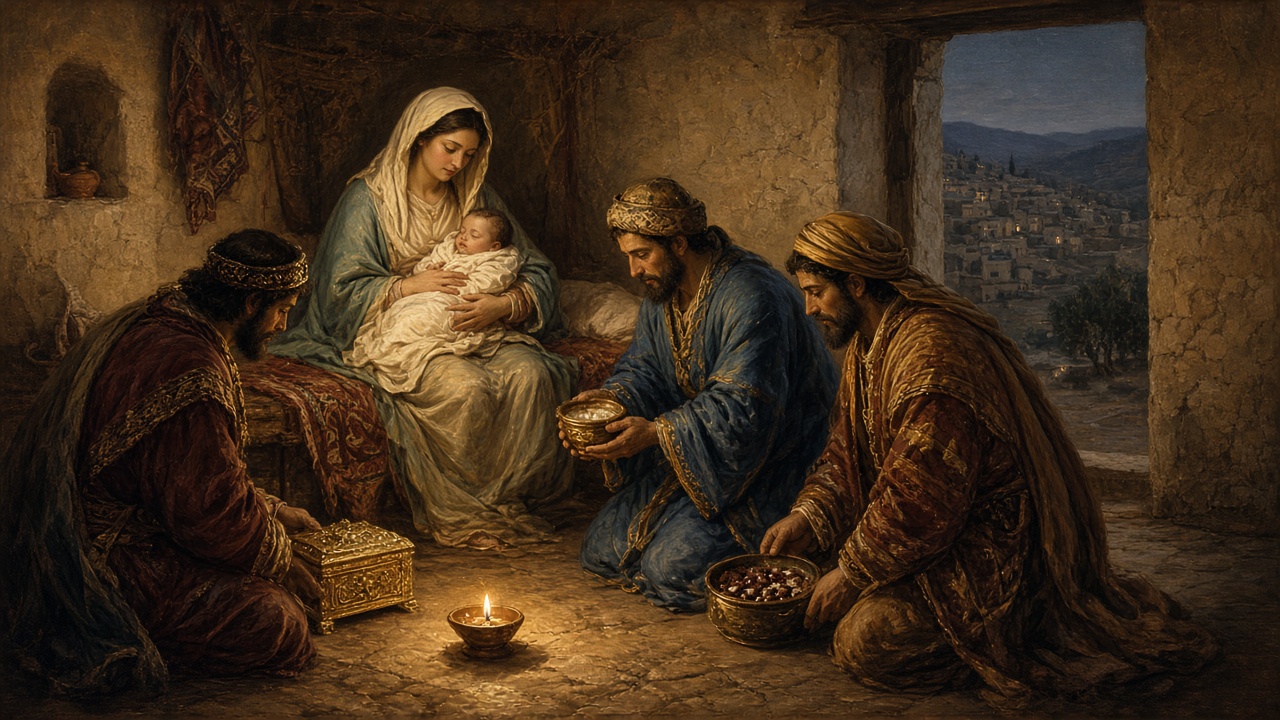
9K'àowo taı k'àowocho Herod gı̨į̀hkw'ǫ̀ tł'axǫǫ̀ ekǫ ts'ǫǫ̀ geède. Gınèk'e eyı whǫ̀ gıaɂı̨ ı̨lèe sìı k'achı̨ gıaɂı̨ t'à sıì gınà. Whǫ̀ gınakweè eɂa t'à gıadè. Edı̨į̀ bebìa whedaa sìı wegodoo nìı̨ɂǫ. 11Eyı kǫ̀ goyageède ekò, bebìa eyıts'ǫ wemǫ Mary gıaɂı̨. Bebìa gà nàgògı̨ı̨hgè xè gıghàsǫedı. Eyı tł'axǫǫ̀ sǫǫ̀mbaekwo, wet'à ło łekǫǫ dèk'ǫ̀ǫ eyıts'ǫ yìk'eetł'òo dètìı xàgı̨ı̨wa gà bebìa ghàgı̨ı̨la.
12Nageedè kwe nàgete; k'àowocho Herod ts'ǫ̀ anagede ha-le, eyı yatı gıghǫ̀t'ǫ. Eyıt'à tı̨lı eyıì-le k'e edenèk'e ts'ǫ̀ anagejà.
Egypt nèk'e ts'ǫ̀ kwı̨geèhde
13K'àowo taı nageèhde tł'axǫǫ̀ Joseph nàwhetı̨, yak'eet'ı̨į̀ wets'ǫ̀ wègoèht'į̀. Yak'eet'ı̨į̀ yets'ǫ̀ hadı, “Nıį̀tła! Bebìa, wemǫ xè Egypt nèk'e ts'ǫ̀ kwı̨ahdè. Nets'ǫ̀ haehsı̨ gots'ǫ̀ ekǫ nàahdè. K'àowocho Herod eyı bebìa ełaàhwhı ha nıwǫ t'à yehak'eèt'į̀,” yèhdı.
14Eyıt'à to et'ıì Joseph nıìtła. Bebìa eyıts'ǫ wemǫ xè Egypt nèk'e ts'ǫ̀ dèhtła. 15K'àowocho Herod ełaı̨wo ts'ǫ̀ ekǫ nàgı̨ı̨dè. Eyıt'à Nǫ̀htsı̨ dahxà nakwenàoɂǫǫ yeghǫ goı̨de ı̨lèe sìı wek'ę̀ę̀ agòjà. Dıı hagedı ı̨lè: “Egypt nèk'e gots'ǫ seza wekagohde,” hagedı dek'eèhtł'è.
16K'àowocho Herod eyı k'àowo taı gıghǫyaèhɂǫ yek'èhoèhzà ekò, sıì wek'èch'a. Eyıt'à dıı hanì yatı whehtsı̨: “Kǫ̀ta Bethlehem eyıts'ǫ wemǫǫ̀ kǫ̀ gòlaa ekǫ dǫzhìa nechà-lea hazǫǫ̀ ełaàgogìhde ha,” gòhdı. Eyıt'à dǫzhìa hazǫǫ̀ nàke gıghoò ts'ǫ ı̨zhıì ts'ǫ̀ ełaàgogį̀ı̨hdè. K'àowo taı whǫ̀ gıaɂı̨ gots'ǫ dǫzhìa gıgǫ̀hłı̨ı̨ gıdzęę̀ gıhtà weghàà ełaàgogį̀ı̨hdè. 17Eyı sìı nakwenàoɂǫǫ Jeremıah weyatıì k'ę̀ę̀ agode ha t'à agòjà, dıı hadı ı̨lè,
18“Kǫ̀ta Ramah gıxè hoìla nàhòwo. Sıì nànıgetì xè getse hǫt'e. Rachel wezaa gıwhìle t'à goghǫ etse, hanìkò dǫ wı̨ı̨zìı yeghǫnàdaetì ha nıwǫ-le,” Jeremıah hadı dek'eèhtł'è.
Kǫ̀ta Nazareth ts'ǫ̀ anagejà
19K'àowocho Herod ełaı̨wo tł'axǫǫ̀ Egypt nèk'e Joseph nàwhetı̨ t'à yak'eet'ı̨į̀ wets'ǫ̀ wègoèht'į̀. 20Yak'eet'ı̨į̀ yets'ǫ̀ hadı, “Nıį̀tła! Hòt'a chekoa, wemǫ xè Israel nèk'e ts'ǫ̀ anaąde. Dǫ bebìa weweè hagı̨ı̨wǫ ı̨lèe sìı hazǫǫ̀ ełaàgı̨ı̨dè,” yèhdı. 21Eyıt'à Joseph nıìtła, chekoa eyıts'ǫ wemǫ xè Israel nèk'e ts'ǫ̀ anajà.
22Ekìıyeè k'e Arkelayus, edetà Herod tł'axǫǫ̀ Judea nèk'e gha k'àowocho whelı̨. Joseph yeghǫ ıìkw'o ekò, ekǫ ts'ǫ̀ anade ha dejı̨ lajà. Nàte ekò ekǫ ts'ǫ̀ anade ha-le gha weghǫnatıet'ǫ t'à Galılee nèk'e ts'ǫ̀ ajà. 23Kǫ̀ta Nazareth ekǫ nàdè ajà. Eyı sìı nakwenàoɂǫǫ gıyatıì k'ę̀ę̀ agode ha t'à agòjà, dıı hagedı ı̨lè, “Nazareth got'ı̨į̀ wìyeh ha,” gedıì gı̨ı̨tł'è.
Did you know?
Magi, Herod, and Nazareth
- The King Herod of this chapter is Herod the Great. His son Archelaus, by Malthace, a Samaritan woman, inherited a third of the kingdom: Idumea, Judea, and Samaria. Until a few days before Herod's death another son, Antipas, had been named successor, but in his last moments Herod named Archelaus; for fear of him, Joseph turned aside from Judea and withdrew to Galilee.Sources: Archelaus · the Bible text itself
- Matthew links the deaths of the boys in Bethlehem to words spoken through the prophet Jeremiah: a voice in Ramah, Rachel weeping for her children. Rachel, one of Jacob's wives, died giving birth to Benjamin and was buried by the wayside on the road to Ephrath, that is Bethlehem, directly north of the town. Her sepulchre is regarded with great veneration by the Jews.Sources: the Bible text itself · Rachel · Bethlehem
- Bethlehem, in the hill country of Judah, was earlier called Ephrath and was also known as the city of David; under the Romans it lay in Judea, the southernmost of the three divisions of Palestine. Joseph and Mary went instead to Nazareth in Galilee, their home, a town not mentioned in the Old Testament. The name Nazareth is generally supposed to come from the Hebrew netser, a shoot or sprout, though some connect it with a word for guarding or watching.Sources: Bethlehem · Judea · Nazareth · the Bible text itself
Notes written with AI assistance from open sources (Theographic Bible Metadata, CC BY-SA 4.0; Easton’s Bible Dictionary, public domain) and reviewed before publishing.
Places in this chapter
- Bethlehem · 31.704, 35.208 · verses 1, 5, 6, 8, 9, 16
- East · Today: region around Amman · 31.955, 35.934 · verses 1, 2, 9
- Jerusalem · 31.777, 35.234 · verses 1, 3
- Judea · Today: Judea 1 · 31.777, 35.234 · verses 1, 5, 22
- Egypt · 30.129, 31.308 · verses 13, 14, 15, 19
- Galilee · 32.760, 35.527 · verse 22
- Nazareth · 32.702, 35.298 · verse 23
Only places identified with high confidence are shown (90% or more according to the scholarly sources compiled by OpenBible). Period map: DARE (Digital Atlas of the Roman Empire), CC BY 4.0; modern map: © OpenStreetMap contributors; places: OpenBible.info (CC BY 4.0).
Credits and license for this translation
Nǫ̀htsı̨̨ Nı̨̨htł'è
Dogrib: Dogrib Genesis & New Testament New Testament & Portions of Old Testament
copyright © 2009 Canadian Bible Society
Language: Dogrib
Translation by: Canadian Bible Society
Tłı̨chǫ Genesis and New Testament
About Tłı̨chǫ
Tłı̨chǫ (Dogrib) is a Na-Dene (Athabaskan) language. It is spoken by the First Nations Tłı̨chǫ people in the Northwest Territories in Canada. It has the largest number of speakers of any of the Aboriginal language communities in the NWT, and is one of the official languages of the Northwest Territories.
About This Translation
This translation includes the book of Genesis and the New Testament in Tłı̨chǫ. The first edition of the Tłı̨chǫ New Testament was published in 2003. It was a historic event, as it was the first time in more than a hundred years that a complete New Testament was published for one of the Dene First Nations in the Territories. The first edition was well received and quickly sold out. In the meantime the book of Genesis had been completed. Consequently, the 2008 reprint of the Tłı̨chǫ New Testament included Genesis.
Though this translation of the New Testament and Genesis took a total of ten years, the people who worked on it built on years of labor invested by the Tłı̨chǫ people, elders, priests and missionaries, translators, educators, and linguists. The material contained in this book was checked and approved by consultants from Wycliffe Bible Translators and the Canadian Bible Society.
If you are interested in obtaining a printed copy of this Bible, please contact the Canadian Bible Society at http://www.biblescanada.com .
Copyright Information
Dogrib Genesis and New Testament © 2003, 2008 Canadian Bible Society
The text of the Bible in Tłı̨chǫ that appears in this electronic format or website is for personal use only.
Up to five hundred (500) verses of the Bible text in any form (written, visual, electronic or audio) may be quoted without permission. The quoted verses may not be more than 50% of a complete book of the Bible, or more than 25% of the total text of the work in which they are quoted. Prior written permission must be obtained for any other use of the text. Copyright acknowledgement must in all cases appear on the title or copyright page.
For more information on copyright conditions or to apply, visit http://www.biblesociety.ca/copyright .
This translation is made available to you under the terms of the
Creative Commons Attribution-Noncommercial-No Derivatives license 4.0.
You may share and redistribute this Bible translation or extracts from it in any format, provided that:
You include the above copyright and source information.
You do not sell this work for a profit.
You do not change any of the words or punctuation of the Scriptures.
Pictures included with Scriptures and other documents on this site are licensed just for use with those Scriptures and documents.
For other uses, please contact the respective copyright owners.
2014-04-22
Source: http://ebible.org/dgrDOGNT/ · eBible.org