Luke 8
Nǫ̀htsı̨̨ Nı̨̨htł'è · Tap a verse to see its cross-references.
Wet'à t'asìı dehshee godıì
1Eyı tł'axǫǫ̀ Zezì kǫ̀ta yàgòlaa gota k'etło. Nǫ̀htsı̨ Wenàowoò wegodıì nezı̨ı̨ t'à dǫ hoghàehtǫ. Wecheekeè hoònǫ-daats'ǫ̀-nàke gıxè at'ı̨. 2Eyıts'ǫ ts'èko mǫ̀hdaa ı̨nìłı̨ı̨ eyıts'ǫ tàda t'à eyagı̨ı̨lè t'à k'aàt'ıì agejàa sìı goxè aget'ı̨. Ts'èko ı̨łè Mary wìyeh (Madlę̀ sı wìyeh) ı̨nìłı̨ı̨ łǫ̀hdı̨ wets'ǫǫ̀ xàèdee sìı eyı sı goxè at'ı̨. 3Dǫ Cuza wìyeh, k'àowocho Herod wekǫ̀ gogha k'àowo elı̨, eyı wets'èkeè Joanna eyı sı goxè at'ı̨. Ts'èko Susanna eyıts'ǫ eyıì-le ts'èko łǫ, t'asìı gıts'ǫ sìı t'à Zezì eyıts'ǫ wecheekeè ts'àgı̨ı̨dì.
4Kǫ̀ta hazǫǫ̀ yàgòlaa gots'ǫ dǫ łǫ Zezì ts'ǫ̀ ełègı̨ı̨de ekò Zezì nànıts'ewoo godıì t'à goxè godo, hadı, 5“Dǫ ı̨łè wet'à t'asìı dehshee dèè k'e nèyı̨ı̨la. Wet'à t'asìı dehshee dèè k'e ts'ǫ̀ yeehdè ekò mǫ̀hdaa tı̨lı k'e nàı̨tł'ı. Dǫ gık'e k'edè eyıts'ǫ chı̨ą sı gı̨ı̨ɂà. 6Wet'à t'asìı dehshee mǫ̀hdaa kwe ta nàı̨tł'ı. Xànı̨ı̨shǫ ekò tı whìle t'à whegǫǫ̀ ajà. 7Mǫ̀hdaa ı̨chį̀ghoò ta nàı̨tł'ı t'à ełexè dèhshǫ; ı̨chį̀ghoò yeɂǫ̀ǫ̀ nànı̨ı̨htso t'à ełaı̨dè. 8Hanìkò mǫ̀hdaa dèè nezı̨ı̨ k'e nàı̨tł'ı. Nezı̨į̀ dèhshǫ eyıts'ǫ t'aàtłǫ dèè k'e nàı̨tł'ıı sìı ı̨łèakw'eènǫ ts'ǫ̀ deɂǫ̀atłǫ xànı̨ı̨shǫ,” gòhdıì goxè godo.
Eyı tł'axǫǫ̀ Zezì dǫ ts'ǫ̀ hòtł'ò hadı, “Amìı wedzıì gǫ̀hłı̨ı̨ sìı eèhkw'ǫ welì,” gòhdı.
9Eyı tł'axǫǫ̀ Zezì wecheekeè dageehke, “Eyı godı sìı ayìı awį̀ı̨dı?” gıìhdı. 10Eyıt'à Zezì gots'ǫ̀ hadı, “Naxı̨ sìı Nǫ̀htsı̨ Wenàowoò k'ę̀ę̀ hòɂǫǫ k'èahsǫ ha naxıghàhòt'ǫ hǫt'e, hanìkò dǫ eyıì-le sìı godı t'à gıxè gohdo.
‘K'egeet'į̀ kò geɂį̀ ha-le eyıts'ǫ egeèhkw'ǫ kò dàhodıì-ahodıı sìı gınıedì ha-le.’
11“Eyı godı dàdıì-adıı sìı naxıts'ǫ̀ haehsı̨ ha: Eyı wet'à t'asìı dehshee sìı Nǫ̀htsı̨ weyatıì lanì hǫt'e. 12Wet'à t'asìı dehshee tı̨lı k'e nàı̨tł'ıı sìı dǫ Nǫ̀htsı̨ yatıì egıìkw'o lanì, hanìkò wehłı̨ı̨ sìı Nǫ̀htsı̨ yatıì gıdzeè yìı ajàa sìı goghǫ yìhchı. Eyıt'à ehkw'ı-ahodı gı̨ı̨wǫ-le xè edaxàgeedè ha-le. 13Dǫ mǫ̀hdaa sìı wet'à t'asìı dehshee kwe ta nàı̨tł'ı lagı̨ı̨t'e. Eyı yatı gıìkw'o ts'ǫ̀et'ıì sıì gınà xè gìhchı. Hanìkò gıghochı̨į̀ whìle t'à whaà-lea gots'ǫ̀ gıgha ehkw'ı-ahodı, eyıts'ǫ hoìla nèhòkw'ı nı̨dè gıghǫ nat'è. 14Dǫ mǫ̀hdaa sìı wet'à t'asìı dehshee ı̨chį̀ghoò ta nàı̨tł'ı lagı̨ı̨t'e. Godı gıìkw'o, hanìkò t'asìı łǫ ghǫ nànıgedè xè sǫǫ̀mba łǫ gı̨ı̨wǫ eyıts'ǫ sìgoèt'ı̨ gı̨ı̨wǫ t'à geèzhè-le. 15Ekò dǫ gıdzeè nezı̨ı̨ sìı wet'à-t'asìı-dehshee dèè nezı̨ı̨ k'e nàı̨tł'ı lagı̨ı̨t'e. Yatı gıìkw'o xè edegha yatı gìhchı eyıts'ǫ gıdeechı-le, eyıt'à t'asìı nezı̨ı̨ łǫ geehshe,” Zezì gòhdı.
Tłeèk'ǫ̀ǫ ı̨dòo dawheɂǫ
16“Dǫ wı̨ı̨zìı tłeèk'ǫ̀ǫ yìhtła gà tǫ tł'a nèyeechı nıìle, hanì-le-ı̨dè daèhte tł'a nèyeechı nıìle, hanìkò ı̨dòo dawheɂǫǫ̀ ayehɂı̨. Hanì-ı̨dè dǫ goyageedèe sìı wet'à gıgha dzęh ha. 17T'asìı deɂı̨į̀ wheɂǫǫ sìı ts'ǫwheɂǫǫ̀ ade ha eyıts'ǫ dǫ naàhtǫ dàts'et'ı̨ı̨ sìı wègoèt'į̀ ha. 18Eyıt'à hotıì nezı̨į̀ aàhkw'o. Amìı t'asìı łǫ wets'ǫ sìı eyı weɂǫ̀atłǫ weghàzhe ha. Hanìkò amìı t'asìı wets'ǫ-le sìı t'asìı łǫ-lea wets'ǫ sìı eyı kò weghǫ ìchı ha hǫt'e,” Zezì gòhdı.
Zezì wemǫ eyıts'ǫ wechıke
19Zezì wemǫ eyıts'ǫ wechı gıts'àwhede, hanìkò dǫ łǫ t'à wets'ǫ̀ nıwà-le agede ha dìì. 20Dǫ ı̨łè Zezì ts'ǫ̀ hadı, “Nemǫ eyıts'ǫ nechı mǫ̀ht'a nàgeèhza, negeɂį̀ ha gı̨ı̨wǫ,” yèhdı.
21Zezì yets'ǫ̀ hadı, “Amìı Nǫ̀htsı̨ yatıì egıìkw'oo xè gık'ę̀ę̀ edaa sìı semǫ eyıts'ǫ sechı lagı̨ı̨t'e,” yèhdı.
Zezì nı̨hts'ı whìle ayį̀į̀là
22Įłàà Zezì edecheekeè ts'ǫ̀ hadı, “Įnǫ̀ǫ̀ nats'ııɂè.” Eyıt'à elà yìı gı̨ı̨de gà nageèɂe. 23Ekǫ gıaɂò ekò Zezì dètı̨. Hǫtsaa gıxè nı̨hts'ı nàtsoo hoòwo eyıts'ǫ elà yìı tı łǫ ajà, eyıt'à sıì gıxè hoejı̨į̀ agòjà.
24Zezì wecheekeè ts'ıgį̀ı̨hwho, hagıìhdı, “K'àowo, K'àowo, tı t'à ełaàts'ede ha nìkw'o.”
Zezì nıìtła gà nı̨hts'ı eyıts'ǫ taatı̨į̀ ts'ǫ̀ gode hadı, “Ts'èwhı̨į̀ aahde!” gòhdı. Eyıt'à nı̨hts'ı whìle agòjà eyıts'ǫ tı sı nàeda-le ajà. Hazǫǫ̀ gımǫǫ̀ goòɂàa ts'ǫ̀ ts'èwhı̨į̀ agòjà. 25“Dànìghǫ Nǫ̀htsı̨ ghǫ naxınì nàtso-le?” Zezì edecheekeè gòhdı.
Gıgha enıìyah xè geèhyeh t'à ełets'ǫ̀ hagedı, “Dıı amìı ne? Nı̨hts'ı eyıts'ǫ taatı̨į̀ kò gık'į̀ı̨t'e,” gedı.
Dǫ ı̨nìłı̨ı̨ wets'ǫ̀-èlı̨ı̨ sìı k'aàt'ıì ajà
26Zezì eyıts'ǫ wecheekeè Gerasene nèk'e ts'ǫ̀ geèɂe. Galılee nèk'e gotadà agǫ̀ht'e. 27Zezì tàèhtła ekò eyı kǫ̀ta gots'ǫ dǫ ı̨nìłı̨ı̨ łǫ wets'ǫ̀-èlı̨ yeghǫ nììtła. Eyı dǫ whaà gots'ǫ goht'ǫ yìı̨dà-le eyıts'ǫ kǫ̀ goyìı nàı̨dè-le, kwe yìı dǫkw'ǫǫ̀ whelaa ta nàdè. 28Zezì eɂı̨ ekò hòtł'ò whezeh gà yekè gà nàgòı̨hgè, ezeh xè hadı, “Zezì, Nǫ̀htsı̨ wenahk'e gǫ̀hłı̨-le Weza, ayìıha sek'alaąwo. Hoìla ası̨ı̨le-le neghǫnàdaehtì,” yèhdı. 29Zezì dǫ yìı gots'ǫ ı̨nìłı̨ı̨ xàyeèhɂà t'à adı. Įnę̀ę ı̨nìłı̨ı̨ goı̨tłǫ yek'alaı̨wo. Hat'ı̨ taàt'eè eyı dǫ wılà eyıts'ǫ wekechı̨į̀ satsǫ̀tł'ıì t'à deetł'ı̨į̀ agehɂı̨ ı̨lè. Dǫ gıxoehdı kò satsǫ̀tł'ıì tàyeehdlà gà ı̨nìłı̨ı̨ gowhatsǫǫ̀ gòɂǫǫ ts'ǫ̀ nadeyeezhı.
30Zezì dayeehke, “Dànìyeh?”
Dǫ yets'ǫ̀ hadı, “ ‘Łǫ’ sìyeh!” yèhdı. Įnìłı̨ı̨ łǫ wets'ǫ̀-èlı̨ ts'ıhɂǫ̀ adı. 31Įnìłı̨ı̨ k'èdaà Zezì ghǫnàdageetì, edı̨į̀ ı̨nìłı̨ı̨ dagı̨ı̨ɂaa sìı ts'ǫ̀ agole ha gı̨ı̨wǫ-le t'à.
32Ekìıyeè k'e shìhka gogòò łǫ shègezhe ı̨lè. Zezì ı̨nìłı̨ı̨ gogòò yìı agole ha Zezì ghǫnàdageetì. Eyıt'à gogòò yìı gı̨ı̨deè agǫ̀ǫ̀là. 33Įnìłı̨ı̨ dǫ yìı gots'ǫ xàgı̨ı̨de gà gogòò yìı gı̨ı̨de. Gogòò hazǫǫ̀ shìh dagǫǫwà gots'ǫ ı̨zhıì hodàgoòɂa ts'ǫ̀ łegeèhza t'à tı yìı ełaàgı̨ı̨dè.
34Dǫ gogòò k'ègedìı sìı hagòjà gıaɂı̨ t'à natı̨mǫgeèhde. Gıxè dàgòjàa sìı kǫ̀ta yàgòlaa hazǫǫ̀ dǫ ts'ǫ̀ hagedı. 35Dǫ hazǫǫ̀ ekǫ dàgòjàa sìı geɂį̀ ha gı̨ı̨wǫ t'à ekǫ geède. Zezì ghǫnègı̨ı̨de ekò eyı dǫ ı̨nìłı̨ı̨ weyìı gots'ǫ xàèdee sìı Zezì gà wheda gıaɂı̨. Goht'ǫ yìı wheda xè wınì k'aàt'ıì ajà, eyıt'à dǫ hazǫǫ̀ geèhyeh. 36Dǫ ı̨nìłı̨ı̨ wets'ǫ̀-èlı̨ı̨ sìı dànì dǫ gınadąą̀ k'aàt'ıì ajàa sìı eyı godı t'à dǫ hazǫǫ̀ xè gogıado. 37Ekǫ Gerasene nèk'e gots'ǫ dǫ hazǫǫ̀ sıì geèhyeh t'à Zezì gots'ǫǫ̀ awede gıìhdı. Eyıt'à Zezì wecheekeè nàgedè, elà yìı nagı̨ı̨de.
38Dǫ ı̨nìłı̨ı̨ wets'ǫǫ̀ xàèdee sìı Zezì ghǫnàdaetì, hadı, “Nexè awehde,” yèhdı. Hanìkò Zezì ek'èt'à nayeèhɂà, hayèhdı, 39“Nekǫ̀ ts'ǫ̀ anaąde. Nǫ̀htsı̨ ayìı negha dàyį̀į̀làa sìı eyı hazǫǫ̀ t'à dǫ xè goı̨do,” yèhdı. Eyıt'à eyı dǫ kǫ̀ta ts'ǫ̀ naèhtła, dànì Zezì yets'àı̨dıı sìı yet'à dǫ hazǫǫ̀ xè godo.
T'eekoa ełaı̨woo eyıts'ǫ ts'èko eyaelı̨ı̨
40Zezì tı te nǫǫ̀geèɂe ekò dǫ łǫ gıdanaèhɂı̨ ı̨lè t'à, gınà xè gıts'ǫ̀-ède. 41Dǫ ı̨łè Jaırus wìyeh, ełègehdèe-kǫ̀ gha k'àowo elı̨, Zezì gà nììtła, yekè gà nàgòı̨hgè. Wetì ı̨łàet'ea hoònǫ-daats'ǫ̀-nàke weghoò ełaàdaawı t'à, Zezì yekǫ̀ naetła ha yeghǫnàdaetì.
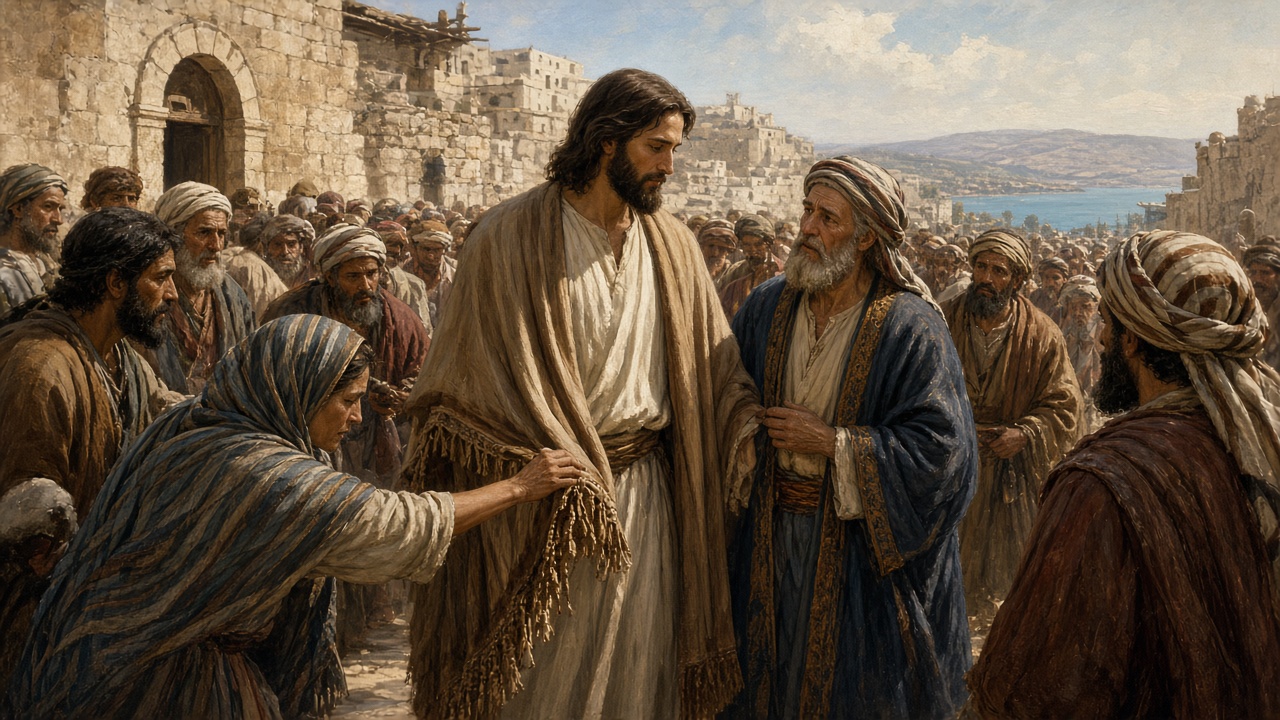
Zezì ekǫ naetłe ekò wemǫǫ̀ sıì dǫ łǫ t'à k'àhdzǫ ełègį̀ı̨htso-t'e. 43Ts'èko ı̨łè goxè at'ı̨ı̨ sìı hoònǫ-daats'ǫ̀-nàke xo haı̨wa gots'ǫ edoò weɂǫ̀-at'ı̨ t'à eyaelı̨, hanìkò dǫ wı̨ı̨zìı k'aàt'ıì ayele ha dìì. 44Zezì chį̀ht'a nììtła xè yeɂeè welǫ daachì. Ekòet'ıì wedoò whìle ajà.
45Zezì hadı, “Amìı daseachì?” Dǫ gımǫǫ̀ nàgeèhzaa sìı “Danets'aachì-le,” gıìhdı. Peter hayèhdı, “Sets'ǫ̀ K'àowo, dǫ łǫ nemǫǫ̀ nàgeèhza xè nek'e ts'ǫ̀ ełegeehtsı,” yèhdı.
46Hanìkò Zezì hadı, “Dasets'aachì wek'èehsǫ ne, t'asìı nàtsoo seyìı gots'ǫ xànıwo ne t'à,” yèhdı.
47Eyı ts'èko ajàa sìı wegòt'à ha yek'èezǫ t'à dejı̨ xè Zezì gà nàgoį̀hgè. Dànìghǫ yeɂeè daachì eyıts'ǫ dànì ekòet'ıì yet'à k'aàt'ıì ajàa sìı dǫ hazǫǫ̀ gıdaà Zezì ts'ǫ̀ hadı. 48Zezì yets'ǫ̀ hadı, “Ts'èko, negha ehkw'ı-ahodı t'à k'aàt'ıì anejà. Naı̨tłe, nexè sìghà welè,” yèhdı.
49Įłaà Zezì gode ekò Jaırus ełègehdèe-kǫ̀ gha k'àowo sìı wekǫ̀ gots'ǫ dǫ eyı nììtła. Jaırus ts'ǫ̀ hadı, “Netì ełaı̨wo. Gots'ǫ̀ K'àowo nekǫ̀ nàwetła-le kò,” yèhdı.
50Zezì dǫ hadıì yıìkw'o ekò Jaırus ts'ǫ̀ hadı, “Nı̨ı̨jı̨-le! Negha ehkw'ı-ahodı zǫ welè, hanì-ı̨dè netì k'aàt'ıì ade ha,” yèhdı.
51Zezì Jaırus wekǫ̀ nègı̨ı̨de ekò dǫ wı̨ı̨zìı edexè ayį̀į̀là-le; wecheekeè Peter, John, James, eyıts'ǫ t'eekoa wetà eyıts'ǫ wemǫ eyı haàtłǫǫ zǫ yexè goyageèdeè agǫ̀ǫ̀là. 52Zezì goyaèhtła ekò dǫ łǫ t'eekoa ghǫ hòtł'ò getse. Zezì gots'ǫ̀ hadı, “Aahtse-le! Ełaı̨wo nıìle, ekìı whetı̨ hǫt'e,” gòhdı.
53T'eekoa hòt'a ełaı̨wo gık'èezǫ t'à dǫ gıghaedlò. 54Hanìkò Zezì t'eekoa wılà nıìchì gà yets'ǫ̀ hadı, “T'eekoa nıį̀tła!” yèhdı. 55Eyı t'eekoa edaà anajà, ekòet'ıì nıìtła. Eyı tł'axǫǫ̀ Zezì hadı, “Yeghǫ shètı̨ weghàahdı,” gòhdı. 56Wetà eyıts'ǫ wemǫ gıgha enıìyah dìì. Hanìkò Zezì gots'ǫ̀ hadı, “Naxıxè dàgòjàa sìı dǫ wı̨ı̨zìı ts'ǫ̀ haahdı-le,” gòhdı.
Did you know?
Good news on the Galilean road
- As Jesus went from town to town, some women traveled with him and the Twelve and supported them from their own means. Mary is called Magdalene from Magdala, her birthplace, to distinguish her from the other Marys; a reference work calls it a mistake to identify her with the woman described as a sinner in the previous story. Joanna was the wife of Chuza, steward of Herod Antipas, tetrarch of Galilee, and Susanna, whose name means lily, is named among them.Sources: Mary Magdalene · Joanna · Susanna · the Bible text itself
- Peter, James, and John, who appear with Jesus in this chapter, were fishermen on the Sea of Galilee. Peter's hometown, Bethsaida, lay on its western coast, where he was trained as a fisher; James, son of Zebedee and one of the Twelve, worked in partnership with him, and his brother John followed the same trade on the lake.Sources: Simon Peter · James (Son of Zebedee) · John the Apostle · the Bible text itself
- Jairus, who pleaded with Jesus to come because his only daughter was dying, is identified as a ruler of the synagogue at Capernaum. In the house, only Peter, James, and John were allowed to enter with the child's father and mother; after the girl got up, Jesus directed that she be given something to eat.Sources: Jairus · the Bible text itself
Notes written with AI assistance from open sources (Theographic Bible Metadata, CC BY-SA 4.0; Easton’s Bible Dictionary, public domain) and reviewed before publishing.
Places in this chapter
Only places identified with high confidence are shown (90% or more according to the scholarly sources compiled by OpenBible). Period map: DARE (Digital Atlas of the Roman Empire), CC BY 4.0; modern map: © OpenStreetMap contributors; places: OpenBible.info (CC BY 4.0).
Credits and license for this translation
Nǫ̀htsı̨̨ Nı̨̨htł'è
Dogrib: Dogrib Genesis & New Testament New Testament & Portions of Old Testament
copyright © 2009 Canadian Bible Society
Language: Dogrib
Translation by: Canadian Bible Society
Tłı̨chǫ Genesis and New Testament
About Tłı̨chǫ
Tłı̨chǫ (Dogrib) is a Na-Dene (Athabaskan) language. It is spoken by the First Nations Tłı̨chǫ people in the Northwest Territories in Canada. It has the largest number of speakers of any of the Aboriginal language communities in the NWT, and is one of the official languages of the Northwest Territories.
About This Translation
This translation includes the book of Genesis and the New Testament in Tłı̨chǫ. The first edition of the Tłı̨chǫ New Testament was published in 2003. It was a historic event, as it was the first time in more than a hundred years that a complete New Testament was published for one of the Dene First Nations in the Territories. The first edition was well received and quickly sold out. In the meantime the book of Genesis had been completed. Consequently, the 2008 reprint of the Tłı̨chǫ New Testament included Genesis.
Though this translation of the New Testament and Genesis took a total of ten years, the people who worked on it built on years of labor invested by the Tłı̨chǫ people, elders, priests and missionaries, translators, educators, and linguists. The material contained in this book was checked and approved by consultants from Wycliffe Bible Translators and the Canadian Bible Society.
If you are interested in obtaining a printed copy of this Bible, please contact the Canadian Bible Society at http://www.biblescanada.com .
Copyright Information
Dogrib Genesis and New Testament © 2003, 2008 Canadian Bible Society
The text of the Bible in Tłı̨chǫ that appears in this electronic format or website is for personal use only.
Up to five hundred (500) verses of the Bible text in any form (written, visual, electronic or audio) may be quoted without permission. The quoted verses may not be more than 50% of a complete book of the Bible, or more than 25% of the total text of the work in which they are quoted. Prior written permission must be obtained for any other use of the text. Copyright acknowledgement must in all cases appear on the title or copyright page.
For more information on copyright conditions or to apply, visit http://www.biblesociety.ca/copyright .
This translation is made available to you under the terms of the
Creative Commons Attribution-Noncommercial-No Derivatives license 4.0.
You may share and redistribute this Bible translation or extracts from it in any format, provided that:
You include the above copyright and source information.
You do not sell this work for a profit.
You do not change any of the words or punctuation of the Scriptures.
Pictures included with Scriptures and other documents on this site are licensed just for use with those Scriptures and documents.
For other uses, please contact the respective copyright owners.
2014-04-22
Source: http://ebible.org/dgrDOGNT/ · eBible.org