Luke 16
Nǫ̀htsı̨̨ Nı̨̨htł'è · Tap a verse to see its cross-references.
Dǫ edegha gǫǫzǫǫ̀ k'ehoɂa wegodıì
1Zezì edecheekeè xè godo, hadı, “Dǫ ahxee ı̨łè t'asìı hazǫǫ̀ wets'ǫ sìı wecheekeè ı̨łè yegha yek'èdì. Hanìkò eyı wecheekeè nezı̨į̀ t'asìı k'èdì-le gıìhdı. 2Eyıt'à k'àowo edecheekeè kayaı̨htı gà yets'ǫ̀ hadı, ‘Neghǫ godı nezı̨-le eèhkw'o. Hòt'a segha eghàlaı̨da ha-le t'à, t'asìı hazǫǫ̀ netł'aà whelaa sìı dek'enìı̨tł'è,’ yèhdı.
3“Eyıt'à wecheekeè hanıwǫ, ‘Sets'ǫ̀ k'àowo seghǫ la naìchı ha t'à edı̨į̀ dàhdza lì? Dèè xàgohge ha nàhtso-le, eyıts'ǫ dǫ t'asìı geehkè ha sìı ghǫ į̀į̀zhaehłı̨. 4Ayìı dàhłe ha wek'èehsǫ: dǫ gıgha nezı̨į̀ k'ehoehɂa ha. Jǫ seghǫ la ìchì nı̨dè dǫ edekǫ̀ gıxè nàhdè asegele ha,’ edets'ǫ̀ hanıwǫ.
5“Eyıt'à wets'ǫ̀ k'àowo ts'ǫ̀ gını̨htł'è gǫ̀hłı̨ı̨ sìı gokayaı̨htı. Dǫ t'akwełǫ̀ǫ̀ ts'ǫ̀ hadı, ‘Sets'ǫ̀ k'àowo ts'ǫ̀ nenı̨htł'è dàtłǫ?’ yèhdı.
6“ ‘Tłeh ek'èdı̨akw'eènǫ-lemì lìgalǫ̀ senı̨htł'è,’ yèhdı.
“K'àowo wecheekeè yets'ǫ̀ hadı, ‘Įwhąą̀ jǫ nenı̨htł'è k'e dı̨akw'eènǫ dek'enìı̨tł'è,’ yèhdı.
7“Eyıts'ǫ dǫ yek'èè nììtłaa sìı ts'ǫ̀ hadı, ‘Nenı̨htł'è dàtłǫ?’ yèhdı.
“ ‘Łè nàkeakw'eènǫ aı̨hda senı̨htł'è,’ yèhdı.
“K'àowo wecheekeè yets'ǫ̀ hadı, ‘Nenı̨htł'è nı̨į̀ɂa gà ı̨łèakw'eènǫ-daats'ǫ̀-ek'ètaènǫ aı̨hda dek'enìı̨tł'è,’ yèhdı.
8“K'àowo, wecheekeè hanì edegha gǫǫzǫǫ̀ k'ehoɂa t'à yeghǫ nezı̨į̀ xàyaı̨htı. Dǫ Nǫ̀htsı̨ k'ègeezǫ-le sìı edexèht'eè dǫ xè nezı̨į̀ eghàlageeda gha gogı̨ı̨zǫ. Hanì ełexè eghàlageeda t'à, dǫ gıxè dzęh agǫ̀ht'ee sìı nahk'e gogı̨ı̨zǫ,” hadı. 9Eyıt'à dıı hanaxèehsı̨, dıı nèk'e t'asìı naxıts'ǫ sìı wet'à edeàgı̨ą aahtsı̨. Hanì-ı̨dè t'asìı naxıghǫ whìle agòjà nı̨dè, welǫ whìle ts'ǫ̀ dǫ nàdèe sìı goyaahdè anaxegele ha.
10“Amìı t'asìı łǫ-lea kò yet'à ehkw'ı eghàlaedaa sìı t'asìı łǫ sı t'à ehkw'ı eghàlaeda ha hǫt'e. Ekò amìı t'asìı łǫ-le t'à ehkw'ı eghàlaeda-le nı̨dè t'asìı łǫ sı t'à ehkw'ı eghàlaeda ha nıìle. 11Dıı nèk'e t'asìı whelaa sìı wet'à ehkw'ı eghàlaahda-le nı̨dè amìı yak'e ts'ǫǫ̀hk'e t'asìı weghàlaahda naxèhdı ha welì? 12Eyıts'ǫ dǫ gıts'ǫ t'asìı t'à ehkw'ı eghàlaahda-le nı̨dè, amìı t'asìı xàè naxıts'ǫ-elı̨ gha t'asìı naxıghàyeɂà ha welì?
13“Dǫ wı̨ı̨zìı k'àowo nàke gha eghàlaeda ha dìì. K'àowo ı̨łè ghǫneètǫ ha eyıts'ǫ ı̨łè nèlı̨ ha-le, eyıts'ǫ k'àowo ı̨łè k'èı̨t'e ha eyıts'ǫ ı̨łè k'èı̨t'e ha-le. Nǫ̀htsı̨ eyıts'ǫ Sǫǫ̀mba į̀łah ełèht'eè gıgha eghàlats'eeda ha dìì hǫt'e,” Zezì hadı.
14Pharısees ededı̨ sǫǫ̀mba ghageewı t'à Zezì hadı gıìkw'o ekò Zezì k'èch'a agedı. 15Eyıt'à Zezì gots'ǫ̀ hadı, “Naxı̨ sìı dǫ gıdaà ehkw'ı k'ehoahɂa, hanìkò Nǫ̀htsı̨ naxıdzeè k'èezǫ hǫt'e. Dǫ ayìı gıgha deɂǫ̀ǫ̀ wet'àaɂàa sìı Nǫ̀htsı̨ wegha wet'àaɂà nıìle.
Moses wenàowoò eyıts'ǫ Nǫ̀htsı̨ Wenàowoò k'ę̀ę̀ hòɂǫǫ
16“John-Baptıst nììtła haı̨wa gots'ǫ̀ Moses wenàowoò eyıts'ǫ nakwenàoɂǫǫ gıyatıì t'à dǫ hoghàgogeètǫ ı̨lè. Ekò gots'ǫ Nǫ̀htsı̨ Wenàowoò k'ę̀ę̀ hòɂǫǫ wegodıì nezı̨ı̨ t'à dǫ ts'ǫ̀ gogı̨ı̨de. Eyıt'à dǫ hazǫǫ̀ sexè welè gı̨ı̨wǫ t'à Nǫ̀htsı̨ Wenàowoò k'ę̀ę̀ hòɂǫǫ goyageedè ha nàhogehdè. 17Moses wenàowoò wedę adle ha nıìle. Yak'e eyıts'ǫ dıı nèk'e whìle agòjà kò Moses weyatıì nechà-lea ı̨łàet'ee kò whìle ade ha nıìle.
18“Dǫzhìı edets'èkeè ɂǫ̀ede gà ts'èko eyıì-le xè honǫ̀ǫdza nı̨dè hołı̨ı̨ hoehtsı̨ hǫt'e. Eyıts'ǫ dǫzhìı ts'èko ɂǫ̀weèdoo sìı xè honìdza nı̨dè hołı̨ı̨ hoehtsı̨ hǫt'e,” Zezì gòhdı.
Dǫ ahxee eyıts'ǫ dǫ eteèt'ı̨ı̨ gıgodıì
19Zezì dǫ xè godo, hadı, “Įłàà dǫ ahxee ı̨łè, dzę taàt'eè goht'ǫ wèdaat'ı̨ı̨ yìı wheda xè hoı̨zı̨ zǫ nàde ı̨lè. 20Wekǫ̀ gotı̨ı̨dà gà dǫ eteèt'ı̨ı̨ Lazarus wìyeh t'aats'ǫǫ̀ eyı nègıhtè. Wekwǫ̀ta hazǫǫ̀ wekaà łǫ t'à sıì eteèt'ı̨. Eyıts'ǫ yeghǫ shètı̨ ha nàdaetì. 21Dǫ ahxee weladà gots'ǫ t'asìı gwìa hodàetł'ìı sìı yeɂà ha nıwǫ eyıts'ǫ tłı̨ wekaà k'e gogeht'ò.
22“Įłè dzęę̀ eyı dǫ eteèt'ı̨ı̨ ełaı̨wo, yak'eet'ı̨į̀ nıgı̨į̀htı̨ gà Abraham ts'ǫ̀ nègı̨ı̨htı̨. Dǫ ahxee ededı̨ sı ełaı̨wo t'à wekw'ǫǫ̀ nègı̨į̀tǫ. 23Eyı dǫ wehłı̨kǫ̀ daı̨ɂà ekò ı̨dòo k'eet'į̀. Abraham nıwà wegha wègaat'ı̨, eyıts'ǫ Lazarus yegà whedaa wegha wègoèht'į̀. 24Eyı dǫ Abraham ts'ǫ̀ ezeh hadı, ‘Setà Abraham, etesenèeɂı̨. Lazarus sets'ǫ̀ awı̨ı̨le, edelakw'ǫǫ̀ tı ta ayııle gà sewalıì whek'ò ayııle. Jǫ kǫ̀ nàtsoo t'à sıì daıhɂa dìì,’ yèhdı.
25“Hanìkò Abraham yets'ǫ̀ hadı, ‘Ekò seza, dıı nèk'e nàądè ekò t'asìı nezı̨ı̨ zǫ t'à ı̨da ı̨lè; ekò Lazarus t'aa wexè hoìla zǫ ı̨lè. Dıì Lazarus wexè hoı̨zı̨į̀ agòjà, ekò nı̨ sìı nexè hoìla hǫt'e. 26Eyıts'ǫ nets'ǫ̀ dèè goge goı̨chàa gòɂǫ. Jǫ gots'ǫ dǫ nets'ǫ̀ łatageedè ha gı̨ı̨wǫ kò hagede ha dìì. Eyıt'à ekǫ gots'ǫ dǫ gots'ǫ̀ łatageedè ha dìì,’ Abraham yèhdı.
27“Eyı dǫ daı̨ɂaa sìı Abraham ghǫnàdaetì, hadı, ‘Hanì-ı̨dè Lazarus setà wekǫ̀ ts'ǫ̀ wı̨ı̨hɂa. 28Sechı sı̨làı geeda hǫt'e, Lazarus gots'ǫ̀ godeè awı̨ı̨le, hanì-ı̨dè jǫ dǫ daı̨ɂaa k'è gòɂǫǫ sìı ts'ǫ̀ agede ha-le t'à,’ yèhdı.
29“Abraham yets'ǫ̀ hadı, ‘Moses wenı̨htł'è eyıts'ǫ nakwenàoɂǫǫ gını̨htł'è xàgeèhła ne. Eyı gıyatıì k'èagııt'è,’ yèhdı.
30“Hanìkò Abraham ts'ǫ̀ hadı, ‘Į̀le setà, hanì ha dìì, hanìkò dǫ ełaı̨wo gots'ǫ naìdàa sìı gots'ǫ̀ gode nı̨dè gık'èı̨t'e ha ne,’ yèhdı.
31“Abraham yets'ǫ̀ hadı, ‘Moses eyıts'ǫ nakwenàoɂǫǫ k'èagı̨ı̨t'e-le nı̨dè, dǫ ełaı̨wo gots'ǫ naìdà kò gıgha ehkw'ı adı ha nıìle,’ yèhdı,” Zezì hadıì dǫ xè godo.
Did you know?
Wealth, two masters, and Lazarus
- In Jesus' words about the rich man and Lazarus, the rich man cries out, 'Father Abraham,' and Abraham answers, 'Child.' Easton's Bible Dictionary (1897) explains the name Abraham as 'Father of a multitude' and describes him as the heir of the promises.Sources: the Bible text itself · Abraham
- Speaking to Pharisees who were scoffing at him, Jesus says that the Law and the Prophets were proclaimed until John, and that since then the gospel of the kingdom of God is being preached. Easton's Bible Dictionary (1897) calls John the Baptist the 'forerunner of our Lord,' says that his mission was the subject of prophecy, including Isaiah 40:3 and Malachi 3:1, and states that his birth took place six months before that of Jesus.Sources: the Bible text itself · John the Baptist
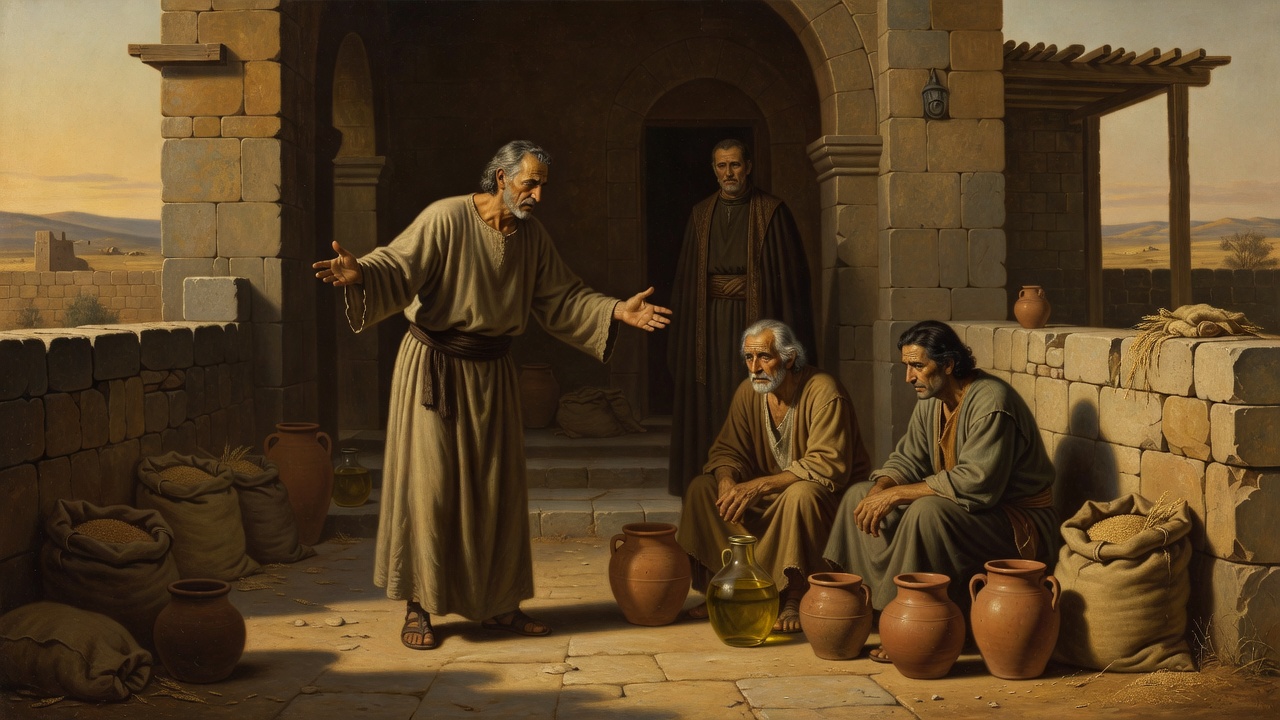
- A manager accused of wasting his master's possessions is told to turn in an account and give up his position. He has the debtors rewrite their bills, reducing a hundred measures of olive oil to fifty and a hundred measures of wheat to eighty, and the master commends the dishonest manager because he had acted shrewdly. Jesus then says that no servant can serve two masters, and that no one can serve both God and money.Sources: the Bible text itself
Notes written with AI assistance from open sources (Theographic Bible Metadata, CC BY-SA 4.0; Easton’s Bible Dictionary, public domain) and reviewed before publishing.
Credits and license for this translation
Nǫ̀htsı̨̨ Nı̨̨htł'è
Dogrib: Dogrib Genesis & New Testament New Testament & Portions of Old Testament
copyright © 2009 Canadian Bible Society
Language: Dogrib
Translation by: Canadian Bible Society
Tłı̨chǫ Genesis and New Testament
About Tłı̨chǫ
Tłı̨chǫ (Dogrib) is a Na-Dene (Athabaskan) language. It is spoken by the First Nations Tłı̨chǫ people in the Northwest Territories in Canada. It has the largest number of speakers of any of the Aboriginal language communities in the NWT, and is one of the official languages of the Northwest Territories.
About This Translation
This translation includes the book of Genesis and the New Testament in Tłı̨chǫ. The first edition of the Tłı̨chǫ New Testament was published in 2003. It was a historic event, as it was the first time in more than a hundred years that a complete New Testament was published for one of the Dene First Nations in the Territories. The first edition was well received and quickly sold out. In the meantime the book of Genesis had been completed. Consequently, the 2008 reprint of the Tłı̨chǫ New Testament included Genesis.
Though this translation of the New Testament and Genesis took a total of ten years, the people who worked on it built on years of labor invested by the Tłı̨chǫ people, elders, priests and missionaries, translators, educators, and linguists. The material contained in this book was checked and approved by consultants from Wycliffe Bible Translators and the Canadian Bible Society.
If you are interested in obtaining a printed copy of this Bible, please contact the Canadian Bible Society at http://www.biblescanada.com .
Copyright Information
Dogrib Genesis and New Testament © 2003, 2008 Canadian Bible Society
The text of the Bible in Tłı̨chǫ that appears in this electronic format or website is for personal use only.
Up to five hundred (500) verses of the Bible text in any form (written, visual, electronic or audio) may be quoted without permission. The quoted verses may not be more than 50% of a complete book of the Bible, or more than 25% of the total text of the work in which they are quoted. Prior written permission must be obtained for any other use of the text. Copyright acknowledgement must in all cases appear on the title or copyright page.
For more information on copyright conditions or to apply, visit http://www.biblesociety.ca/copyright .
This translation is made available to you under the terms of the
Creative Commons Attribution-Noncommercial-No Derivatives license 4.0.
You may share and redistribute this Bible translation or extracts from it in any format, provided that:
You include the above copyright and source information.
You do not sell this work for a profit.
You do not change any of the words or punctuation of the Scriptures.
Pictures included with Scriptures and other documents on this site are licensed just for use with those Scriptures and documents.
For other uses, please contact the respective copyright owners.
2014-04-22
Source: http://ebible.org/dgrDOGNT/ · eBible.org