John 8
Nǫ̀htsı̨̨ Nı̨̨htł'è · Tap a verse to see its cross-references.
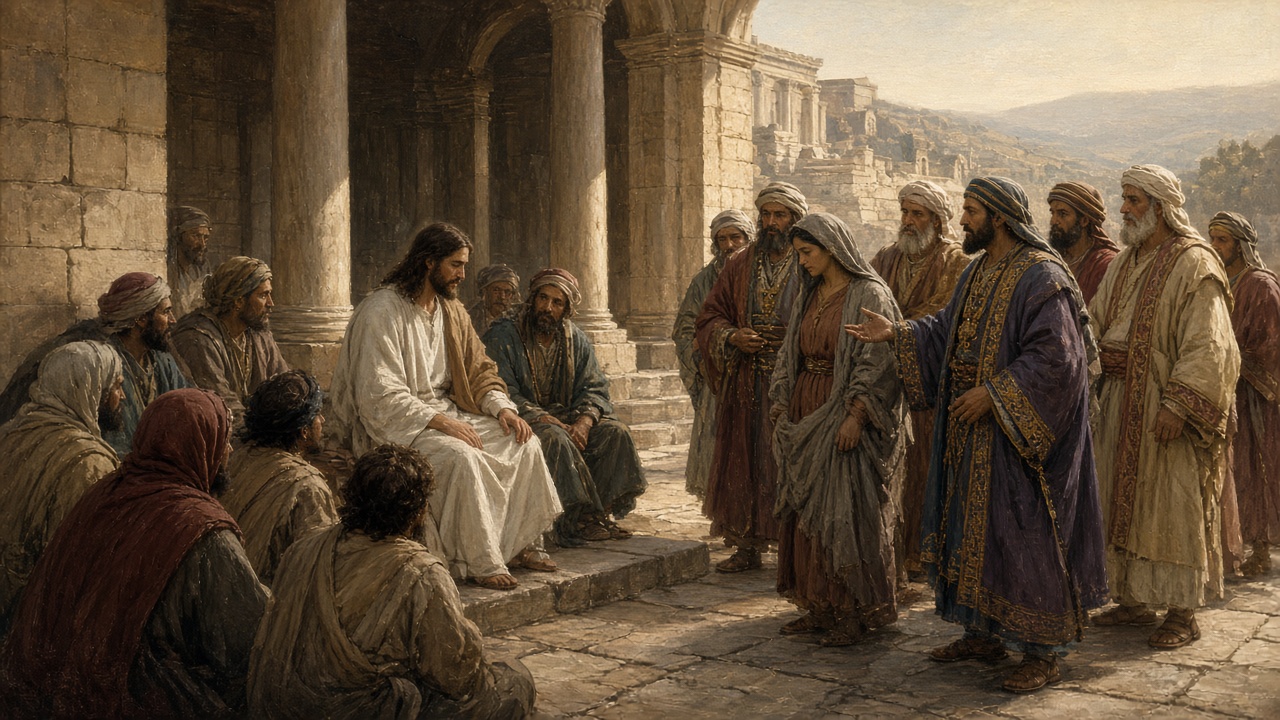
1Zezì ededı̨ t'aa shìh Olıvet gòyeh ts'ǫ̀ ajà. 2Èhkǫ ekò Zezì Nǫ̀htsı̨kǫ̀-gocho gà nǫ̀ǫtła, ekǫ dǫ łǫ wets'ǫ̀ ełèwhede, eyıts'ǫ hoghàgoehtǫ. 3Nǫ̀htsı̨-yatıì-k'ègedìı-dǫǫ̀ eyıts'ǫ Pharısee gı̨ı̨lı̨ı̨ sìı ts'èko eyı nègı̨ı̨htı̨. Eyı ts'èko, dǫzhìı eyıì-le xè hołı̨ı̨ hòèhtsı̨ wegòt'ǫ t'à, dǫ eyı nàgeèhzaa sìı gonadąą̀ nàwo agı̨į̀là. 4Eyıt'à Zezì ts'ǫ̀ hagedı, “K'àowo, dıı ts'èko sìı dǫzhìı eyıì-le xè hołı̨ı̨ hòèhtsı̨ wegòt'ǫ. 5Moses wenàowoò k'ę̀ę̀ ha nı̨dè ts'èko hanıı sìı ełaàwı ts'ǫ̀ kwe t'à wets'ııshì ha dek'eèhtł'è. Ekò nı̨ eyı weghǫ dàneewǫ?” Zezì ts'ǫ̀ hagedı. 6Hanì dageehkee sìı yatı t'à geèhdzà, ekǫ-le xàyaı̨htı nı̨dè gık'e nìdahogeeɂà ha gı̨ı̨wǫ t'à, agıìhdı.
Hanìkò Zezì edelakw'ǫǫ̀ t'à dèè k'e eetł'è. 7Įłaà dageehke t'à Zezì nıìtła, gots'ǫ̀ hadı, “Naxıta dǫ wehołı̨į̀ whìle sìı ededı̨ t'akwełǫ̀ǫ̀ kwe t'à nàyııhk'a,” gòhdı. 8Hadı tł'axǫǫ̀ k'achı̨ dèè k'e eetł'è.
9Zezì hanì gots'ǫ̀ xàyaı̨htı egıìkw'o ekò hazǫǫ̀ ełek'èdaà nageèhde, ǫhdah gı̨ı̨lı̨ı̨ sìı t'akwełǫ̀ǫ̀ agejà. Zezì ededı̨ zǫ aìda, eyıts'ǫ ts'èko ı̨łaà eyı nàwo. 10Zezì nıìtła gà yets'ǫ̀ hadı, “Ts'èko, dǫ gılaedì? Dǫ wı̨ı̨zìı hoìla anį̀į̀là-le nì?” yèhdı.
11Ts'èko yets'ǫ̀ hadı, “K'àowo, dǫ whìle,” yèhdı. Zezì yets'ǫ̀ hadı, “Sı̨ sı hoìla anehłe ha-le. Hòt'a, nekǫ̀ ts'ǫ̀ naı̨tłe, k'achı̨ hołı̨ı̨ nàowoò k'ę̀ę̀ ı̨da-le,” yèhdı.
Zezì edeghǫ ehkw'ı gode
12Zezì k'achı̨ dǫ ts'ǫ̀ hadı, “Dıı nèk'e dǫ hazǫǫ̀ gıgha dzęh nı̨ı̨dı̨ı̨ aht'e. Amìı sexè at'ı̨ı̨ sìı wexè togoòtł'ò ha-le, dzęh wet'à ts'eedaa wexè hòɂǫ hǫt'e,” gòhdı.
13Eyıt'à Pharısee gı̨ı̨lı̨ı̨ sìı Zezì ts'ǫ̀ hagedı, “T'asìı deè aht'e nìı̨dı t'à edeghǫ goı̨deè aı̨dı. Edegha goı̨dee sìı ıtà nıìle,” gıìhdı.
14Zezì gots'ǫ̀ hadı, “Sı̨ edegha gohde kò, dàehsı̨ı̨ sìı ıtà hǫt'e, edı̨į̀ gots'ǫ aht'ı̨ eyıts'ǫ edı̨į̀ ts'ǫ̀ ahde ha wek'èehsǫ t'à. Hanìkò naxı̨ sìı edı̨į̀ gots'ǫ aht'ı̨ eyıts'ǫ edı̨į̀ ts'ǫ̀ ahde ha sìı wek'èahsǫ nıìle. 15Naxı̨ sìı dǫ nàowoò k'ę̀ę̀ dǫ gısınìyaahtı hǫt'e, hanìkò sı̨ sìı dǫ wı̨ı̨zìı wesınìyahtı nıìle. 16Hanìkò t'asìı wesınìyahtı nı̨dè sı̨ zǫ aht'ı̨ nıìle t'à, dànì weghǫ nànıhwhoo sìı ehkw'ı hǫt'e. Setà jǫ ts'ǫ̀ sı̨ı̨hɂàa sìı sexè at'ı̨ hǫt'e. 17Moses wenàowoò dıı hanì dek'eèhtł'è hǫt'e, ‘dǫ nàke gıdaà dàgòjàa sìı ghǫ ełèht'eè xàyagı̨ı̨htı nı̨dè gıgodıì ıtà hǫt'e’ dek'eèhtł'è. 18Sı̨ sìı edegha gohde hǫt'e, eyıts'ǫ Setà sı̨ı̨hɂàa sìı segha gode hǫt'e,” Zezì gòhdı.
19Eyıt'à dageehke, “Edı̨į̀ netà wheda?” gıìhdı.
Zezì gots'ǫ̀ hadı, “Sek'èahsǫ nıìle eyıts'ǫ Setà sı wek'èahsǫ nıìle. Sek'èahsǫ nı̨dè Setà sı wek'èahsǫ ha ı̨lè,” gòhdı. 20Zezì hadıì gots'ǫ̀ goı̨de ekò Nǫ̀htsı̨kǫ̀-gocho gà dǫ hoghàgoehtǫ ı̨lè. Sǫǫ̀mba nègelee k'è gà nıwà-lea wheda ı̨lè, hanìkò ı̨łaà wegha nèhòkw'ı-le t'à dǫ wı̨ı̨zìı dayaachì-le.
21K'achı̨ Zezì gots'ǫ̀ hadı, “T'asį̀ı̨ ahde ha eyıts'ǫ sekak'eaht'į̀ ha. Hanìkò naxıhołı̨į̀ xè ełaahde ha hǫt'e. Edı̨į̀ ts'ǫ̀ aht'ı̨ı̨ sìı ekǫ aahde ha dìì,” Zezì gòhdı.
22Hadı t'à Israel got'ı̨į̀ gha k'aodèe dałegeehke, “ ‘Edı̨į̀ ts'ǫ̀ aht'ı̨ı̨ sìı ekǫ aahde ha dìì,’ hadı t'à, ełaàdìwı ha nì-ghǫ adı?” gedı.
23Hanìkò Zezì gots'ǫ̀ hadı, “Naxı̨ sìı ı̨zhıì gots'ǫ aaht'e, sı̨ sìı ı̨dòo gots'ǫ aht'e. Naxı̨ sìı dıı nèk'e gots'ǫ aaht'ı̨, sı̨ sìı dıı nèk'e gots'ǫ aht'ı̨ nıìle. 24Naxıhołı̨į̀ xè ełaahde ha naxèehsı̨ ı̨lè. Amìı aht'e naxèehsı̨ı̨ sìı naxıgha ehkw'ı aehsı̨-le nı̨dè naxıhołı̨į̀ xè ełaahde ha hǫt'e,” Zezì gòhdı.
25“Amìı anet'e?” gıìhdı. “Amìı aht'ee sìı hòt'a edeghǫ goıhde ı̨lè. 26T'asìı łǫ ghǫ naxısınìyahtı ha dìì-le, hanìkò amìı sı̨ı̨hɂàa sìı weyatıì ehkw'ı hǫt'e. Dàsèhdıı sìı dǫ hazǫǫ̀ ts'ǫ̀ haehsı̨ hǫt'e,” Zezì gòhdı.
27Edetà ghǫ gots'ǫ̀ godeè-adıı sìı gınıedì-le. 28Eyıt'à Zezì gots'ǫ̀ hadı, “Dǫ-wet'àaɂàa-deè ı̨dòo dexewıìtsò awèahłà nı̨dè, amìı aht'e naxèehsı̨ı̨ sìı k'ǫǫ̀t'a wek'èahsǫ ha. Sı̨ sedahxà t'asìı ghàlaehda nıìle, Setà ayìı hoghàseèhtǫǫ sìı eyı zǫ t'à gohde hǫt'e. 29Amìı sı̨ı̨hɂàa sìı t'aats'ǫǫ̀ wınì k'ę̀ę̀ eghàlaehda t'à, sexè at'ı̨ hǫt'e eyıts'ǫ sets'ǫǫ̀ ajà nıìle,” Zezì hadıì dǫ ts'ǫ̀ goı̨de. 30Zezì hadıì gode t'à dǫ łǫ ehkw'ı adı gı̨ı̨hwhǫǫ̀ agejà.
Abraham wets'ıhɂǫ̀ǫ-dǫǫ̀
31Israel got'ı̨į̀ gogha ehkw'ı adıı sìı Zezì gots'ǫ̀ hadı, “Seyatıì k'èahdì nı̨dè xàè secheekeè aaht'e. 32Secheekeè aaht'e nı̨dè nàowo ehkw'ıı k'èhoahsǫ ha, nàowo ehkw'ıı k'èhoahsǫ nı̨dè k'achı̨ t'asìı wı̨ı̨zìı naxıts'ǫ̀ k'àowo ha nıìle,” Zezì gòhdı.
33Dǫ hagıìhdı, “Abraham wets'ıhɂǫ̀ǫ-dǫǫ̀ ats'ı̨ı̨t'e, dǫ wı̨ı̨zìı gots'ǫ̀ k'àowo gòı̨lè nıìle. Eyıt'à dànìghǫ, t'asìı wı̨ı̨zìı naxıts'ǫ̀ k'àowo ha nıìle, nı̨ı̨dı?” gıìhdı.
34Zezì gots'ǫ̀ hadı, “Ehkw'ı anaxèehsı̨, amìı hołı̨ı̨ hohtsı̨ı̨ sìı hołı̨ı̨ yets'ǫ̀ k'àowo hǫt'e. 35Dǫ, k'àowo gha eghàlaeda elı̨ı̨ sìı xàè weza elı̨ nıìle, hanìkò k'àowo xàè weza sìı welǫ whìle ts'ǫ̀ weza elı̨ hǫt'e. 36Eyıt'à Nǫ̀htsı̨ Weza sìı t'asìı naxıts'ǫ̀ k'àowo-le anaxį̀į̀là nı̨dè hòt'ałǫ̀ǫ̀ t'asìı wı̨ı̨zìı naxıts'ǫ̀ k'àowo ha nıìle. 37Abraham wets'ıhɂǫ̀ǫ-dǫǫ̀ aaht'e wek'èehsǫ, hanìkò naxıdzeè yìı seyatıì ààhchı-le t'à ełaàsèahwhı ha dahwhǫ. 38Setà wegà whıhda ekò ayìı ghàıhdàa sìı naxıts'ǫ̀ haehsı̨ hǫt'e, hanìkò naxı̨ naxıtà dànaxèhdıı sìı wek'ę̀ę̀ eghàlaahda hǫt'e,” Zezì gòhdı.
39Zezì ts'ǫ̀ hagedı, “Abraham gotà hǫt'e ne,” gedı.
Zezì hagòhdı, “Abraham wets'ıhɂǫ̀ǫ-dǫǫ̀ aaht'e nı̨dè Abraham dànì eghàlaı̨dàa sìı naxı̨ wexèht'eè eghàlaahda ha ı̨lè. 40Hanìkò Nǫ̀htsı̨ dàsèhdıı sìı eyı naxıts'ǫ̀ ehkw'ı xàyaehtı t'à ełaàsèahwhı ha dahwhǫ. Abraham hanì eghàlaı̨dà whìle. 41Naxı̨ naxıtà dànì eghàlaedaa sìı wek'ę̀ę̀ eghàlaahda hǫt'e,” Zezì gòhdı.
“Tsı̨hkǫ gǫǫza ats'ı̨ı̨t'e nıìle. Nǫ̀htsı̨ ededı̨ zǫ gotà hǫt'e ne,” gıìhdı.
Dǫ Nǫ̀htsı̨ ts'ǫ agı̨ı̨t'e-le sìı gınıedì ha dìì
42Zezì gots'ǫ̀ hadı, “Nǫ̀htsı̨ naxıtà elı̨ nı̨dè seghǫnıahtǫ ha ı̨lè. Nǫ̀htsı̨ gots'ǫ aht'ı̨ eyıts'ǫ dıì jǫ whıhda hǫt'e. Sı̨ sedahxà jǫ ts'ǫ̀ ahjà nıìle, Nǫ̀htsı̨ jǫ ts'ǫ̀ sı̨ı̨hɂà hǫt'e. 43Dànìghǫ seyatıì wenıahdì-le? Ayìı dàehsı̨ı̨ sìı aàhkw'o ha naxıgha dìì t'à hǫt'e. 44Wehłı̨ı̨ sìı naxıtà hǫt'e, naxıtà wınì k'ę̀ę̀ eghàlaahda ha dahwhǫ. Kèhoį̀wo gots'ǫ wehłı̨ı̨ eweèt'ı̨ı̨ elı̨ hǫt'e. Nàowo ehkw'ıı wets'ǫ̀-èlı̨-le t'à ehkw'ı eghàlaeda-le. Hots'ìı zǫ t'à gode, eyı weyatıì hǫt'e, eyıts'ǫ hots'ets'ìı nàowoò hazǫǫ̀ yèhtsı̨ hǫt'e. 45Sı̨ ehkw'ı gohde t'à, naxıgha ehkw'ı aehsı̨-le. 46Asį̀į̀ naxı̨ ı̨łè hołı̨ı̨ hòwhıhtsı̨ sèhdı sek'e nìdahoeɂà ha dìì-le? Ehkw'ı gohde nı̨dè dànìghǫ naxıgha ehkw'ı aehsı̨-le? 47Amìı Nǫ̀htsı̨ wets'ǫ dǫ elı̨ı̨ sìı Nǫ̀htsı̨ dàdıı sìı yeèhkw'ǫ hǫt'e. Nǫ̀htsı̨ wets'ǫ dǫ aaht'e nıìle t'à weàhkw'ǫ nıìle,” Zezì gòhdı.
Zezì Abraham nahk'e elı̨
48Israel got'ı̨į̀ gha k'aodèe Zezì ts'ǫ̀ hagedı, “Samarıa got'ı̨į̀ anet'e eyı xè ı̨nìłı̨ı̨ nets'ǫ̀-èlı̨, hanèts'edı ı̨lèe sìı ehkw'ı anèts'edı ı̨lè!” gıìhdı.
49Zezì gots'ǫ̀ hadı, “Įnìłı̨ı̨ sets'ǫ̀-èlı̨ nıìle. Sı̨ Setà weghàsǫhoedı ahłà hǫt'e, hanìkò naxı̨ yatı laòt'ı̨-le t'à sets'ǫ̀ goahde. 50Dǫ seghàsǫgeedı gha jǫ ts'ǫ̀ ahjà nıìle. Hanìkò ededı̨ seghàsǫhoedı ha nıwǫǫ sìı dǫ sınìyaehtı elı̨ hǫt'e. 51Ehkw'ı anaxèehsı̨, amìı seyatıì k'èdìı sìı ełaàwı ha nıìle,” Zezì gòhdı.
52Zezì hadı t'à k'aodèe dıı hagedıì yagìzeh, “Hòt'a ı̨nìłı̨ı̨ nets'ǫ̀-èlı̨ hotıì wek'èts'eezǫ ne! Abraham ełaı̨wo ı̨lè eyıts'ǫ nakwenàoɂǫǫ sı hazǫǫ̀ ełaàgı̨ı̨dè ne, hanìkò dǫ neyatıì k'èdì nı̨dè ełaàwı ha nıìle nı̨ı̨dı. 53Gocho Abraham wenahk'e nelı̨ nì-ghǫ aı̨dı? Abraham eyıts'ǫ nakwenàoɂǫǫ hazǫǫ̀ ełaàgı̨ı̨dè ı̨lè. Amìı aht'e edęęwǫ?” gıìhdı.
54Zezì hadı, “Sı̨ edeghàsǫehdı nı̨dè eyı t'asìı nıìle. Setà, Naxınǫ̀htsı̨ hǫt'e dahdıı sìı, ededı̨ seghàsǫhoedıì asį̀į̀là hǫt'e. 55Naxı̨ sìı Nǫ̀htsı̨ wek'èahsǫ nıìle, sı̨ Nǫ̀htsı̨ wek'èehsǫ hǫt'e. Wek'èehsǫ-le dehsı̨ nı̨dè naxıxèht'eè hots'ìı-dǫǫ̀ ehłı̨ ha ı̨lè, hanìkò wek'èehsǫ hǫt'e eyıts'ǫ weyatıì sı k'èhdì hǫt'e. 56Naxıcho Abraham sı̨ jǫ ts'ǫ̀ ahde ghǫ nadąą̀ k'eet'į̀ t'à wınà ı̨lè. Saɂı̨ t'à wınà ı̨lè,” Zezì gòhdı.
57K'aodèe hagedı, “Įłaà sı̨laènǫ neghoò-le, hanìkò Abraham neeɂı̨ nı̨ı̨dı nì?” gıìhdı.
58Zezì gots'ǫ̀ hadı, “Ehkw'ı anaxèehsı̨, Abraham wegǫ̀hłı̨ kwe gots'ǫ aht'e,” gòhdı. 59Zezì hadı t'à kwe negı̨į̀wa, nàgeehshì ha ı̨lè hanìkò Zezì gonaɂį̀-èhtła, Nǫ̀htsı̨kǫ̀-gocho gots'ǫǫ̀ naèhtła.
Did you know?
Light, Law, and Abraham
- John 8 opens as Jesus goes to the Mount of Olives and returns early in the morning to the temple courts, where he sits and teaches the people who gather. The Mount of Olives is a ridge east of Jerusalem, separated from the city by the Kidron valley and named for the olive trees that cover its sides.Sources: the Bible text itself · Mount of Olives
- Scribes and Pharisees bring in a woman caught in adultery and ask Jesus what he says about Moses' command in the Law to stone such a woman, seeking to test him and to gain a basis for accusing him. Still in the temple courts, near the treasury, Jesus later says, "I am the light of the world." A dated event list places both episodes in AD 29, each lasting one day.Sources: the Bible text itself · Woman Caught in Adultery · Light of the World/I am discourse
- When Jesus says that the truth will set them free, his hearers answer that they are Abraham's descendants and have never been slaves to anyone. Abraham is called "father of a multitude"; he was the son of Terah and the heir of the promises. After Jesus declares, "before Abraham was born, I am," they pick up stones to throw at him.Sources: the Bible text itself · Abraham
Notes written with AI assistance from open sources (Theographic Bible Metadata, CC BY-SA 4.0; Easton’s Bible Dictionary, public domain) and reviewed before publishing.
Places in this chapter
- Mount of Olives · 31.778, 35.246 · verse 1
Only places identified with high confidence are shown (90% or more according to the scholarly sources compiled by OpenBible). Period map: DARE (Digital Atlas of the Roman Empire), CC BY 4.0; modern map: © OpenStreetMap contributors; places: OpenBible.info (CC BY 4.0).
Credits and license for this translation
Nǫ̀htsı̨̨ Nı̨̨htł'è
Dogrib: Dogrib Genesis & New Testament New Testament & Portions of Old Testament
copyright © 2009 Canadian Bible Society
Language: Dogrib
Translation by: Canadian Bible Society
Tłı̨chǫ Genesis and New Testament
About Tłı̨chǫ
Tłı̨chǫ (Dogrib) is a Na-Dene (Athabaskan) language. It is spoken by the First Nations Tłı̨chǫ people in the Northwest Territories in Canada. It has the largest number of speakers of any of the Aboriginal language communities in the NWT, and is one of the official languages of the Northwest Territories.
About This Translation
This translation includes the book of Genesis and the New Testament in Tłı̨chǫ. The first edition of the Tłı̨chǫ New Testament was published in 2003. It was a historic event, as it was the first time in more than a hundred years that a complete New Testament was published for one of the Dene First Nations in the Territories. The first edition was well received and quickly sold out. In the meantime the book of Genesis had been completed. Consequently, the 2008 reprint of the Tłı̨chǫ New Testament included Genesis.
Though this translation of the New Testament and Genesis took a total of ten years, the people who worked on it built on years of labor invested by the Tłı̨chǫ people, elders, priests and missionaries, translators, educators, and linguists. The material contained in this book was checked and approved by consultants from Wycliffe Bible Translators and the Canadian Bible Society.
If you are interested in obtaining a printed copy of this Bible, please contact the Canadian Bible Society at http://www.biblescanada.com .
Copyright Information
Dogrib Genesis and New Testament © 2003, 2008 Canadian Bible Society
The text of the Bible in Tłı̨chǫ that appears in this electronic format or website is for personal use only.
Up to five hundred (500) verses of the Bible text in any form (written, visual, electronic or audio) may be quoted without permission. The quoted verses may not be more than 50% of a complete book of the Bible, or more than 25% of the total text of the work in which they are quoted. Prior written permission must be obtained for any other use of the text. Copyright acknowledgement must in all cases appear on the title or copyright page.
For more information on copyright conditions or to apply, visit http://www.biblesociety.ca/copyright .
This translation is made available to you under the terms of the
Creative Commons Attribution-Noncommercial-No Derivatives license 4.0.
You may share and redistribute this Bible translation or extracts from it in any format, provided that:
You include the above copyright and source information.
You do not sell this work for a profit.
You do not change any of the words or punctuation of the Scriptures.
Pictures included with Scriptures and other documents on this site are licensed just for use with those Scriptures and documents.
For other uses, please contact the respective copyright owners.
2014-04-22
Source: http://ebible.org/dgrDOGNT/ · eBible.org