John 3
Nǫ̀htsı̨̨ Nı̨̨htł'è · Tap a verse to see its cross-references.
Zezì Nıcodemus hoghàehtǫ
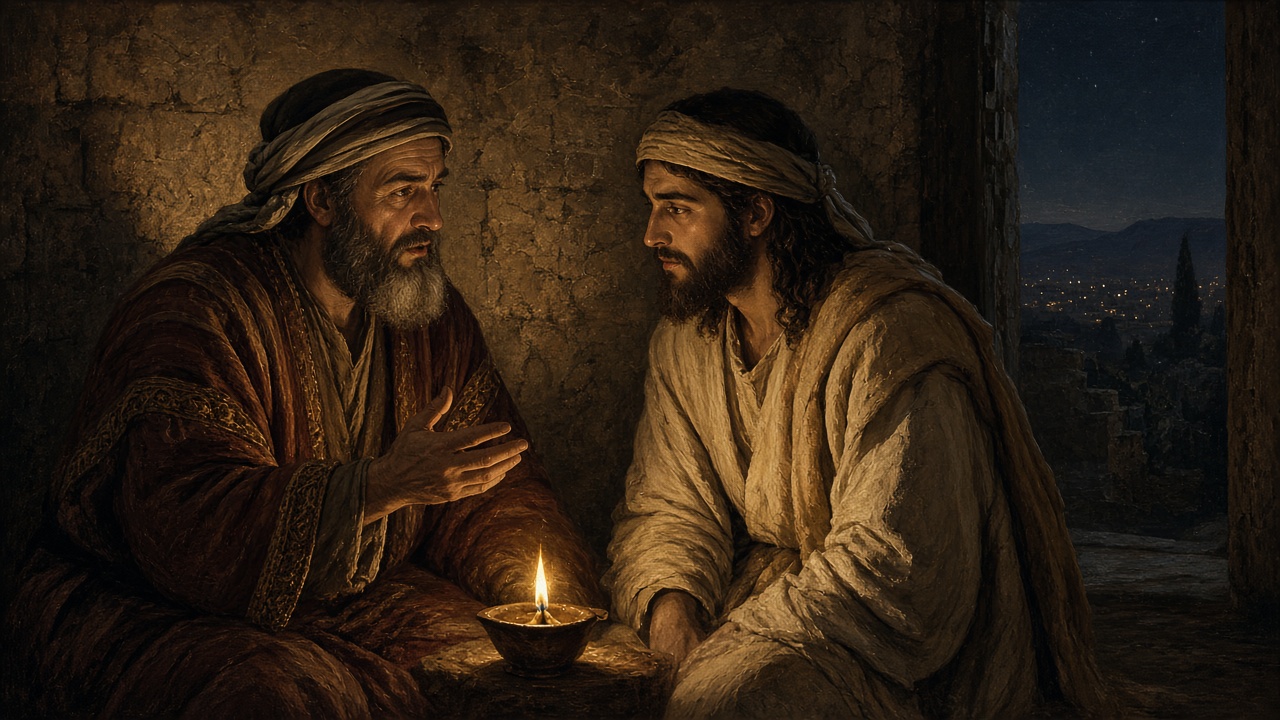
1Įłàà Pharısee gots'ǫ dǫ ı̨łè, Nıcodemus wìyeh, to Zezì ts'àèhtła. Eyı dǫ sìı Israel gha k'aodèe goxè wheda hǫt'e. Zezì ts'ǫ̀ hadı, “K'àowo, nı̨ sìı Nǫ̀htsı̨ dahxà dǫ hoghàı̨htǫ wek'èts'eezǫ hǫt'e. Dǫ wı̨ı̨zìı nexèht'eè enıìyah hohtsı̨ ha dìì, Nǫ̀htsı̨ yets'àı̨dı lenǫsıı,” yèhdı.
3Zezì yets'ǫ̀ hadı, “Ehkw'ı anèehsı̨, dǫ wı̨ı̨zìı k'achı̨ wegǫ̀hłı̨ lenǫsıı Nǫ̀htsı̨ Wenàowoò k'ę̀ę̀ hòɂǫ yek'èezǫ ha dìì,” yèhdı.
4Nıcodemus hadı, “Dǫ weghoò łǫ sìı dànì k'achı̨ wegǫ̀hłı̨ lì? K'achı̨ edemǫ bò yìı naetła gà k'achı̨ wegǫ̀hłı̨ ha dìì naà!” yèhdı.
5Zezì yets'ǫ̀ hadı, “Ehkw'ı anèehsı̨, dǫ tı t'à eyıts'ǫ Yedàyeh Nezı̨ı̨ t'à wegǫ̀hłı̨ lenǫsıı Nǫ̀htsı̨ Wenàowoò k'ę̀ę̀ hòɂǫǫ sìı goyaetła ha nıìle. 6Dǫzhį̀į̀ t'à dǫzhį̀į̀ wegǫ̀hłı̨ hǫt'e, hanìkò Yedàyeh Nezı̨ı̨ t'à dǫ wets'ǫ ı̨nì wegǫ̀hłı̨ hǫt'e. 7‘K'achı̨ negǫ̀hłı̨ ha hǫt'e,’ dehsı̨ı̨ sìı, negha enıìyah welè-le. 8Nı̨hts'ı sìı t'ahoòyį̀ı̨ ts'ǫ̀ k'eweehts'ı hǫt'e. Nı̨hts'ı dèekw'ǫ wets'eèhkw'ǫ, hanìkò edı̨į̀ gots'ǫ at'ı̨ eyıts'ǫ edı̨į̀ ts'ǫ̀ at'ı̨ı̨ sìı wek'èts'eezǫ-le. Dǫ Yedàyeh Nezı̨ı̨ t'à gıgǫ̀hłı̨ı̨ sìı gıxè hanì hòɂǫ hǫt'e,” yèhdı.
9Nıcodemus hadı, “Dànì hagòjà lì?”
10Zezì yets'ǫ̀ hadı, “Nı̨ sìı Israel got'ı̨į̀ gha dǫ-hoghàehtǫǫ-dǫǫ̀ nelı̨, hanìkò dàehsı̨ı̨ sìı wenıı̨dì-le nì? 11Ehkw'ı anèehsı̨, t'asìı k'èts'eezǫ eyıts'ǫ t'asìı wets'aɂı̨ı̨ sìı weghàà gots'ede hǫt'e, hanìkò naxı̨ dǫ xàɂaa yàahłı̨ı̨ sìı ehkw'ı ats'edı goahwhǫ-le. 12Dıı nèè gots'ǫ t'asìı ghǫ naxıxè gohdo, hanìkò naxıgha ehkw'ı-le. Ekò yak'e gots'ǫ t'asìı ghǫ naxıxè gohdo nı̨dè dànì naxıgha ehkw'ı aehsı̨ lì? 13Dǫ wı̨ı̨zìı yak'e hoaɂı̨ whìle, amìı yak'e gots'ǫ dıı nèk'e ts'ǫ̀ ajàa sìı ededı̨ zǫ yak'e hoaɂı̨ hǫt'e. Eyı sìı Dǫ-wet'àaɂàa-deè hǫt'e. 14T'akwe whaà Moses, ekìı-ka nèk'e dechı̨ k'e gòo ı̨dòo ts'ǫ̀ ayį̀į̀là ı̨lè. Eyı xèht'eè Dǫ-wet'àaɂàa-deè dechı̨ k'e ı̨dòo awedle ha hǫt'e. 15Dǫ ehkw'ı adı yı̨ı̨hwhǫǫ sìı welǫ whìle ts'ǫ̀ eda ha.
16“Nǫ̀htsı̨ dıı nèk'e dǫ hazǫǫ̀ sıì goghǫneètǫ t'à, edeza ı̨łàet'ee dǫ tł'aàyį̀ı̨htı̨. Amìı ehkw'ı adı yı̨ı̨hwhǫǫ sìı wedıhołè ha-le, welǫ whìle ts'ǫ̀ eda ha. 17Nǫ̀htsı̨ dǫ xè hoìla hòèhtsı̨ gha, edeza dıı nèk'e ts'ǫ̀ ayı̨į̀là nıìle, hanìkò ededı̨ wet'à dǫ edaxàgole gha ayı̨į̀là. 18Amìı ehkw'ı adı yı̨ı̨hwhǫǫ sìı hoìla awedle ha-le, hanìkò amìı ehkw'ı adı yı̨ı̨hwhǫ-le sìı hòt'a wesınìyaetı hǫt'e, Nǫ̀htsı̨ Weza ı̨łàet'ee sìı wegha ehkw'ı-ahodı-le t'à. 19Dıı hanì hòɂǫ ts'ıhɂǫ̀ Nǫ̀htsı̨ dǫ sınìyaehtı hǫt'e: Dzęh dıı nèk'e ts'ǫ̀ ajà, hanìkò dǫ nàowołı̨ı̨ k'ę̀ę̀ eghàlageeda ts'ıhɂǫ̀ to gıgha denahk'e nezı̨. 20Dǫ hołı̨ı̨ hogehtsı̨ı̨ sìı dzęh dzagı̨ı̨hwhǫ. Gıhołı̨į̀ wègaat'ı̨ ha sǫnı gı̨ı̨wǫ t'à, dzęh ts'ǫ̀ aget'ı̨-le. 21Hanìkò dǫ ehkw'ı eda ha nıwǫǫ sìı dzęh ts'ǫ̀ at'ı̨, hanì-ı̨dè ayìı eghàlaedaa sìı Nǫ̀htsı̨ wedahxà at'ı̨, hotıì wek'èhoedzǫ hǫt'e,” Zezì gòhdı.
John-Baptıst Zezì ghǫ gode
22Eyı tł'axǫǫ̀ Zezì edecheekeè xè Judea nèk'e ts'ǫ̀ geède. Ekǫ whaà-lea ts'ǫ̀ goxè aı̨t'è, eyıts'ǫ dǫ k'ètaìdzı̨. 23Ekìıyeè k'e kǫ̀ta Anon eyıts'ǫ kǫ̀ta Salım ts'ǫ̀ gǫǫwà-lea tı łǫ t'à, ekǫ John-Baptıst dǫ k'ètaìdzı̨ eyıts'ǫ dǫ gık'ètaìdzı̨ ha t'aats'ǫǫ̀ ekǫ aget'ı̨. 24(John-Baptıst wedaàtǫ kwe agot'ı̨ ı̨lè.) 25John-Baptıst wecheekeè eyıts'ǫ Israel got'ı̨į̀ gha k'àowo ı̨łè edek'enats'ehtsee nàowoò ghǫ ełets'ǫ̀ nàyagehtı. 26Eyıt'à John-Baptıst ts'ǫ̀ geède, hagedı, “K'àowo, dǫ ı̨łè, Jordan deh te nexè at'ı̨ weghǫ goneedè là, dǫ k'ètaìdzı̨ t'à dǫ hazǫǫ̀ wets'ǫ̀ aget'ı̨,” gıìhdı.
27John-Baptıst gots'ǫ̀ hadı, “Amìı yak'e gots'ǫ la weghǫ̀t'ǫǫ sìı yek'ę̀ę̀ zǫ eghàlaeda hǫt'e. 28Naxıts'ǫ̀ dıı haehsı̨ ı̨lèe sìı wek'èahsǫ ne, ‘Sı̨ Chrıst aht'e nıìle, hanìkò sı̨ sìı wenakweè jǫ ts'ǫ̀ sets'ı̨ı̨hɂà hǫt'e,’ haehsı̨ ı̨lè. 29Ts'èko honìdzaa sìı wedǫzhıì ghaelı̨ hǫt'e. Dǫ honìdaa weàgı̨ą yekaɂeèhkw'ǫ hǫt'e. Dǫ ts'ǫ̀ gode yeèhkw'ǫ nı̨dè sıì wınà hǫt'e. Eyı xèht'eè dıì hòt'a sınà hǫt'e. 30Ededı̨ deɂǫ̀ǫ̀ wet'àaɂà ade ha hǫt'e, eyıts'ǫ sı̨ sìı dek'aɂį̀ ahde ha hǫt'e.
31“Įdòo gots'ǫ hodàèhtłaa sìı eyı denahk'e wet'àaɂàa deè hǫt'e. Dıı nèk'e gots'ǫ dǫ elı̨ı̨ sìı dıı nèè gots'ǫ dǫ hǫt'e, eyıt'à dıı nèè gots'ǫ dǫ gok'ę̀ę̀ gode. Ekò yak'e gots'ǫ nììtłaa sìı hazǫǫ̀ t'à gonahk'e wet'àaɂàa deè hǫt'e. 32Ayìı ghàı̨dàa eyıts'ǫ ayìı eèhkw'ǫǫ sìı yeghǫ gode, hanìkò dǫ wı̨ı̨zìı ehkw'ı adı yı̨ı̨hwhǫ-le. 33Amìı ehkw'ı adı yı̨ı̨hwhǫǫ sìı ‘Nǫ̀htsı̨ ehkw'ı hǫt'e,’ hadı hǫt'e. 34Nǫ̀htsı̨ dǫ gots'ǫ̀ yı̨ı̨hɂàa sìı yeyatıì t'à gode hǫt'e, Nǫ̀htsı̨, Yedàyeh Nezı̨ı̨ deghàà wets'ǫ̀-èlı̨ ayį̀į̀là. 35Nǫ̀htsı̨ edeza ghǫneètǫ hǫt'e, eyıts'ǫ t'asìı hazǫǫ̀ gha k'àowo elı̨į̀ ayı̨į̀là. 36Amìı Nǫ̀htsı̨ Weza ehkw'ı adı yı̨ı̨hwhǫǫ sìı welǫ whìle ts'ǫ̀ eda ha. Amìı Weza nıwǫ-le sìı welǫ whìle ts'ǫ̀ eda ha-le, Nǫ̀htsı̨ hoìla yeghàhòɂà ha sìı wedawheɂǫ hǫt'e,” John-Baptıst edecheekeè gòhdı.
Did you know?
New birth and John's witness
- Nicodemus, whose name means "the people is victor," was a Pharisee and a member of the Sanhedrin. He came to Jesus at night to learn more of his teaching, and the Gospel calls him a leader of the Jews; Jesus addresses him as Israel's teacher.Sources: Nicodemus · the Bible text itself
- After this conversation, Jesus and his disciples went into the Judean countryside, under the Romans the southernmost of the three divisions of Palestine. John was also baptizing at Aenon near Salim, because water was plentiful there; Salim, whose name means "peaceful," lay west of the Jordan. Aenon means "springs," and Easton's Bible Dictionary (1897) places it probably near the upper source of the Wady Far'ah, an open valley full of springs running from Mount Ebal to the Jordan.Sources: the Bible text itself · Judea · Aenon · Salim
- In this chapter John tells his disciples that he is not the Christ but was sent ahead of him, and the narrative notes that he had not yet been thrown into prison. Easton's Bible Dictionary (1897) describes him as the forerunner of Jesus, of priestly descent, and says that his mission was the subject of prophecy.Sources: the Bible text itself · John the Baptist
Notes written with AI assistance from open sources (Theographic Bible Metadata, CC BY-SA 4.0; Easton’s Bible Dictionary, public domain) and reviewed before publishing.
Places in this chapter
- Jerusalem · 31.777, 35.234 · verse 22
- Judea · Today: Judea 1 · 31.777, 35.234 · verse 22
- Jordan · Today: Jordan River · 31.761, 35.558 · verse 26
Only places identified with high confidence are shown (90% or more according to the scholarly sources compiled by OpenBible). Period map: DARE (Digital Atlas of the Roman Empire), CC BY 4.0; modern map: © OpenStreetMap contributors; places: OpenBible.info (CC BY 4.0).
Credits and license for this translation
Nǫ̀htsı̨̨ Nı̨̨htł'è
Dogrib: Dogrib Genesis & New Testament New Testament & Portions of Old Testament
copyright © 2009 Canadian Bible Society
Language: Dogrib
Translation by: Canadian Bible Society
Tłı̨chǫ Genesis and New Testament
About Tłı̨chǫ
Tłı̨chǫ (Dogrib) is a Na-Dene (Athabaskan) language. It is spoken by the First Nations Tłı̨chǫ people in the Northwest Territories in Canada. It has the largest number of speakers of any of the Aboriginal language communities in the NWT, and is one of the official languages of the Northwest Territories.
About This Translation
This translation includes the book of Genesis and the New Testament in Tłı̨chǫ. The first edition of the Tłı̨chǫ New Testament was published in 2003. It was a historic event, as it was the first time in more than a hundred years that a complete New Testament was published for one of the Dene First Nations in the Territories. The first edition was well received and quickly sold out. In the meantime the book of Genesis had been completed. Consequently, the 2008 reprint of the Tłı̨chǫ New Testament included Genesis.
Though this translation of the New Testament and Genesis took a total of ten years, the people who worked on it built on years of labor invested by the Tłı̨chǫ people, elders, priests and missionaries, translators, educators, and linguists. The material contained in this book was checked and approved by consultants from Wycliffe Bible Translators and the Canadian Bible Society.
If you are interested in obtaining a printed copy of this Bible, please contact the Canadian Bible Society at http://www.biblescanada.com .
Copyright Information
Dogrib Genesis and New Testament © 2003, 2008 Canadian Bible Society
The text of the Bible in Tłı̨chǫ that appears in this electronic format or website is for personal use only.
Up to five hundred (500) verses of the Bible text in any form (written, visual, electronic or audio) may be quoted without permission. The quoted verses may not be more than 50% of a complete book of the Bible, or more than 25% of the total text of the work in which they are quoted. Prior written permission must be obtained for any other use of the text. Copyright acknowledgement must in all cases appear on the title or copyright page.
For more information on copyright conditions or to apply, visit http://www.biblesociety.ca/copyright .
This translation is made available to you under the terms of the
Creative Commons Attribution-Noncommercial-No Derivatives license 4.0.
You may share and redistribute this Bible translation or extracts from it in any format, provided that:
You include the above copyright and source information.
You do not sell this work for a profit.
You do not change any of the words or punctuation of the Scriptures.
Pictures included with Scriptures and other documents on this site are licensed just for use with those Scriptures and documents.
For other uses, please contact the respective copyright owners.
2014-04-22
Source: http://ebible.org/dgrDOGNT/ · eBible.org