Hebrews 2
Nǫ̀htsı̨̨ Nı̨̨htł'è · Tap a verse to see its cross-references.
Hotıì dahwhǫ t'à aàhkw'ǫ
1Ayìı ts'ı̨į̀hkw'ǫ̀ǫ sìı hotıì nezı̨į̀ weghǫ nànıts'edè ha hǫt'e, hanì-ı̨dè Nǫ̀htsı̨ wets'ǫǫ̀ ats'ede ha nıìle. 2Yak'eet'ı̨į̀ Nǫ̀htsı̨ yatıì t'à gogedee sìı hotıì wek'èats'ı̨ı̨t'e ha hǫt'e, eyıts'ǫ dǫ hazǫǫ̀ eyı yatı nàgı̨ı̨zhìı sìı wek'èxa dagı̨ı̨ɂa ha agììdlà hǫt'e. 3Eyıt'à Nǫ̀htsı̨ enıìyah k'ę̀ę̀ edaxàgolee sìı wedę ats'ı̨ı̨là nı̨dè nàgoehkwa ch'à kwı̨ts'eehdè ha honàedı nıìle. Edaxàgole ha sìı gots'ǫ̀ K'àowo t'akwełǫ̀ǫ̀ yeghǫ goı̨de ı̨lè, eyıts'ǫ dǫ gı̨į̀hkw'ǫ̀ǫ sìı ededı̨ sı gots'ǫ̀ hagedı. 4Nǫ̀htsı̨ sìı godaà enıìyah łǫ xàɂaa eghàlaı̨dà t'à weghàà ehkw'ı-ahodı hǫǫwǫ hǫt'e, eyıts'ǫ wınì k'ę̀ę̀ Yedàyeh Nezı̨ı̨ t'asìı nezı̨ı̨ dǫ goghàyele hǫt'e.
Zezì goxèht'eè whelı̨
5Įdaà nı̨dè eyı dèè wegòò hòɂǫ ha sìı yak'eet'ı̨į̀ gıts'ǫ̀ k'ahodè ha-le Nǫ̀htsı̨ agǫ̀ǫ̀là. 6Nǫ̀htsı̨ ts'ǫ̀ dàhodıı sìı wenı̨htł'è k'e dıı hanì dek'eèhtł'è,
“Dǫ ayìı elı̨ t'à wedaànınewo eyıts'ǫ weghǫneę̀tǫ? 7Whaà-lea gots'ǫ̀ zǫ yak'eet'ı̨į̀ k'aɂį̀ elı̨į̀ awènelà, hanìkò K'àowocho lanì wexè enıìyah hòɂǫǫ anelà, weghàsǫedıì anelà, 8eyıts'ǫ t'asìı hazǫǫ̀ wetł'aà whelaà anelà,” dek'eèhtł'è.
Nǫ̀htsı̨ t'asìı hazǫǫ̀ ts'ǫ̀ K'àowoò ayį̀į̀làa sìı t'asìı wı̨ı̨zìı wedę ayį̀į̀là nıìle. Hanìkò dıì sìı dıı nèk'e t'asìı hazǫǫ̀ ts'ǫ̀ K'àowo lanì wègaat'ı̨-le. 9Nǫ̀htsı̨ sìı Zezì whaà-lea gots'ǫ̀ yak'eet'ı̨į̀ k'aɂį̀ elı̨į̀ ayį̀į̀là ı̨lè. Hanìkò daı̨ɂà xè ełaı̨wo t'à, dıì sìı Nǫ̀htsı̨ enıìyah deè elı̨į̀ ayį̀į̀là, eyıts'ǫ weghàsǫhoedıì ayį̀į̀là hǫt'e. Nǫ̀htsı̨ wesǫnıwǫ t'à dǫ hazǫǫ̀ gha ełaı̨wo hǫt'e.
10Nǫ̀htsı̨ wegha eyıts'ǫ wet'ǫ̀ǫ̀ t'asìı hazǫǫ̀ hòèlı̨. Zezì gogha daı̨ɂàa sìı wet'ǫ̀ǫ̀ Nǫ̀htsı̨ weza łǫ welǫ whìle ts'ǫ̀ edaxàgıazha. Eyıt'à Zezì daı̨ɂà t'à Nǫ̀htsı̨ denahk'e elı̨į̀ ayį̀į̀làa sìı ehkw'ı hǫt'e. 11Zezì degaı agohɂı̨ı̨ sìı eyıts'ǫ dǫ degaı agììdlàa sìı į̀łah gıtà ełèht'e hǫt'e. Eyıt'à Zezì xàè edechı gòhdı ha goghǫ į̀į̀zhaelı̨ nıìle. 12Zezì, Nǫ̀htsı̨ ts'ǫ̀ dıı hadı,
“Neghǫ sechı gıts'ǫ̀ gohde ha, łą̀ą nègedè nı, gınadąą̀ enıìyah deè anet'e dehsı̨ xè shı̨ t'à neghàsǫehdı ha,” hadı.
13Eyıts'ǫ dıı hadı,
“Nǫ̀htsı̨ segha ehkw'ı adı ha.”
Eyıts'ǫ k'achı̨ dıı hadı,
“Nǫ̀htsı̨ edeza seghàı̨laa sìı gıxè jǫ whıhda,” hadı.
14Weza ts'ı̨ı̨lı̨ı̨ sìı dǫ ats'ı̨ı̨t'e, ededı̨ sı goxèht'eè dǫ whelı̨. Gogha ełaı̨wo t'à amìı ełaàgòhdee nàtsoo elı̨ı̨ sìı yedıhòèhtsı̨; eyı sìı wehłı̨ı̨ hǫt'e. 15Eyıt'à dǫ gıgǫ̀hłı̨ gots'ǫ ełaàgede ts'àgeejı̨ı̨ sìı Zezì edaxàgoı̨la hǫt'e. 16Zezì yak'eet'ı̨į̀ ts'àdı gha ajà nıìle, hanìkò Abraham wets'ıhɂǫ̀ǫ-dǫǫ̀ gots'àdı gha ajà hǫt'e. 17Eyı ts'ıhɂǫ̀ dànì dǫ ts'ı̨ı̨lı̨ı̨ sìı hotıì goxèht'eè wehòèlı̨ hǫt'e. Hanì-ı̨dè Nǫ̀htsı̨ ghǫ wınì nàtso xè yegha eghàlaeda ha welì. Yahtıı-wet'àaɂàa-deè dǫ ts'ǫ̀ wedzeè eteèɂı̨ı̨ elı̨ ha welì, eyıts'ǫ dǫ gıhołı̨į̀ k'èxa ełaàwı ha welì. 18Zezì ededı̨ hołı̨ı̨ t'à weèdzà ekò daı̨ɂà ı̨lèe, eyıt'à dǫ hołı̨ı̨ t'à geèdzàa sìı gots'àdı ha wegha dìì-le hǫt'e.
Did you know?
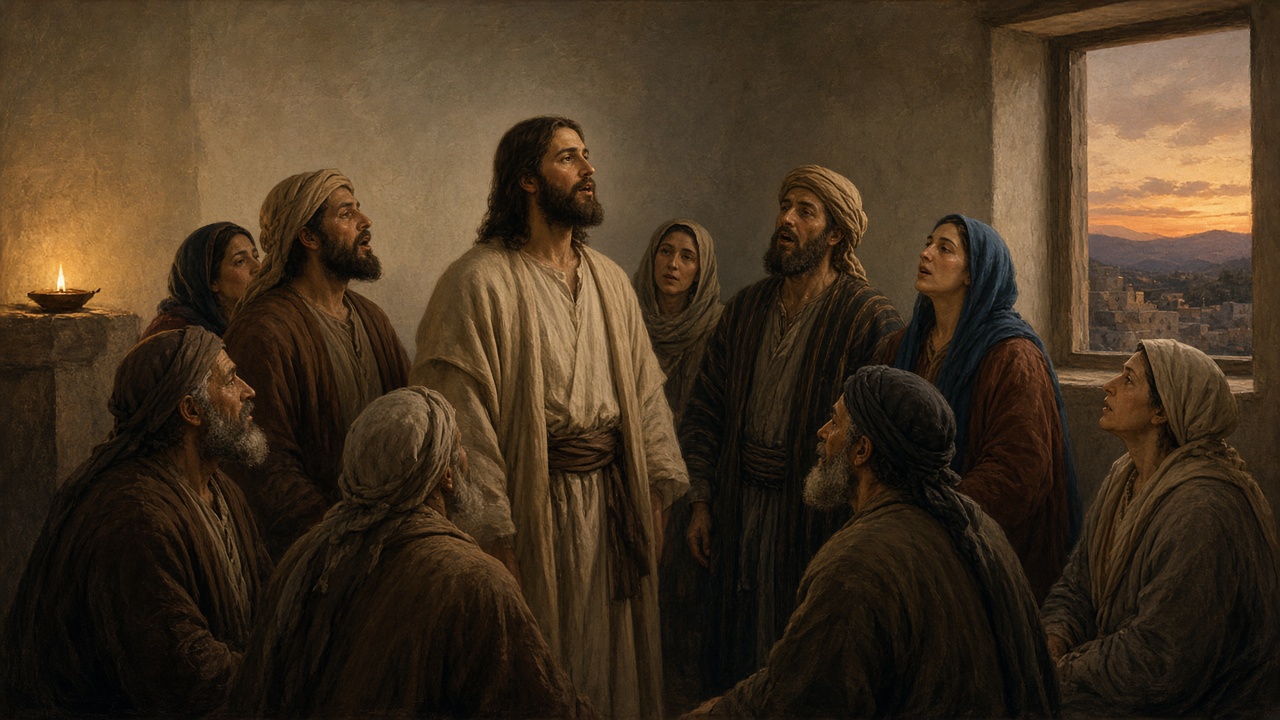
Sharing humanity, crowned through suffering
- Hebrews 2 recalls that the message spoken by angels was binding, and that every transgression and disobedience received its just punishment, then asks how anyone can escape who neglects so great a salvation. That salvation was first announced by the Lord, confirmed to us by those who heard him, and affirmed by God through signs, wonders, various miracles, and gifts of the Holy Spirit distributed according to his will.Sources: the Bible text itself
- The chapter quotes a testimony that man was made a little lower than the angels, crowned with glory and honor, with everything placed under his feet. When God subjected all things to him, he left nothing outside his control, yet at present we do not see everything subject to him. Jesus, made a little lower than the angels, is now crowned with glory and honor because he suffered death, so that by the grace of God he might taste death for everyone.Sources: the Bible text itself
- Hebrews 2 says Jesus helps not angels but the descendants of Abraham, and that he had to be made like his brothers in every way so that he might become a merciful and faithful high priest in service to God, to make atonement for the sins of the people. Abraham, son of Terah, is called father of a multitude and described as the heir of the promises.Sources: the Bible text itself · Abraham
Notes written with AI assistance from open sources (Theographic Bible Metadata, CC BY-SA 4.0; Easton’s Bible Dictionary, public domain) and reviewed before publishing.
Credits and license for this translation
Nǫ̀htsı̨̨ Nı̨̨htł'è
Dogrib: Dogrib Genesis & New Testament New Testament & Portions of Old Testament
copyright © 2009 Canadian Bible Society
Language: Dogrib
Translation by: Canadian Bible Society
Tłı̨chǫ Genesis and New Testament
About Tłı̨chǫ
Tłı̨chǫ (Dogrib) is a Na-Dene (Athabaskan) language. It is spoken by the First Nations Tłı̨chǫ people in the Northwest Territories in Canada. It has the largest number of speakers of any of the Aboriginal language communities in the NWT, and is one of the official languages of the Northwest Territories.
About This Translation
This translation includes the book of Genesis and the New Testament in Tłı̨chǫ. The first edition of the Tłı̨chǫ New Testament was published in 2003. It was a historic event, as it was the first time in more than a hundred years that a complete New Testament was published for one of the Dene First Nations in the Territories. The first edition was well received and quickly sold out. In the meantime the book of Genesis had been completed. Consequently, the 2008 reprint of the Tłı̨chǫ New Testament included Genesis.
Though this translation of the New Testament and Genesis took a total of ten years, the people who worked on it built on years of labor invested by the Tłı̨chǫ people, elders, priests and missionaries, translators, educators, and linguists. The material contained in this book was checked and approved by consultants from Wycliffe Bible Translators and the Canadian Bible Society.
If you are interested in obtaining a printed copy of this Bible, please contact the Canadian Bible Society at http://www.biblescanada.com .
Copyright Information
Dogrib Genesis and New Testament © 2003, 2008 Canadian Bible Society
The text of the Bible in Tłı̨chǫ that appears in this electronic format or website is for personal use only.
Up to five hundred (500) verses of the Bible text in any form (written, visual, electronic or audio) may be quoted without permission. The quoted verses may not be more than 50% of a complete book of the Bible, or more than 25% of the total text of the work in which they are quoted. Prior written permission must be obtained for any other use of the text. Copyright acknowledgement must in all cases appear on the title or copyright page.
For more information on copyright conditions or to apply, visit http://www.biblesociety.ca/copyright .
This translation is made available to you under the terms of the
Creative Commons Attribution-Noncommercial-No Derivatives license 4.0.
You may share and redistribute this Bible translation or extracts from it in any format, provided that:
You include the above copyright and source information.
You do not sell this work for a profit.
You do not change any of the words or punctuation of the Scriptures.
Pictures included with Scriptures and other documents on this site are licensed just for use with those Scriptures and documents.
For other uses, please contact the respective copyright owners.
2014-04-22
Source: http://ebible.org/dgrDOGNT/ · eBible.org