Hebrews 10
Nǫ̀htsı̨̨ Nı̨̨htł'è · Tap a verse to see its cross-references.
Zezì-Krı ı̨łàà zǫ dǫ gha ełaı̨wo
1Moses wenàowoò sìı ı̨daà t'asìı wedeèdlı̨ı̨ nèhòkw'ı gha ekìı weɂı̨zhı̨į̀ lanì hǫt'e, eyı nàowo sìı xàè wedeèdlı̨ı̨ k'aɂį̀ hǫt'e. Hanì ts'ıhɂǫ̀ xo taàt'eè tıts'aàdìı Nǫ̀htsı̨ gha ełaàgıhdee sìı wet'à dǫ Nǫ̀htsı̨ ts'ǫ̀ agede gha deghàà degaı agedle ha nıìle. 2Wet'à dǫ deghàà degaı ade ha nı̨dè tıts'aàdìı Nǫ̀htsı̨ gha ełaàgıhde ghǫnaget'è ha-le ı̨lè. Dǫ hazǫǫ̀ gıhołı̨į̀ gıghǫ whìle ade ha ı̨lè, eyıts'ǫ edehołı̨į̀ k'egı̨ı̨lı̨ ha-le ı̨lè. 3Hanìkò xo taàt'eè Nǫ̀htsı̨ ts'ǫ̀ tıts'aàdìı k'egeehk'ǫ̀ǫ sìı wet'à t'aats'ǫǫ̀ edehołı̨į̀ nagedì gha hǫt'e. 4Ejıezǫǫ̀ eyıts'ǫ sahzǫǫ̀ gıdoò t'à dǫ-hołı̨į̀ whìle adle ha nıìle.
5Eyıt'à Zezì-Krı dıı nèk'e ts'ǫ̀ ajà ekò, Nǫ̀htsı̨ ts'ǫ̀ dıı hadı,
“Dǫ tıts'aàdìı nets'ǫ̀ ełaàgehde eyıts'ǫ t'asìı neghàgeedıı sìı weneewǫ nıìle, hanìkò dǫzhį̀į̀ t'à ehdaà asèneelà. 6T'asìı nets'ǫ̀ gık'eehk'ǫ̀ǫ eyıts'ǫ gıhołı̨į̀ k'èxa tıts'aàdìı ełaàgehdee sìı weghǫ sìghà neewǫ nıìle. 7Eyıt'à nets'ǫ̀ dıı haehsı̨, ‘Seghǫ dek'eèhtł'è k'ę̀ę̀ jǫ nenadąą̀ nàhwho. Senǫ̀htsı̨, nınì k'ę̀ę̀ eghàlaehda ha jǫ nèehtła,’ dehsı̨,” yèhdı.
8T'akwełǫ̀ǫ̀ dıı hadı, “Tıts'aàdìı nets'ǫ̀ wek'eek'ǫ̀ǫ, t'asìı ts'eedèe nets'ǫ̀ wek'eek'ǫ̀ǫ, eyıts'ǫ hołı̨ı̨ k'èxa tıts'aàdìı ełaàgehdee sìı weghǫ sìghà neewǫ nıìle,” (Moses wenàowoò k'ę̀ę̀ hanì eghàlageeda ha hòɂǫ kò). 9Eyı tł'axǫǫ̀ dıı hadı, “Jǫ ts'atà whıhda, nınì k'ę̀ę̀ eghàlaehda ha jǫ nèehtła,” dı. Hadı t'à nakenahòdlı̨ı̨ wezǫą wedę ayį̀į̀là, eyıts'ǫ nakenahòdlı̨ı̨ wegòò whehtsı̨. 10Nǫ̀htsı̨ wınì k'ę̀ę̀ Zezì-Krı ı̨łàà zǫ gogha ełaı̨wo t'à welǫ whìle ts'ǫ̀ degaı ts'ı̨ı̨lı̨į̀ agǫ̀ǫ̀là.
11Dzę taàt'eè yahtıı hazǫǫ̀ Moses wenàowoò k'ę̀ę̀ Nǫ̀htsı̨ ladà k'e edılaà ghàlageeda. Eyı nàowo k'ę̀ę̀ k'ègok'e Nǫ̀htsı̨ ts'ǫ̀ t'asìı k'egeehk'ǫ̀, hanìkò wet'à dǫ gıhołı̨į̀ whìle ade hǫı̨lı̨ ha nıìle. 12Hanìkò dıı yahtıı-wet'àaɂàa-deè sìı welǫ whìle ts'ǫ̀ gha ı̨łàà zǫ gohołı̨į̀ k'èxa Nǫ̀htsı̨ ghàdìtı̨ tł'axǫǫ̀, Nǫ̀htsı̨ gà nàgòts'ehnèe wheda. 13Ekò gots'ǫ wets'ǫ̀ xànegı̨ı̨ɂa gı̨ı̨lı̨ı̨ sìı goghǫį̀hnè awedle gha naèhɂı̨ hǫt'e. 14Įłàà zǫ dǫ gha ełaı̨wo t'à dǫ degaı agohɂı̨ı̨ sìı welǫ whìle ts'ǫ̀ deghàà degaı gı̨ı̨lı̨į̀ agǫ̀ǫ̀là.
15Yedàyeh Nezı̨ı̨ ededı̨ sı eyı ghǫ gots'ǫ̀ gode hǫt'e. T'akwełǫ̀ǫ̀ dıı hadı: 16“Naxıgha K'àowo dıı hadı: Įdaà nı̨dè hanì gıxè nakenahohtsı̨ ha. Senàowoò gıdzeè yìı wheɂǫ ahłe ha, eyıts'ǫ gınì yìı senàowoò dek'eèhtł'è ahłe ha,” hadı.
17Eyı tł'axǫǫ̀ dıı hadı,
“Gıhołı̨į̀ eyıts'ǫ senàowoò k'èagı̨ı̨t'e-le sìı wenahdì ha-le,” hadı.
18Nǫ̀htsı̨ dǫ-hołı̨į̀ nahoı̨la ne t'à, hołı̨ı̨ k'èxa k'achı̨ tıts'aàdìı ełaàwı ha hòɂǫ-le agòjà.
T'aats'ǫǫ̀ weyatıì ts'ıtǫ̀ ha hǫt'e
19Eyıt'à sèot'ı̨ı̨, Zezì wedoò dahxà eyı Denahk'e Degaı K'è gòɂǫǫ goyats'eedè gha goghàhòt'ǫǫ sìı sıì gogha ehkw'ı-ahodı hǫt'e. 20Nàowo wegòò wet'à ts'eedaa sìı ts'ǫ̀ dexats'eède hǫt'e, gots'ǫǫ̀hk'e enìı̨t'ı tanı ts'ǫ̀ tàı̨dlà t'à, eyı sìı Zezì wezhį̀į̀ lanì hǫt'e. 21Nǫ̀htsı̨ wekǫ̀ gha yahtıı-wet'àaɂàa-deè gots'ǫ ne t'à, 22hotıì gogha ehkw'ı-ahodı eyıts'ǫ godzeè ehkw'ıı xè Nǫ̀htsı̨ ts'ǫ̀ ats'ııde. Wedoò godzeè k'e adlà t'à k'achı̨ hołı̨ı̨ edek'e nìdahots'eeɂà ha-le, eyıts'ǫ yak'e gots'ǫ tı t'à gok'enaatso hǫt'e. 23Nǫ̀htsı̨ sìı t'aats'ǫǫ̀ edeyatıì k'èdì ne t'à, goınì nàtsoo xè t'aats'ǫǫ̀ weyatıì ts'ıtǫ̀ ha hǫt'e. 24Eyıts'ǫ ełeghǫnets'eètǫ gha eyıts'ǫ ełets'ǫ̀ nezı̨į̀ eghàlats'eeda gha godzeè nàtsoò ats'ııle. 25Łą̀ą ełènats'eedè ghǫ nats'ııt'è-le. Dǫ mǫ̀hdaa haget'ı̨-le agejà. Hanìkò godzeè nàtsoò ałets'ehɂı̨ gha t'aats'ǫǫ̀ ełènats'ııdè; nǫǫde dzęę̀ ts'ǫ̀ nıwà-le t'à denahk'e t'aats'ǫǫ̀ hats'et'ı̨ welì.
26Nàowo ehkw'ıı wek'èts'eezǫǫ̀ agòìdlà kò k'èdaà hołı̨ı̨ hots'ehtsı̨ ha ts'ı̨ı̨wǫ nı̨dè, gohołı̨į̀ k'èxa t'asìı Nǫ̀htsı̨ ghàts'eɂà ha sìı gǫ̀hłı̨-le agode ha, 27eyıt'à dǫ Nǫ̀htsı̨ dzagı̨ı̨hwhǫǫ sìı Nǫ̀htsı̨ nàgoehkwa ha eyıts'ǫ kǫ̀ nàtsoo t'à gık'eek'ǫ̀ ha gıdawheɂǫ t'à sıì geejı̨ hǫt'e. 28Dǫ Moses wenàowoò k'èı̨t'e-le nı̨dè eteweèɂı̨-le ı̨lè; dǫ nàke hanì-le-ı̨dè dǫ taı gıdaà nàhòwoo sìı gık'e nìdahogį̀ı̨ɂǫ nı̨dè ełaàgıìhwhı ha hǫt'e. 29Dǫ Nǫ̀htsı̨ Weza wegha t'asìı elı̨-le, wedoò t'à nakenahòdlı̨ı̨ t'à wehołı̨į̀ whìle adlàa sìı wegha wet'àaɂà-le nı̨dè, eyıts'ǫ Nǫ̀htsı̨ wesǫnıwǫ t'à Yedàyeh Nezı̨ı̨ goghǫ̀t'ǫǫ sìı yek'èch'a eghàlaı̨dà nı̨dè eyı dǫ sìı denahk'e hòtł'ò nàweekwa ha hǫt'e. 30Nǫ̀htsı̨ wek'èts'eezǫǫ sìı ededı̨ dıı hadı, “Dǫ nàgeehkwa ha sìı sı̨ sets'ǫ̀ hoèlı̨ hǫt'e, eyıts'ǫ dǫ ekǫ-le hogehtsı̨ı̨ k'èxa ek'èt'à gıghàhoehɂà ha,” eyıts'ǫ k'achı̨ dıı hadı, “Gots'ǫ̀ K'àowo edets'ǫ dǫ gosınìyaehtı ha,” dek'eèhtł'è. 31Nǫ̀htsı̨ edaa sìı nàgoehkwa ha nı̨dè sıì goxè hoìla ha hǫt'e.
32Ek'èt'à kenaahdì, t'akwełǫ̀ǫ̀ Nǫ̀htsı̨ wegodıì wek'èhoahzà aahjà ekò, naxıxè hoìla kò ı̨łaà naxıgha ehkw'ı-ahodı xè ı̨łaà naxınì nàtsoò aahwhǫ ı̨lè. 33Ǫhk'è dǫdaà t'asìı aahłı̨-le ts'ǫ̀ naxık'adageedè xè danaxegį̀ı̨hɂa ı̨lè. Eyıts'ǫ ǫhk'è dǫ hanì gıxè hoìlaa sìı gıxè aaht'ı̨ xè gıts'àahdı ı̨lè. 34Dǫ gıdanìı̨laa sìı etegıahɂı̨ ı̨lè, eyıts'ǫ t'asìı naxıghǫ gį̀į̀hchì kò ı̨łaà naxınà ı̨lè, eyı wenahk'e t'asìı nezı̨ı̨ sìı, welǫ whìle ts'ǫ̀ naxıghaelı̨ ha wek'èahsǫ t'à.
35Eyıt'à gots'ǫ̀ K'àowo weghǫ naxınì nàtsoo sìı wedę aahłe-le, hanì-ı̨dè wek'èxa Nǫ̀htsı̨ t'asìı nechàa naxıghàɂà ha. 36Naxıxè hoìla kò ı̨łaà naxınì nàtso ha hǫt'e. Nǫ̀htsı̨ wınì k'ę̀ę̀ aahda tł'axǫǫ̀ nı̨dè naxıgha edeyatıì k'ę̀ę̀ eghàlaeda ha hǫt'e. 37Whaà-le-t'ıì, “Amìı nììtła ha sìı hotıì nììtła ha hǫt'e, eyıts'ǫ whaà wewhìle ha nıìle. 38Secheekeè ehkw'ıı elı̨ı̨ sìı wegha ehkw'ı-ahodı t'à eda ha. Hanìkò ek'èt'à anajà nı̨dè weghǫ sınà ha nıìle,” dek'eèhtł'è. 39Hanìkò goxı̨ sìı dǫ ek'èt'à anagejà t'à gıdıhòłı̨ı̨ sìı gıta gots'ǫ ats'ı̨ı̨t'e nıìle, dǫ gıgha ehkw'ı-ahodıı xè edaxàgı̨ı̨dee sìı gıta ats'ı̨ı̨t'e.
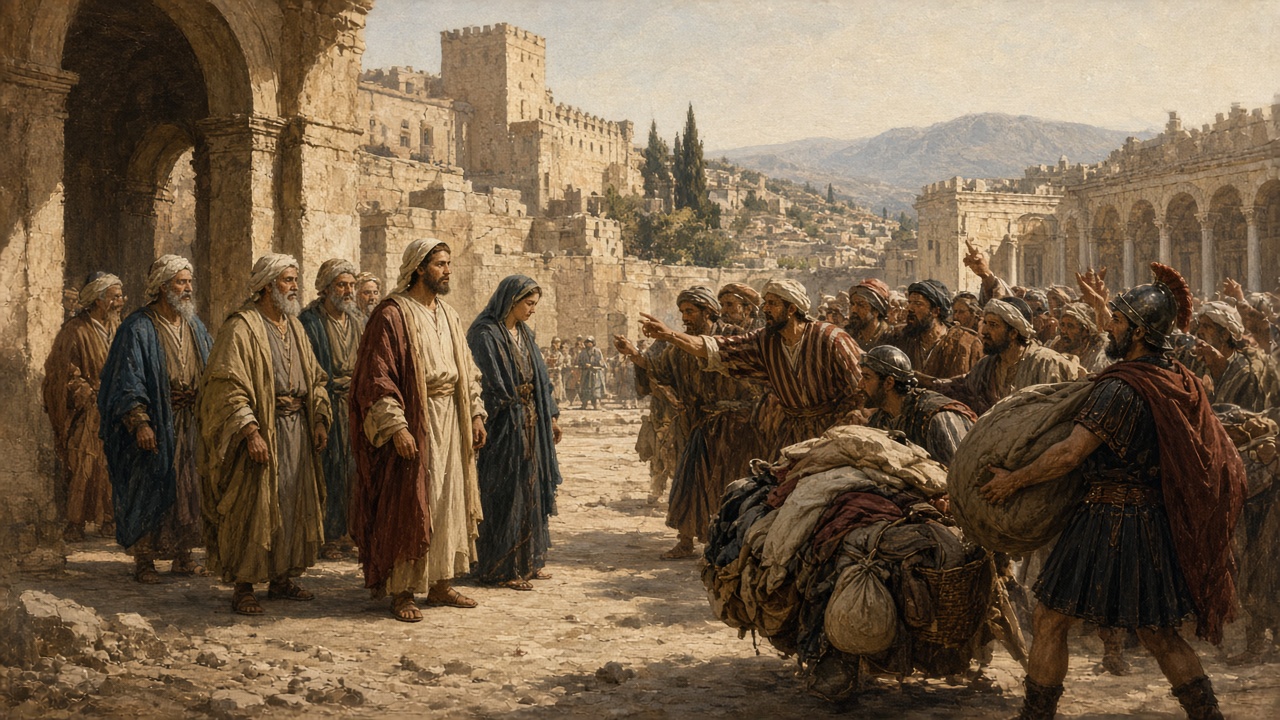
Did you know?
A Sacrifice Offered Once for All
- The law is called only a shadow of the good things to come. Sacrifices repeated year after year, and the blood of bulls and goats, are said to remind worshipers of sins rather than take those sins away; by contrast, the sacrifice of the body of Jesus Christ is presented as sanctifying people once for all.Sources: the Bible text itself
- Every priest is pictured standing day after day to offer the same sacrifices, which can never take away sins. After one sacrifice for sins, this Priest is said to have sat down at the right hand of God, and the chapter speaks of a new and living way into the Most Holy Place through the curtain of his body.Sources: the Bible text itself
- Rejecting the law of Moses, the chapter says, brought death without mercy on the testimony of two or three witnesses. It then recalls an earlier time when the readers endured public ridicule and persecution, stood with those so treated, sympathized with people in prison, and joyfully accepted the confiscation of their property.Sources: the Bible text itself
Notes written with AI assistance from open sources (Theographic Bible Metadata, CC BY-SA 4.0; Easton’s Bible Dictionary, public domain) and reviewed before publishing.
Places in this chapter
Only places identified with high confidence are shown (90% or more according to the scholarly sources compiled by OpenBible). Period map: DARE (Digital Atlas of the Roman Empire), CC BY 4.0; modern map: © OpenStreetMap contributors; places: OpenBible.info (CC BY 4.0).
Credits and license for this translation
Nǫ̀htsı̨̨ Nı̨̨htł'è
Dogrib: Dogrib Genesis & New Testament New Testament & Portions of Old Testament
copyright © 2009 Canadian Bible Society
Language: Dogrib
Translation by: Canadian Bible Society
Tłı̨chǫ Genesis and New Testament
About Tłı̨chǫ
Tłı̨chǫ (Dogrib) is a Na-Dene (Athabaskan) language. It is spoken by the First Nations Tłı̨chǫ people in the Northwest Territories in Canada. It has the largest number of speakers of any of the Aboriginal language communities in the NWT, and is one of the official languages of the Northwest Territories.
About This Translation
This translation includes the book of Genesis and the New Testament in Tłı̨chǫ. The first edition of the Tłı̨chǫ New Testament was published in 2003. It was a historic event, as it was the first time in more than a hundred years that a complete New Testament was published for one of the Dene First Nations in the Territories. The first edition was well received and quickly sold out. In the meantime the book of Genesis had been completed. Consequently, the 2008 reprint of the Tłı̨chǫ New Testament included Genesis.
Though this translation of the New Testament and Genesis took a total of ten years, the people who worked on it built on years of labor invested by the Tłı̨chǫ people, elders, priests and missionaries, translators, educators, and linguists. The material contained in this book was checked and approved by consultants from Wycliffe Bible Translators and the Canadian Bible Society.
If you are interested in obtaining a printed copy of this Bible, please contact the Canadian Bible Society at http://www.biblescanada.com .
Copyright Information
Dogrib Genesis and New Testament © 2003, 2008 Canadian Bible Society
The text of the Bible in Tłı̨chǫ that appears in this electronic format or website is for personal use only.
Up to five hundred (500) verses of the Bible text in any form (written, visual, electronic or audio) may be quoted without permission. The quoted verses may not be more than 50% of a complete book of the Bible, or more than 25% of the total text of the work in which they are quoted. Prior written permission must be obtained for any other use of the text. Copyright acknowledgement must in all cases appear on the title or copyright page.
For more information on copyright conditions or to apply, visit http://www.biblesociety.ca/copyright .
This translation is made available to you under the terms of the
Creative Commons Attribution-Noncommercial-No Derivatives license 4.0.
You may share and redistribute this Bible translation or extracts from it in any format, provided that:
You include the above copyright and source information.
You do not sell this work for a profit.
You do not change any of the words or punctuation of the Scriptures.
Pictures included with Scriptures and other documents on this site are licensed just for use with those Scriptures and documents.
For other uses, please contact the respective copyright owners.
2014-04-22
Source: http://ebible.org/dgrDOGNT/ · eBible.org