Genesis 2
Nǫ̀htsı̨̨ Nı̨̨htł'è · Tap a verse to see its cross-references.
1Hanì t'aa yat'a t'asìı whelaa eyıts'ǫ dèè k'e t'asìı hazǫǫ̀ whelaa sìı deghàà hòèlı̨. 2Łǫ̀hdı̨ dzęę̀ t'à Nǫ̀htsı̨ edılaà hazǫǫ̀ ghǫ nǫǫt'e, eyıt'à łǫ̀hdı̨ dzęę̀ k'e nahoèhzı. 3Nǫ̀htsı̨ łǫ̀hdı̨ dzęę̀ t'à t'asìı hazǫǫ̀ whehtsı̨ ghǫ nǫǫt'e tł'axǫǫ̀ eyı dzęę̀ k'e nahoèhzı, eyıt'à eyı dzęę̀ k'e degaı dzęę̀ whehtsı̨ eyıts'ǫ wek'e sìghà hòɂǫǫ̀ ayį̀į̀là.
Adam eyıts'ǫ Eve
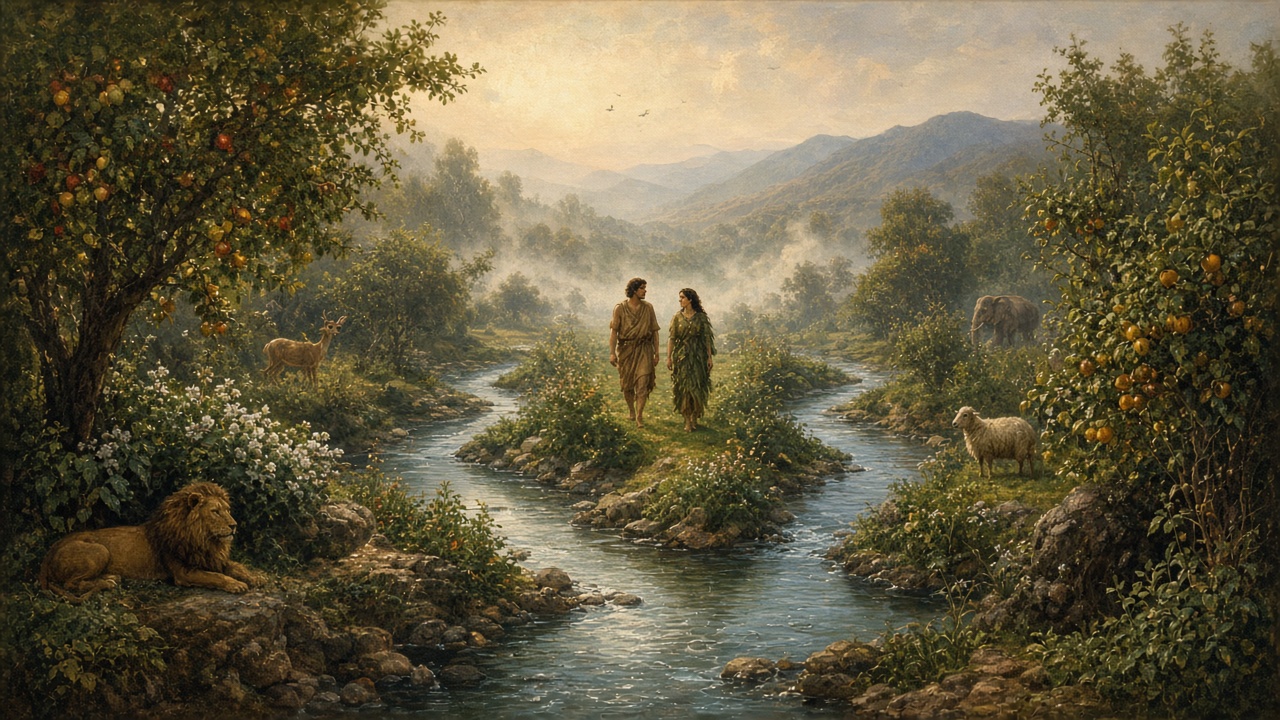
4Dıı godı sìı Nǫ̀htsı̨ yak'e eyıts'ǫ dèè whehtsı̨ı̨ wegodıì hǫt'e. Nǫ̀htsı̨ yak'e eyıts'ǫ dèè whehtsı̨ ekò, dıı hanì eghàlaı̨dà hǫt'e:
5Ekò k'e sìı dèè k'e dechı̨ wı̨ı̨zìı gǫ̀hłı̨-le, eyıts'ǫ dèè gots'ǫ ı̨t'ǫ̀ ı̨łaà xàehshe-le ı̨lè. Nǫ̀htsı̨ ı̨łaà dèè k'e chǫh ayį̀į̀là-le, eyıts'ǫ dǫ dèè k'e eghàlaeda ha gǫ̀hłı̨-le. 6Hanìkò dèè goyìı gots'ǫ dehtsoa xàı̨lı̨ ı̨lè; wet'à dèè k'e nagòhtso. 7Eyı tł'axǫǫ̀ gots'ǫ̀ K'àowo Nǫ̀htsı̨ dèè gots'ǫ ehtł'è t'à dǫ whehtsı̨. Dǫ wı̨ı̨ghǫ̀ yìı whehsò t'à edaà ayį̀į̀là, hanì t'aa dǫ edaà ajà.
8Gots'ǫ̀ K'àowo Nǫ̀htsı̨ sìı Eden nèk'e dèè-goehshee-k'è gòhtsı̨. Dǫ whehtsı̨ı̨ sìı ekǫ nèyeèchì. 9Gots'ǫ̀ K'àowo Nǫ̀htsı̨ sìı dechı̨ hazǫǫ̀ xàɂaa dèè k'e dehsheè ayį̀į̀là. Ts'ı wèdaat'ı̨ı̨ xè wets'ǫ jìecho ts'edè gha nezı̨ı̨ sìı dehsheè ayį̀į̀là. Eyı dèè-goehshee-k'è tanı ts'ı wet'à ts'eedaa nàı̨ɂa, eyıts'ǫ ts'ı wet'à nàowo nezı̨ı̨ eyıts'ǫ nàowo nezı̨-le k'èhots'eezǫǫ nàı̨ɂa.
10Eden nèk'e gots'ǫ dehcho nı̨ı̨ɂà, wet'à dèè-goehshee-k'è nagòhtso. Eyı dehcho nı̨ı̨ɂàa gots'ǫ dehcho dı̨ nı̨ı̨lı̨į̀ ajà. 11Dehcho t'akwełǫ̀ǫ̀ sìı Pıshon wìyeh. Eyı dehcho Havılah nèk'e sǫǫ̀mbaekwo gǫ̀hłı̨ı̨ sìı ekǫ nèk'e welǫ ts'ǫ̀ nı̨ı̨lı̨ hǫt'e. 12(Ekǫ sǫǫ̀mbaekwo nezı̨ı̨ gǫ̀hłı̨. Dzèh-łekǫǫ dèk'ǫ̀ǫ eyıts'ǫ kwe wèdaat'ı̨ı̨ sı gǫ̀hłı̨ hǫt'e.) 13Dehcho nàke t'à nı̨ı̨lı̨ı̨ sìı Gıhon wìyeh. Eyı dehcho Kush nèk'e hazǫǫ̀ ts'ǫ̀ nı̨ı̨ɂà. 14Eyıts'ǫ taı t'à dehcho nı̨ı̨lı̨ı̨ sìı Tıgrıs wìyeh. Eyı dehcho kǫ̀godeè Ashur sa kàɂàa ts'ǫnèe wexanı̨ı̨lı̨ hǫt'e. Eyıts'ǫ dı̨ t'à dehcho nı̨ı̨lı̨ı̨ sìı Yufrates wìyeh hǫt'e.
15Nǫ̀htsı̨ dǫ whehtsı̨ı̨ sìı dèè-goehshee-k'è Eden gòyeh ekǫ nèyı̨ı̨htı̨. Dèè k'e eghàlaeda ha eyıts'ǫ dèè k'èdì ha ayį̀į̀là. 16Gots'ǫ̀ K'àowo Nǫ̀htsı̨ eyı dǫ ghàyatıı̨ɂǫ, hayèhdı, “Jǫ dèè-goehshee-k'è ts'ı t'alàa-sìı gots'ǫ shènetı̨ ha dìì-le, 17hanìkò ts'ı wet'à nàowo nezı̨ı̨ eyıts'ǫ nàowo nezı̨-le k'èhots'eezǫǫ sìı wets'ǫ shènetı̨ ha-le. Eyı ts'ı wets'ǫ shènetı̨ nı̨dè ełaı̨wı ha hǫt'e,” yèhdı.
18Eyı tł'axǫǫ̀ Nǫ̀htsı̨ hadı, “Dǫ whatsǫǫ̀ nàdèe sìı nezı̨ nıìle. Yets'àdıı wexıìzǫǫ sìı wegha ehtsı̨ ha,” hadı.
19Gots'ǫ̀ K'àowo Nǫ̀htsı̨ tıts'aàdìı hazǫǫ̀ eyıts'ǫ t'asìı hazǫǫ̀ yat'a k'edèe sìı dèè gots'ǫ ehtł'è t'à gòèhtsı̨ hǫt'e. Tıts'aàdìı hazǫǫ̀ whehtsı̨ı̨ sìı dǫ dànì goızì yehtsı̨ ha nıwǫ t'à, yets'ǫ̀ nègòı̨wa. Tıts'aàdìı dànì goızıı sìı k'ę̀ę̀ gıızì gǫ̀hłı̨į̀ ajà. 20Eyıt'à eyı dǫ sìı tıts'aàdìı wek'èhodìı hazǫǫ̀ goızì whehtsı̨, yat'a k'edèe hazǫǫ̀, eyıts'ǫ tıts'aàdìı whatsǫǫ̀ edeedaa sìı hazǫǫ̀ goızì whehtsı̨. Hanìkò Adam ts'àdı ha wexıìzǫǫ sìı gǫ̀hłı̨-le.
21Eyıt'à gots'ǫ̀ K'àowo Nǫ̀htsı̨ Adam be nàtsoo t'à dètı̨į̀ ayį̀į̀là. Dǫ whetı̨ wets'ǫ Nǫ̀htsı̨ yechǫǫ̀ ı̨łè xàechì gà wekwǫ̀ ełets'ǫ̀ anayį̀į̀là. 22Gots'ǫ̀ K'àowo Nǫ̀htsı̨ dǫ wechǫǫ̀ xàechìı sìı yet'à ts'èko whehtsı̨. Eyı ts'èko sìı dǫzhìı gà nèyeèchì.
23Dǫ hadı,
“Dıı ts'èko wekw'ǫǫ̀ sìı sekw'ǫǫ̀ t'à hòèlı̨ hǫt'e,
eyıts'ǫ wekwǫ̀ sekwǫ̀ t'à hòèlı̨ hǫt'e.
Dǫzhìı gots'ǫ wehòèlı̨ ne t'à
‘ts'èko’ wìyeh ha,” hadı.
24Eyı ts'ıhɂǫ̀ dǫzhìı sìı edetà eyıts'ǫ edemǫ gots'ǫǫ̀ xàetła ha; edets'èkeè xè dǫ ı̨łè lagede ha, gızhį̀į̀ ı̨łè zǫ lade ha.
25Dǫzhìı eyıts'ǫ wets'èkeè į̀łah ı̨ht'edę geke, hanìkò edeghǫ į̀į̀zhagı̨ı̨lı̨-le.
Did you know?
Adam, Eden, and the Four Rivers
- Adam, meaning “red,” is a Babylonian word and the ordinary name for a human being, with the same sense in Hebrew and in Assyrian. It was given to the first man. He was formed from the dust of the ground—hence the name—and God breathed into his nostrils the breath of life.Sources: Adam · the Bible text itself
- A river flowed out of Eden and divided into four headwaters: the Pishon, the Gihon, the Hiddekel, and the Euphrates. Some identify the Pishon with the Phasis or the Halys, others with the Indus, the Ganges, or still other rivers; the Gihon has been identified with the Nile, and others regard it as the Oxus, the Araxes, or the Ganges. The Hiddekel is the Tigris, called by the Accadians the river of Idikla; Gesenius understood the name as “the rapid Tigris.”Sources: the Bible text itself · Pison · Gihon · Hiddekel
- The site of Eden, the garden in which the first parents lived, has been discussed more than almost any other geographical question. It has been placed in Armenia, in the region west of the Caspian Sea, in Media, near Damascus, in Palestine, in southern Arabia, and in Babylonia. Easton's Bible Dictionary (1897) seeks it along the Tigris and the Euphrates of western Asia, in the land of Shinar, or Babylonia.Sources: Eden
Notes written with AI assistance from open sources (Theographic Bible Metadata, CC BY-SA 4.0; Easton’s Bible Dictionary, public domain) and reviewed before publishing.
Places in this chapter
- Assyria · 36.359, 43.153 · verse 14
- Euphrates · Today: Euphrates River · 31.004, 47.442 · verse 14
- Tigris · Today: Tigris River · 31.004, 47.442 · verse 14
Only places identified with high confidence are shown (90% or more according to the scholarly sources compiled by OpenBible). Period map: DARE (Digital Atlas of the Roman Empire), CC BY 4.0; modern map: © OpenStreetMap contributors; places: OpenBible.info (CC BY 4.0).
Credits and license for this translation
Nǫ̀htsı̨̨ Nı̨̨htł'è
Dogrib: Dogrib Genesis & New Testament New Testament & Portions of Old Testament
copyright © 2009 Canadian Bible Society
Language: Dogrib
Translation by: Canadian Bible Society
Tłı̨chǫ Genesis and New Testament
About Tłı̨chǫ
Tłı̨chǫ (Dogrib) is a Na-Dene (Athabaskan) language. It is spoken by the First Nations Tłı̨chǫ people in the Northwest Territories in Canada. It has the largest number of speakers of any of the Aboriginal language communities in the NWT, and is one of the official languages of the Northwest Territories.
About This Translation
This translation includes the book of Genesis and the New Testament in Tłı̨chǫ. The first edition of the Tłı̨chǫ New Testament was published in 2003. It was a historic event, as it was the first time in more than a hundred years that a complete New Testament was published for one of the Dene First Nations in the Territories. The first edition was well received and quickly sold out. In the meantime the book of Genesis had been completed. Consequently, the 2008 reprint of the Tłı̨chǫ New Testament included Genesis.
Though this translation of the New Testament and Genesis took a total of ten years, the people who worked on it built on years of labor invested by the Tłı̨chǫ people, elders, priests and missionaries, translators, educators, and linguists. The material contained in this book was checked and approved by consultants from Wycliffe Bible Translators and the Canadian Bible Society.
If you are interested in obtaining a printed copy of this Bible, please contact the Canadian Bible Society at http://www.biblescanada.com .
Copyright Information
Dogrib Genesis and New Testament © 2003, 2008 Canadian Bible Society
The text of the Bible in Tłı̨chǫ that appears in this electronic format or website is for personal use only.
Up to five hundred (500) verses of the Bible text in any form (written, visual, electronic or audio) may be quoted without permission. The quoted verses may not be more than 50% of a complete book of the Bible, or more than 25% of the total text of the work in which they are quoted. Prior written permission must be obtained for any other use of the text. Copyright acknowledgement must in all cases appear on the title or copyright page.
For more information on copyright conditions or to apply, visit http://www.biblesociety.ca/copyright .
This translation is made available to you under the terms of the
Creative Commons Attribution-Noncommercial-No Derivatives license 4.0.
You may share and redistribute this Bible translation or extracts from it in any format, provided that:
You include the above copyright and source information.
You do not sell this work for a profit.
You do not change any of the words or punctuation of the Scriptures.
Pictures included with Scriptures and other documents on this site are licensed just for use with those Scriptures and documents.
For other uses, please contact the respective copyright owners.
2014-04-22
Source: http://ebible.org/dgrDOGNT/ · eBible.org