Acts 13
Nǫ̀htsı̨̨ Nı̨̨htł'è · Tap a verse to see its cross-references.
Barnabas eyıts'ǫ Saul dǫ ts'ǫ̀ gogeèhɂà
1Kǫ̀ta Antıoch ekǫ Nǫ̀htsı̨ wecheekeè gıta nakwenàoɂǫǫ eyıts'ǫ dǫ-hoghàehtǫǫ-dǫǫ̀ gǫ̀hłı̨: Barnabas, Sımeyon (Naıger sı wìyeh), Cyrene got'ı̨į̀ Lucıyus, Manan (k'àowocho Herod xè dèzhǫ) eyıts'ǫ Saul. 2Įłàà yagehtı xè edegegǫ ekò Yedàyeh Nezı̨ı̨ gots'ǫ̀ goı̨de, hadı, “Barnabas eyıts'ǫ Saul segha eghàlageeda ha t'à, seghàgıahłe,” gòhdı. 3Eyıt'à Nǫ̀htsı̨ wecheekeè edegıagǫ xè yagı̨ı̨htı tł'axǫǫ̀ edılà Barnabas eyıts'ǫ Saul gok'e agį̀į̀là gà gok'eèyagı̨ı̨htı. Eyı tł'axǫǫ̀ edı̨į̀ ts'ǫ̀ agede ha sìı ts'ǫ̀ gogeèhɂà.
Barnabas eyıts'ǫ Saul Cyprus nèłegeètła
4Barnabas eyıts'ǫ Saul Yedàyeh Nezı̨ı̨ k'egohɂı̨ t'à kǫ̀ta Seleucıa ts'ǫ̀ agejà eyı gots'ǫ Cyprus dı nechàa wheɂǫǫ ts'ǫ̀ geèɂe. 5Kǫ̀ta Salamıs nègı̨ı̨de ekò Israel got'ı̨į̀ gıts'ǫ ełègehdèe-kǫ̀ goyìı Nǫ̀htsı̨ yatıì t'à dǫ xè gogedo. John-Mark gots'àdı t'à goxè at'ı̨.
6Eyı dı hazǫǫ̀ k'e k'egıadèe tł'axǫǫ̀ kǫ̀ta Paphos ts'ǫ̀ agejà. Ekǫ Israel got'ı̨į̀ ı̨łè Bar-Zezu wìyeh (Elımas sı wìyeh) gıaɂı̨. Nakwenàoɂǫǫ ehkw'ı adı-le xè ı̨k'ǫǫ̀-elı̨ı̨ hǫt'e. 7Eyı dǫ k'àowo Sergıus-Paulus gha k'eyaetıı elı̨. Eyı k'àowo nezı̨į̀-nànıwoo-dǫǫ̀ hǫt'e. Nǫ̀htsı̨ yatıì k'èezǫ ha nıwǫ t'à, Barnabas eyıts'ǫ Saul gokàehɂà. 8Hanìkò Elımas, ı̨k'ǫǫ̀-elı̨ı̨-dǫǫ̀ (eyı k'ę̀ę̀ wıızì wheɂǫǫ) sìı, k'àowo wegha ehkw'ı-ahodı ha-le nıwǫ t'à, gok'èch'a xàyaı̨htı. 9Saul (Paul sı wìyeh) Yedàyeh Nezı̨ı̨ wets'ǫ̀-èlı̨ t'à hotıì Elımas ghàı̨dà gà yets'ǫ̀ hadı, 10“Nı̨ sìı wehłı̨ı̨ weza anet'e, t'asìı hazǫǫ̀ ehkw'ı ne sìı k'èch'a anet'e! T'asìıłı̨ı̨ hazǫǫ̀ xàɂaa eyıts'ǫ hots'ets'ìı nàowoò hanıı zǫ k'èı̨zǫ. Dàht'e-ı̨dè Nǫ̀htsı̨ wenàowoò k'èch'a eghàlaı̨da ghǫ naąt'e ha? 11Hòt'a Nǫ̀htsı̨ nàneehkwa ha. Nedaà goìle ade ha eyıts'ǫ sìghaı̨waà ts'ǫ̀ dzęh negha xègaat'ı̨ ha-le,” yèhdı.
Ekòet'ıì wenadąą̀ ɂàh lagòjà eyıts'ǫ togoòtł'ò agòjà, dǫ k'eyehɂı̨ ha nıwǫ t'à edılà t'à k'eedı. 12K'àowo dàgòjàa sìı yaɂı̨ ekò wegha enıìyah t'à Zezì weyatıì wegha ehkw'ı-ahodıì ajà.
Barnabas eyıts'ǫ Paul kǫ̀ta Pısıdıan-Antıoch nèłegeètła
13Paul eyıts'ǫ dǫ yexè aget'ı̨ı̨ sìı kǫ̀ta Paphos gots'ǫ Pamphylıa nèk'e kǫ̀ta Perga ts'ǫ̀ geèɂe. Ekǫ John-Mark gots'ǫǫ̀ naèhtła, Jerusalem ts'ǫ̀ anajà. 14Kǫ̀ta Perga gots'ǫ kǫ̀ta Pısıdıan-Antıoch ts'ǫ̀ agejà. Nǫ̀htsı̨ Dzęę̀ k'e ełègehdèe-kǫ̀ goyagı̨ı̨de gà goxè gıakw'è. 15Moses wenàowoò eyıts'ǫ nakwenàoɂǫǫ gını̨htł'è k'eyagı̨ı̨htı tł'axǫǫ̀ ełègehdèe-kǫ̀ gha k'aodèe gı̨ı̨lı̨ı̨ sìı Paul eyıts'ǫ Barnabas ts'ǫ̀ yatı nègı̨ı̨ɂǫ, “Sèot'ı̨ı̨, yatı nezı̨ı̨ dǫ ghàahɂà ha dahwhǫ-ı̨dè gots'ǫ̀ haahdı,” gògedı.
16Eyıt'à Paul nıìtła, edılà ı̨dòo ayį̀į̀là xè gots'ǫ̀ hadı, “Israel got'ı̨į̀ eyıts'ǫ naxı̨ dǫ eyıì-le xàɂaa Nǫ̀htsı̨ ghàtsį̀ahdıı aahłı̨ı̨ sìı, hotıì seàhkw'ǫ! 17Israel got'ı̨į̀ Gınǫ̀htsı̨ sìı gocho edegha gòį̀hchì hǫt'e. Egypt nèk'e agı̨ı̨t'e ekò gıza łǫ xè t'asìı łǫ gıts'ǫ agǫ̀ǫ̀là ı̨lè. Eyıts'ǫ enıìyah deè whehtsı̨ t'à eyı nèk'e gots'ǫ xàgoèwa ı̨lè. 18Dı̨ènǫ xo haı̨hwha gots'ǫ̀ ekìı-ka nèk'e ts'ıɂǫ̀-hogeèɂǫ kò Nǫ̀htsı̨ ɂǫ̀goehdè-le ı̨lè. 19Canaan nèk'e, dǫ xàɂaa łǫ̀hdı̨ eyı nàgı̨ı̨dèe sìı hazǫǫ̀ xàgodeèzhì ı̨lè. Gınèè edets'ǫ dǫ łǫ̀ǫ̀ goghàyı̨ı̨ɂǫ. 20Eyı hazǫǫ̀ hagòjàa sìı dı̨akw'eènǫ-daats'ǫ̀-sı̨laènǫ xo ekìıyeè k'e agòjà.
“Eyı tł'axǫǫ̀ Samuel nakwenàoɂǫǫ whelı̨ gots'ǫ̀ Nǫ̀htsı̨ dǫ gha k'aodèe whehtsı̨. 21Eyı tł'axǫǫ̀ k'àowocho gogha k'àowo elı̨ ha gı̨ı̨wǫǫ̀ agejà. Eyıt'à Nǫ̀htsı̨ sìı, Kısh weza Saul (Benjamın gots'ǫ dǫ), dı̨ènǫ xo gots'ǫ̀ gogha k'àowocho elı̨ ayį̀į̀là. 22Eyı tł'axǫǫ̀ Nǫ̀htsı̨ Saul wedę ayį̀į̀là, Davıd k'àowocho elı̨ ayį̀į̀là. Nǫ̀htsı̨ yeghǫ dıı hadı ı̨lè, ‘Davıd, Jesse weza sìı, sınì k'ę̀ę̀ dǫ elı̨ hǫt'e. T'asìı hazǫǫ̀ ts'ǫ̀ wehɂaa sìı hayele ha,’ Nǫ̀htsı̨ yeghǫ hadı ı̨lè.
23“Nǫ̀htsı̨ sìı Davıd wets'ıhɂǫ̀ǫ-dǫǫ̀ gots'ǫ amìı Edaxàgolee elı̨ı̨ sìı Israel got'ı̨į̀ ts'ǫ̀ ayı̨į̀là. Eyı sìı Zezì hǫt'e. Eyıt'à Nǫ̀htsı̨ edeyatıì k'ę̀ę̀ eghàlaı̨dà. 24Hanìkò Zezì nììtła kwe sìı John-Baptıst, edek'ets'ı̨ı̨lı̨ eyıts'ǫ gok'ètaìdzı̨ ghǫ Israel got'ı̨į̀ hazǫǫ̀ gots'ǫ̀ goı̨de. 25John-Baptıst, Nǫ̀htsı̨ la yeghàı̨ɂǫǫ sìı yeghǫ nat'è ha nìkw'o ekò hadı, ‘Eyı dǫ aht'e dahwhǫ nì? Į̀le, eyı aht'e nıìle. Eyı dǫ sek'èè nììtła ha sìı wekechı̨į̀tł'ıì ejıehge ha kò dǫ lahoeht'ı̨ nıìle,’ hadı ı̨lè.
26“Sèot'ı̨ı̨, Abraham wets'ǫ dǫ yàahłı̨ı̨ eyıts'ǫ naxı̨, dǫ eyıì-le xàɂaa Nǫ̀htsı̨ ghǫ hòtł'ò aahwhǫǫ sìı dıı edaxàts'eedèe wegodıì goxı̨ gots'ǫ̀ adlà hǫt'e. 27Dǫ Jerusalem nàgedèe eyıts'ǫ gıgha k'aodèe sìı Zezì amìı ne gık'èezǫ ha gı̨ı̨wǫ-le. Ełaàwı ha gısınìyaı̨htı t'à, Nǫ̀htsı̨ Dzęę̀ taàt'eè nakwenàoɂǫǫ gını̨htł'è gık'eyahtıı sìı k'ę̀ę̀ eghàlagı̨ı̨dà hǫt'e. 28Yek'èxa ełaàwı ha whìle kò ełaàgıìhwhı ha k'àowo Pılate ts'ǫ̀ gogı̨ı̨de. 29T'asìı hazǫǫ̀ weghǫ dek'eèhtł'èe sìı hanì gıts'ǫ̀ eghàlaı̨dà tł'axǫǫ̀, dechı̨et'aa k'e gots'ǫ hodàgıachì gà kwe yìı wekw'ǫǫ̀ nègı̨į̀tǫ. 30Hanìkò Nǫ̀htsı̨ sìı naìdà ayį̀į̀là, 31eyıts'ǫ łǫ dzęę̀ ts'ǫ̀ Galılee nèk'e gots'ǫ kǫ̀ta Jerusalem ts'ǫ̀ dǫ gıxè k'egedèe ı̨lèe sìı gıaɂı̨. Eyı dǫ gıdaà agòjàa sìı gòet'ı̨ xè gogıado.
32“Eyı godı nezı̨ı̨ naxıts'ǫ̀ hats'edı: Įdèe whaà gots'ǫ Nǫ̀htsı̨ gocho ghàyatınıɂǫǫ sìı eyı hǫt'e. 33Goxı̨, gıza ats'ı̨ı̨t'ee sìı, Zezì naìdà ayį̀į̀là t'à, gogha edeyatıì k'ę̀ę̀ eghàlaı̨dà hǫt'e. Nǫ̀htsı̨ ts'ǫ̀ ts'ejı̨ı̨ enı̨htł'è k'e dıı hanì dek'eèhtł'è:
‘Nı̨ sìı Seza anet'e; hòt'a dıı dzęę̀ k'e Netà whıhłı̨,’ dek'eèhtł'è.
34Nǫ̀htsı̨ naìdà ayį̀į̀là eyıt'à wekwǫ̀ ehjı hǫı̨lı̨ ha nıìle. Eyı t'à weghǫ dıı hanì dek'eèhtł'è:
‘K'àowocho Davıd wexè sìghà hòɂǫ ha hotıì hanì wets'ǫ̀ yatı degaı whıhtsı̨ı̨ sìı nı̨ neghàɂà ha hǫt'e,’ dek'eèhtł'è.
35Eyıts'ǫ k'achı̨ weghǫ dıı hanì dek'eèhtł'è:
‘Nets'ǫ degaı elı̨ı̨ sìı wekwǫ̀ ehjı ch'à wek'ènedì ha,’ dek'eèhtł'è.
36“Davıd ededı̨ eda ekò Nǫ̀htsı̨ k'ę̀ę̀ eghàlaı̨dà tł'axǫǫ̀ ełaı̨wo. Wèot'ı̨ gà wekw'ǫǫ̀ nègı̨į̀tǫ eyıts'ǫ wekwǫ̀ ı̨hjıì ajà. 37Hanìkò eyı dǫ Nǫ̀htsı̨ naìdà ayį̀į̀làa sìı wekwǫ̀ ı̨hjıì ajà nıìle.
38“Eyıt'à sèot'ı̨ı̨, dıı wek'èahsǫ ha dehwhǫ: Zezì ededı̨ wet'à gohołı̨į̀ goghǫ nahoezhe. Dıì eyı weghǫ naxıts'ǫ̀ gots'ede. 39Dǫ hazǫǫ̀ Zezì ehkw'ı adı gı̨ı̨wǫǫ sìı Nǫ̀htsı̨ xè ehkw'ıì agedle ha hǫt'e. Moses wenàowoò k'èahdì t'à hanì ehkw'ıì anaxedle ha dìì. 40Nakwenàoɂǫǫ dàgı̨ı̨dìı sìı hotıì naxıxè hagoıde sǫ̀ǫ̀. Dıı hagedı ı̨lè,
41‘Naxı̨ seyatıì ghaahdlòo yàahłı̨ı̨ sìı aàhkw'o xè ts'ehłı̨ laahde. Dıı nèk'e aahda ekìıyeè k'e t'asìı nechàa eghàlaehda ha, eyı sìı naxıgha ehkw'ı-ahodı ha-le. Dǫ hanaxègedı kò naxıgha ehkw'ı agedı ha nıìle,’ dek'eèhtł'è,” Paul gòhdı.
42Paul eyıts'ǫ Barnabas ełègehdèe-kǫ̀ gots'ǫ xàgeedè ha ekò dǫ gots'ǫ̀ hagedı, “Įdaà dzęahta Nǫ̀htsı̨ Dzęę̀ k'e nı̨dè k'achı̨ eyı godıì t'à goxè goahdo nǫǫ̀,” gedı. 43Ełegeèhdì ghǫnahǫ̀t'e ekò Israel got'ı̨į̀ łǫ eyıts'ǫ dǫ eyıì-le xàɂaa Israel got'ı̨į̀ gınàowoò k'ę̀ę̀ agejàa sìı Paul eyıts'ǫ Barnabas k'èè geède. Nǫ̀htsı̨ edesǫnıwǫǫ̀ goghàı̨ɂǫǫ sìı k'ę̀ę̀ aahda dǫ ts'ǫ̀ hagedı.
44K'achı̨ Nǫ̀htsı̨ Dzęę̀ k'e nèhòı̨wo ekò gots'ǫ̀ K'àowo wegodıì geèhkw'ǫ ha gı̨ı̨wǫ t'à, eyı kǫ̀godeè gots'ǫ k'àhdzǫ dǫ hazǫǫ̀ łą̀ą ełèwhede. 45Dǫ haàtłǫǫ ełèwhede t'à, Israel got'ı̨į̀ sıì ts'ohogeedı xè gıgha nezı̨-le. Paul dàdıı sìı k'èch'a gogede.
46Hanìkò Paul eyıts'ǫ Barnabas ededageedì-le, hagedı, “Naxı̨ sìı t'akwełǫ̀ǫ̀ Nǫ̀htsı̨ weyatıì naxıts'ǫ̀ hats'edı ha hǫt'e ı̨lè. Hanìkò naxıgha wedę aahłà eyıts'ǫ welǫ whìle ts'ǫ̀ aahda ha naxıgha wet'àaɂà-le t'à, dıì dǫ eyıì-le xàɂaa ts'ǫ̀ ats'ede ha. 47Gots'ǫ̀ K'àowo dıı hadıì gots'ǫ̀ xàyaı̨htı ı̨lè,
‘Naxı̨ sìı dǫ eyıì-le xàɂaa gıgha dzęh laaht'e anaxèhłà. Dıı nèk'e dǫ hazǫǫ̀ dànì edaxàgeedè ha sìı gıts'ǫ̀ haahdı ha,’ ” gòhdı ı̨lè.
48Dǫ eyıì-le xàɂaa eyı nàgeèhzaa sìı hagedı egıìkw'o ekò sıì gınà ahodı eyıts'ǫ gots'ǫ̀ K'àowo weyatıì ghǫ nezı̨į̀ agedı. Dǫ hazǫǫ̀ welǫ whìle ts'ǫ̀ geeda ha Nǫ̀htsı̨ goghàhòı̨ɂǫǫ sìı hazǫǫ̀ gıgha ehkw'ı-ahodı.
49Eyı nèk'e hazǫǫ̀ gots'ǫ̀ K'àowo wegodıì dǫ ts'ǫ̀ ajà. 50Hanìkò Israel got'ı̨į̀ dǫ xè nıdahǫǫ̀woò agį̀į̀là, ts'èko ahxee gı̨ı̨lı̨ı̨ Nǫ̀htsı̨ gı̨ı̨wǫ eyıts'ǫ kǫ̀godeè gha k'aodèe gı̨ı̨lı̨ı̨ gıxè nàdahoowo. Paul eyıts'ǫ Barnabas k'èch'a nàdahogehdè t'à eyı nèk'e gots'ǫǫ̀ xàgogeèhɂà. 51Dǫ gots'ǫ̀ ehkw'ı eghàlagı̨ı̨dà-le weghàà edek'ègeezǫ ha t'à, Paul eyıts'ǫ Barnabas edekètł'a ehtł'è whìle agį̀į̀là. Eyı tł'axǫǫ̀ kǫ̀godeè Iconıum ts'ǫ̀ geède. 52Hanìkò Nǫ̀htsı̨ wecheekeè kǫ̀ta Pısıdıan-Antıoch nàgedèe sìı sıì gınà xè Yedàyeh Nezı̨ı̨ t'à nàgetsoò agejà.
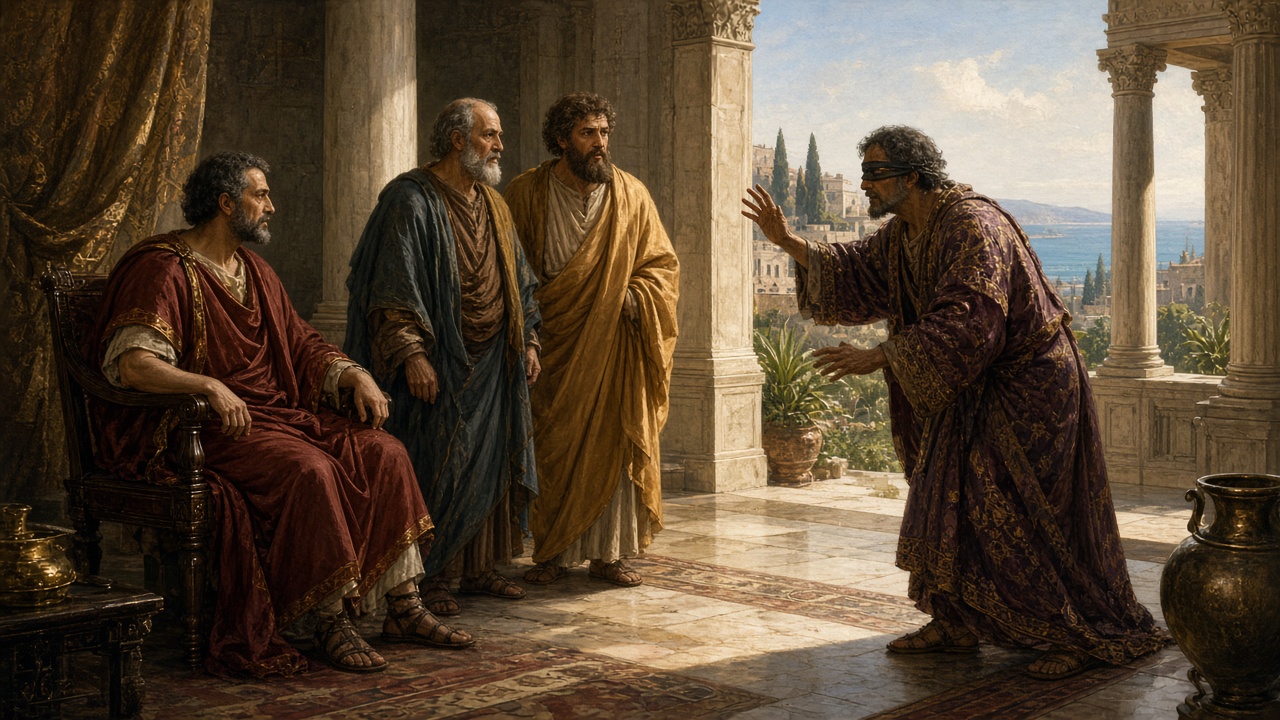
Did you know?
The mission sent from Antioch
- Easton's Bible Dictionary (1897) describes Antioch in Syria as ranking third, after Rome and Alexandria, among the cities of the Roman empire; the church there set Barnabas and Saul apart. Among its prophets and teachers were Simeon called Niger, a surname meaning black, perhaps from a dark complexion, and Lucius of Cyrene, in North Africa.Sources: Antioch (Syria) · the Bible text itself · Simeon · Lucius
- At Paphos, the capital of Cyprus and the residence of the Roman governor, a Jewish sorcerer named Bar-Jesus, also called Elymas, an Arabic name meaning magician or sorcerer, tried to turn the proconsul Sergius Paulus from the faith. It is here that Saul is also called Paul; Easton's Bible Dictionary (1897) says the name Paul was probably given to him in infancy for use in the Gentile world, while Saul was his Hebrew home-name.Sources: Paphos · Elymas · Paul · the Bible text itself
- Sent from Antioch, they went down to Seleucia, the city's seaport near the mouth of the Orontes, and sailed to Cyprus; later they landed at Perga, the capital of Pamphylia, on the river Cestrus. There John left them and returned to Jerusalem; his Roman name, Mark, gradually came to replace his Jewish name, and he was a cousin of Barnabas.Sources: Seleucia · Perga · John Mark · the Bible text itself
Notes written with AI assistance from open sources (Theographic Bible Metadata, CC BY-SA 4.0; Easton’s Bible Dictionary, public domain) and reviewed before publishing.
Places in this chapter
- Antioch · Today: Antioch on the Orontes · 36.227, 36.172 · verse 1
- Cyrene · 32.821, 21.851 · verse 1
- Cyprus · 35.000, 33.000 · verse 4
- Seleucia · Today: Seleucia Pieria · 36.124, 35.922 · verse 4
- Salamis · 35.185, 33.902 · verse 5
- Paphos · Today: New Paphos · 34.756, 32.404 · verses 6, 13
- Jerusalem · 31.777, 35.234 · verses 13, 27, 31
- Pamphylia · 37.000, 31.000 · verse 13
- Perga · 36.960, 30.854 · verses 13, 14
- Antioch · Today: Antioch in Pisidia · 38.306, 31.189 · verse 14
- Pisidia · 38.306, 31.189 · verse 14
- Egypt · 30.129, 31.308 · verse 17
- Canaan · 32.767, 35.333 · verse 19
- Galilee · 32.760, 35.527 · verse 31
- Iconium · Today: Konya · 37.872, 32.492 · verse 51
Only places identified with high confidence are shown (90% or more according to the scholarly sources compiled by OpenBible). Period map: DARE (Digital Atlas of the Roman Empire), CC BY 4.0; modern map: © OpenStreetMap contributors; places: OpenBible.info (CC BY 4.0).
Credits and license for this translation
Nǫ̀htsı̨̨ Nı̨̨htł'è
Dogrib: Dogrib Genesis & New Testament New Testament & Portions of Old Testament
copyright © 2009 Canadian Bible Society
Language: Dogrib
Translation by: Canadian Bible Society
Tłı̨chǫ Genesis and New Testament
About Tłı̨chǫ
Tłı̨chǫ (Dogrib) is a Na-Dene (Athabaskan) language. It is spoken by the First Nations Tłı̨chǫ people in the Northwest Territories in Canada. It has the largest number of speakers of any of the Aboriginal language communities in the NWT, and is one of the official languages of the Northwest Territories.
About This Translation
This translation includes the book of Genesis and the New Testament in Tłı̨chǫ. The first edition of the Tłı̨chǫ New Testament was published in 2003. It was a historic event, as it was the first time in more than a hundred years that a complete New Testament was published for one of the Dene First Nations in the Territories. The first edition was well received and quickly sold out. In the meantime the book of Genesis had been completed. Consequently, the 2008 reprint of the Tłı̨chǫ New Testament included Genesis.
Though this translation of the New Testament and Genesis took a total of ten years, the people who worked on it built on years of labor invested by the Tłı̨chǫ people, elders, priests and missionaries, translators, educators, and linguists. The material contained in this book was checked and approved by consultants from Wycliffe Bible Translators and the Canadian Bible Society.
If you are interested in obtaining a printed copy of this Bible, please contact the Canadian Bible Society at http://www.biblescanada.com .
Copyright Information
Dogrib Genesis and New Testament © 2003, 2008 Canadian Bible Society
The text of the Bible in Tłı̨chǫ that appears in this electronic format or website is for personal use only.
Up to five hundred (500) verses of the Bible text in any form (written, visual, electronic or audio) may be quoted without permission. The quoted verses may not be more than 50% of a complete book of the Bible, or more than 25% of the total text of the work in which they are quoted. Prior written permission must be obtained for any other use of the text. Copyright acknowledgement must in all cases appear on the title or copyright page.
For more information on copyright conditions or to apply, visit http://www.biblesociety.ca/copyright .
This translation is made available to you under the terms of the
Creative Commons Attribution-Noncommercial-No Derivatives license 4.0.
You may share and redistribute this Bible translation or extracts from it in any format, provided that:
You include the above copyright and source information.
You do not sell this work for a profit.
You do not change any of the words or punctuation of the Scriptures.
Pictures included with Scriptures and other documents on this site are licensed just for use with those Scriptures and documents.
For other uses, please contact the respective copyright owners.
2014-04-22
Source: http://ebible.org/dgrDOGNT/ · eBible.org