1 Timothy 6
Nǫ̀htsı̨̨ Nı̨̨htł'è · Tap a verse to see its cross-references.
1Dǫ hazǫǫ̀ gıts'ǫ̀ k'aodèe wets'ǫ agı̨ı̨t'ee sìı edets'ǫ̀ k'àowo ts'ǫ̀ nezı̨į̀ nageɂa xè gık'èı̨t'e ha hǫt'e. Hagı̨ı̨t'e nı̨dè Nǫ̀htsı̨ wıızì eyıts'ǫ ayìı dǫ hoghàgıts'eehtǫǫ sìı k'adageedè ha-le. 2K'àowo gı̨ı̨lı̨ı̨ eyıts'ǫ gıcheekeè į̀łah gıgha ehkw'ı-ahodı t'à ełèot'ı̨ agı̨ı̨t'e. Gıcheekeè gı̨ı̨lı̨ı̨ sìı dek'aɂį̀ gots'ǫ̀ nageɂa ha-le, hanìkò dǫ got'à hogeehwhıı sìı gıgha ehkw'ı-ahodı xè goghǫnegeètǫ agı̨ı̨t'e t'à denahk'e hòtł'ò gıgha eghàlageeda ha hǫt'e. Gıcheekeè gı̨ı̨lı̨ı̨ sìı eyı nàowo hoghàgı̨ı̨htǫ welì eyıts'ǫ hotıì weghàà aahda gìı̨dı.
Sǫǫ̀mba ghǫnets'eètǫ ha-le
3Dǫ ekǫ-le hoghàgoehtǫǫ xè gots'ǫ̀ K'àowo Zezì weyatıì ehkw'ıı sìı k'ę̀ę̀ anıwǫ-le, eyıts'ǫ Nǫ̀htsı̨ nàowoò k'èch'a dǫ hoghàehtǫǫ sìı, 4xàhodì xè t'asìı wı̨ı̨zìı nıedì-le hǫt'e. Yatı ghǫ dǫ ełek'ę̀ę̀ agı̨ı̨wǫ-le xè ełets'ǫ̀ nàyagehtıì agohɂı̨ ghaewı t'à wınì nezı̨-le. Eyıt'à dǫ ełeghǫ ts'ohogeedıì agohɂı̨, ełek'èch'a geedaa, yatıjıı t'à ełeghǫ gogedee, eyıts'ǫ hołı̨ı̨ t'à ełeghǫ nànıgedè agohɂı̨. 5Eyıts'ǫ dǫ gınì hołı̨ı̨ xè t'aats'ǫǫ̀ ełek'èch'a eghàlageedaà agohɂı̨. Dǫ haget'ı̨ı̨ sìı nàowo ehkw'ıı gıghǫ wedıhòłı̨, eyıts'ǫ Nǫ̀htsı̨ gha ts'eeda nı̨dè wet'à sǫǫ̀mba łǫ gots'ǫ at'į̀ gı̨ı̨wǫ.
6Hanìkò Nǫ̀htsı̨ wınì k'ę̀ę̀ ts'eeda nı̨dè, eyıts'ǫ masì ts'ı̨ı̨wǫ nı̨dè t'asìı nechàa ts'eehnè hǫt'e. 7Gogǫ̀hłı̨ ekò t'asìı wı̨ı̨zìı dıı nèk'e nèts'ı̨ı̨ɂǫ nıìle, eyıts'ǫ ełaàts'ewı nı̨dè t'asìı wı̨ı̨zìı edexè ats'ele ha nıìle. 8Hanìkò weghǫ shèts'ezhee eyıts'ǫ goht'ǫ gots'ǫ nı̨dè, wet'à masì ts'ı̨ı̨wǫ ha hǫt'e. 9Dǫ deɂǫ̀ǫ̀ sǫǫ̀mba łǫ gı̨ı̨wǫǫ sìı hołı̨ı̨ nàowoò k'ę̀ę̀ geeda aget'į̀ t'à, gık'èchıìtła laget'į̀. Ezhı̨ne laget'į̀ xè hołı̨ı̨ zǫ k'alagedè ha gı̨ı̨wǫ. Hanì geeda nı̨dè wet'à gıdıhołè ha. 10Sǫǫ̀mba ghǫ ets'edì-le nı̨dè wets'ıhɂǫ̀ hołı̨ı̨ hazǫǫ̀ xàɂaa hots'ehtsı̨. Dǫ mǫ̀hdaa sıì sǫǫ̀mba ghageewı t'à, Zezì-Krı gha gınì nàtso-le aget'į̀. Eyıt'à edegha hoìla hogehtsı̨.
Negha ehkw'ı-ahodıı sìı t'aats'ǫǫ̀ wek'ę̀ę̀ ı̨da
11Hanìkò Tımothy, nı̨ sìı Nǫ̀htsı̨ wets'ǫ dǫ anet'e, eyı hołı̨ı̨ nàowoò hazǫǫ̀ ch'à edek'ènedì. Nàowo ehkw'ıı zǫ neewǫ, Nǫ̀htsı̨ wınì k'ę̀ę̀ ı̨da, wets'ǫ̀ nınì nàtso anehwhǫ, dǫ ghǫneę̀tǫ, negha hoìla kò enaąt'è-le, eyıts'ǫ dǫ ts'ǫ̀ nedzeè nezı̨ welè. 12Daneeɂa ha sǫnı kò, Zezì negha ehkw'ı-ahodıı sìı t'aats'ǫǫ̀ wek'ę̀ę̀ ı̨da. Dǫ gınadąą̀, “Zezì segha ehkw'ı-ahodı,” nı̨ı̨dıì xàyanehtı ekò, welǫ whìle ts'ǫ̀ ı̨da ha nekayaı̨htı. Eyı yatı nezı̨ı̨ neghǫ̀t'ǫǫ sìı wedı̨ı̨chı-le, hanì-ı̨dè welǫ whìle ts'ǫ̀ ı̨da ha hǫt'e. 13Nǫ̀htsı̨ wet'à t'asìı hazǫǫ̀ edaa sìı wenadąą̀, eyıts'ǫ Zezì-Krı, k'àowo Pılate yesınìyaehtı ekò edeghǫ ehkw'ı yets'ǫ̀ xàyaı̨htı ı̨lèe sìı wenadąą̀ dıı yatı nàtsoo neghàehɂǫ hǫt'e: 14Gots'ǫ̀ K'àowo Zezì-Krı nììtłaa dzęę̀ gots'ǫ̀, yatı wek'ę̀ę̀ ı̨da ha neghàehɂǫǫ sìı hotıì wek'èędì. 15Nǫ̀htsı̨ sìı t'aa dzę k'e nıwǫǫ sìı Zezì wègoèt'į̀ ayele ha. Nǫ̀htsı̨ zǫ weghàsǫts'eedı ha hǫt'e, ededı̨ zǫ gots'ǫ̀ K'àowo hǫt'e, k'àowocho hazǫǫ̀ gha K'àowocho elı̨ı̨, eyıts'ǫ k'àowo hazǫǫ̀ ts'ǫ̀ K'àowo elı̨ hǫt'e. 16Nǫ̀htsı̨ ededı̨ zǫ ełaàwı-le sìı sadeè nàtso lanì wehòhɂǫ t'à dǫ wı̨ı̨zìı yets'ǫ̀ nıwà-le ade ha dìì, eyıt'à dǫ wı̨ı̨zìı yaɂı̨ whìle eyıts'ǫ dǫ wı̨ı̨zìı yeɂį̀ ha dìì. Ededı̨ weghàsǫts'eedı welè, eyıts'ǫ welǫ whìle ts'ǫ̀ gots'ǫ̀ K'àowo enıìyah t'à nàtso welè. Amen.
17Dıı nèk'e dǫ ahxee gı̨ı̨lı̨ı̨ sìı dıı yatı gıghàı̨ɂà. Xàhogııdì-le eyıts'ǫ t'asìı gıts'ǫ sìı ghǫ hòtł'ò agı̨ı̨wǫ ha-le, hǫtsaa gıghǫ whìle ade ha sǫnı t'à. Hanìkò Nǫ̀htsı̨ gha gınì nàtso ha hǫt'e. Ededı̨ sìı wet'à sìts'eèt'ı̨ı̨ nàts'edè gha t'asìı hazǫǫ̀ goghàyele hǫt'e. 18Dǫ gha nezı̨į̀ eghàlageeda ha gìı̨dı, hanıı la nezı̨ı̨ t'à dǫ ahxee gı̨ı̨lı̨ ha. Ededzeè t'à t'asìı ełeghàgele ha eyıts'ǫ gınà xè ełets'àgedı ha hǫt'e. 19Haget'ı̨ nı̨dè edegha t'asìı nezı̨ı̨ nègele lanì ha, eyı sìı ı̨daà gogha wet'à nàgetsoò geeda ha. Hanì-ı̨dè hotıì dànì ehkw'ı ts'eedaa sìı k'ę̀ę̀ geedaà agede ha.
20Tımothy, Nǫ̀htsı̨ ayìı netł'aàyı̨ı̨ɂǫǫ sìı hotıì nezı̨į̀ wehonehdı. Dǫ łǫ ełek'ę̀ę̀ agı̨ı̨wǫ-le kò nàowo łǫ wet'à gots'ı̨ı̨zǫ gı̨ı̨wǫ ghǫ gogede. Hanì Nǫ̀htsı̨ wınì k'ę̀ę̀-le sìı wedę anele. 21Gota ts'ǫ dǫ mǫ̀hdaa eyı nàowo gıgha ehkw'ı-ahodıı t'à Nǫ̀htsı̨ wenàowoò gogha ehkw'ı-ahodıı sìı ts'ǫǫ̀ agejà.
Nǫ̀htsı̨ nets'ǫ̀ sǫnıwǫ welè.
Did you know?
Godliness, Contentment, and Timothy's Charge
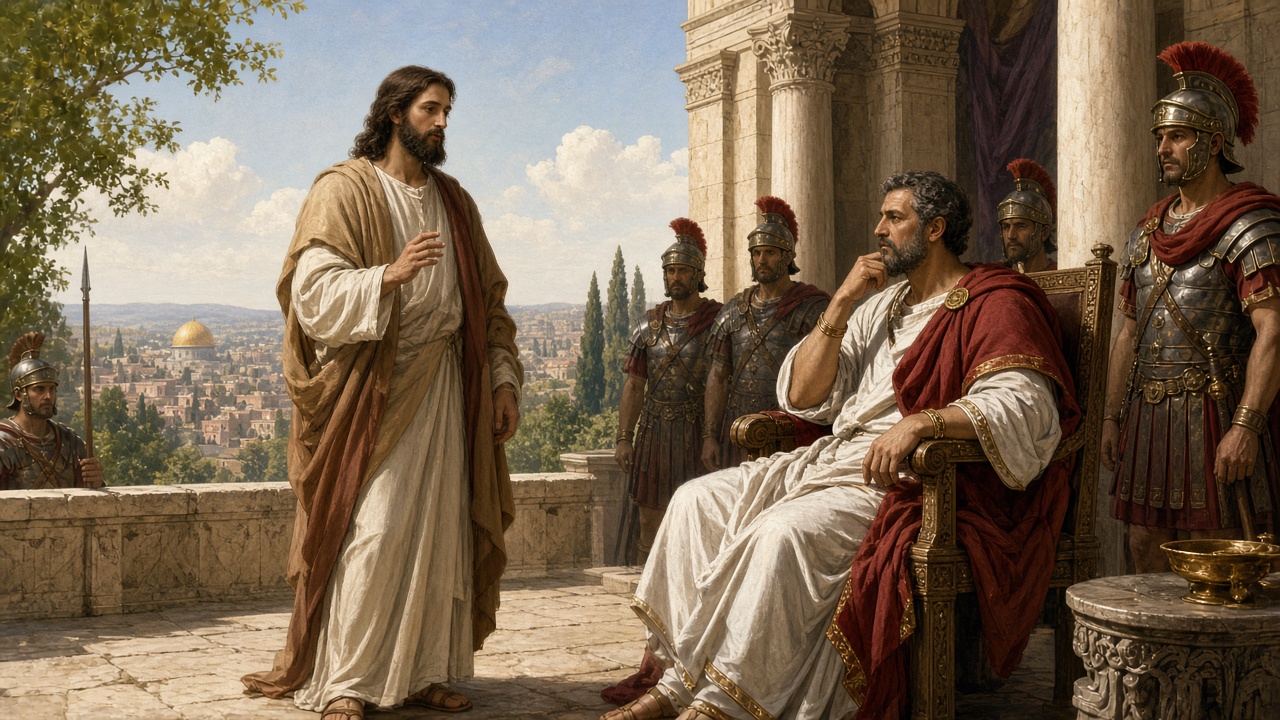
- This chapter's solemn charge recalls that Christ Jesus made the good confession in his testimony before Pontius Pilate. Pilate was the sixth Roman procurator of Judea, from A.D. 26 to 36, with headquarters at Caesarea, though he often went up to Jerusalem; his time in office covered the ministries of John the Baptist and of Jesus, and his name is remembered especially in connection with Jesus' trial.Sources: the Bible text itself · Pontius Pilate
- The chapter addresses Timothy as a man of God and tells him to guard what has been entrusted to him. The name Timotheus means honoring God. He was a young disciple and Paul's companion on many journeys; his mother Eunice and his grandmother Lois are mentioned as eminent for their piety, and his father was a Greek.Sources: the Bible text itself · Timotheus
Notes written with AI assistance from open sources (Theographic Bible Metadata, CC BY-SA 4.0; Easton’s Bible Dictionary, public domain) and reviewed before publishing.
Credits and license for this translation
Nǫ̀htsı̨̨ Nı̨̨htł'è
Dogrib: Dogrib Genesis & New Testament New Testament & Portions of Old Testament
copyright © 2009 Canadian Bible Society
Language: Dogrib
Translation by: Canadian Bible Society
Tłı̨chǫ Genesis and New Testament
About Tłı̨chǫ
Tłı̨chǫ (Dogrib) is a Na-Dene (Athabaskan) language. It is spoken by the First Nations Tłı̨chǫ people in the Northwest Territories in Canada. It has the largest number of speakers of any of the Aboriginal language communities in the NWT, and is one of the official languages of the Northwest Territories.
About This Translation
This translation includes the book of Genesis and the New Testament in Tłı̨chǫ. The first edition of the Tłı̨chǫ New Testament was published in 2003. It was a historic event, as it was the first time in more than a hundred years that a complete New Testament was published for one of the Dene First Nations in the Territories. The first edition was well received and quickly sold out. In the meantime the book of Genesis had been completed. Consequently, the 2008 reprint of the Tłı̨chǫ New Testament included Genesis.
Though this translation of the New Testament and Genesis took a total of ten years, the people who worked on it built on years of labor invested by the Tłı̨chǫ people, elders, priests and missionaries, translators, educators, and linguists. The material contained in this book was checked and approved by consultants from Wycliffe Bible Translators and the Canadian Bible Society.
If you are interested in obtaining a printed copy of this Bible, please contact the Canadian Bible Society at http://www.biblescanada.com .
Copyright Information
Dogrib Genesis and New Testament © 2003, 2008 Canadian Bible Society
The text of the Bible in Tłı̨chǫ that appears in this electronic format or website is for personal use only.
Up to five hundred (500) verses of the Bible text in any form (written, visual, electronic or audio) may be quoted without permission. The quoted verses may not be more than 50% of a complete book of the Bible, or more than 25% of the total text of the work in which they are quoted. Prior written permission must be obtained for any other use of the text. Copyright acknowledgement must in all cases appear on the title or copyright page.
For more information on copyright conditions or to apply, visit http://www.biblesociety.ca/copyright .
This translation is made available to you under the terms of the
Creative Commons Attribution-Noncommercial-No Derivatives license 4.0.
You may share and redistribute this Bible translation or extracts from it in any format, provided that:
You include the above copyright and source information.
You do not sell this work for a profit.
You do not change any of the words or punctuation of the Scriptures.
Pictures included with Scriptures and other documents on this site are licensed just for use with those Scriptures and documents.
For other uses, please contact the respective copyright owners.
2014-04-22
Source: http://ebible.org/dgrDOGNT/ · eBible.org