1 Corinthians 2
Nǫ̀htsı̨̨ Nı̨̨htł'è · Tap a verse to see its cross-references.
1Sèot'ı̨ı̨, t'akwełǫ̀ǫ̀ naxıts'ǫ̀ nèehtła ekò yatı wèdaat'ı̨ı̨ t'à naxıts'ǫ̀ goıhde nıìle. Eyıts'ǫ Nǫ̀htsı̨ wegodıì naxıts'ǫ̀ nèehɂǫ ekò dıı nèk'e gots'ǫ dǫ gogı̨ı̨zǫǫ gık'ę̀ę̀ k'ehoehɂa-le ı̨lè. 2Naxıxè aht'e ekò Zezì-Krı wenǫ̀ǫ̀ t'asìı wı̨ı̨zìı k'èehsǫ ha dehwhǫ-le ı̨lè. Zezì-Krı eyıts'ǫ dànì dechı̨et'aa k'e wedıìtsò, eyı zǫ wek'èehsǫ ha dehwhǫǫ̀ ahjà. 3Dǫ nàtso-lea laht'e eyıts'ǫ dehjı̨ xè sets'ehłı̨ lanì naxıts'ǫ̀ nèehtła ı̨lè. 4Godı nezı̨ı̨ t'à naxıts'ǫ̀ gohde ekò wet'à gots'ı̨ı̨zǫǫ yatıì t'à naxıts'ǫ̀ goıhde-le ı̨lè, hanìkò Yedàyeh Nezı̨ı̨ nàhtsoò asį̀į̀là t'à naxınadąą̀ enıìyah k'ę̀ę̀ eghàlaehda ı̨lè. 5Eyıt'à dıı nek'e dǫ gogı̨ı̨zǫǫ gınàowoò ts'ıhɂǫ̀ naxıgha ehkw'ı-ahodıì aahjà nıìle, hanìkò Nǫ̀htsı̨ t'asìı wegha dìì gǫ̀hłı̨-le sìı naxınadąą̀ enıìyah hòèhtsı̨ t'à naxıgha ehkw'ı-ahodı hǫt'e.
Yedàyeh Nezı̨ı̨ wet'à gots'ı̨ı̨zǫ hǫt'e
6Dǫ Nǫ̀htsı̨ k'ègeezǫǫ sìı wet'à gots'ı̨ı̨zǫǫ yatıì t'à gıts'ǫ̀ gots'ede hǫt'e. Eyı yatı sìı dıı nèè gots'ǫ dǫ gogı̨ı̨zǫǫ eyıts'ǫ k'aodèe gı̨ı̨lı̨ı̨ sìı gıgha wet'àaɂà nıìle, ededı̨ sìı gıdıhołè ts'ǫ̀ gıadè hǫt'e. 7Nǫ̀htsı̨ wenàowoò gǫǫzǫǫ sìı dǫ ts'ǫ̀ weghǫ gots'ede hǫt'e, eyı sìı dǫ ts'ǫ̀ deɂı̨į̀ wheɂǫ ı̨lè. Dıı nèè hòèlı̨ kwe gots'ǫ gogha wheɂǫǫ̀ ayį̀į̀là ı̨lè, eyıts'ǫ wet'à welǫ whìle ts'ǫ̀ enıìyah xè edaxàgozhe ha. 8Dıı nèk'e k'aodèe gı̨ı̨lı̨ı̨ sìı gınıedì-le ı̨lè. Gınıedì nı̨dè gots'ǫ̀ K'àowo enıìyah wehòhɂǫǫ sìı dechı̨et'aa k'e ełaàgıìhwhı ha-le ı̨lè. 9Nǫ̀htsı̨ Nı̨htł'è k'e dıı hanì dek'eèhtł'è:
“Dǫ Nǫ̀htsı̨ ghǫnegeètǫǫ sìı Nǫ̀htsı̨ ayìı ts'atà godawhehłaa sìı dǫ wı̨ı̨zìı yaɂı̨ whìle, eyıts'ǫ dǫ wı̨ı̨zìı yı̨ı̨hkw'ǫ̀ whìle, eyıts'ǫ dǫ wı̨ı̨zìı yedaànıwhewo whìle,” dek'eèhtł'è.
10Hanìkò dıì sìı Nǫ̀htsı̨-Gotà edets'ǫ Įnì Degaı wedahxà dıı godı wek'èts'eezǫǫ̀ agǫ̀ǫ̀là.
Yedàyeh Nezı̨ı̨ t'asìı hazǫǫ̀ yenıedì, eyıts'ǫ Nǫ̀htsı̨ ts'ǫǫ̀hk'e t'asìı deɂı̨į̀ whelaa sìı eyı kò yenıedì hǫt'e. 11Dǫ wı̨ı̨zìı dǫ ı̨łè dànıwǫǫ sìı yek'èezǫ nıìle, eyı dǫ wets'ǫ ı̨nì zǫ yek'èezǫ hǫt'e. Eyı xèht'eè dǫ wı̨ı̨zìı Nǫ̀htsı̨ dànıwǫǫ sìı yek'èezǫ nıìle, Nǫ̀htsı̨ wets'ǫ Įnì Degaı zǫ yek'èezǫ hǫt'e. 12Dıı nèè gots'ǫ ı̨nì goghǫ̀t'ǫ nıìle, hanìkò Nǫ̀htsı̨ edets'ǫ Įnì Degaı goghàı̨ɂǫ hǫt'e, eyıts'ǫ Nǫ̀htsı̨ t'asìı k'èxa-le ayìı goghàı̨ɂǫǫ sìı wets'ǫ Įnì Degaı t'à wenıts'eedì agole ha. 13Eyı weghǫ gots'ede nı̨dè dıı nèk'e gots'ǫ wet'à gogı̨ı̨zǫǫ t'à gots'ede nıìle, hanìkò Yedàyeh Nezı̨ı̨ yatı hoghàgoèhtǫ t'à gots'ede hǫt'e. Yedàyeh Nezı̨ı̨ weyatıì ehkw'ı t'à Nǫ̀htsı̨ ts'ǫǫ̀hk'e t'asìı ghǫ gots'ede hǫt'e. 14Dǫ Yedàyeh Nezı̨ı̨ dę edaa sìı Nǫ̀htsı̨ wets'ǫ Įnì gots'ǫ t'asìı yenıedì nıìle. Eyı sìı wegha ezhı̨ne lanì, eyıts'ǫ yenıedì ha dìì. Dǫ Yedàyeh Nezı̨ı̨ wets'ǫ̀-èlı̨ nı̨dè zǫ, Nǫ̀htsı̨ ts'ǫǫ̀hk'e t'asìı yenıedì hǫt'e. 15Dǫ, Yedàyeh Nezı̨ı̨ wets'ǫ̀-èlı̨ı̨ sìı t'asìı hazǫǫ̀ k'e ehkw'ı xàyahtı hǫt'e, hanìkò ededı̨ sìı dǫ wı̨ı̨zìı yesınìyaehtı ha dìì. 16Dıı hanì dek'eèhtł'è:
“Amìı gots'ǫ̀ K'àowo wınì k'èhoezǫ t'à yegha k'eyaetı ha?” dek'eèhtł'è.
Hanìkò goxı̨ sìı Zezì-Krı wınì gots'ǫ̀-èlı̨ hǫt'e.
Did you know?
Christ crucified and the Spirit's wisdom
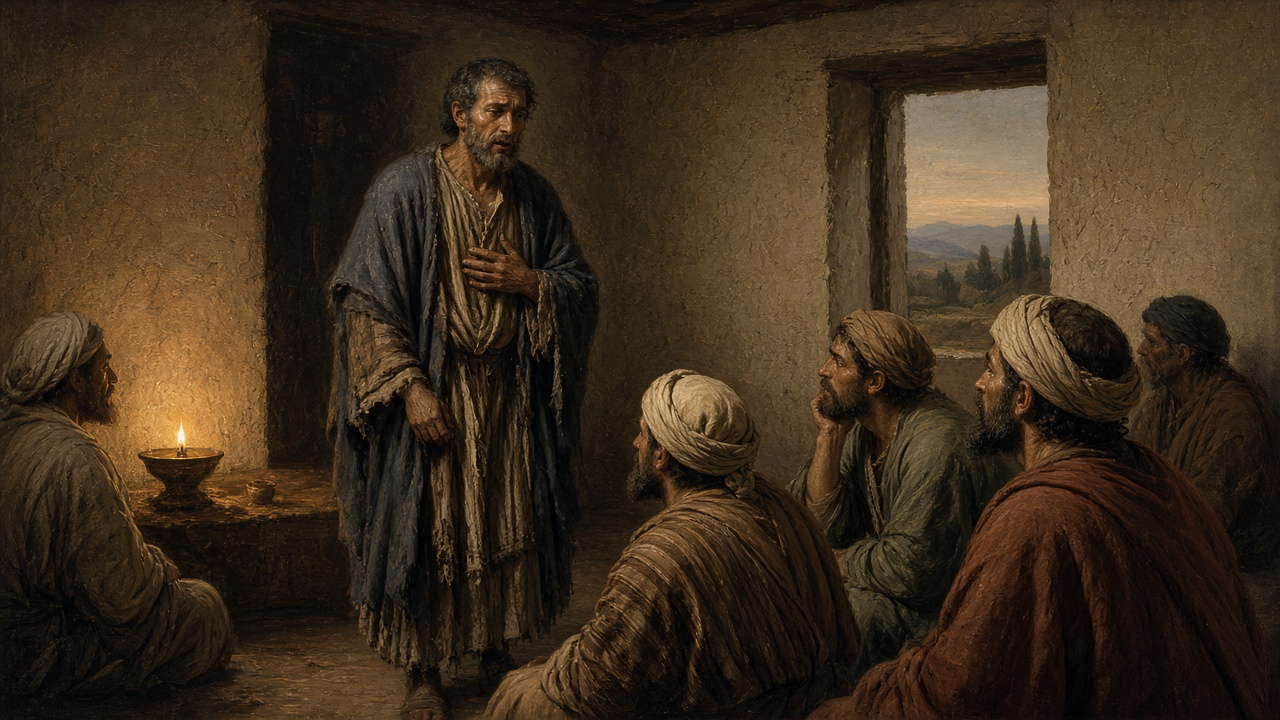
- The writer says he did not come with eloquence or wisdom when he proclaimed the testimony about God. He had resolved to know nothing while he was with them except Jesus Christ and him crucified, and he came in weakness, fear, and much trembling, so their faith would rest on God's power rather than on human wisdom.Sources: the Bible text itself
- The wisdom spoken among the mature is not the wisdom of this age or of its rulers, who are coming to nothing. It is called God's mysterious, hidden wisdom, destined for glory before time began; those rulers did not understand it, or they would not have crucified the Lord of glory.Sources: the Bible text itself
- The chapter says God has revealed by the Spirit what lies beyond human sight, hearing, and imagination. Only a person's own spirit knows that person's thoughts, and only the Spirit of God knows God's thoughts. The natural person does not accept what comes from the Spirit, treats it as foolishness, and cannot understand it, because it is spiritually discerned.Sources: the Bible text itself
Notes written with AI assistance from open sources (Theographic Bible Metadata, CC BY-SA 4.0; Easton’s Bible Dictionary, public domain) and reviewed before publishing.
Credits and license for this translation
Nǫ̀htsı̨̨ Nı̨̨htł'è
Dogrib: Dogrib Genesis & New Testament New Testament & Portions of Old Testament
copyright © 2009 Canadian Bible Society
Language: Dogrib
Translation by: Canadian Bible Society
Tłı̨chǫ Genesis and New Testament
About Tłı̨chǫ
Tłı̨chǫ (Dogrib) is a Na-Dene (Athabaskan) language. It is spoken by the First Nations Tłı̨chǫ people in the Northwest Territories in Canada. It has the largest number of speakers of any of the Aboriginal language communities in the NWT, and is one of the official languages of the Northwest Territories.
About This Translation
This translation includes the book of Genesis and the New Testament in Tłı̨chǫ. The first edition of the Tłı̨chǫ New Testament was published in 2003. It was a historic event, as it was the first time in more than a hundred years that a complete New Testament was published for one of the Dene First Nations in the Territories. The first edition was well received and quickly sold out. In the meantime the book of Genesis had been completed. Consequently, the 2008 reprint of the Tłı̨chǫ New Testament included Genesis.
Though this translation of the New Testament and Genesis took a total of ten years, the people who worked on it built on years of labor invested by the Tłı̨chǫ people, elders, priests and missionaries, translators, educators, and linguists. The material contained in this book was checked and approved by consultants from Wycliffe Bible Translators and the Canadian Bible Society.
If you are interested in obtaining a printed copy of this Bible, please contact the Canadian Bible Society at http://www.biblescanada.com .
Copyright Information
Dogrib Genesis and New Testament © 2003, 2008 Canadian Bible Society
The text of the Bible in Tłı̨chǫ that appears in this electronic format or website is for personal use only.
Up to five hundred (500) verses of the Bible text in any form (written, visual, electronic or audio) may be quoted without permission. The quoted verses may not be more than 50% of a complete book of the Bible, or more than 25% of the total text of the work in which they are quoted. Prior written permission must be obtained for any other use of the text. Copyright acknowledgement must in all cases appear on the title or copyright page.
For more information on copyright conditions or to apply, visit http://www.biblesociety.ca/copyright .
This translation is made available to you under the terms of the
Creative Commons Attribution-Noncommercial-No Derivatives license 4.0.
You may share and redistribute this Bible translation or extracts from it in any format, provided that:
You include the above copyright and source information.
You do not sell this work for a profit.
You do not change any of the words or punctuation of the Scriptures.
Pictures included with Scriptures and other documents on this site are licensed just for use with those Scriptures and documents.
For other uses, please contact the respective copyright owners.
2014-04-22
Source: http://ebible.org/dgrDOGNT/ · eBible.org