John 7
Bigu a tipan: I mahusay a baheta para ta panahun tam · Tap a verse to see its cross-references.
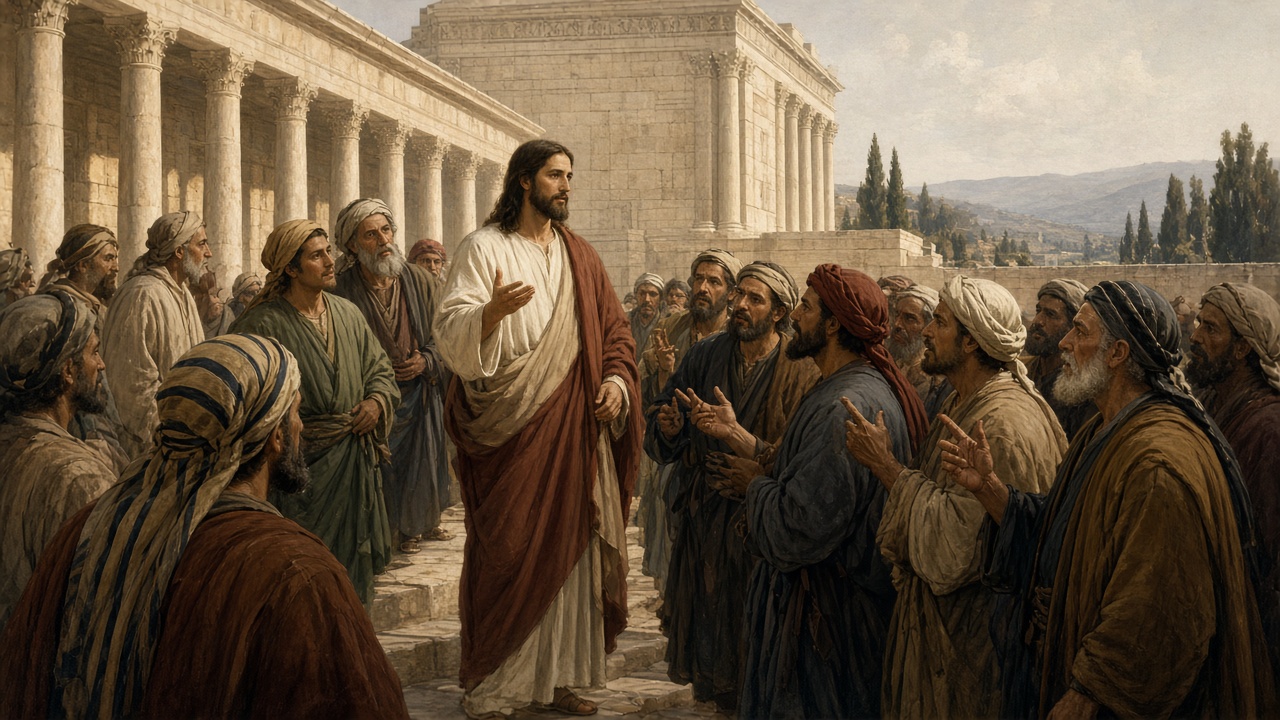
De Jesus a Pépétwadi
1Nadid, kétapos na éya, éy nagtulos ti Jesus ta Galilea san. Ewan siya uméange ta Hudea, da gustu du te tungkulin a Judeo ta éya a bunuwén. 2Nadid, adene dén i piyesta ta Jerusalem a ngéngahinan de a Piyesta na Tolda. 3Kanya du tétotop ni Jesus, éy kinagi de diya, a “Ikad mo dén ta Hudea, monda meta du alagad mo ta éya i gégemtén mua. 4Eng gustu mo a tumanyag ka a talaga,” kagi de, “éy bakit éwan mo ipeta i tarabaho mua? Umange ka ta piyesta ta Jerusalem, monda meta du tolay sa i gimet mua.” 5Pati du tétotop ni Jesus, éy éwan be side nániwala diya; kanya pinégkagian de ta kona sa.
6Ey kinagi ni Jesus dide, a “Ewanék umange nadid ta piyesta, da éwan ko pabi oras a tumanyag. Mara sikam.” kagi na, “éy maari kam a umange ta éya ta maski nikésiya, 7da éwan méiyamut du tolay dikam. Pero sakén, éy méiyamut du tolay diyakén, da mégpatunayék dide a medukés i gégemtén dia. 8Sikam san dén i mamiyestaa,” kagi na. “Pero sakén éy éwanék sa umange. Ewan ko pabi oras a tumanyag.” 9Nadid, to pégkagi ni Jesus ta éya du top na, éy nawahak siya ta Galilea.
Umange Ti Jesus Ta Piyesta
10Nadid, to kéhektat dén du top na a inumange to piyesta, éy tinumagubet ti Jesus. Pero ta lihim san. 11Nadid, du te tungkulin a Judeo ta Jerusalem, éy nipépakelagip de ti Jesus, éng ahe siya. Umasa side a umange siya ta piyesta. 12Sakay du tolay sa, éy masiyadu i pégbébaheta de ni Jesus. Te sénganya a mégkagi a mahusay siya a lélake. Sakay te mégkagi be a “Ewan, da pagkamalién na du tolay.” 13Pero lihim san i pégbébaheta dia. Ewan tu néngipahayag diya, da méganteng side du te tungkulin a Judeo.
14Nadid, to pégkalahati dén no piyesta, éy inumange ti Jesus ta Templo a tulos siya a mégtoldu du tolay. 15Ey du te tungkulin a Judeo, éy mégtaka side diya, da bihasa a mégtoldu. “Bakit wade matalinung i éye a lélake,” kagi de, “éy éwan be siya nagadal ta iskul tama?” 16“Ey dahilan,” kagi ni Jesus, “i pégtoldu kua, éy éwan ta isip kua, éngˈwan gébwat ta Diyos. Siya i nagpaangea se diyakén. 17Eng gustu na maski ti ésiya a manupad ta kaluuben na Diyos,” kagi na, “éy mapospusan na a talaga éng ahe i gébwata na pégtoldu kua--éng gébwat ta Diyos, o éng gébwat ta isip ko sana. 18Mara, tu mégtoldu ta isip na san, éy gustu na éy purién siya na tolay. Pero éng te mégtoldu a inutusan siya na Diyos, éy gustu na éy purién na tolay i Diyos. I pégtoldua na kona sa a tolay éy tama, a éwan tu mali-mali.
19“Inatdinan kam ni Moises ta utus na Diyos, pero éwan moy sésundin. Ey nadid éy gustu moy a ipabunoék moy.” 20“Te dimonyo ka a talaga.” kagi du tolay, “éng kona sa i isip mua. Ti ésiya beman i mégpabunua diko?”
21Ey kinagi ni Jesus, a “Bakit mégtaka kam éng pahusayén ko tu lélake ta aldew na pangilin? 22Mara entan moy tu pégbugit: Inutusan kam ni Moises a bugitén moy du anak moy (éy gébwat i éya a ugali du apo tam a neditol ni Moises). Kanya bugitén moy du anak moy maski pangilin, 23monda tupadén moy i utus ni Moises. Nadid, éng maari kam a mégbugit maski pangilin, éy bakit mégingél kam diyakén da pinahusay ko tu lélake to pangilin? 24Kanya sikam,” kagi ni Jesus, “éy diyan moy pintasan i tolay éng éwan moy tukoy i tunay a nanyari.”
Négpasuway Du Tolay
Tungkul Ni Jesus
25Nadid, i senganya du Judeo ta Jerusalem, éy kinagi de, a “Isip ko siya tu binanta de a bunon! 26Ey entan moy, maski te taknég san se siya a mégtoldu ta harap dia, éy éwan tu néképégkagi diya a maski isesa! Bakit wade,” kagi de; “siguru éwan de siya pékialaman da naisip de dén a siya i tagapagligtas tama a talaga.” 27Pero, “Ewan wade,” kagi du iba, “dahilan ta kédemét kan ni Cristo a tagapagligtas, éy éwan kan tu makapospos ta nagébwatan naa. Pero i éye, éy tukoy tam dén i pégiyanan na a banuwan.”
28Nadid, to pégtoldu ni Jesus ta Templo, éy kinagi na, a “Isip moy tukoyék moy, sakay isip moy tukoy moy i kinagébwatan kua. Pero éwan! Ey éwanék se inumange ta isip ko san, éngˈwan, te iba a nagpaange se diyakén. Siya i tunaya. Ey sikam éy éwan moy siya tukoy. 29Pero sakén, éy tukoy ko siya, da gébwaték diya, sakay pinaangeék na se.” 30Nadid, to pégkagi ni Jesus ta éya, éy lalo de a gustu a dekpén siya. Pero éwan de netulos, da éwan na pabi takda a madikép. 31Sakay meadu be a tolay to piyesta a méniwala diya. “Siya i tagapagligtas a talaga,” kagi de, “da éwan tu iba a makagimet ta kataka-taka a kona diya.”
32Nadid du Pariseyo, nabati de tu kinékagi du tolay tungkul ni Jesus. Kanya inutusan de du pulis a angen dekpén siya. 33Ey nadid, kinagi man dén ni Jesus du tolay, a “Kétihék san dén a panahun i pékiagum kua dikam, sakay magsoliék dén to minagpaange se diyakén. 34Ey sikam, éy ahayukénék moy, pero éwan ék moy meta, da éwan kam makaange ta angayan kua.”
35Nadid, pékabati du Judeo ta éya, éy néguhon-uhon side a kinagi de, a “Ahe wade i angayan naa? Bakit kagi na a éwan tam meta? Siguru umange siya mégiyan du Judeo ta adeyo a banuwan na Griego, monda tolduan na sa du Griego a tolay. 36Anya wade i kahulugen no kinagi na a ahayukén tam kan siya, pero éwan tam meta? Bakit kinagi na a éwan kitam kan makaange ta angayan na? Ahe wade i angayan naa?” Kona sa i uhuna du te tungkulin a Judeo.
37Nadid, to katapusan a aldew no piyesta ta Jerusalem, éy tinumaknég ti Jesus ta harap du tolay, a kinagi na dide ta medegsén. “Maski ti ésiya a mégeplék,” kagi na, “éy umange se diyakén a uminom. 38Da maski ti ésiya a méniwala diyakén, éy koman dén i te bukal a dinom ta disalad na bégi na a mégbulos a ikébuhay na. Kona sa i kagia ta kasulatan na Diyos.” 39(I éya a kinagi ni Jesus, éy nihalimbawa na ta Espiritu na Diyos a umasék ta tolay a maniwala diya. Pero éwan pabi umasék, da bagu kona sa i gimet na Espiritu éy umontok pa ti Jesus ta langet.)
40Nadid, pékabati du tolay ta éya, éy kinagi du sénganya, a “Siya i mahalaga a purupeta na Diyos a talaga!” 41Sakay te iba be a mégkagi, a “Siya i Cristo a tagapagligtas dikitam.” Pero, “Besa ina,” kagi du iba. “Magébwat beman i Cristo ta Galilea? 42Isip ko i kagia ta kasulatan na Diyos éy i Cristo éy gébwat kan ta lahi ni Hari Dabid. Sakay ta kédemét na kan,” kagi de, “éy gébwat kan ta Bethlehem a banuwan ni Dabid.” (Akala de éy nienak ti Jesus ta Galilea.) 43Kanya du tolay, éy éwan paripareho i isip dia tungkul ni Jesus. 44I sénganya dide, éy gustu de maka siya a dekpén. Pero éwan de nitulos.
Ewan Méniwala Du Te Tungkulin a Judeo
45Nadid, du pulis a talaga a manikép ni Jesus, éy nagsoli side du nagutus dide a Pariseyo. Ey kédemét de dide, éy kinagi du Pariseyo, a “Bakit éwan moy siya dinikép?” 46Ey kinagi du pulis, a “Mésanike kame diya, da éwan me pabi nabati i memahal a kagi a kona to kinagi na.” 47Ey “Anya,” kagi du Pariseyo, “pagkamalién na kam bale be? 48Bakit, neta moy beman i maski isesa a mataas a Judeo a méniwala diya? Ewan! 49Pero didi tolaya a mababa,” kagi de, “éy méniwala side da éwan de inadal tu utus ni Moises. Dumemét maka dide agad i parusa na Diyos.”
50Nadid, édsa be sa nadid ti Nikodemo, da Pariseyo be siya. Siya tu inumange nékiohon ni Jesus to kélép. Ey kinagi na dide, a 51“Bakit pépintasan moy siya agad? Isip ko i ugali tama éy éwan kitam magparusa ta tolay éng éwan tam pa mabati tu katuwiran na?” 52Ey “Anya,” kagi de ni Nikodemo, “bakit kumampi ka diya, taga Galilea ka wade be? Hala, pagadalan mo i kasulatana, éy meta mo a éwan tu purupeta a gébwat ta Galilea.”
Did you know?
Jesus at the Feast of Tabernacles
- As the Jewish Feast of Tabernacles, a seven-day feast, drew near, Jesus stayed in Galilee and avoided Judea, where people were trying to kill him. In his time Judea was the southernmost of the three Roman divisions of Palestine, distinct from Galilee and Samaria; he later went up to the feast in secret and taught in the temple courts.Sources: the Bible text itself · Feast of Tabernacles · Judea
- The crowds were divided over where the Christ would come from. Some said that Scripture places him in David's line and in Bethlehem, the village where David, the eighth and youngest son of Jesse, lived; others objected that he could not come from Galilee, a region long called Galilee of the Gentiles, and the Pharisees insisted that no prophet comes from there.Sources: the Bible text itself · David · Galilee
- Nicodemus, a Pharisee and a member of the Sanhedrin, had earlier come to Jesus at night. When the officers sent to arrest Jesus returned without him, Nicodemus protested and asked whether their law condemned a man before hearing him and finding out what he had done.Sources: the Bible text itself · Nicodemus
Notes written with AI assistance from open sources (Theographic Bible Metadata, CC BY-SA 4.0; Easton’s Bible Dictionary, public domain) and reviewed before publishing.
Places in this chapter
- Galilee · 32.760, 35.527 · verses 1, 3, 9, 41, 52
- Judea · Today: Judea 1 · 31.777, 35.234 · verses 1, 3
- Jerusalem · 31.777, 35.234 · verse 25
- Bethlehem · 31.704, 35.208 · verse 42
Only places identified with high confidence are shown (90% or more according to the scholarly sources compiled by OpenBible). Period map: DARE (Digital Atlas of the Roman Empire), CC BY 4.0; modern map: © OpenStreetMap contributors; places: OpenBible.info (CC BY 4.0).
Credits and license for this translation
Bigu a tipan: I mahusay a baheta para ta panahun tam
New Testament in Agta, Casiguran Dumagat
copyright © 1979 Wycliffe Bible Translators, Inc.
Language: Casiguran Dumagat Agta (Agta, Casiguran Dumagat)
Translation by: Wycliffe Bible Translators
Contributor: Wycliffe Bible Translators, Inc.
Copyright Information
© 1979, Wycliffe Bible Translators, Inc. All rights reserved.
This translation text is made available to you under the
terms of the Creative Commons License: Attribution-Noncommercial-No Derivative Works.
( http://creativecommons.org/licenses/by-nc-nd/3.0/ )
In addition, you have permission to port the text to different file formats, as long as you
do not change any of the text or punctuation of the Bible.
You may share, copy, distribute, transmit, and extract portions
or quotations from this work, provided that you include the above copyright
information:
You must give Attribution to the work.
You do not sell this work for a profit.
You do not make any derivative works that change any of the actual words or punctuation of the Scriptures.
Permissions beyond the scope of this license may be
available if you contact
us with your request.
The New Testament
in Agta, Casiguran Dumagat
© 1979, Wycliffe Bible Translators, Inc. All rights reserved.
This translation is made available to you under the terms of the
Creative Commons Attribution-Noncommercial-No Derivatives license 4.0.
You may share and redistribute this Bible translation or extracts from it in any format, provided that:
You include the above copyright and source information.
You do not sell this work for a profit.
You do not change any of the words or punctuation of the Scriptures.
Pictures included with Scriptures and other documents on this site are licensed just for use with those Scriptures and documents.
For other uses, please contact the respective copyright owners.
2015-03-17
Source: http://ebible.org/dgc/ · eBible.org