John 12
Bigu a tipan: I mahusay a baheta para ta panahun tam · Tap a verse to see its cross-references.
Te Nangbulak Ta Pulurida Ni Jesus
1Nadid éném a aldew bagu Piyesta na Ala-ala, éy dinumemét ti Jesus ta Betania. Saya i bariyua a nangbuhayan na ni Lazaro. 2Kédemét na éy nipaghanda de siya ta pangapon na. Ey naglamesa ti Marta ta nénganan de, éy ti Lasaro éy édsa be sa a méngan. 3Ey ti Maria, éy inalap na tu esa a boti a memahal a pulurida, a nibulak na to tikéd ni Jesus, sakay pinahiden na to buk na. Ey linumaganap tu sapot na ta étanan a lubuk no bile.
4Nadid ti Hudas Iskarote, éy kinagi na, a 5“Bakit éwan nipabugtong i ina a pulurida ta étélo a datos a kuhata, sakay niatéd tam maka du mahirap i kabugtungan naa?” 6Pero éwan kanya kinagi ni Hudas i kona sa éy kinagbian na du mahirap. Engˈwan, monda san éy makaalap siya ta kuhata de. Da dati a ugali na a mégbawas ta kapisanan de a kuhata. 7Ey kinagi ni Jesus ni Hudas, a “Pabayan mo siya, da handa na ye ta aldew a péglébéng diyakén. 8Palagi a te tolay a mahirap a maari moy a matulungan,” kagi na, “pero sakén éy éwanék se dikam male.”
9Nadid, du meadu a Judeo a mémiyesta ta Jerusalem, pékabaheta de a dinumemét dén ti Jesus ta Betania, éy inumange be sa side. Gustu de a meta ti Jesus, sakay gustu de be a meta ti Lasaro a pinabuhay na. 10Dahil ni Lasaro, éy meadu a Judeo a pinabayan de dén du amo de a padi, a méniwala dén side ni Jesus. Kanya du padi, éy ginayak de be a bunon ti Lasaro.
Tu Pénanggap De Ni Jesus Ta Jerusalem
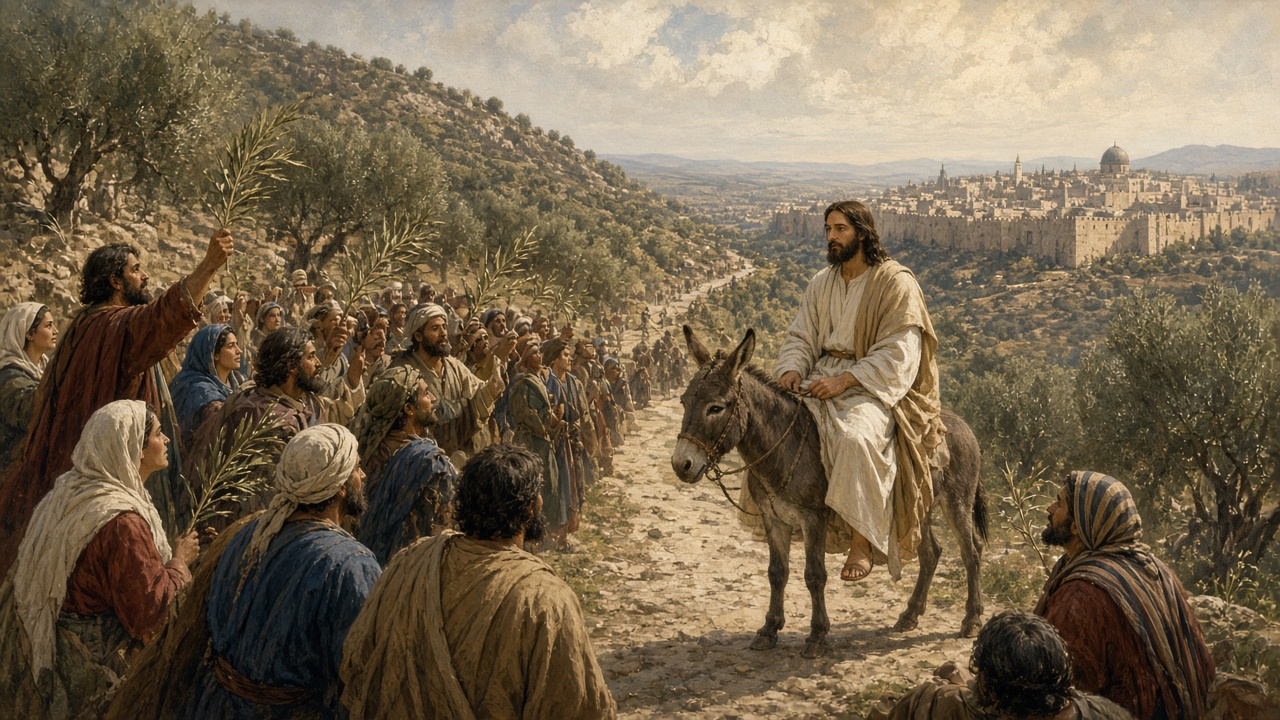
12Nadid, to kagagabian na éya, éy du meaadu a tolay a mémiyesta ta Jerusalem, éy nabaheta de a dumemét dén ti Jesus. 13Kanya linumwas side ta banuwan a sambatén de. Ey te kébil side a don na kayo. Ey pékasambat de diya, éy binate de siya, a “Mabuhay,” kagi de, “basbasan maka na Diyos i lélakeae a pinaange na se! Basbasan maka na Diyos i hariae na Israel!” 14Nadid, neta ni Jesus tu bul-o a kabayo a sinakayan na. Ey i éya a gimet, éy siya bale ya i nangtupada to hula a dati ta kasulatan na Diyos. I kagia na éya a hula, éy 15“Diyan kam kan méganteng, sikam a taga Jerusalem. Entan moy, ta kédemét na hari moy, éy mangabayo kan siya ta bul-o a kabayo.” 16Du alagad na, éy éwan de naala-ala ta éya a aldew i hula a éya. Pero to késoli dén ni Jesus ta langet, éy naala-ala de a neta de a natupad bale dén to péngiangkas de ni Jesus to kabayo.
17Nadid, du tolay a édse to lébéng ni Lasaro to péngbuhay diya ni Jesus, éy side i nagbahetaa du étanan a édse ta Jerusalem. 18Kanya meadu a tahod dudu sinumambat ni Jesus, dahilan tu nabaheta de a ginamet na. 19Ey du Pariseyo, péketa de a mégdulug du tolay diya, éy kinagi de, a “Entan moy, natalo na kitam, da meadu a tahod i mégduluga diya a tolay!”
Gustu Du Griego a Mékiohon Ni Jesus
20Nadid, i kagumana du Judeo a inumange ta Jerusalem a sumamba ta Diyos, éy sénganya wade a Griego. 21Diden ya a Griego, éy inumange side ni Pelip, a kinagi de, a “Eng maari, éy mékiohon kame pad ni Jesus.” (ti Pelip, éy taga Betsayda, Galilea.) 22Kanya ti Pelip, éy kinagi na ni Andres tu gustu du Griego, a tulos de a éduwa a kinagi ni Jesus. 23Ey ti Jesus, pékabati na ta éya, éy kinagi na, a “Dumemét ngani dén nadid i oras a ipaliwanag na Diyos a sakén i lélake a gébwat ta langet. 24Tandaan moy,” kagi na, “mara tu esa a butil na pahay, éngˈwan memula ta luta, éy éwan tu pasa. Pero éng metépduk ta luta éy kumadu i bunga na ta meadu. 25Nadid i tolay: maski ti ésiya a mégmahal ta bégi na, éy mebut a talaga. Pero siya a magpabaya ta bégi na, éy siya i mabuhay a éwan tu katapusan. 26Kanya maski ti ésiya a tunay a utusan ko,” kagi ni Jesus, “éy kailangan a umunonod siya diyakén. Nadid éy kaguman ko siya a palagi ta édsean ko. Sakay éng méniwala siya diyakén, éy atdinan siya Nama ko ta gantimpala na.
Nikagi Ni Jesus I Kamatayan Na
27“Nadid,” kagi ni Jesus, “éy métagigék tu isip. Ey anya wade i panalangin ko Nama ko? Panalangin ko maka a agawénék na ta kahirapan ko? Ewan, da saya i hangad kua a umange ta mundua, a magtiis ta hirap.” 28Nadid nanalangin ti Jesus a kinagi na, a “Améng, ipeta mo i kapangyarian mo ta tolay.” Ey to pégkagi na ta éya, éy te boses ta langet a kagi na, a “Nipeta ko dén i kapangyarian kua to ginamet mo. Ey nadid, éy ipeta ko man dén.”
29Nadid du tolay sa, éy nabati de be i boses ta langet, a akala de éy mégkéduh. Pero “Bakén a kéduh,” kagi du iba, “pinégkagian siya no anghel.”
30Ey kinagi ni Jesus dide, a “Kanya négkagi ta kona sa éy éwan alang-lang diyakén, éngˈwan para dikam, monda mapospusan moy a gébwaték ta Diyos. 31Dumemét dén nadid i oras a hukumén dén i mundua. Sakay ti Satanas a amo na tolay ta mundua, éy adene dén a matalo, a ibut dén siya. 32Ey sakén,” kagi ni Jesus, “ta péngiekpét de diyakén ta te tolnék a kayo, éy paadeneén ko i étanan a tolay diyakén a ipasakup diyakén.” 33Kinagi ni Jesus i éya a monda tukoy du tolay éng kodya i kate naa.
34Nadid kinagi du tolay ni Jesus, a “Isip me kagi na libru na Diyos a mabuhay kan i tagapagligtas a éwan tu katapusan. Nadid, tu nginahinan mo a lélake a gébwat ta langet, éng siya i tagapagligtas éy bakit kagi mo a mate siya ta kayo? Ti ésiya i lélake a gébwat ta langet?” kagi de. 35Ey kinagi ni Jesus, a “Kétihék san dén a panahun a kaguman moy i Demlag. Kanya sugsugén moy i Demlag, o makay abutén kam na diklém. Da maski ti ésiya a méglakad ta diklém, éy éwan na tukoy i angayan na. 36Kanya sikam, éy méniwala kam ta Demlag bagu na kam ginanan, monda sikam, éy bilang anak kam na Demlag.”
Ewan Méniwala Du Judeo Diya
Nadid, to pégkagi ni Jesus ta éya, éy gininanan na du tolay a linumiso siya dide. 37Ey du tolay, éwan side naniwala ni Jesus, maski ginimet na ta harap de i meadu a kataka-taka. 38Kanya nadid, tu nihula ni Purupeta Isayas to araw, éy natupad dén. I kinagi na to libru na, éy: “Panginoon, éwan tu naniwala to nibaheta me dide. Maski nipeta me dide i kapangyarian na Diyos, éy éwan side naniwala.” 39Kanya éwan maari a méniwala side, éy tu kinagi ni Isayas a “iba, a 40binuhék kan side na Diyos, sakay pinaktog na kan be tu isip de, monda éwan de maisipan ta mahusay, monda éwan side ipasakup ta Diyos a iligtas na side.” 41Kanya kinagi ni Isayas i éya, éy neta na to araw i pagkadiyos ni Cristo, a tulos na nibaheta siya.
42Kona man sa, éy meadu be a te tungkulin a Judeo a méniwala diya. Pero lihim san. Ewan de ipégtapat du kaguman de, da méganteng side du Pariseyo. Makay ibutan de side to kapilya. 43Diden ya a tolay a kona sa éy gustu de a purién side na tolay kesira ta purién side na Diyos.
44Nadid, kinagi ni Jesus ta medegsén, a “Maski ti ésiya a méniwala diyakén, éy éwan san sakén i péniwalaan naa, éngˈwan pati tu nagpaange se diyakén a Diyos. 45Sakay pati, tu méketa diyakén, éy meta na be tu nagpaange se diyakén. 46Sakén i Demlag a inumange ta mundua,” kagi na. “Maski ti ésiya a maniwala diyakén, éy éwan siya manatili ta diklém. 47Nadid du makabati ta kagi kua, pero éwan de tupadén, éy éwan sakén i maghukuma dide. Da éwanék se inumange a maghukum ta tolay ta mundua, éngˈwan i hangad kua se, éy magligtas ta tolay. 48Pero du mégidel diyakén sakay ta pégtoldu ko, éy hukumén side a talaga ta katapusan na mundua. I magpahukuma dide éy tu kagi ko. 49Tama ya,” kagi ni Jesus, “dahilan éwanék négkagi ta sarili ko san a isip, éngˈwan Tama ko i nagutusa éng anya i kagin kua ta tolay. 50Tukoy ko i utus Nama ko a saya i mangatéda ta buhay a éwan tu katapusan. Kanya kékagin ko ta tolay i niutus diyakén Nama ko.”
Did you know?
The Anointing at Bethany and the Entry into Jerusalem
- Bethany, where Jesus arrived six days before the Passover, lay about two miles east of Jerusalem on the southeastern slope of the Mount of Olives, along the road to Jericho, and took its name from the palm trees that grew there. It was the home of Lazarus, whom Jesus had raised from the dead after four days in the tomb, and of his sisters Martha and Mary; the chief priests planned to kill Lazarus as well, because on his account many people were believing in Jesus.Sources: the Bible text itself · Bethany · Lazarus
- At a dinner where Martha served and Lazarus reclined at the table, Mary anointed Jesus' feet with about a pint of expensive perfume made of pure nard and wiped them with her hair, so the house was filled with the fragrance. Judas Iscariot, son of Simon, whose surname means a man of Kerioth, asked why it was not sold for three hundred denarii for the poor; he was a thief who, as keeper of the money bag, used to take from what was put into it, and he was going to betray Jesus.Sources: the Bible text itself · Judas Iscariot · Simon
- The next day the great crowd that had come for the feast took palm branches and went out to meet Jesus as he came to Jerusalem, seated on a young donkey, shouting praise to the King of Israel, as it is written of the Daughter of Zion. Zion was the southeastern hill of Jerusalem, where David built a citadel and a palace after taking it, so that it became the city of David. At first his disciples did not understand these things, but after Jesus was glorified they remembered that they had also been written about him.Sources: the Bible text itself · Zion
Notes written with AI assistance from open sources (Theographic Bible Metadata, CC BY-SA 4.0; Easton’s Bible Dictionary, public domain) and reviewed before publishing.
Places in this chapter
- Jerusalem · 31.777, 35.234 · verses 11, 12, 20
- Zion · Today: Jerusalem · 31.777, 35.234 · verse 15
- Galilee · 32.760, 35.527 · verse 21
Only places identified with high confidence are shown (90% or more according to the scholarly sources compiled by OpenBible). Period map: DARE (Digital Atlas of the Roman Empire), CC BY 4.0; modern map: © OpenStreetMap contributors; places: OpenBible.info (CC BY 4.0).
Credits and license for this translation
Bigu a tipan: I mahusay a baheta para ta panahun tam
New Testament in Agta, Casiguran Dumagat
copyright © 1979 Wycliffe Bible Translators, Inc.
Language: Casiguran Dumagat Agta (Agta, Casiguran Dumagat)
Translation by: Wycliffe Bible Translators
Contributor: Wycliffe Bible Translators, Inc.
Copyright Information
© 1979, Wycliffe Bible Translators, Inc. All rights reserved.
This translation text is made available to you under the
terms of the Creative Commons License: Attribution-Noncommercial-No Derivative Works.
( http://creativecommons.org/licenses/by-nc-nd/3.0/ )
In addition, you have permission to port the text to different file formats, as long as you
do not change any of the text or punctuation of the Bible.
You may share, copy, distribute, transmit, and extract portions
or quotations from this work, provided that you include the above copyright
information:
You must give Attribution to the work.
You do not sell this work for a profit.
You do not make any derivative works that change any of the actual words or punctuation of the Scriptures.
Permissions beyond the scope of this license may be
available if you contact
us with your request.
The New Testament
in Agta, Casiguran Dumagat
© 1979, Wycliffe Bible Translators, Inc. All rights reserved.
This translation is made available to you under the terms of the
Creative Commons Attribution-Noncommercial-No Derivatives license 4.0.
You may share and redistribute this Bible translation or extracts from it in any format, provided that:
You include the above copyright and source information.
You do not sell this work for a profit.
You do not change any of the words or punctuation of the Scriptures.
Pictures included with Scriptures and other documents on this site are licensed just for use with those Scriptures and documents.
For other uses, please contact the respective copyright owners.
2015-03-17
Source: http://ebible.org/dgc/ · eBible.org