Isaiah 15
Textbibel von Kautzsch und Weizsäcker · Tap a verse to see its cross-references.
Wörtlich: auf dem Versammlungsberg. Das Schicksal Moabs.
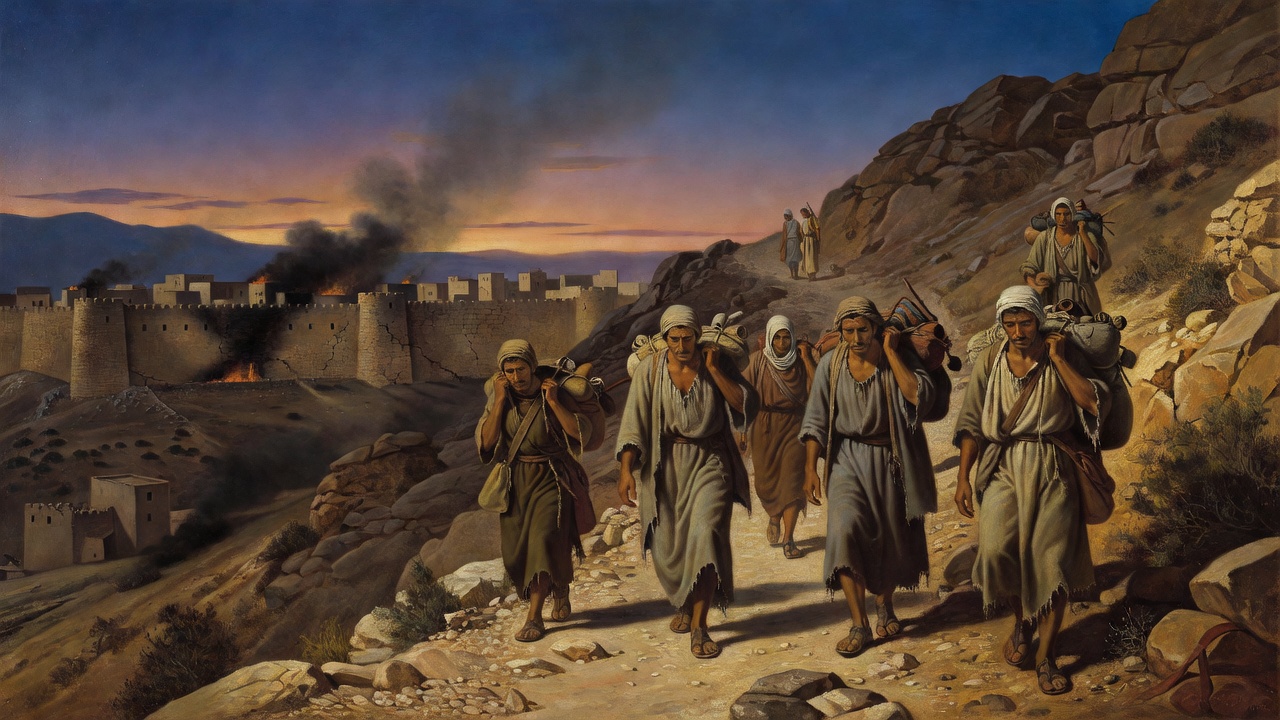
1Ausspruch über Moab: Ja in der Nacht ist Ar Moab überwältigt! vernichtet! Ja in der Nacht ist Kir Moab überwältigt! vernichtet! 2Dibon ist zum Höhentempel hinaufgegangen, um zu weinen, auf dem Nebo und zu Medeba heult Moab. Auf allen Häuptern ist eine Glatze, alle Bärte sind geschoren. 3In seinen Gassen haben sie Trauergewänder angelegt, auf seinen Dächern und seinen Märkten heulen, zerfließen alle in Thränen. 4Hesbon und Eleale jammern, bis Jahaz wird ihr Geschrei gehört; deshalb schreien die Gewappneten Moabs, das Herz zittert ihm. 5Von Herzen bejammere ich Moab, dessen Flüchtlinge bis Zoar streifen, bis zum dritten Egla. Denn die Steige von Luhith steigt man mit Weinen hinan; denn auf dem Wege nach Horonaim schreien und jammern sie über Zerschmetterung. 6Denn die Wasser von Nimrim werden zu Wüsteneien; denn das Gras verdorrt, die Kräuter vergehen, das Grün ist dahin! 7Deshalb tragen sie die Habe, die sie erübrigt, und ihre Vorräte über den Weidenbach. 8Denn das Jammern geht rings um das Gebiet Moabs, bis Eglaim erschallt sein Geheul und bis zum Born Elim sein Geheul. 9Denn die Wasser Dimons sind voll Blut, denn ich verhänge erneutes Unglück über Dimon, für die Entronnenen Moabs einen Löwen und für den Rest des Landes.
Did you know?
The Oracle Concerning Moab
- Moab was a territory situated east of the Dead Sea and the Jordan River, containing ancient settlements such as Ar, Kir, and Medeba. In this chapter, the prophet laments the sudden overnight destruction and wailing throughout these Moabite towns and high places.Sources: Moab · Medeba · the Bible text itself
- The chapter depicts traditional ancient mourning rituals practiced across the region in times of catastrophe. As grief overtakes the land, the people of Moab shave their heads, cut off their beards, and put on sackcloth while weeping publicly in the squares and on flat rooftops.Sources: the Bible text itself
- The city of Dibon, situated north of the Arnon River and east of the Dead Sea, is also identified as Dimon in Isaiah 15:9. The oracle vividly portrays the severity of the invasion by describing the waters of Dimon filled with blood while surviving refugees flee.Sources: Dibon · the Bible text itself
Notes written with AI assistance from open sources (Theographic Bible Metadata, CC BY-SA 4.0; Easton’s Bible Dictionary, public domain) and reviewed before publishing.
Places in this chapter
- Moab · Today: Moab 1 · 31.181, 35.701 · verses 1, 2, 4, 5, 8, 9
- Dibon · Today: Tall Dhiban · 31.502, 35.777 · verse 2
- Medeba · Today: Madaba · 31.716, 35.795 · verse 2
Only places identified with high confidence are shown (90% or more according to the scholarly sources compiled by OpenBible). Period map: DARE (Digital Atlas of the Roman Empire), CC BY 4.0; modern map: © OpenStreetMap contributors; places: OpenBible.info (CC BY 4.0).
Credits and license for this translation
Textbibel von Kautzsch und Weizsäcker
The Holy Bible in German, translation by Kautzsch und Weizsäcker 1906
Public Domain
Language: Deutsch (German, Standard)
Dieser Textbibel wird Ihnen mit freundlicher Genehmigung von eBible.org zur Verfügung gestellt, mit der Hilfe unserer Partner, die für den Erhalt unserer Dienste spenden.
This Public Domain Bible text is provided to you courtesy of eBible.org with help from our partners who donate to keep our servers and services running.
Quelle: Textbibel.de (Hans J. Herbst Mitarbeit bei der Digitalisierung) ist frei!
2025-08-30
Source: http://ebible.org/deutkw/ · eBible.org